


Why You Should Choose Nylon Plastic Sheet
- Nylon sheets offer excellent wear resistance, toughness, and mechanical strength.
- PA6 and PA66 sheets serve as metal replacements; they are lightweight, corrosion-resistant, and more cost-effective.
- MC Nylon sheets are suitable for producing precision parts in small batches or to near-net shapes.
- Extruded Nylon 6 sheets offer high production efficiency and are ideal for mass production.
- Extruded Nylon 66 sheets provide superior strength, rigidity, and heat resistance, making them suitable for high-load components.
What is Nylon Sheet?
Nylon sheet is a type of thermoplastic engineering plastic board, also known as polyamide (PA) sheet. It comes in various grades, based on chemical structure, these include PA6, PA66, PA12, and PA11, while production methods distinguish between extruded nylon sheet and cast nylon sheet (MC nylon sheet).
HANSA also manufactures filled Nylon Sheets, such as oil-filled, glass-filled, carbon-filled, MoS₂-filled, and PTFE-filled varieties. Furthermore, customization is a core capability, we can produce nylon sheets in specific colors and dimensions or machine them directly into finished precision components. Equipped with a wide range of machinery, HANSA offers services including milling, turning, laser cutting, and CNC machining.
Choose the PA Sheet You Need
You can choose from the various types of nylon sheets manufactured by HANSA below. Feel free to send us your requirements, and we will provide a professional response within 7 hours.
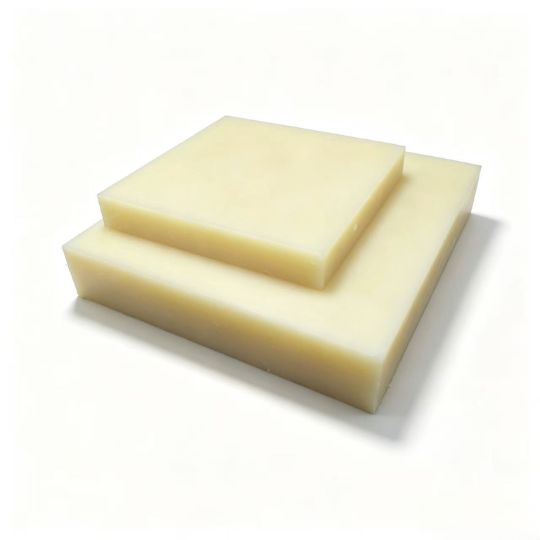
PA6 Sheet is the most widely used type of Nylon Sheet. It offers good toughness, easy machinability, and a cost-effective solution for a wide range of industrial applications.
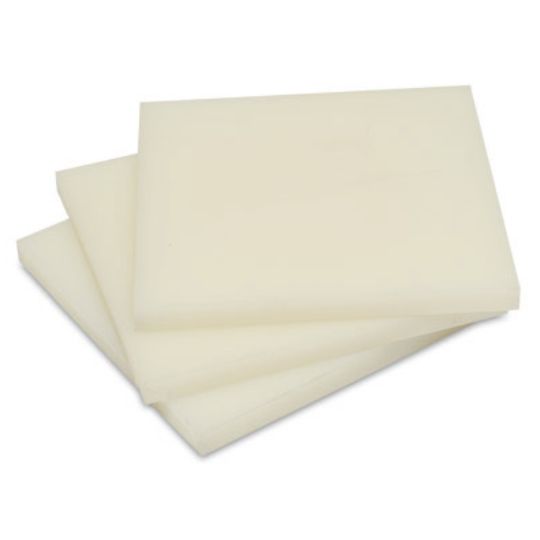
Extruded PA66 Sheet provides excellent machining control and high rigidity, making it ideal for milling and turning applications that require tight tolerances and precise dimensions.
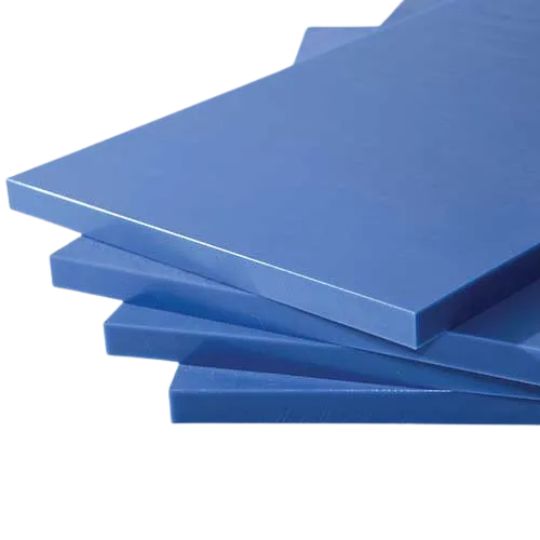
MC Nylon Sheet is produced through a casting process. Its higher molecular weight and lower internal stress provide improved performance and allow for the production of extra-large sheet sizes.
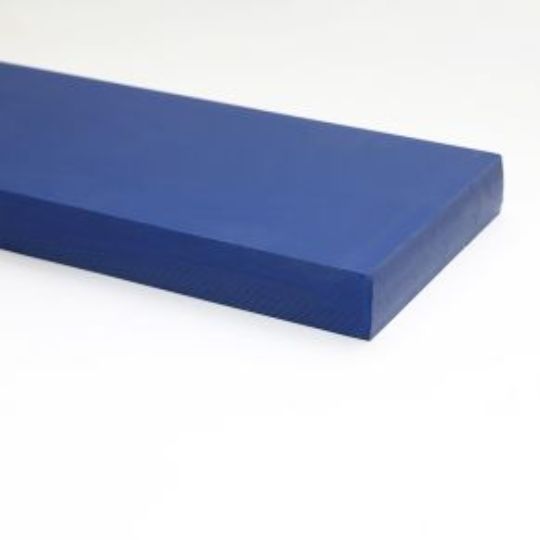
Cast PA6 Sheet is another name for cast nylon, as cast nylon is typically based on PA6. Compared with extruded nylon, it offers better wear resistance and higher impact strength.
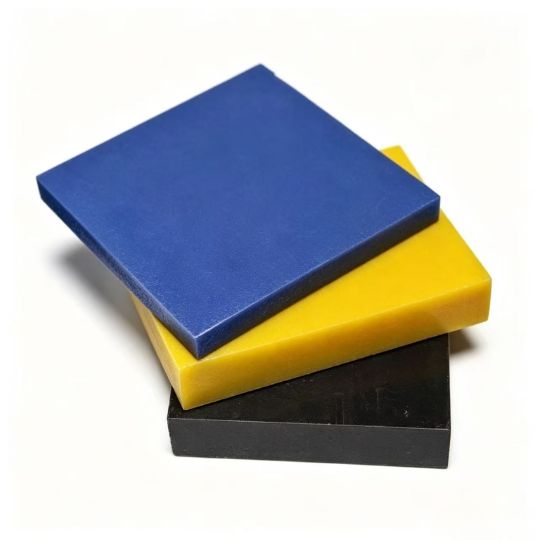
Oil Filled Nylon Sheet contains solid lubricants that enhance the material’s natural self-lubricating properties. It also helps reduce moisture absorption, making it suitable for applications where regular maintenance lubrication is difficult or impossible.
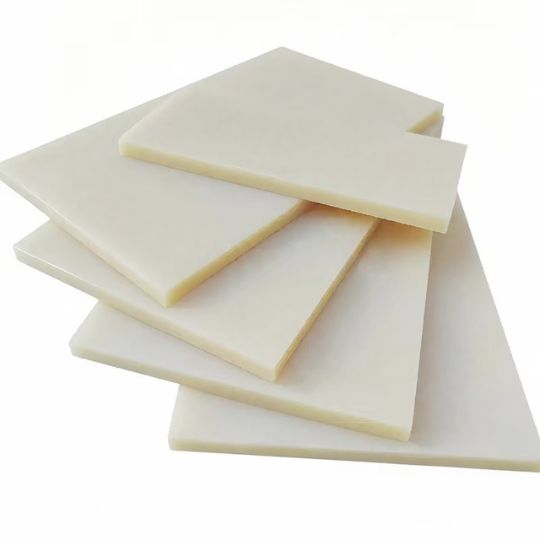
Glass Filled Nylon Sheet is reinforced with fiberglass, improving strength, wear resistance, stiffness, and creep resistance. It also provides better short-term heat resistance. Glass fiber content can be as high as 40%.
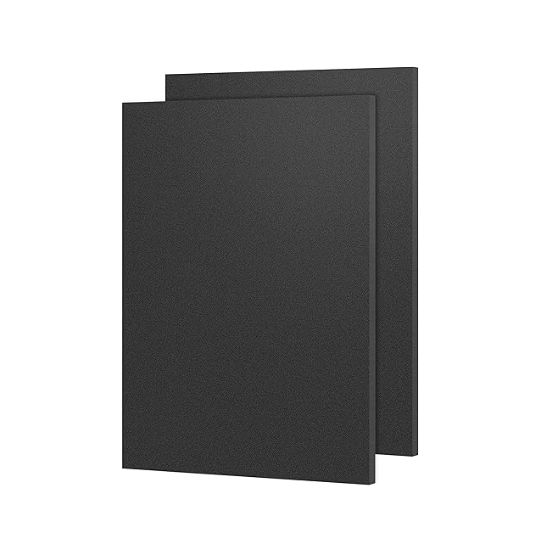
Carbon Filled Nylon Sheet is reinforced with carbon fiber for increased strength. It also offers electrical conductivity, making it suitable for high-performance mechanical components and specialized industrial applications.
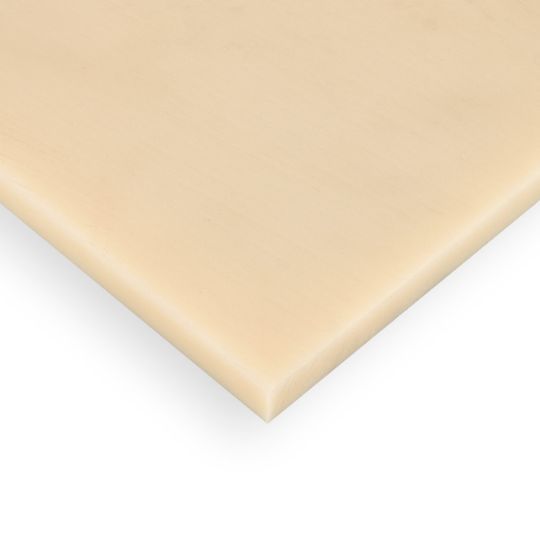
HANSA’s Food Grade Nylon Sheets comply with FDA requirements and are safe for direct contact with food.
Why You Need Nylon Sheet?

PA66 offers high strength and rigidity, it is commonly processed into heavy-load components, such as wear-resistant parts (e.g., bearings) and structural elements.

Nylon possesses inherently excellent wear resistance and dimensional stability. It is frequently used in high-wear applications such as wear strips, rollers, sprockets, bearing housings, and chute liners.

MC Nylon has a higher molecular weight and superior impact resistance, making it suitable for high-impact applications such as pile driver cushions, shock-absorbing devices, and mechanical limit stops.

Extruded nylon offers the best machinability and toughness. Extruded Nylon 66, in particular, provides excellent chip control and rigidity, making it suitable for high-precision milling and turning operations.
Comprehensive Quality Inspection System
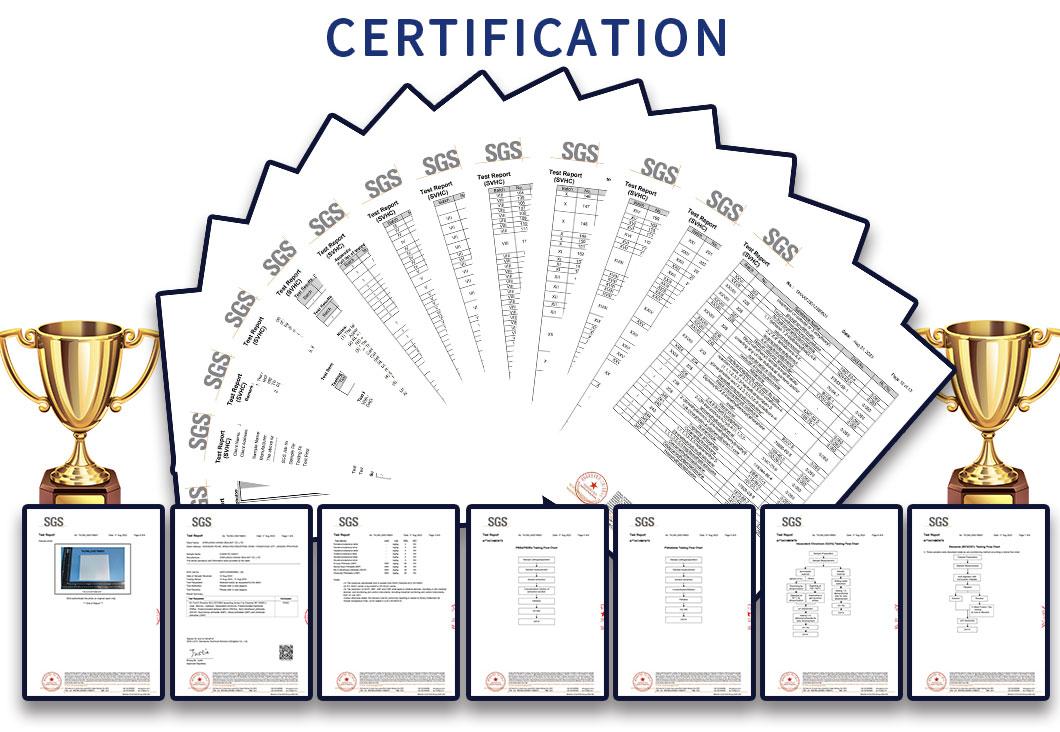
With 30 years of experience, HANSA has established a fully perfected quality control system that covers the entire value chain—from raw materials and the production process to the finished product. We maintain long-term partnerships with stable nylon raw material suppliers, ensuring full traceability of material quality. Dedicated quality inspectors monitor every step of the production process. Once formed, products undergo rigorous pre-shipment inspections for dimensions, tolerances, and performance specifications, with all test results logged into our system.
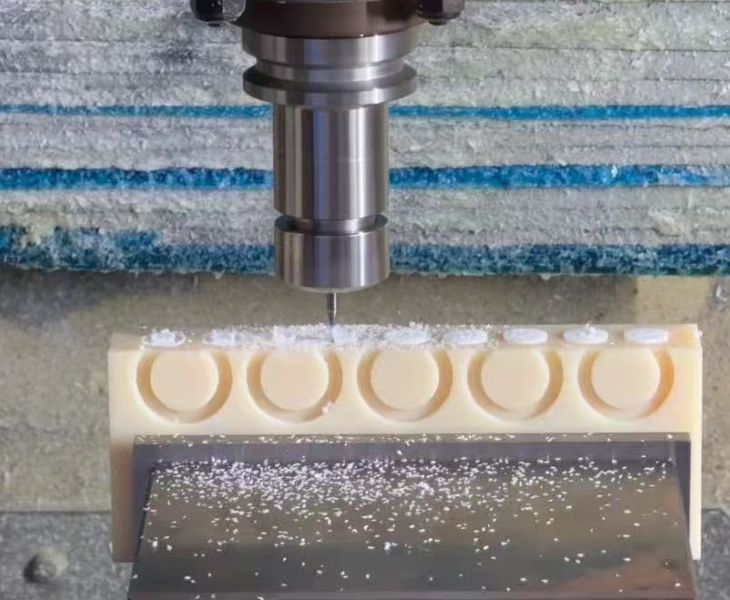
Customized Services
As a direct manufacturer of nylon sheets, we are uniquely positioned to fully meet your customization needs. Whether you require specific dimensions or colors, or need us to tailor the nylon sheet to the unique requirements of your project, we are committed to delivering the best possible solution.
Why You Can Trust HANSA
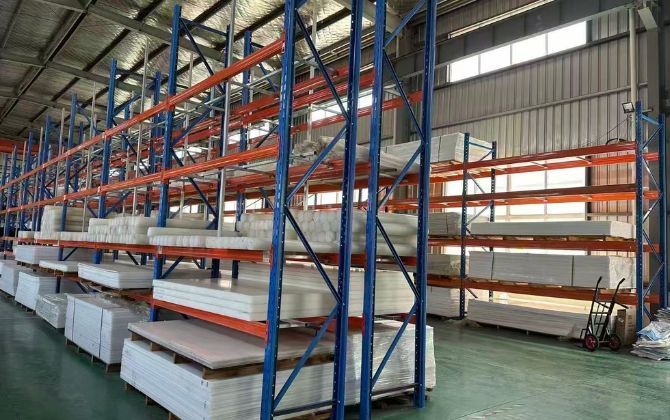
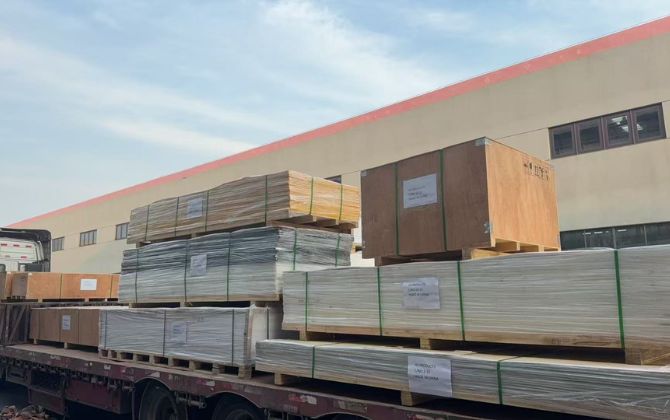
We keep standard 1000 × 2000 mm and 1220 × 2440 mm Nylon Sheets in stock year-round, allowing us to handle urgent large-volume orders quickly. These are some of our most popular sizes and are regularly purchased by our customers.
As a Nylon Sheet manufacturer, we offer competitive prices, reliable quality, and stable supply to support your business needs.
Our minimum order quantity is just one Nylon Sheet. If you need a custom size, we can also provide cut-to-size services to meet your specific requirements.
Various Nylon Sheets You Could Choose
Below are some other nylon sheets produced by HANSA, some are examples of products made for clients, while others are new types developed in-house. Each type of nylon sheet is designed for specific operational scenarios and corresponding working conditions.
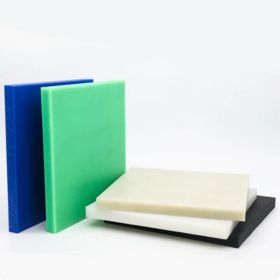
Thanks to its high strength, excellent wear resistance, impact resistance, and easy machinability, Nylon Plate is widely used to manufacture wear-resistant components such as gears, guide rails, sliders, and wear liners.
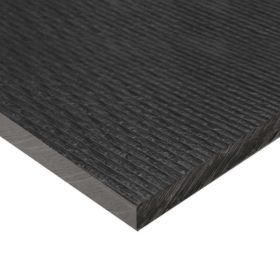
MoS₂-filled Nylon Sheet offers a lower coefficient of friction, improved wear resistance, and better dimensional stability. It can withstand higher loads and is ideal for long-term, high-load wear applications.
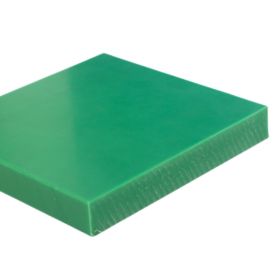
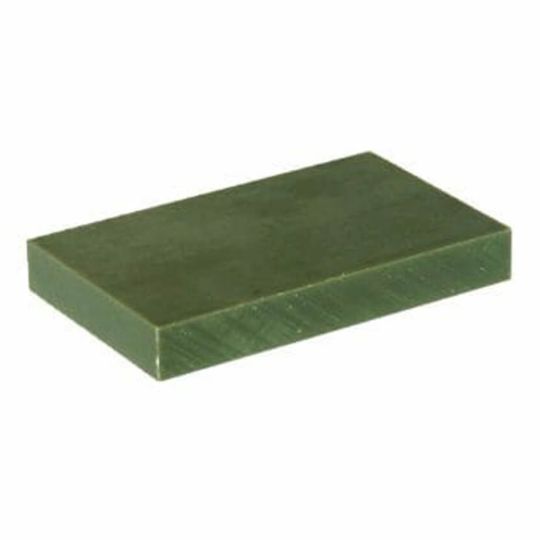
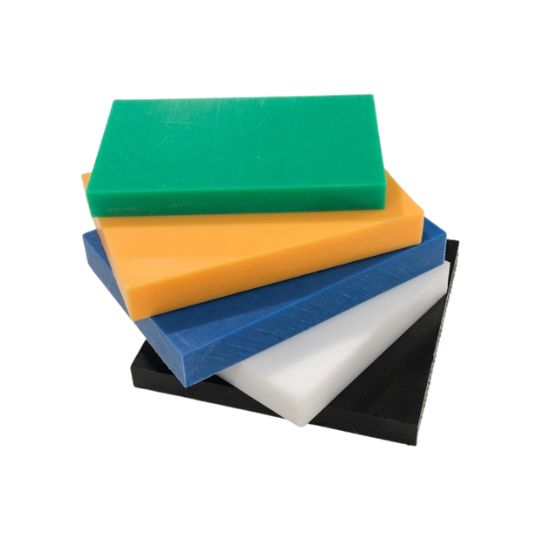
Green Nylon Sheet is typically oil-filled nylon. With excellent self-lubricating properties, it is suitable for equipment where external lubrication is difficult or impossible to apply.
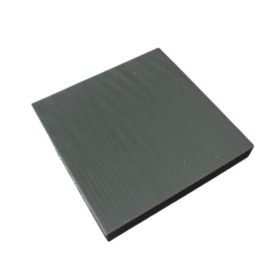
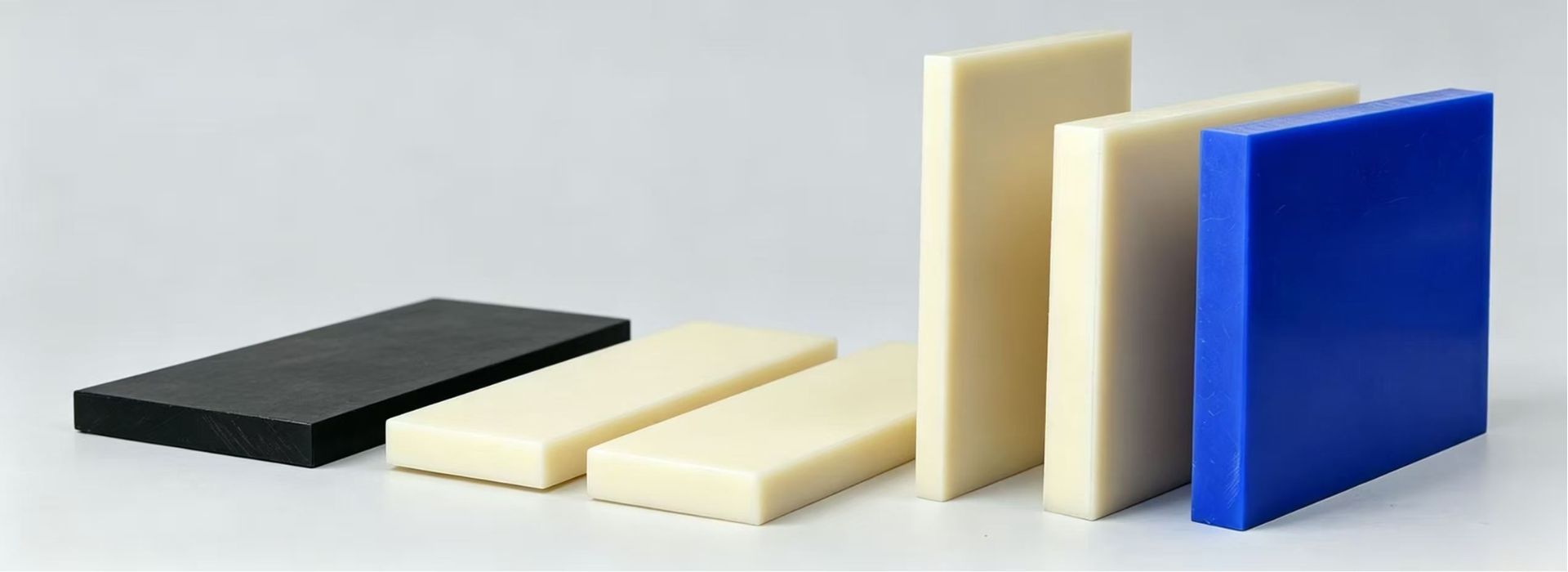
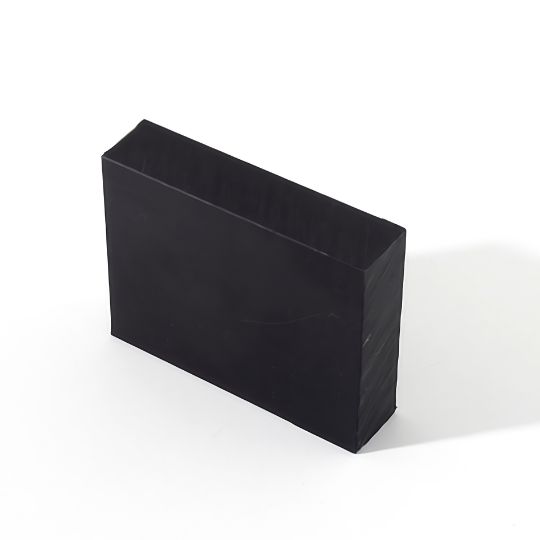
Black Nylon Sheet provides excellent weather resistance and UV resistance, making it a good choice for outdoor machinery and equipment covers.
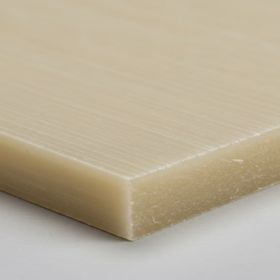
Nylon Wear Pads are commonly used as a replacement for metals such as steel. They offer corrosion resistance, reduce wear and noise, and help lower maintenance costs by reducing the need for frequent replacement.
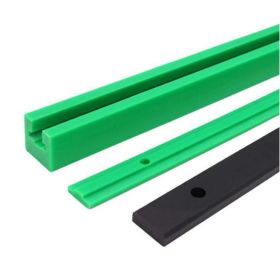
Nylon Wear Strips are widely used in the conveying industry, especially for conveyor guide rails and food processing lines.
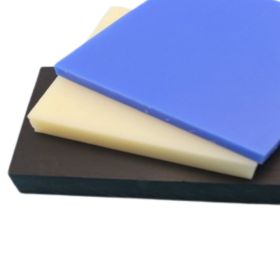
Nylon grades used for bearing applications are typically oil-filled nylon, MoS₂-filled nylon, and cast nylon. They provide self-lubrication and excellent fatigue resistance, making them a reliable alternative to bronze and brass bearings.
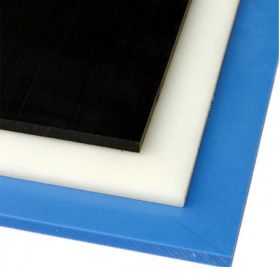
6mm Nylon Sheet is commonly used for manufacturing gaskets, insulation panels, and protective panels.
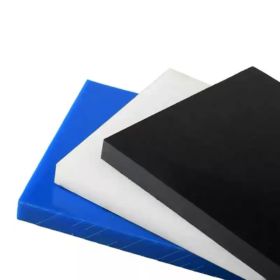
10mm is one of the most commonly used thicknesses in industrial equipment. It is often used to produce guide rails, sliding plates, and support plates.
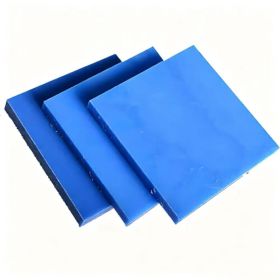
Wear pads used in conveyor systems and automation equipment are often made from 12mm Nylon Sheet. Its excellent wear resistance helps extend service life and reduces replacement frequency.
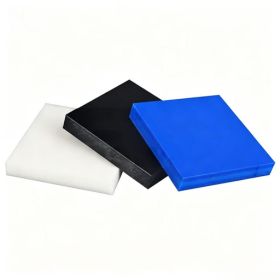
20mm Nylon Sheet is considered a heavy-duty grade. It is commonly used for heavy-load guide rails and industrial support components.
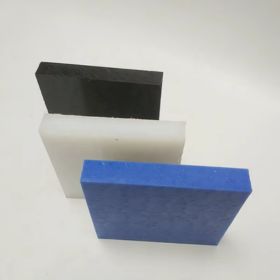
25mm is a popular thickness in the CNC machining industry. Many customers purchase it as raw material and machine it into precision parts. HANSA also provides CNC machining services, offering a complete one-stop solution from material supply to finished components.
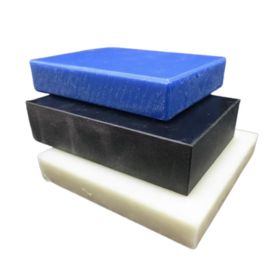
Thick Nylon Sheet typically refers to nylon sheets with a thickness of 30–100mm. These heavy-duty sheets offer outstanding load-bearing capacity and are ideal for machining large mechanical components.
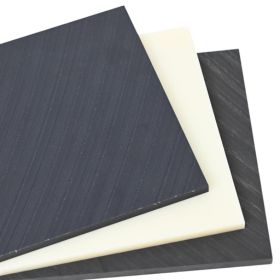
Common sheet sizes include 1000 × 2000 mm, 1220 × 2440 mm, and 1500 × 3000 mm. These large-format sheets can be used as a single piece without the need for joining or splicing. They are commonly used for large wear plates and equipment liners.
Testmonials
-
We replaced steel wear plates with HANSA’s Nylon Sheets on our conveyor system. The wear resistance has been excellent, and the equipment now runs much more quietly.
Maintenance costs have also been reduced.
-
We purchased Cast Nylon Sheets for machining large gears and guide components. The material machines cleanly, and dimensional stability has been very good. The quality is consistent from batch to batch.
-
The custom-cut Nylon Sheets saved us a lot of machining time. The sheets arrived exactly to our required dimensions, which helped us speed up production.
The key advantages of nylon sheet are its wear resistance, self-lubricating properties, and suitability for safe contact with food. Nylon can serve as a substitute for metal, offering the benefits of being lighter, rust-proof, and more cost-effective.
PA6 and PA66 differ in performance due to their distinct chemical structures. The long-term service temperature for PA6 is 80–100°C, whereas for PA66, it is 100–120°C. PA6 offers good toughness, ease of processing, and low cost, while PA66 provides higher strength, greater rigidity, and superior heat resistance.
The production processes differ: Cast Nylon is produced by polymerizing and casting raw monomers, whereas Extruded Nylon is manufactured by melting and extruding pellets. Cast Nylon possesses all the characteristic properties of nylon, combining both strength and toughness; specifically, Cast PA6 features a higher molecular weight, resulting in superior wear and impact resistance. In contrast, Extruded Nylon offers high production efficiency, a wider range of available sizes, and lower costs, making it suitable for mass production.
No, nylon is not waterproof. In fact, it is somewhat hygroscopic. Nylon sheets absorb water and swell, leading to a reduction in tensile strength and a loss of dimensional stability. If you intend to use the material in environments subject to prolonged moisture or submersion, I recommend choosing a different material—such as acetal—as a substitute for nylon.
The long-term service temperature of Nylon 6 is 80–100°C, while that of Nylon 66 is 100–120°C.
Yes, our nylon sheets comply with FDA requirements. They are safe for food contact and pose no risk to human health.
We maintain a large stock of standard-sized PA sheets in our warehouse; orders placed today can be packed and shipped the following day. For nylon sheets with special specifications, production time is required, and shipment can be arranged within 7 to 15 days.
HANSA has no minimum order quantity, we can ship even a single nylon sheet. If you need samples for testing, we can provide them free of charge.
Certainly. HANSA’s mature production technology supports the customization of nylon sheets in various sizes; customization can be achieved through methods such as cutting from standard stock or direct production using custom molds.
HANSA offers one-stop solutions for nylon sheet plastic products. We can custom-manufacture CNC-machined nylon components tailored to your project, backed by our in-house CNC machining facilities and a team of experienced technicians.
Standard sizes for extruded PA sheets are 630×1250, 1030×2060, and 1220×2440 mm, while standard sizes for cast nylon sheets are 1000×1000, 1200×1200, and 1000×2000 mm; we have these sizes in stock at our warehouse.
Certainly. HANSA has been established for 30 years and has been engaged in exports for 15 years. You can place your full confidence in HANSA; we are highly experienced in the export of nylon sheets.
Our nylon sheet can last for years in extreme conditions. It provides less maintenance which assures a more economical and reliable solution to Brass or Bronze materials.
No. The nylon sheet has a low melting point. However, it can be easily cut with saws.
Related Plastic Sheets
More about Nylon Sheets You Need to Know
What is Nylon made of?
Different grades of nylon use different raw materials. PA6 is made from caprolactam, while PA66 is produced by polymerizing hexamethylenediamine and adipic acid.
What is Nylon 6?
Nylon 6 (also known as PA 6) is produced through the polymerization of caprolactam. It offers a balanced combination of properties—including wear resistance and toughness—along with excellent processability and low cost.
Nylon 6 comes in two forms: extruded PA 6 and cast PA 6.
Extruded PA 6: Low cost, wide range of specifications, and easy to process.
Cast PA 6: Higher molecular weight, superior wear and impact resistance, and suitable for producing large-sized sheets.
What is Nylon 66?
Nylon 66, also known as PA66, is a high-performance engineering plastic. It is produced through the polycondensation of hexamethylenediamine and adipic acid.
Compared to PA6, PA66 offers higher strength and rigidity, superior dimensional stability, and lower water absorption.
PA66 is typically an extrusion-grade nylon; cast-grade PA66 essentially does not exist.
What is Cast Nylon/MC Nylon?
It is generally referred to as Cast PA 6 or MC Nylon rather than simply “Cast Nylon”, all three terms actually describe cast nylon produced via the casting process.
MC Nylon stands for “Monomer Casting Nylon” and is produced by the direct polymerization of caprolactam monomer within a mold. Consequently, Cast PA 6 features a higher molecular weight and lower internal stress.
MC Nylon offers superior mechanical properties, including excellent wear resistance, impact resistance, self-lubricating qualities, and fatigue resistance, as well as a long service life.
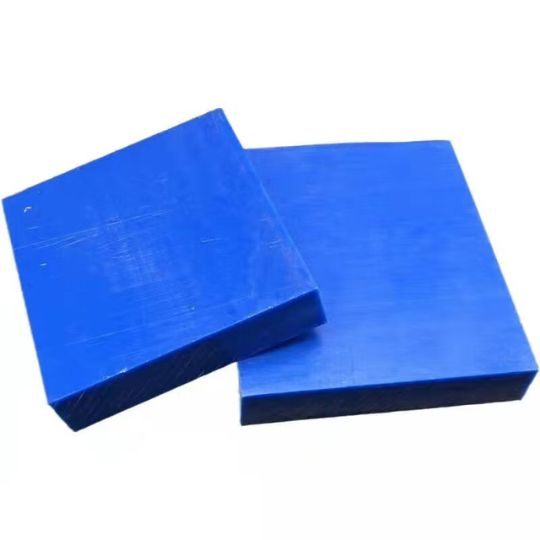
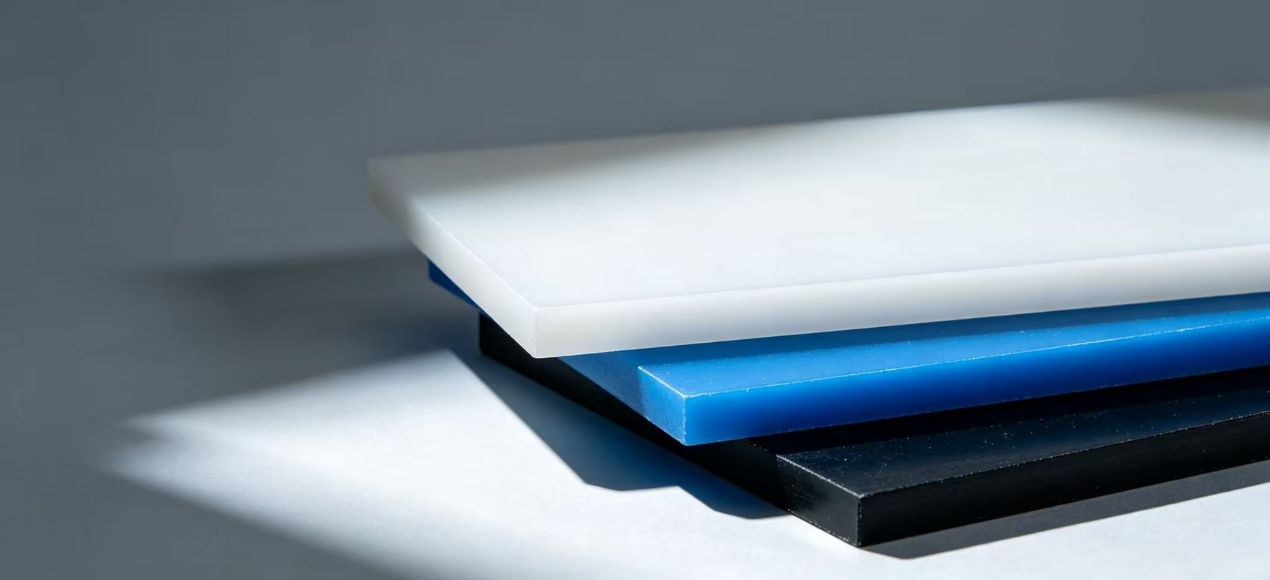
The blue nylon sheets commonly found on the market today are, in fact, MC Nylon.
Cast nylon allows for the production of nylon sheets in extra-thick and extra-large dimensions.
What are the properties of Nylon Sheets?
The key advantages of nylon are its excellent wear resistance and dimensional stability, as well as its outstanding self-lubricating properties. These characteristics make it suitable for demanding, high-load operating conditions.
Lightweight and corrosion-resistant, nylon is often used as a substitute for metal components—such as those made of steel—weighing only one-seventh as much as steel. Furthermore, nylon is cost-effective; replacing it entails significantly lower costs than replacing steel parts.
What is Nylon Sheet used for?
Due to its inherent excellent wear resistance, impact resistance, and self-lubricating properties, nylon is commonly used for wear strips, bearings, gears, and chute liners.
High-temperature treated MC nylon sheet can withstand long-term use at 275°F while maintaining dimensional stability; it is typically used for bushings, rollers, and wear pads in ovens, kilns, and industrial drying equipment.
Molybdenum disulfide-filled nylon sheet offers superior wear and impact resistance, extending the service life of components in harsh operating conditions. It is used for pulleys, bushings, and wear pads on telescopic booms in the mobile crane industry, as well as for gears and rollers in various material handling systems.
Oil-filled, molybdenum disulfide-reinforced nylon sheet is the most popular type of PA sheet. It combines high compressive strength and load-bearing capacity with enhanced lubrication, making it ideal for high-load, low-speed applications.
Material Comparison
Nylon 6 vs Nylon 66
Nylon 6 and Nylon 66 are designed for different operating conditions, each offering distinct properties and advantages.
Nylon 6 offers good toughness and wear resistance while being cost-effective; it is commonly used for gears, guide rails, pulleys, and wear pads.
Nylon 66 features superior strength, rigidity, and impact resistance, as well as higher temperature resistance; it is frequently used for precision machined parts, structural components, and high-load mechanical applications.
Nylon vs Rubber
These are two completely different materials with distinct applications.
Nylon is suitable for operating conditions requiring high load-bearing capacity, wear resistance, and high mechanical strength. Rubber is suitable for applications requiring shock absorption, cushioning, sealing, or anti-slip properties.
In conveyor systems, nylon wear strips can replace rubber wear strips; the nylon version offers superior wear resistance, extending service life and reducing maintenance costs.
In industrial applications, heavy-duty rollers utilize nylon rather than rubber because nylon offers a higher load-bearing capacity.
Nylon vs UHMW
Both Nylon and UHMW exhibit excellent wear resistance, though their wear-resistance mechanisms differ:
Nylon excels in high-load wear resistance, making it suitable for heavy-duty applications. It is frequently used to manufacture gears, bearings, and bushings due to its high strength, rigidity, and load-bearing capacity.
UHMW offers wear resistance through low friction, making it ideal for applications requiring ultra-low friction, such as conveyor guide rails and slide rails. It is commonly used in the conveying industry because it is slicker, operates more quietly, and resists material adhesion.
Nylon vs PTFE(Teflon)
Nylon possesses significantly higher rigidity and strength than PTFE; consequently, for high-load applications requiring superior wear resistance and long-term durability, Nylon is the preferred material.
Although PTFE is wear-resistant and has an extremely low coefficient of friction, it lacks rigidity. It is prone to deformation and loss of dimensional stability under sustained high loads, making it better suited for low-load wear applications.
However, PTFE is more widely used than Nylon in the chemical industry. This is due to PTFE’s exceptional chemical inertness and resistance to chemical corrosion—it remains virtually unreactive with almost all chemical substances. In contrast, Nylon’s chemical resistance is inferior to that of PTFE; while Nylon withstands oils, greases, fuels, weak alkalis, and most organic solvents, it is not resistant to strong acids or strong oxidizing agents.

 English
  Arabic
  Tibetan
  German
  Spanish
  French
  Hindi
Hindi  Indonesian
  Italian
  Japanese
  Korean
  Dutch
Dutch  Portuguese
  Thai
Thai  Russian
  Swedish
  Chinese