


HDPE is a widely recognized plastic material valued for being lightweight, strong, durable, and cost-effective; it is utilized across a wide range of sectors, from chemical processing and water treatment to construction and municipal engineering. This article provides an overview of specific HDPE applications across 11 different fields, helping you determine its suitability for your project.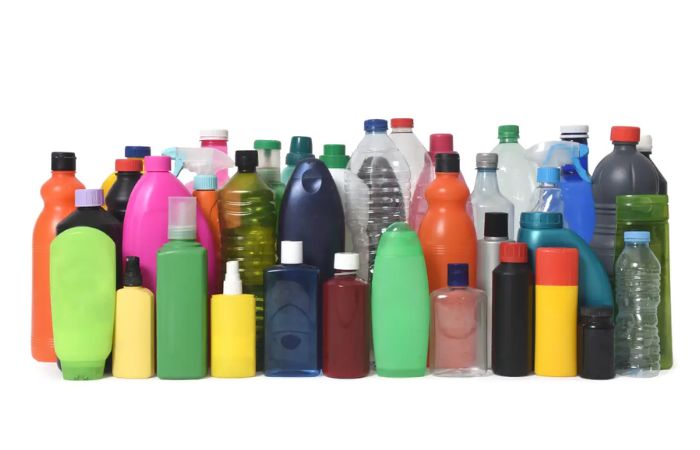
Why is HDPE Widely Used Across Various Industries
Thanks to HDPE’s excellent properties and the low cost of its raw material, engineers across various sectors have continuously designed and developed applications for it, resulting in its widespread use across diverse industries today.
High Strength-to-Weight Ratio
This refers to a material’s ability to provide high mechanical strength while maintaining a low weight. HDPE features a linear molecular structure with minimal branching; this allows for tight molecular chain packing and stronger intermolecular forces, resulting in superior rigidity, strength, and load-bearing capacity. With a density of only about 0.95 g/cm³, HDPE is lightweight. It is ideal for large structural components, helping to reduce transportation costs and improve equipment operational efficiency.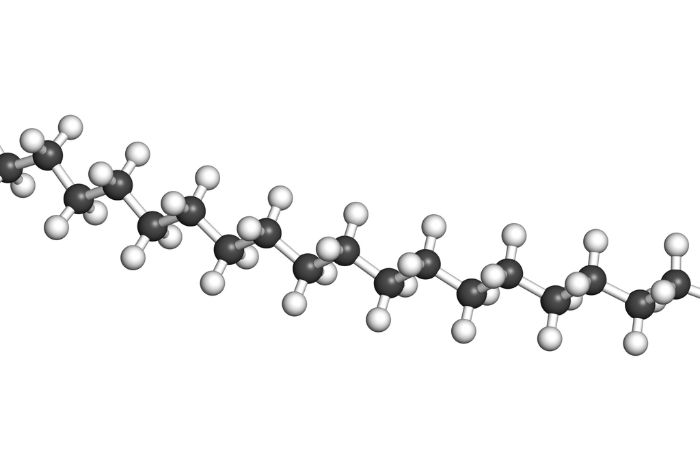
Excellent Moldability
HDPE is a semi-crystalline thermoplastic polymer; it softens and flows when heated to its melting point and re-solidifies upon cooling. Consequently, it can be processed using various methods—such as extrusion, injection molding, blow molding, thermoforming, rotational molding, and welding—to create products of diverse shapes and sizes.
Leveraging these properties, HANSA manufactures a wide range of HDPE products—including sheets, rods, pipes, and various machined parts—using these diverse production processes.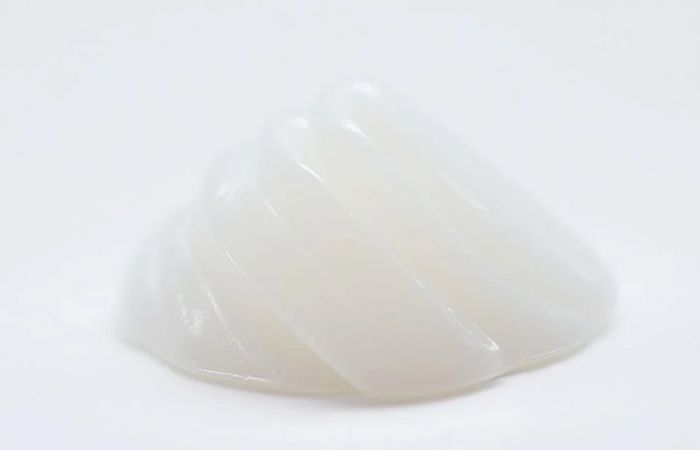
Resistance to Environmental Factors
HDPE exhibits excellent chemical resistance, withstanding most common chemicals, water, solvents, acids, detergents, and cleaning agents, making it a valuable material in the chemical industry.
It is unaffected by strong inorganic acids or alkalis found in soil, making it suitable for underground water piping; furthermore, HDPE has a water absorption rate of nearly zero.
HDPE is weather-resistant and UV-stable, making it suitable for products exposed to outdoor environments for extended periods, such as playground equipment and automotive components.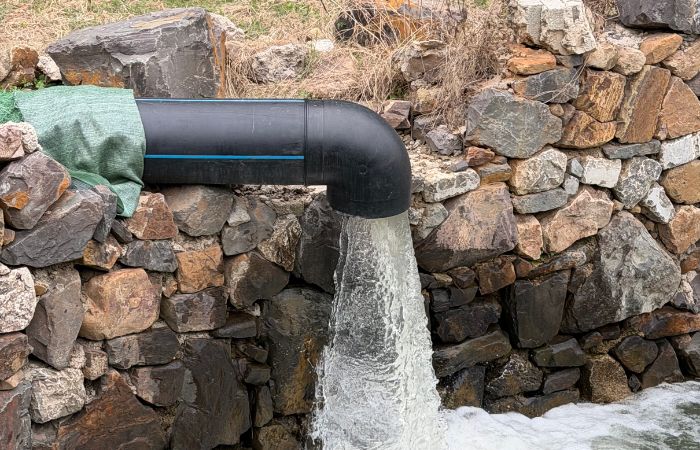
Ease of Recycling
As a thermoplastic, HDPE can be melted and re-molded without significantly altering its chemical structure. Mature global recycling systems are already in place, and HDPE waste holds significant recycling value.
Most consumer HDPE products can be disposed of at standard community recycling centers, where they are systematically processed.
This practice reduces waste output and minimizes negative environmental impacts. It also lowers material costs, as recycled HDPE often meets performance requirements in various applications.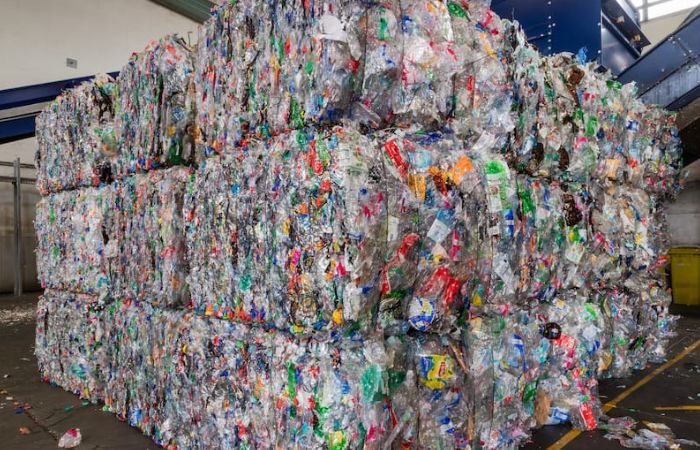
Specific Applications of HDPE Material
化学産業
HDPE is resistant to acids, alkalis, salt solutions, and corrosive media; it possesses a degree of chemical inertness and serves as a versatile, corrosion-resistant material in industry. In the chemical sector, HDPE Sheet is widely used for chemical storage tanks and electroplating baths; it can replace PTFEシート in applications not involving strong oxidizing agents, while offering a lower cost.
HDPE sheets are commonly used as linings for chemical equipment, such as pickling tanks and concrete basins, to protect the metal substrate from corrosion caused by chemical reactants.
HDPE pipes are frequently used to transport corrosive liquids; thanks to the material’s low-friction properties, the pipe’s inner walls remain smooth, preventing the buildup of scale or deposits that could cause blockages.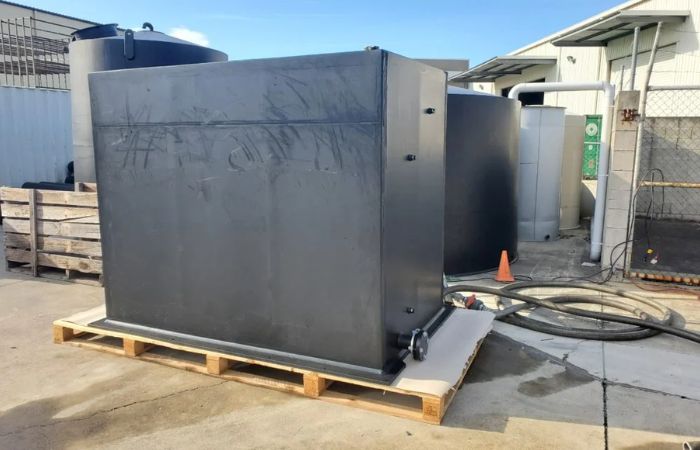
Water Treatment Systems
In water treatment applications, HDPE piping is most widely used in municipal water treatment projects and agricultural irrigation. While water supply and sewage pipelines represent the most fundamental and extensive applications, HDPE is also utilized in rainwater harvesting systems, water storage tanks, water treatment equipment components, flanges, and fittings.
This is due to HDPE’s resistance to corrosion and moisture, as well as its immunity to rust. Furthermore, HDPE offers excellent thermal welding properties, resulting in leak-resistant piping systems that—when properly installed and maintained—can achieve a service life of up to 50 years.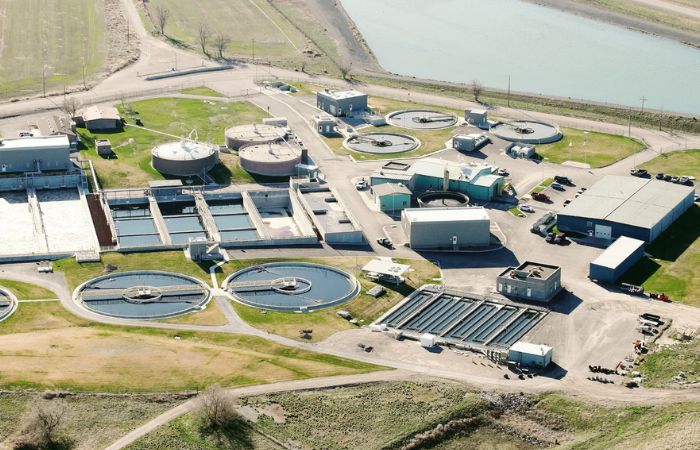
Agriculture
HDPE is utilized in the agricultural sector primarily for two purposes: as irrigation piping and for storage applications. It boasts excellent weather resistance—including UV stability and corrosion resistance—and has an extremely low water absorption rate.
When used for irrigation, HDPE withstands prolonged exposure to direct sunlight and remains unaffected by fertilizers or pesticides. Additionally, HDPE can be fabricated into storage tanks for pesticides and fertilizers, as well as greenhouse troughs, feed bins, and similar equipment. For farmers and greenhouse growers, HDPE represents a highly cost-effective material.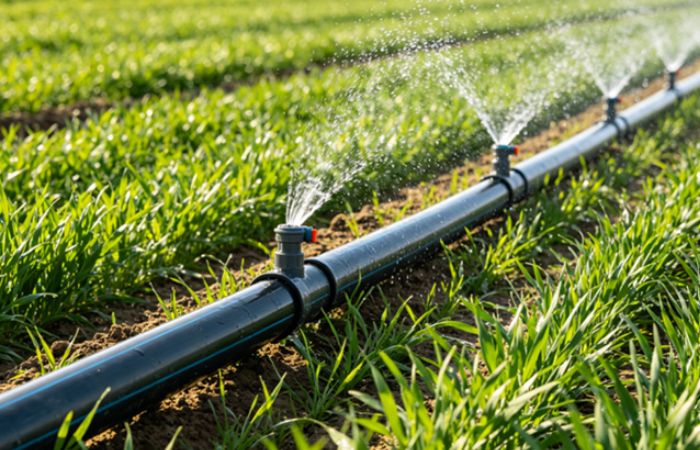
Marine Environments
HDPE is widely used in marine applications. Thanks to its excellent impact resistance, it serves as material for dock fender panels and impact-resistant boards, effectively absorbing and dispersing the force of collisions. Furthermore, HDPE is resistant to saltwater corrosion, ensuring durability even during prolonged immersion in seawater without the risk of rotting.
With a low density of 0.94 g/cm³, HDPE is suitable for offshore floating structures such as pontoons, aquaculture cage floats, and floating platforms.
Additionally, HDPE is utilized for deck components on vessels due to its outstanding wear resistance and self-lubricating properties. It is commonly fabricated into wear-resistant liners, protective panels, and sliding guide rails.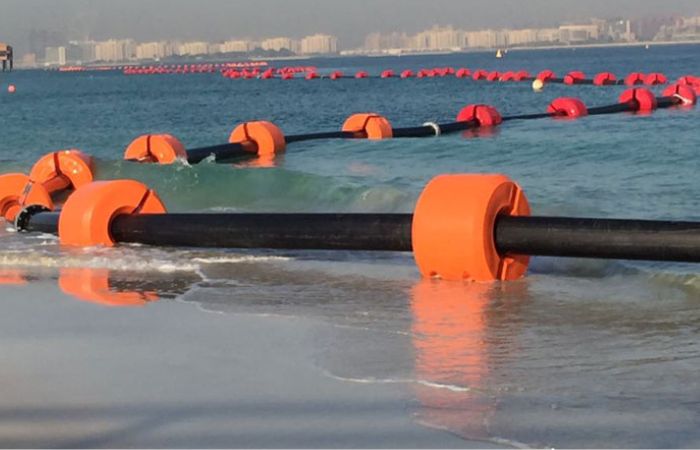
Mining
In the mining industry, HDPE is primarily used for liners—this is its most critical application. Thanks to its high wear resistance and low friction, HDPE withstands the impact of ore while preventing material adhesion and clogging.
Applications for HDPE in mining include liners for storage bins, hoppers, and conveyor chutes, as well as ore deflectors; it is also used for piping systems to transport slurry and tailings.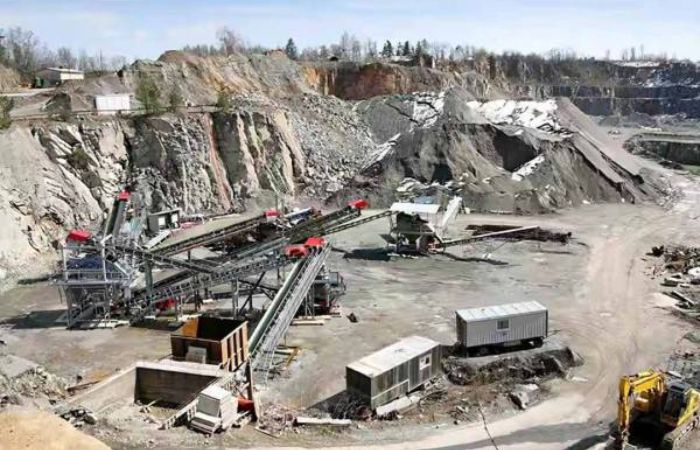
Food Processing
Food processing countertops and cutting boards are among the most typical applications of HDPE in the food processing industry, as the material is impact-resistant, crack-resistant, non-absorbent (inhibiting bacterial growth), and features a smooth, easy-to-clean surface.
HDPE’s high wear resistance and self-lubricating properties make it an excellent material for food conveyor guide rails. Crucially, HDPE meets food safety standards and holds FDA certification, making it suitable for food storage and the manufacture of food containers, such as packaging bags and bottle caps.
パッケージ
Packaging represents the largest sector for HDPE consumption. It is used for packaging across a wide range of industries; for instance, HDPE is the material of choice for containers such as food packaging (e.g., milk bottles), household product packaging (e.g., shampoo and detergent bottles), pharmaceutical bottles, and industrial chemical drums. This preference is due not only to HDPE’s low cost but also to its excellent chemical inertness.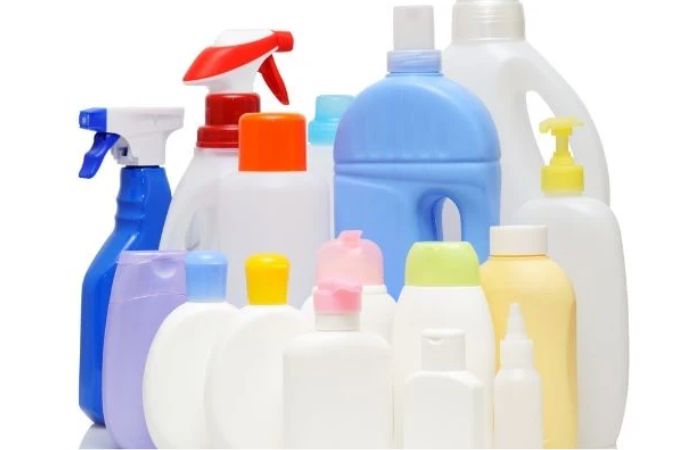
Electrical
HDPE possesses excellent electrical insulation properties; its high volume resistivity effectively prevents current leakage, making it commonly used for protective layers such as cable sheaths, communication conduits, and fiber-optic protection tubes.
Furthermore, due to its excellent rigidity and hardness, HDPE can also serve as structural insulation components—such as electrical insulation boards and cable tray parts—providing both mechanical support and insulation.
Its extremely low water absorption rate allows HDPE to be used in environments exposed to soil, salinity, and industrial corrosive agents.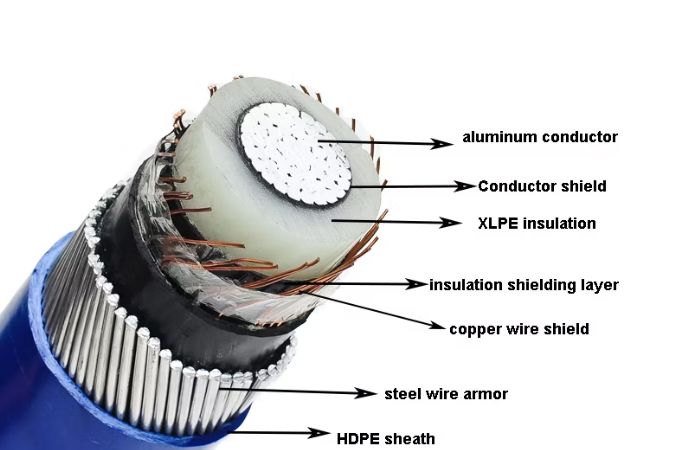
Industrial Manufacturing
HDPE is a thermoplastic ideally suited for CNC machining, offering excellent machinability and ease of shaping. Its ease of cutting, welding, and thermoforming translates to faster processing cycles, superior surface finish, lower production costs, and higher precision.
HANSA manufactures HDPE sheets that can be machined into wear-resistant guide rails, sliding blocks, machine guards, partition plates, spacers, and more. HDPE rods are machined into rollers, bushings, bearing housings, and positioning components, while HDPE tubes serve as conduits for chemical fluid transport, ventilation ducts, and protective sleeves.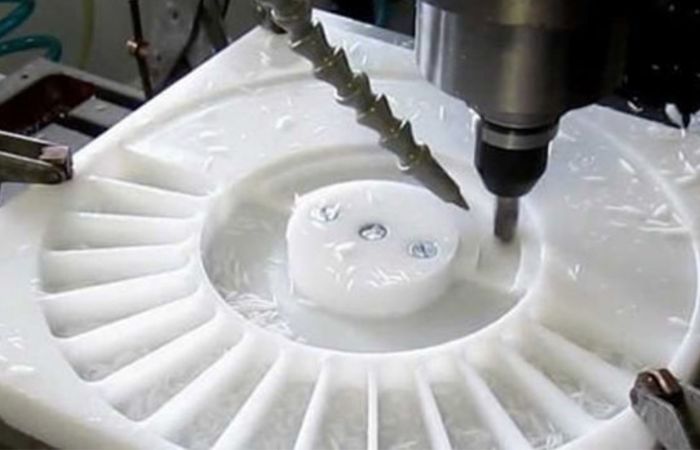
工事
HDPE is widely used in the construction industry due to its exceptionally long service life, outstanding cost-effectiveness, and extremely low water absorption rate. Its usage is particularly extensive in China, which represents one of the world’s largest markets. In the United States and Germany, the application of HDPE geomembranes is highly mature and adheres to rigorous standards.
Beyond geomembranes, HDPE is also utilized for underground waterproofing layers, construction formwork, floor protection boards, drainage boards, and more.
Transportation
Thanks to its high strength-to-weight ratio, HDPE combines light weight with excellent impact resistance. In the transportation sector, it is commonly used for traffic barriers and crash cushions, as well as truck bed liners and container linings.
FAQs
1. In which sector is HDPE most widely used?
There is no single sector that dominates usage; currently, the packaging industry accounts for the largest volume due to HDPE’s low cost, safety (non-toxicity), and suitability for mass molding. This is followed by general engineering and then construction engineering. It is used in other sectors as well, though in smaller quantities.
2. What are the common industrial forms of HDPE?
The primary processed forms of HDPE include sheets, rods, pipes, films, and machined parts. There are also many components that have undergone secondary processing. These different forms serve various purposes; HANSA has completed projects involving these applications.
3. What is HDPE primarily used for?
HDPE is widely used for anti-corrosion linings, impact-resistant panels, and fluid transport piping. It is most commonly found in applications such as the chemical industry, marine engineering, water treatment, and agricultural irrigation.
4. Is HDPE suitable for outdoor use?
Yes. HDPE offers excellent weather resistance and UV protection. Additionally, its superior processability makes it a popular choice for outdoor playground equipment, while its corrosion and water resistance allow it to perform well in aquatic applications.
5. Is HDPE safe for food contact?
Yes. HDPE is non-toxic and complies with FDA food safety standards.
6. What are the advantages of HDPE in industrial applications?
HDPE offers high mechanical strength, chemical corrosion resistance, low moisture absorption, excellent processability, and a long service life—all at a low cost. These characteristics enable it to operate reliably over the long term under harsh working conditions.
7. Can HDPE be recycled?
Yes, and HDPE has excellent recyclability. This is because it is a thermoplastic—meaning it can be melted, cooled, and re-molded—and it possesses good melt flow properties.
結論
As a high-performance thermoplastic, HDPE is widely used across 11 different application sectors thanks to its high strength-to-weight ratio, excellent processability, and recyclability. Regardless of the specific application, HDPE offers a cost-effective and durable, long-lasting solution.
HANSA supplies HDPE sheets, rods, pipes, and machined parts, including reinforced HDPE materials tailored to your project requirements. Please お問い合わせ for professional support and guidance on material selection.

 Japanese
  English
  Arabic
  Tibetan
  German
  Spanish
  French
  Hindi
Hindi  Indonesian
  Italian
  Korean
  Dutch
Dutch  Portuguese
  Thai
Thai  Russian
  Swedish
  Chinese