


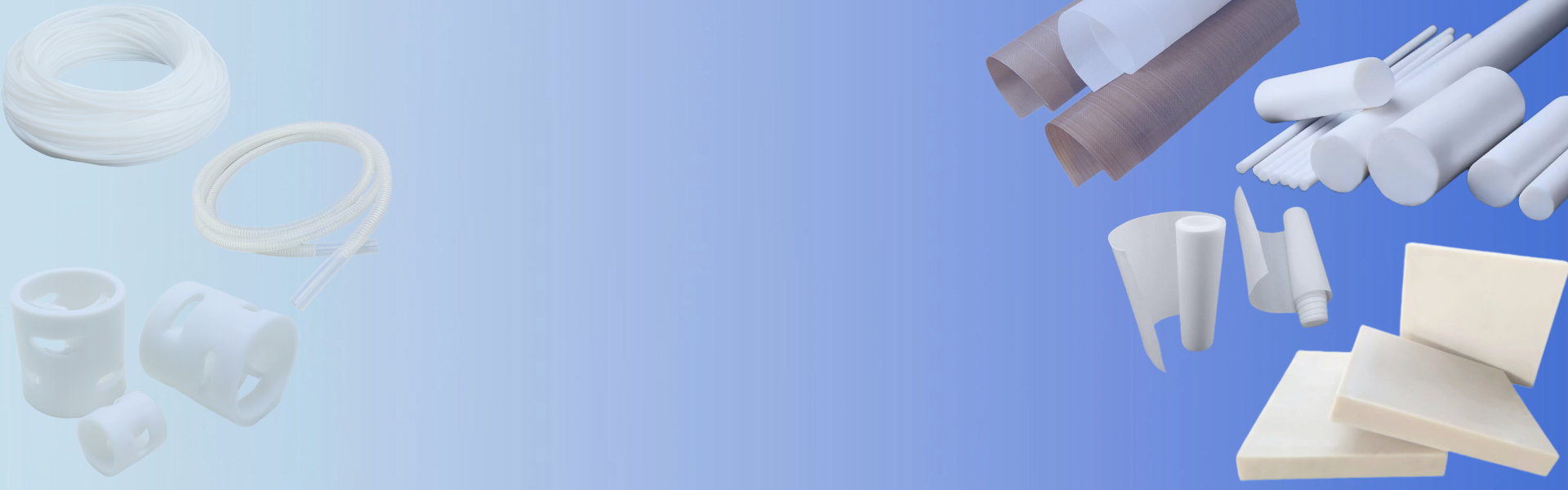
Reliable PTFE Products Manufacturer

PTFE skived sheets are usually made by slicing molded PTFE plates into thin sheets using a turning machine. What we often see are the sheets rolled up for easy handling and storage.
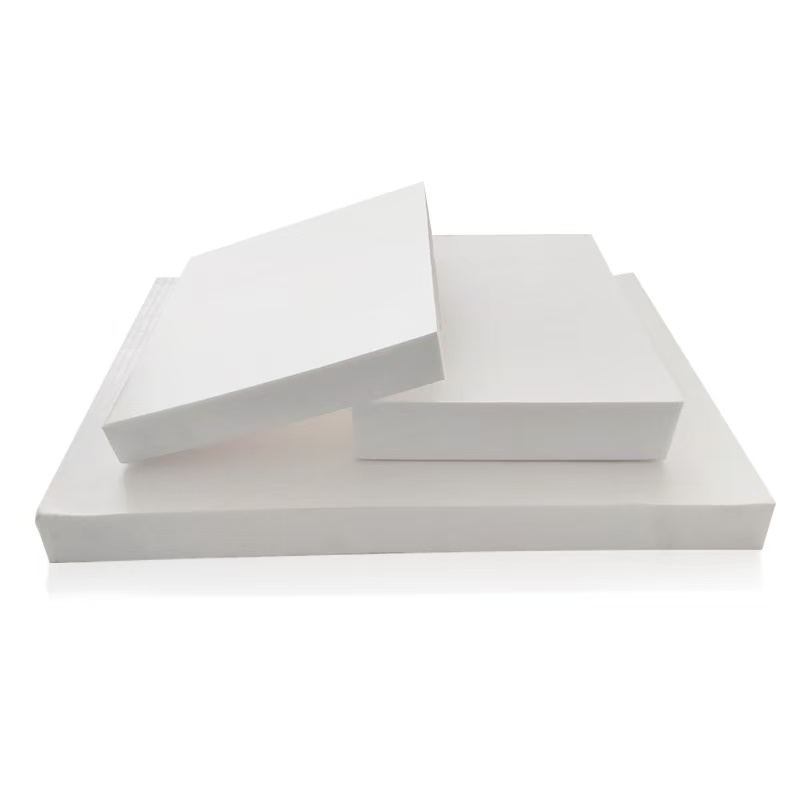
Molded PTFE sheets are made by compressing PTFE resin powder in a mold under controlled pressure, then sintering it at high temperatures to form a solid, durable sheet.
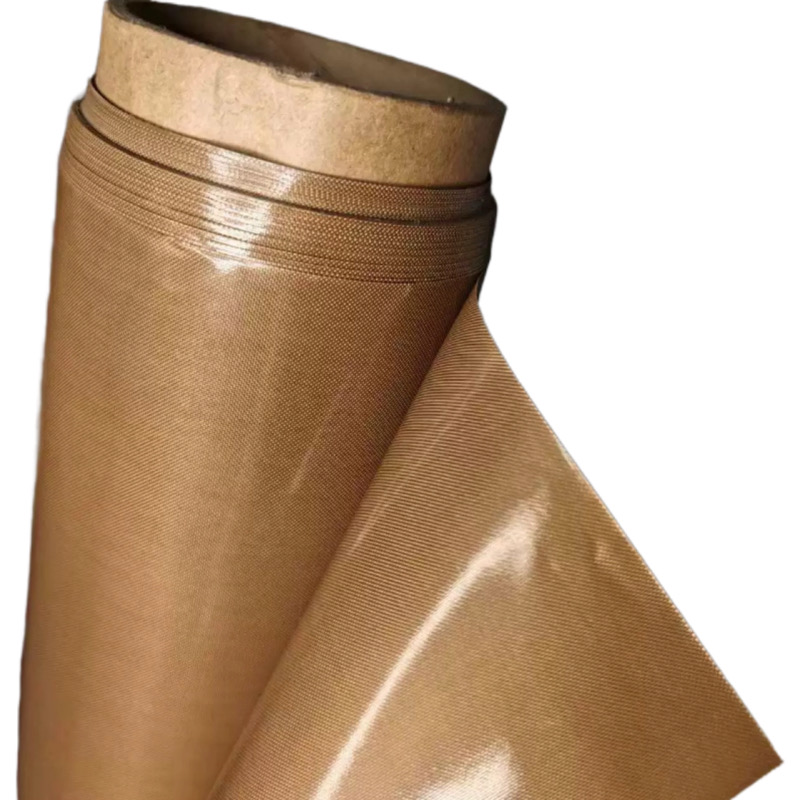
Glossy high-temperature fabric has a special coating on the surface that makes it non-stick, smoother, and low-friction
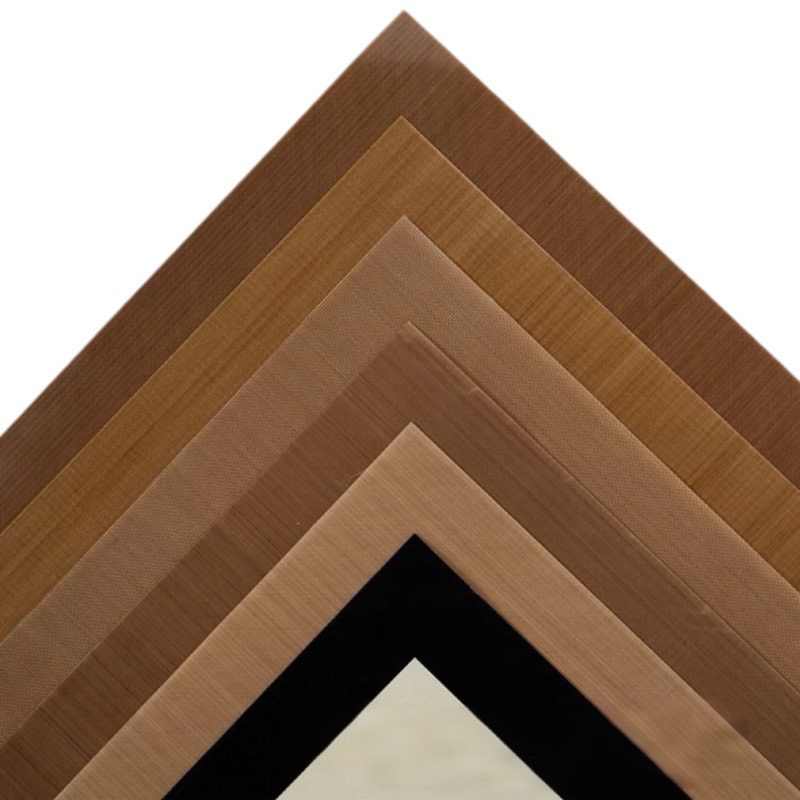
Rough-surface high-temperature fabric retains its woven texture, providing better grip and higher friction.
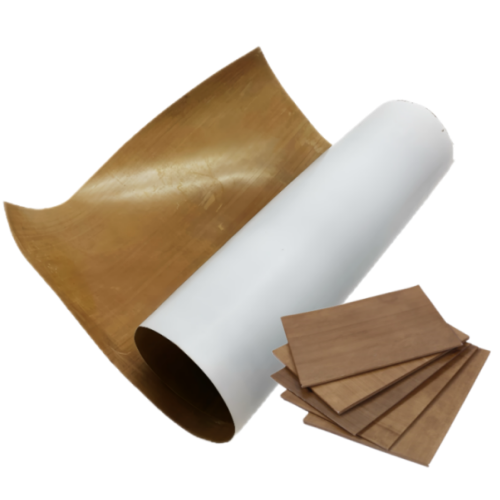
The surface of the PTFE sheet is treated with a sodium etching process, which makes it rougher and easier to bond with other materials.
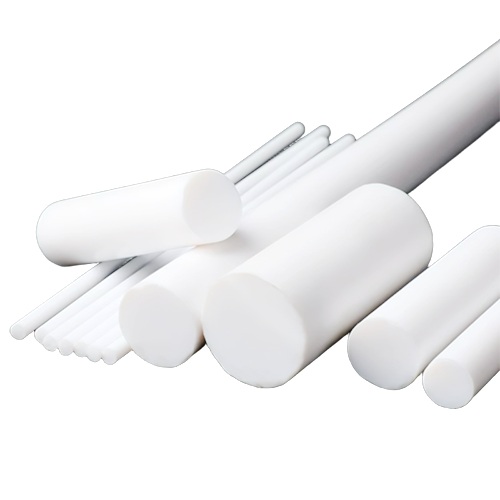
PTFE resin powder is poured into a mold, then compressed using a hydraulic press. After that, it’s sintered at high temperatures to set its shape. The finished product is usually short and thick.

An extrusion aid is added to the PTFE raw material, which is then pushed through a screw extruder and continuously forced out through a mold. After sintering and cooling to set the shape, the final products are usually long and thin.
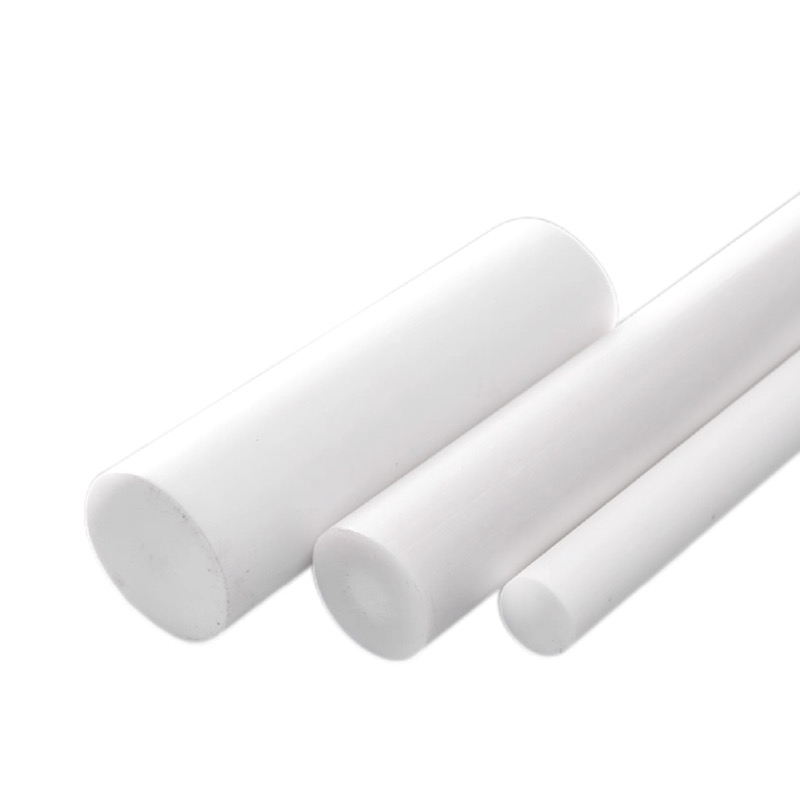
A paste extrusion process is typically used, resulting in products with a smoother surface, smaller diameter, and better flexibility.

Plaats de PTFE-hars in een buisvormige mal voor koudpersen, smelt het vervolgens samen door middel van sinteren op hoge temperatuur en laat het ten slotte afkoelen om de uiteindelijke vorm te verkrijgen.
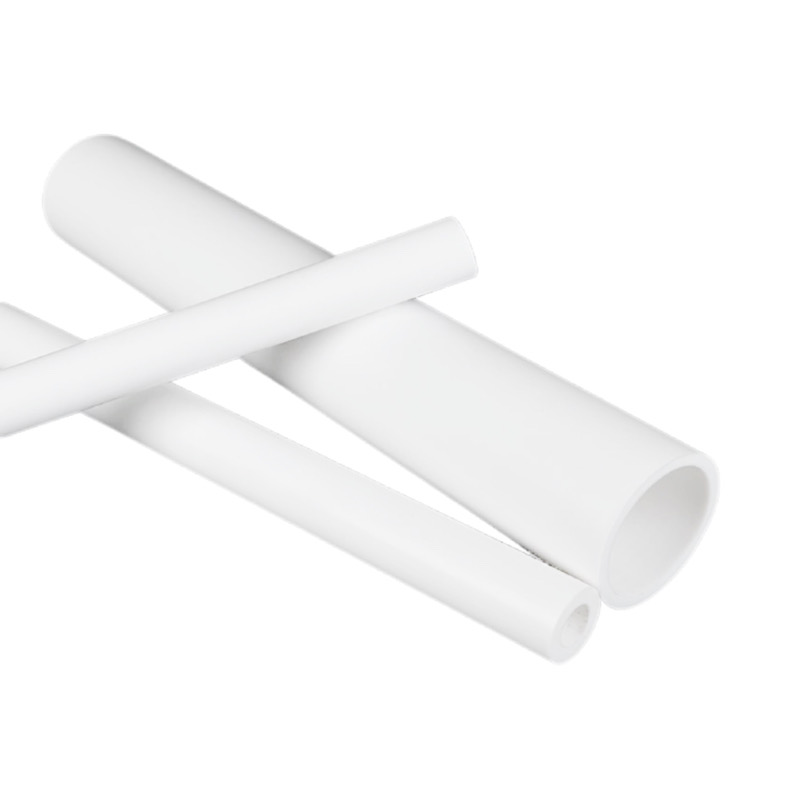
Het product wordt geëxtrudeerd uit een specifieke mal om doorlopende profielen te vormen en is relatief slank en langwerpig.
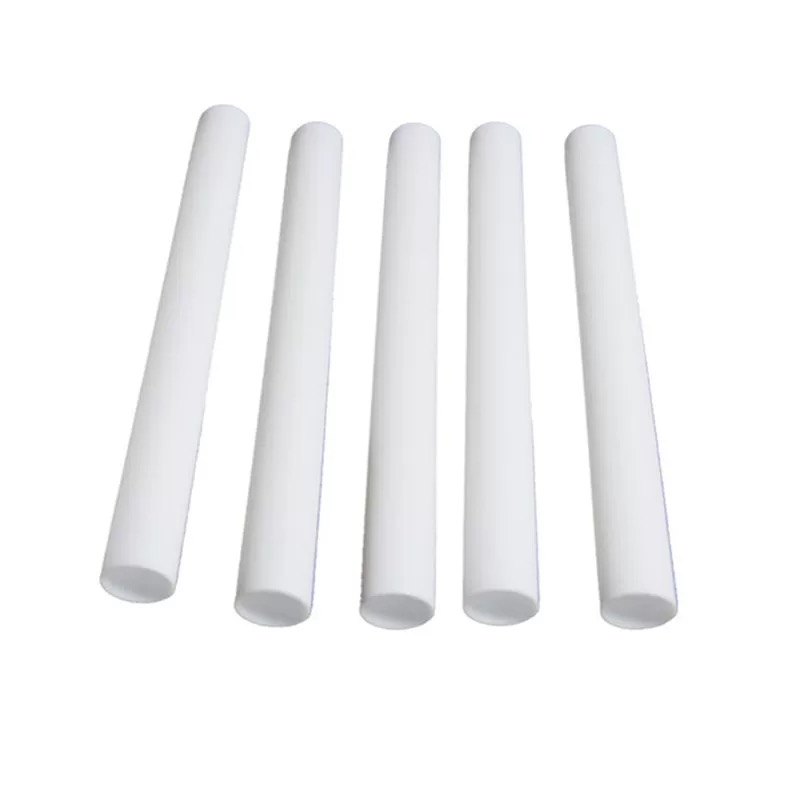
Met behulp van een plunjer wordt druk uitgeoefend, waardoor een slank, stripvormig product ontstaat dat in rollen kan worden gebogen.
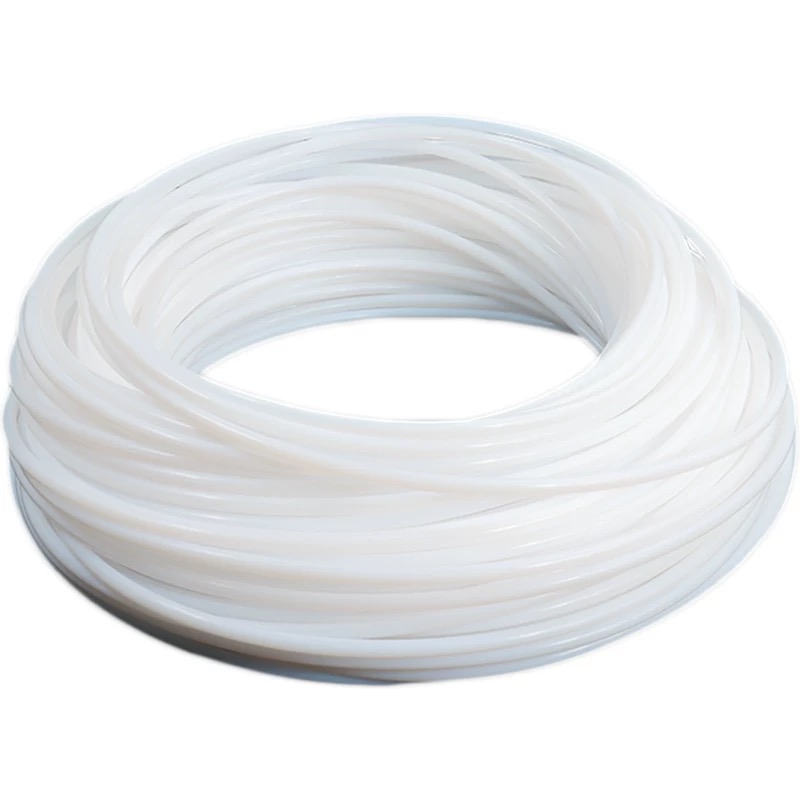
Met een binnendiameter van 0,3–1 mm en een hoge maatnauwkeurigheid valt dit model onder de categorie microslangen.
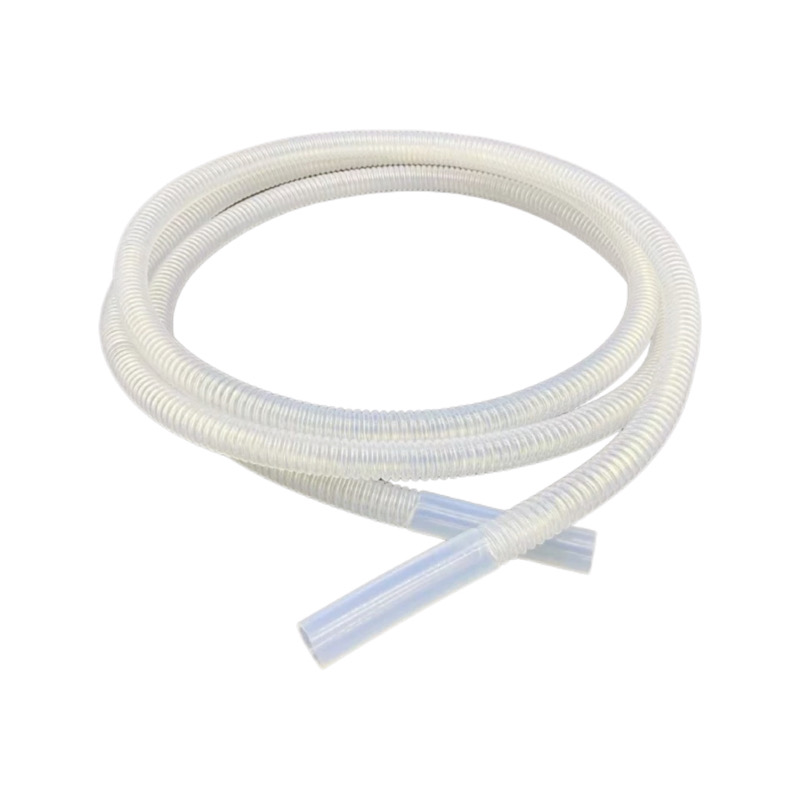
Combineert de corrosiebestendigheid van PTFE met de flexibiliteit en uitzetbaarheid van een gegolfde buis.

Een hoogwaardige buis, bestaande uit een binnenlaag van PTFE en een buitenlaag van gevlochten roestvrij staal, waarbij het roestvrij staal voor drukbestendigheid en bescherming tegen stoten zorgt.
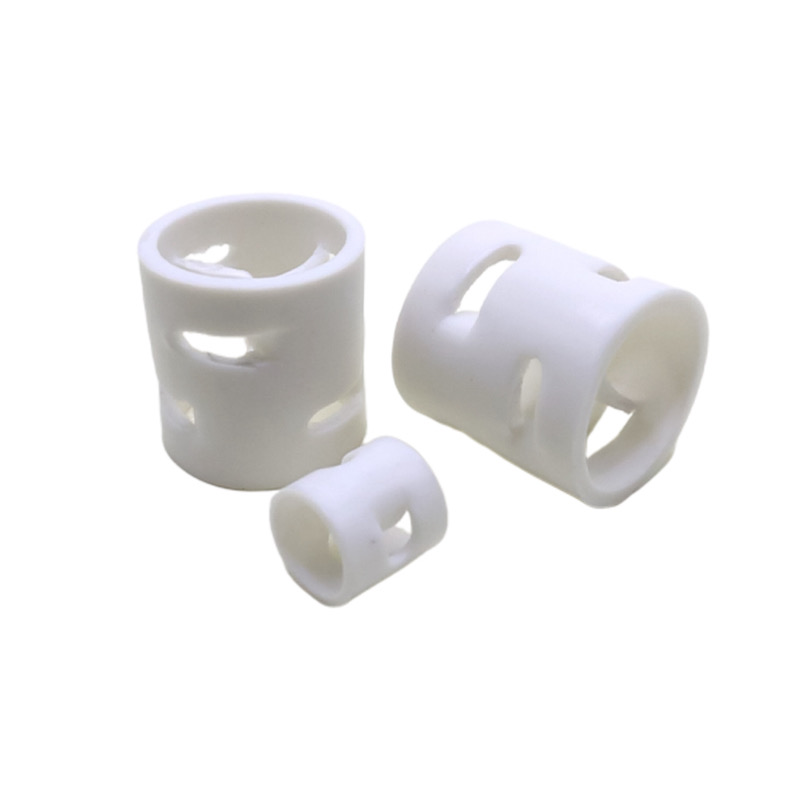
This is a type of chemical packing material, improved from the traditional Raschig ring design to allow better use of the inner surface area.
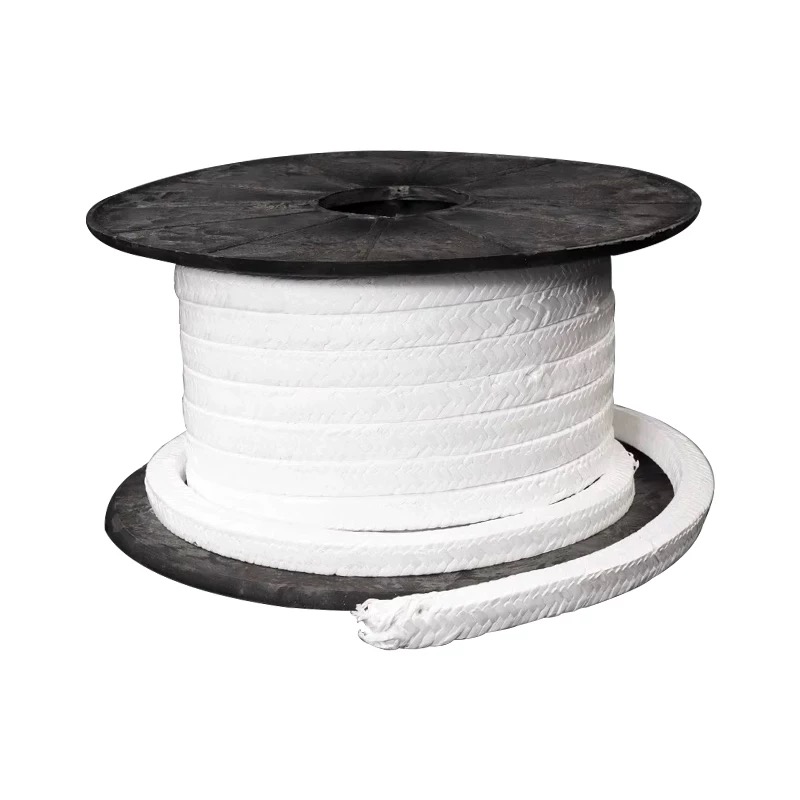
Made from woven PTFE material, it’s mainly used in equipment with rotating or reciprocating motion and is a common material in industrial sealing applications.

It’s a common sealing material in industrial applications, used to fill gaps between mating surfaces of equipment and provide a barrier to prevent leakage.
PTFE-onderdelen
-
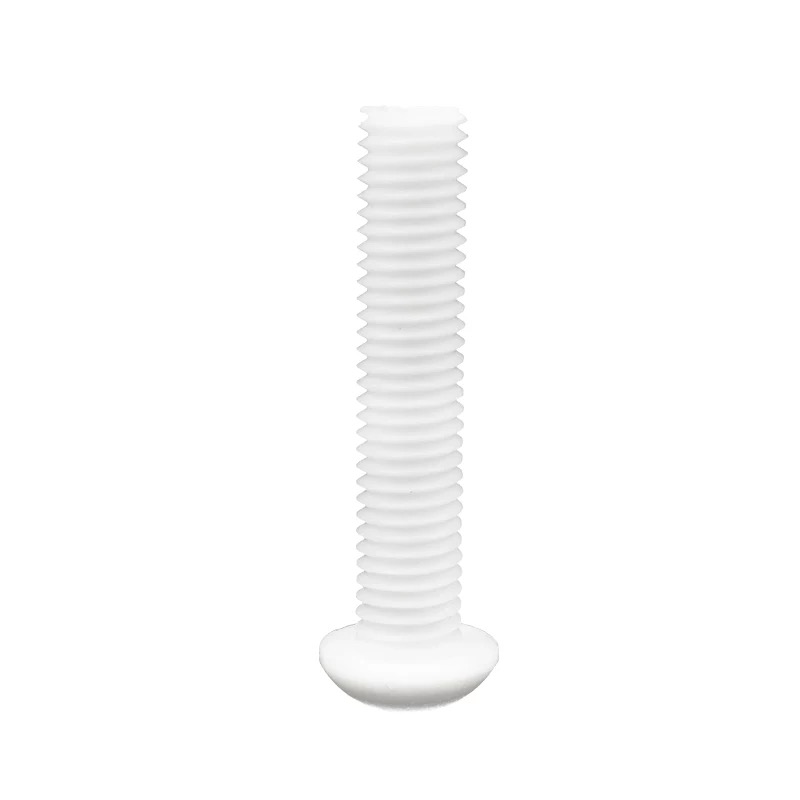 PTFE Screw
PTFE threaded fasteners are used as substitutes for metal screws in special environments due to their excellent chemical resistance, helping to prevent corrosion problems that metal fasteners often face.
-
PTFE Envelope
It provides corrosion protection for the inner substrate while ensuring the sealing surface remains low-friction and non-stick.
-
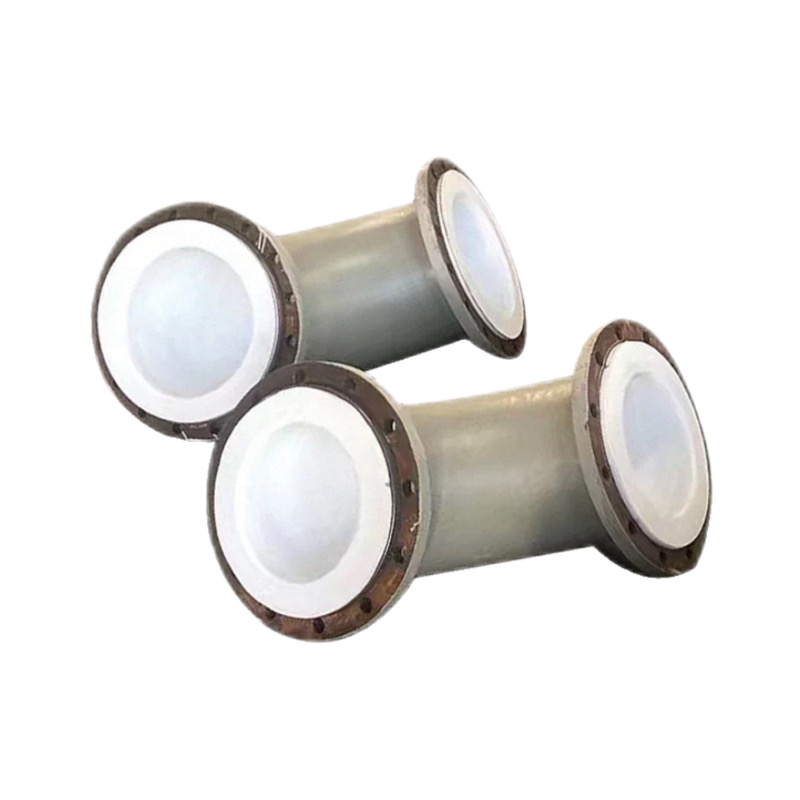 PTFE Lined Pipe
A PTFE tube is lined inside a metal pipe to create a composite pipeline. This design offers excellent corrosion resistance while maintaining strong structural support.
-
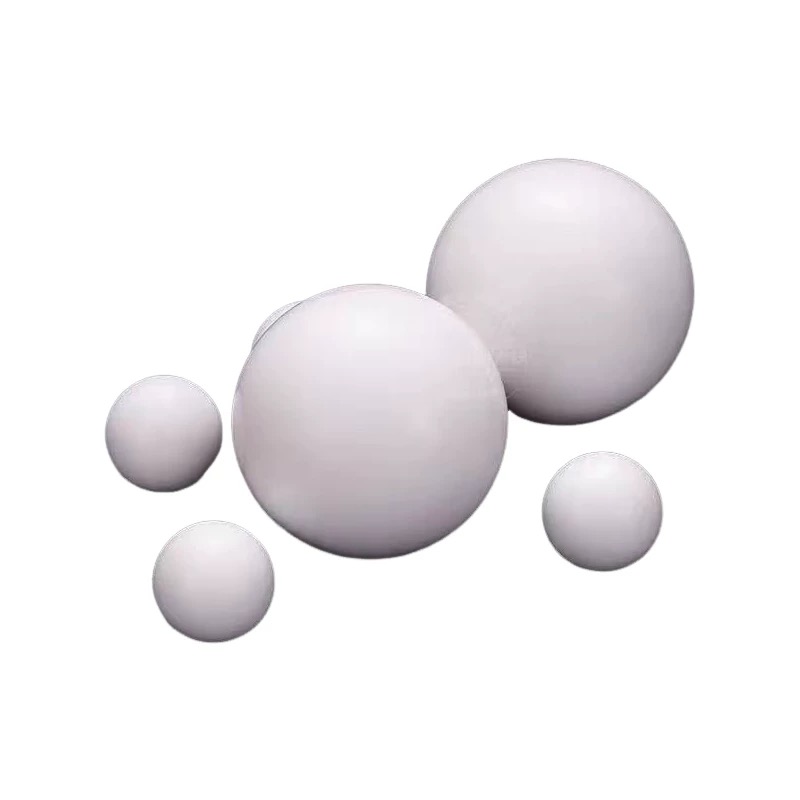 PTFE-bal
Thanks to its low friction and corrosion resistance, it’s widely used in the valve industry, often serving as guide balls or cushioning balls.
Belangrijkste kenmerken van PTFE-buizen

Beschikt over corrosiebestendigheid en is bestand tegen agressieve middelen en de meeste chemische media (pH 0-14).

Heeft een gunstige druk- en kruipweerstand bij omgevingstemperaturen, maar kan bij hogere temperaturen zachter worden. Geschikt voor toepassingen met lage spanningen.

Het operationele bereik varieert van -200°C tot +260°C voor continu gebruik, met een kortstondige blootstellingstolerantie tot 300°C.

Wrijvingscoëfficiënt (COF) van slechts 0,04, met een glad oppervlak en zelf-smerende eigenschappen, waardoor er geen externe smeermiddelen nodig zijn.

 Dutch
Dutch  English
  Arabic
  Tibetan
  German
  Spanish
  French
  Hindi
Hindi  Indonesian
  Italian
  Japanese
  Korean
  Portuguese
  Thai
Thai  Russian
  Swedish
  Chinese