


Why HANSA for Custom PEEK Parts
- Fully In-House CNC Machining: Every PEEK part is machined in our own facility, with full control over quality and schedule.
- Precision Machining Capability: Tolerances down to ±0.01 mm on selected features, verified by CMM inspection.
- Fast, Dependable Lead Times: Typical prototypes in 5–7 working days; small first orders accepted.
- Certified Quality & Documentation: ISO quality system; material certificates and inspection reports with every shipment.
- All PEEK Grades Available: Unfilled, glass/carbon-fiber reinforced, bearing and medical grade PEEK.
- Engineering Support & Free Samples: Material selection, DFM feedback and free samples before you commit.
A Leading PEEK Machining Parts Manufacturer in China
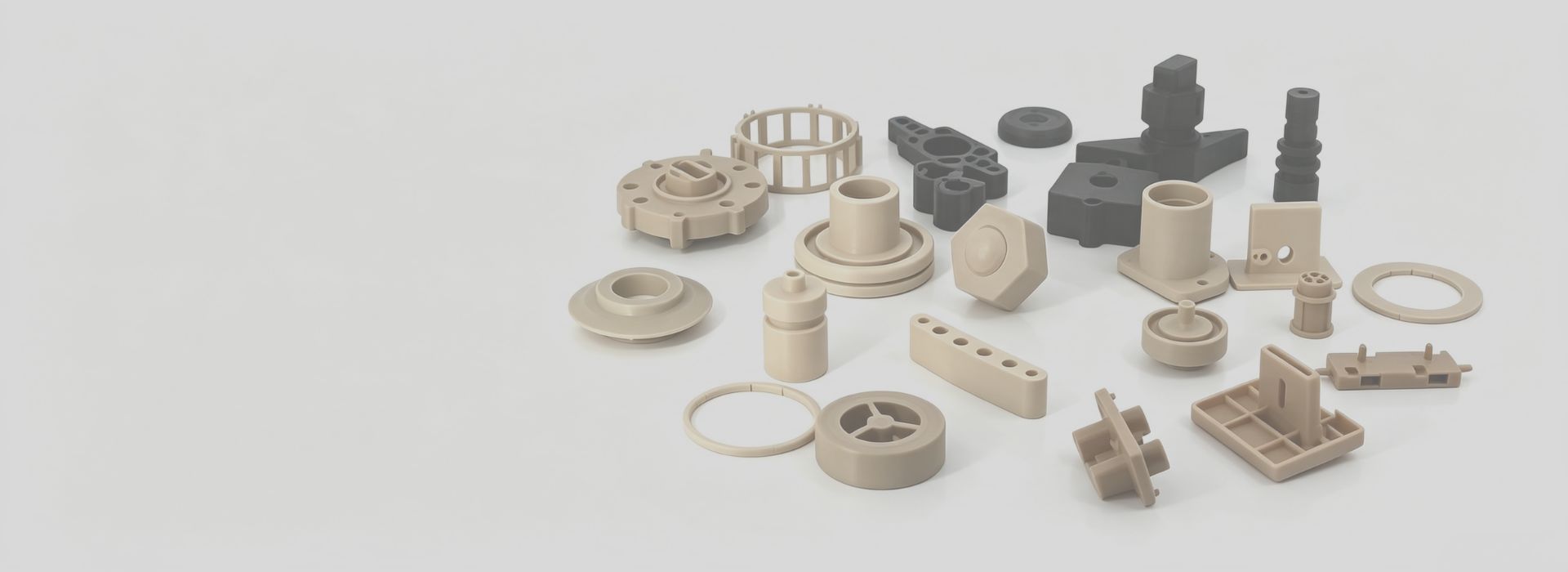
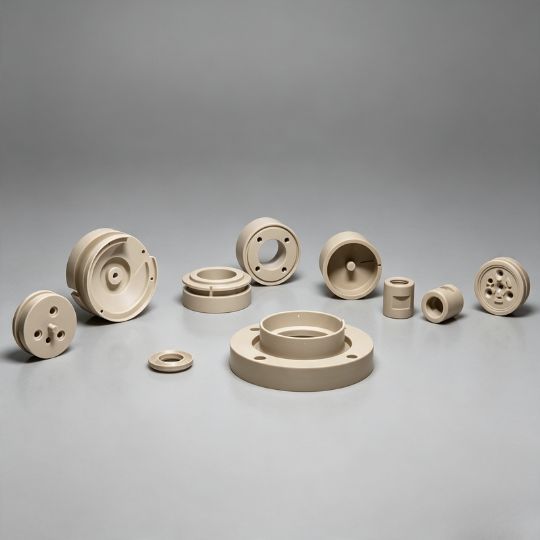
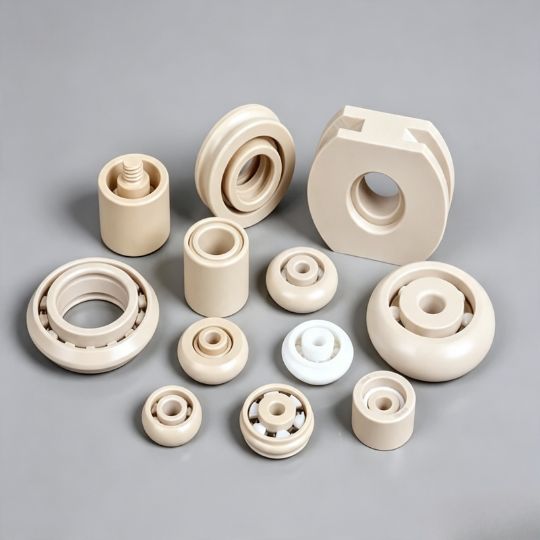
As a manufacturer of high-performance plastic components, Hansa specializes in custom PEEK parts and precision CNC machining. We produce PEEK components for semiconductor equipment, medical devices, industrial machinery, sealing systems and other demanding applications. From material selection and machining to finishing and inspection, we provide a complete manufacturing service based on your drawings, 3D models or samples.
Need raw stock for your own production? We also supply certified semi-finished material cut to size: PEEK sheets, PEEK rods, and PEEK tubes.
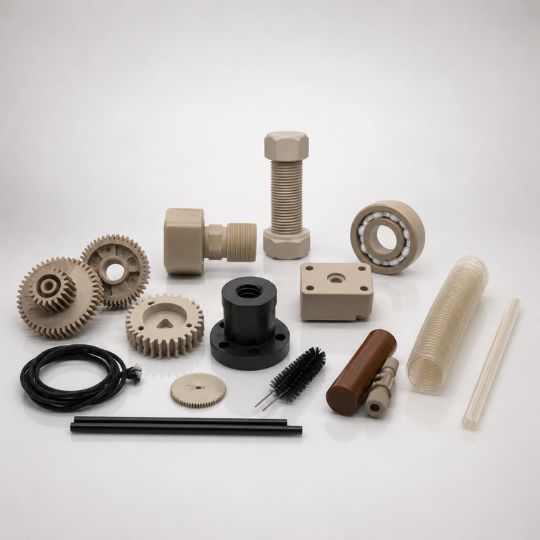
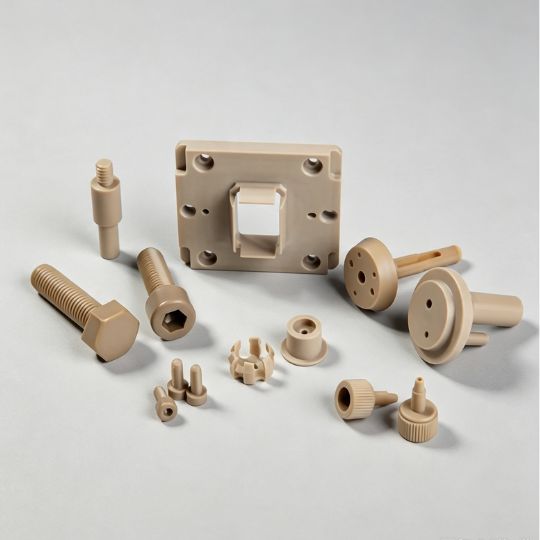
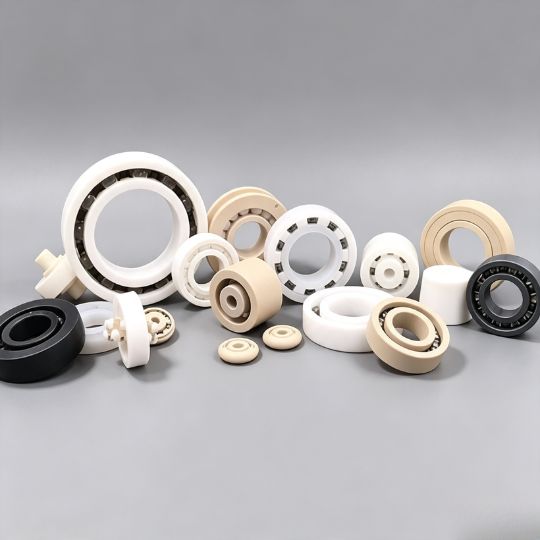
PEEK Parts We Manufacture
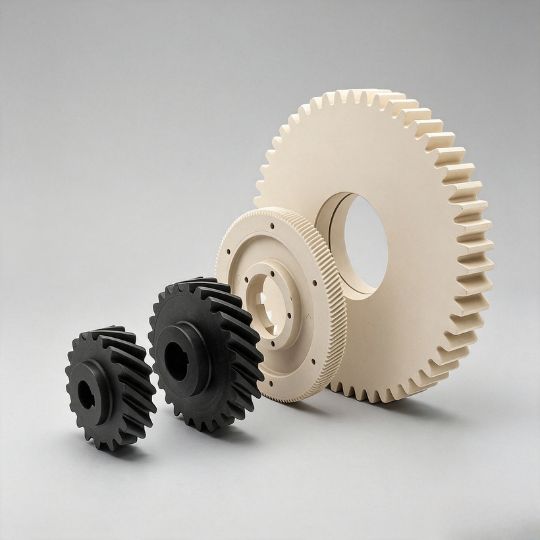
Every type below can be machined from your drawing, 3D model or sample — in the grade, size and quantity you need. Each family links to a dedicated page with more detail.
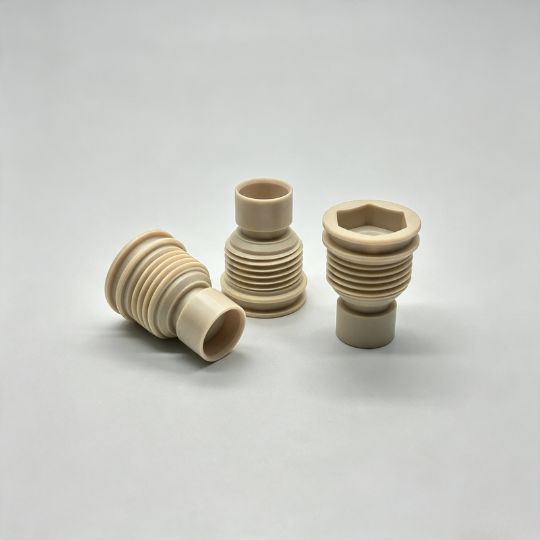
Any geometry from your drawings, 3D models or legacy samples — one piece or thousands.
PEEK Grades We Machine
The right grade depends on your operating conditions — temperature, media, load and regulatory requirements. We help you select, and confirm material properties for your specific application.
-
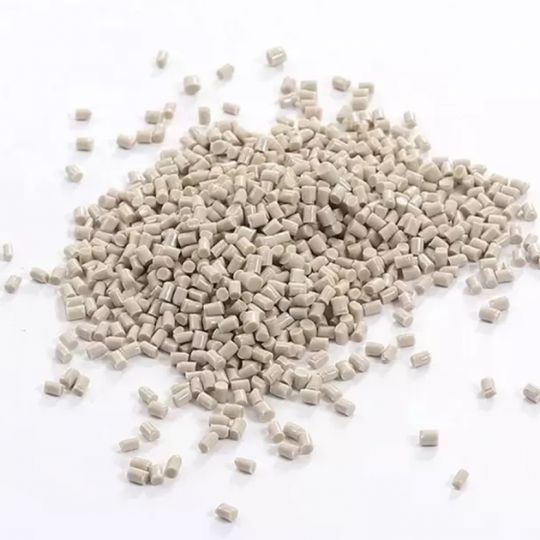 Unfilled (Virgin) PEEK
Best toughness and elongation. The standard choice for FDA food-contact and many medical applications.
-
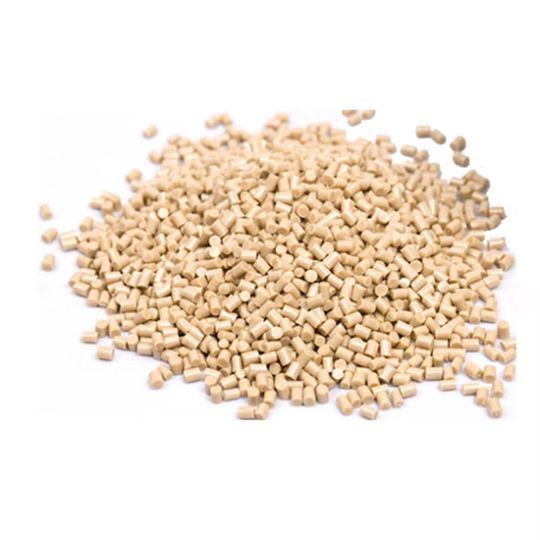 Glass-Fiber Reinforced PEEK
Higher stiffness and dimensional stability with lower thermal expansion for structural parts.
-
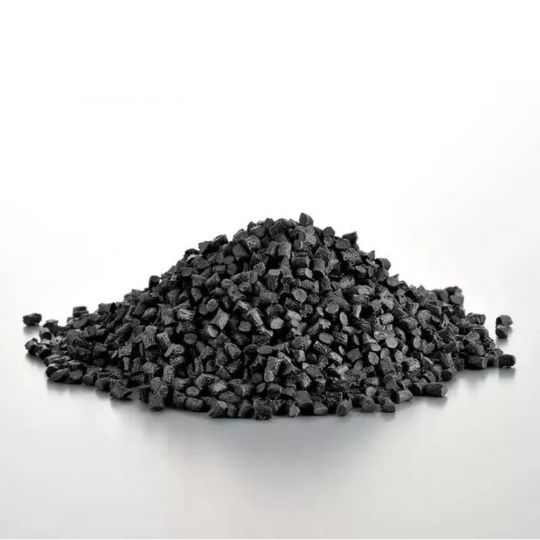 Carbon-Fiber Reinforced PEEK
Highest strength and lowest wear, with static-dissipative behavior for sliding and semiconductor parts.
-
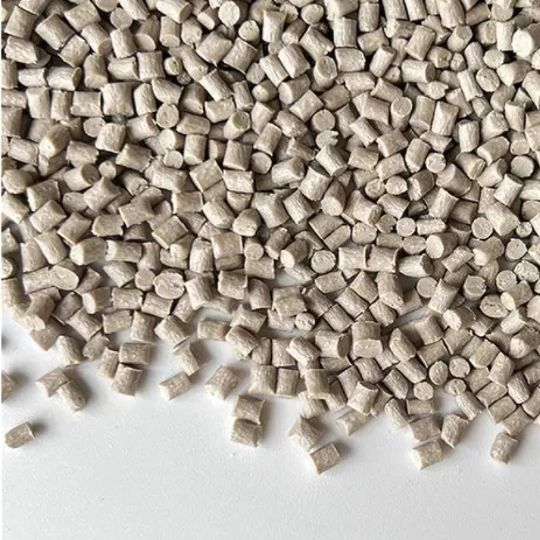 Bearing Grade PEEK
Formulated with internal lubricants for dry-running, high-load wear applications such as bushings and thrust washers.
-
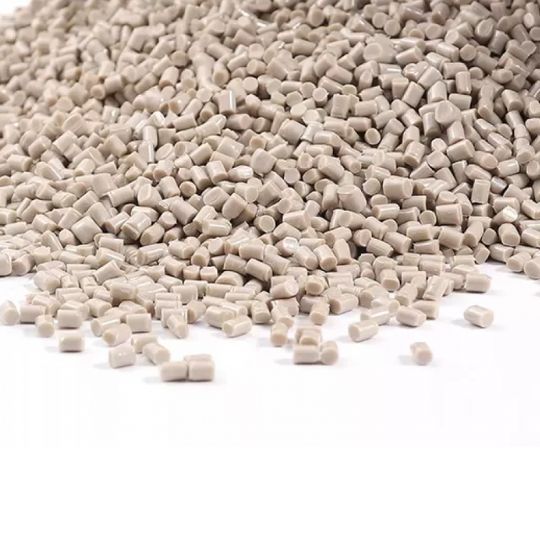 Medical Grade PEEK
Available with biocompatibility testing documentation for implantable and instrument applications.
Custom PEEK Machining Services
PEEK is a demanding material to machine — it holds heat, moves with temperature, and needs the right tooling and parameters to avoid stress cracks and dimensional drift. Because we machine PEEK every day, we control every step of the process:
- CNC turning & milling
- Drilling, threading & tapping
- Deburring & edge finishing
- Surface finishing & polishing
Quality & Inspection
Every PEEK part leaving our workshop goes through a documented process — so your incoming inspection is quick and painless:
- Incoming material verification against certificate of analysis
- Pre-conditioning of PEEK stock before cutting
- CNC machining with parameters optimized for PEEK
- Deburring, finishing and secondary operations as required
- Dimensional inspection (CMM / projection) and visual check
- Material certificate + inspection report shipped with your order
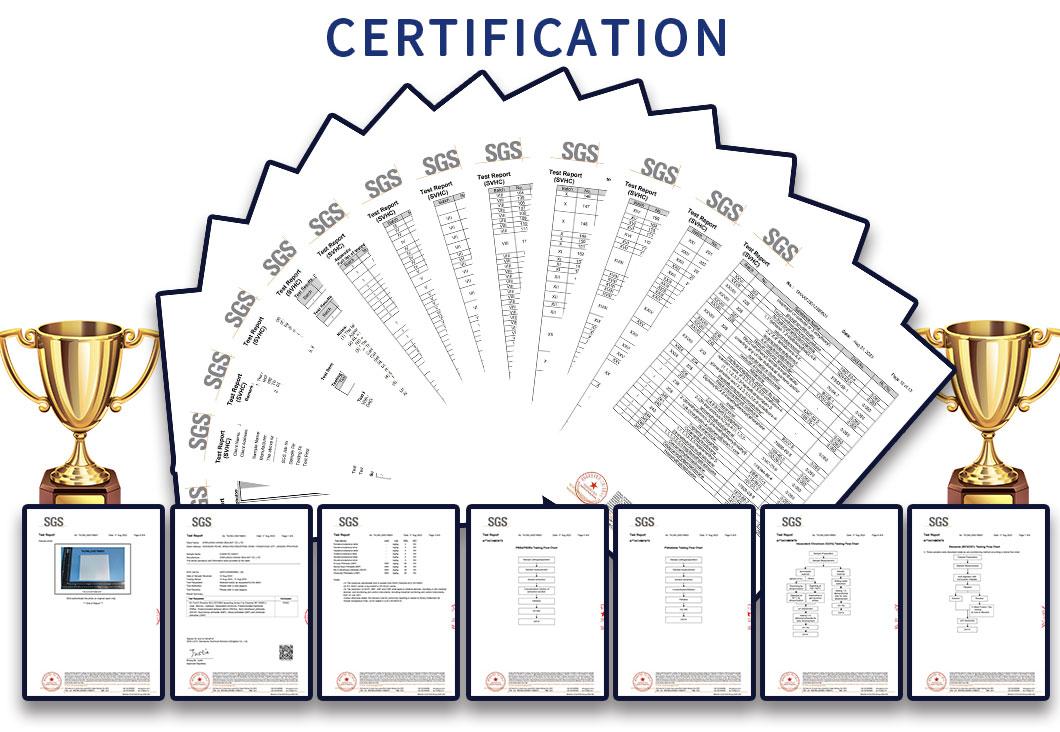
We operate an ISO quality system, and FDA food-contact and RoHS compliant grades are available with supporting documentation.
PEEK Parts Applications by Industry
If your environment is hot, chemical, sterile or vacuum — we have probably made PEEK parts for it.
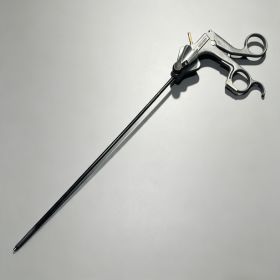
Surgical instruments, sterilizable housings, instrument components with FDA documentation.
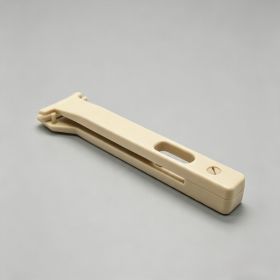
Wafer-handling fixtures, insulators, vacuum-compatible parts with low outgassing.

Lightweight brackets, bushings and seals with inherent flame resistance.

Valve seats, backup rings and downhole components resisting pressure, chemicals and erosion.

FDA-compliant rollers, seals and guides that withstand steam cleaning and hot water.
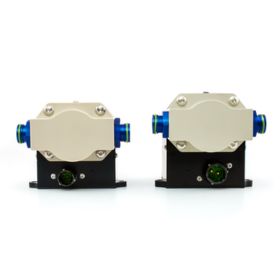
Pump and valve components exposed to aggressive media at elevated temperatures.

Weight-reducing, oil- and heat-resistant parts for powertrain and under-hood applications.
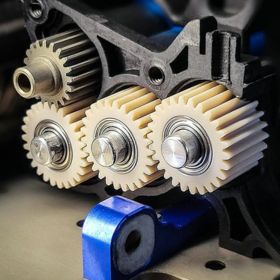
Bearings, gears, wear pads and custom machined components for machinery worldwide.
Typical Properties of Selected PEEK Grades
Reference data for the PEEK grades we machine most often. Contact us for full technical documentation.
- गुण
| संपत्ति | Unfilled PEEK | Glass-Fiber Reinforced PEEK | Carbon-Fiber Reinforced PEEK | Bearing Grade PEEK |
| Density (g/cm³) | 1.30 – 1.32 | ~1.51 | ~1.40 | ~1.45 |
| Tensile strength (MPa) | 90 – 100 | ~150 | ~190 | ~100 |
| ब्रेक पर बढ़ाव (%) | 30 – 40 | ~2.5 | ~1.5 | ~3 |
| Melting point (°C) | ~343 | |||
| Continuous service temperature (°C) | Up to 260, depending on grade and application conditions (short-term to 300) | |||
| Key strengths | Best toughness & elongation; FDA food-contact grades | Higher stiffness & dimensional stability | Highest strength, low wear, static dissipative | Optimized for dry-running sliding & high-load wear |
Values are typical ranges and may vary by grade, supplier and formulation. Final properties depend on part geometry and processing — our engineers will confirm data for your specific application.
Prototypes are typically machined within 5–7 working days after drawing confirmation. Production orders usually run 10–15 working days depending on quantity and complexity. For standard-configuration PEEK parts held in stock, we can ship within 7 days. Urgent projects can be prioritized — just tell us your deadline.
There is no MOQ for prototype PEEK parts — we regularly make single test pieces. For production quantities, the MOQ is negotiable and typically starts at 10–100 pieces depending on part size and machining time. New projects can start small.
Yes. We machine PEEK parts from 2D drawings, 3D models (STEP, IGES, STL) and PDF prints, and we can also work from physical samples through our reverse-engineering service. Our engineers review the design, suggest DFM improvements and confirm tolerances before production starts.
Our standard machining tolerance is ±0.05 mm, with selected critical features held down to ±0.01 mm depending on part geometry. Because PEEK has a higher thermal expansion coefficient than metal, we take operating temperature into account when setting tolerances — something many shops overlook.
Unfilled PEEK offers the best toughness and elongation and is the standard for FDA food-contact and medical applications. Glass-fiber reinforced PEEK adds stiffness and dimensional stability for structural parts. Carbon-fiber reinforced PEEK gives the highest strength, lowest wear and static-dissipative properties for sliding or semiconductor parts. Bearing-grade compounds suit dry-running, high-load applications. Send us your operating conditions and we will recommend the right grade.
Unfilled PEEK grades comply with FDA regulation 21 CFR 177.2415 for repeated food-contact use. For medical devices, medical-grade PEEK parts are available with biocompatibility testing documentation as required by your application. Certificates are supplied with the order.
Both are high-performance plastics, but they serve different roles. PEEK is far stronger, harder and stiffer, handles higher loads and temperatures, and resists creep — ideal for structural, load-bearing and precision parts. PTFE offers very low friction and is cheaper, but it is soft and deforms under load. If your part carries load or needs tight tolerances, choose PEEK; for low-friction linings and seals without load, PTFE sheets and parts are a cost-effective option. For a detailed comparison, read our guide on PEEK vs PTFE.
CNC machining is our core process for PEEK parts and covers most custom orders, including prototypes, low volumes and tight tolerances. For higher volumes, molding can be a cost-effective alternative — tell us your annual quantity and part geometry, and we will recommend the most economical process. If molding is right for your project, we can discuss options and qualification samples.
The price depends on the PEEK grade (raw material cost), part size and complexity (machining time), quantity (volume price breaks), and any special finishing or testing requirements. Send us your drawing and quantity, and we will return a detailed quotation within 24 hours.
Yes. Every shipment of PEEK parts includes a material certificate and a dimensional inspection report. FDA/RoHS compliance documentation is available on request, and we can arrange third-party testing for regulated industries such as medical devices and aerospace.
How to Source Custom PEEK Parts: A Practical Guide
Why Engineers Choose PEEK Parts
PEEK (polyetheretherketone) is a semi-crystalline, high-performance thermoplastic used where standard plastics and even metals fail: high temperatures, aggressive chemicals, continuous wear, and weight-sensitive designs. PEEK parts are specified in semiconductor equipment, medical devices, aerospace, oil & gas and food processing because one material delivers heat resistance, chemical resistance, mechanical strength and low weight together.
Machining Is the Practical Route for Most Custom PEEK Parts
For custom PEEK parts in prototype, low-volume or precision applications, CNC machining is the standard route: it holds tight tolerances, works for any geometry, and needs no tooling investment. PEEK machines well when the right parameters are used — sharp carbide tooling, controlled cutting speeds and proper chip evacuation — which is why machining experience matters when choosing a supplier. PEEK has a higher thermal expansion coefficient than metal, so tolerances must account for operating temperature. Thin-wall features may need support during machining, and press-fit assemblies require allowance for expansion. A good supplier will give you DFM feedback before cutting material — PEEK raw material is expensive, and good design minimizes waste.
Selecting the Right PEEK Grade
Grade selection depends on your operating conditions. Unfilled PEEK suits general, food-contact and medical applications. Glass-fiber reinforced PEEK adds stiffness for structural parts. Carbon-fiber reinforced PEEK provides the highest strength and static-dissipative behavior for sliding and semiconductor parts. Bearing-grade compounds handle dry-running, high-load wear. When you send us your parameters — temperature, media, load, sterilization cycles — we recommend the most cost-effective grade and confirm properties for your specific application.
From Drawing to Delivery: How a PEEK Parts Project Runs
Working with us follows a simple, transparent flow. Send your drawing or 3D model with quantity and target date — you get a detailed quotation within 24 hours. Our engineers review the design and give DFM feedback before any material is cut. After you approve the quote, we machine a sample (or small pilot batch) for your validation, then move to production with in-process inspection at each stage. Every shipment includes the material certificate and dimensional inspection report, so your incoming QC is quick. For repeat orders, we keep your part program and inspection criteria on file for consistent batch-to-batch quality.
What to Ask a PEEK Parts Supplier
1.Confirm they actually manufacture. Ask about in-house CNC capability and material handling, not just reselling.
2.Check documentation. Material certificates, dimensional reports and ISO/FDA/RoHS compliance matter for regulated industries.
3.Ask about PEEK experience. PEEK is difficult to machine well; experience shows in tolerances and consistency.
4.Verify lead times and MOQ flexibility. A supplier who supports prototypes and small orders today is a partner for your production ramp tomorrow.
5.Request a sample. Free samples let you verify quality before committing — we offer them routinely.
Start Your PEEK Parts Project
Send us your drawing, 3D model or sample. You will receive a detailed quote within 24 hours, engineering feedback on your design, and a free sample to verify quality before you commit. That is how a PEEK parts project should start.

 Hindi
Hindi  English
  Arabic
  Tibetan
  German
  Spanish
  French
  Indonesian
  Italian
  Japanese
  Korean
  Dutch
Dutch  Portuguese
  Thai
Thai  Russian
  Swedish
  Chinese