




PTFE-Platten von Hansa
- Verwendung: Dichtungen und Schmiermittel für den Einsatz in einer Vielzahl von Medien sowie elektrische Isolierung für den Einsatz bei verschiedenen Frequenzen. Kondensatormedien, Drahtisolierung, Isolierung elektrischer Instrumente.
- Chemische Verarbeitungsgeräte, Dichtungen/Auskleidungen für Rohrleitungen, Ventile und Reaktoren
- Flanschdichtungssysteme, Hochtemperatur-/Hochdruckdichtungen (HTHP)
- Verschleißfeste Komponenten, Reibungsarme Verschleißpads für Linearführungen und Lager
- Korrosionsbeständige Auskleidungen, Auskleidungen für Säuretanks/Galvanikbäder (z. B. beständig gegen Schwefel-/Salpetersäure)
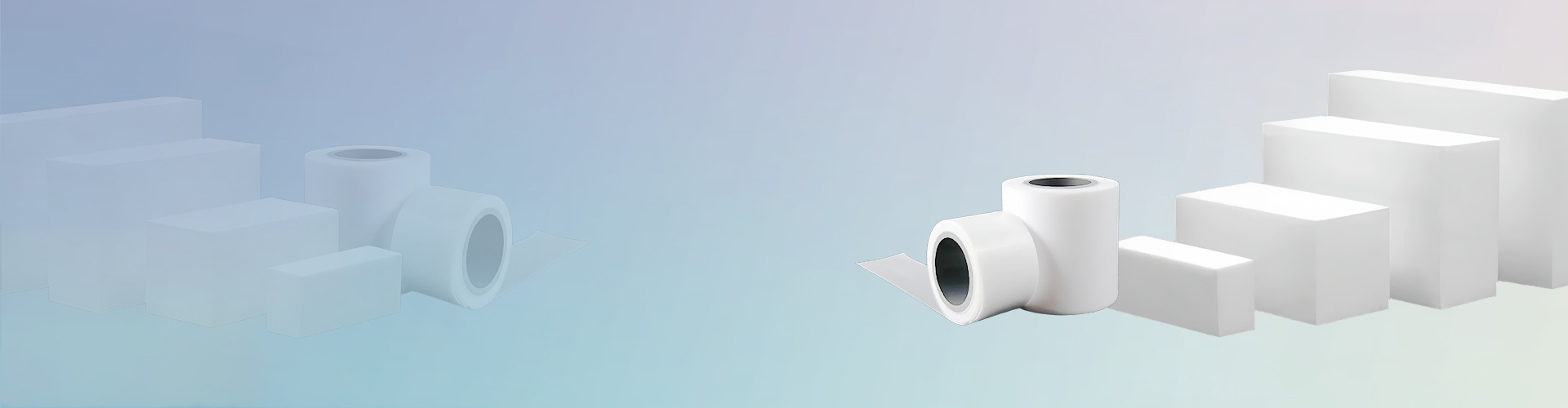
HANSA PTFE-Platten
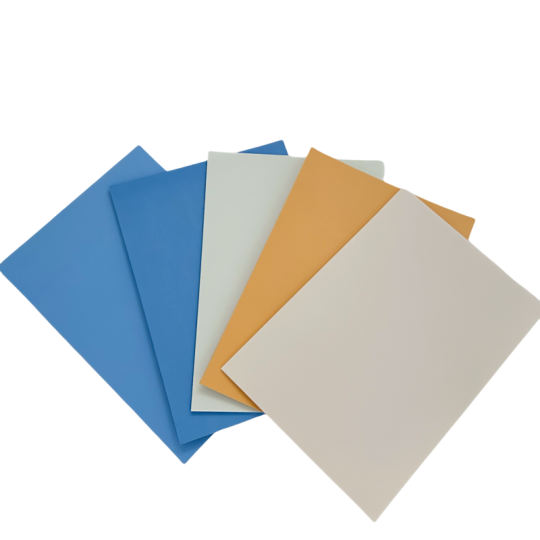
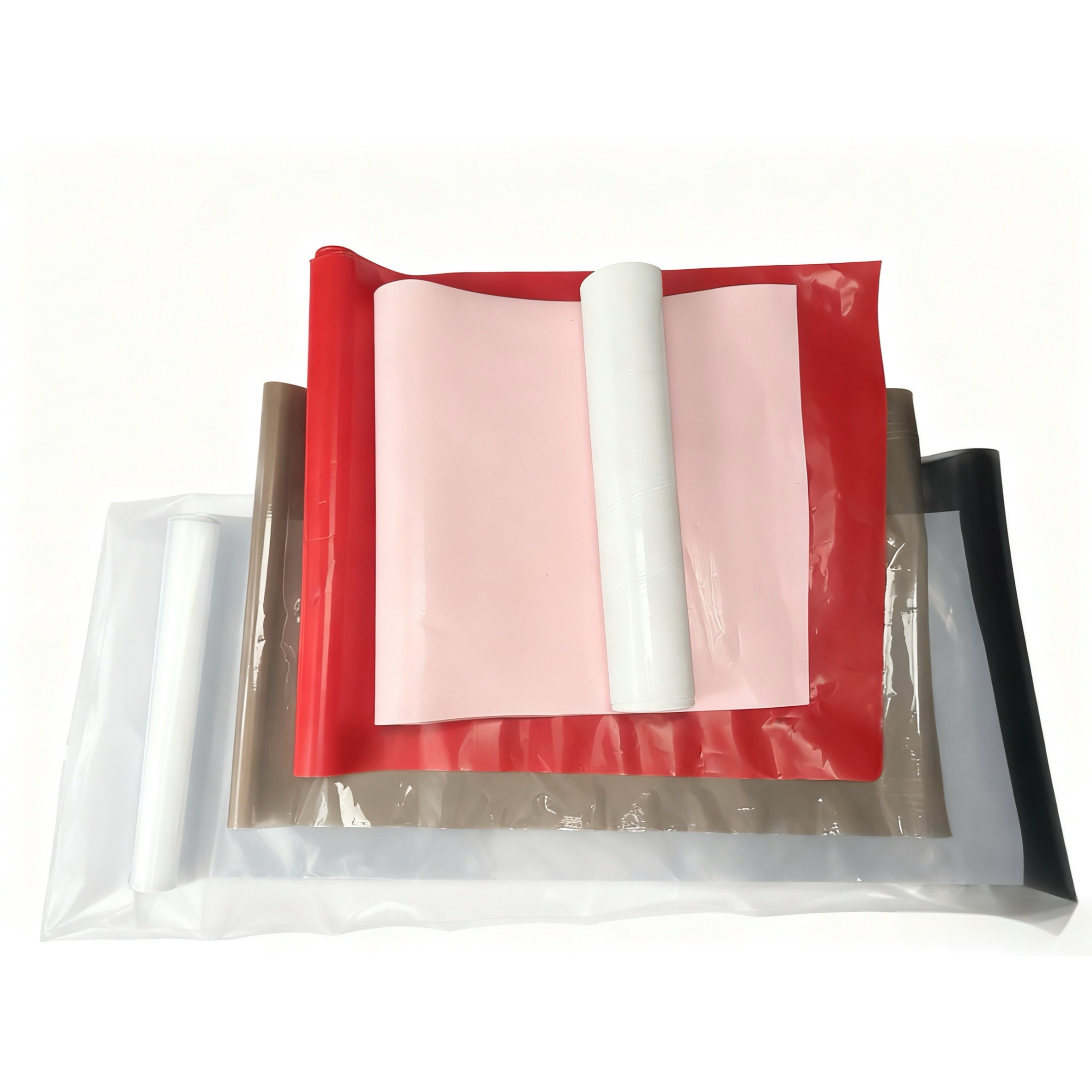
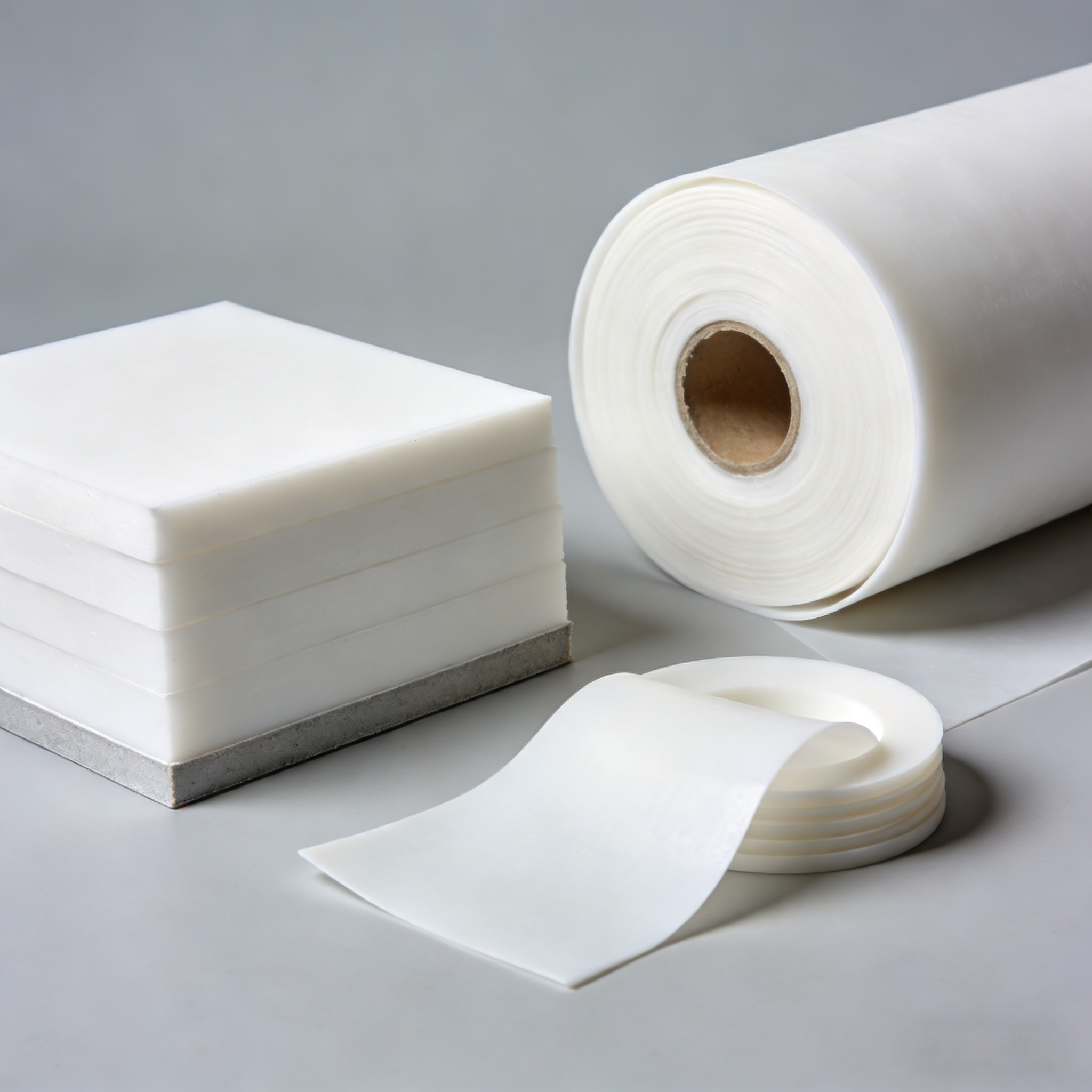
Hansa beliefert Sie mit verschiedenen PTFE-Platten und -Folien. Ob Rollenware, verstärkte PTFE-Platten oder zugeschnitten – wir liefern Ihnen stets das passende Material. Egal ob Größe, Farbe, Typ oder Dicke – senden Sie uns einfach Ihre Anfrage und erhalten Sie ein kostenloses Muster zur Qualitätsprüfung.
General-purpose PTFE sheets have a temperature resistance range of -180 to 260 degrees Celsius, making them suitable for most industrial applications. They have a low coefficient of friction, and their most notable characteristic is their chemical inertness, meaning they react with almost no chemical substances.
More Different Types Of PTFE Sheet You can Order From Hansa
Es gibt verschiedene Arten von PTFE-Platten, die auf verschiedene Arten kategorisiert werden können: 1. Nach Herstellungsverfahren 2. Nach Füllstoffen/Modifikationen 3. Nach Farbe 4. Nach Anwendung 5. Nach Spezifikationen 6. Sondertypen – einschließlich poröser PTFE-Platten (allgemein bekannt als „expandierte PTFE-Platten“)
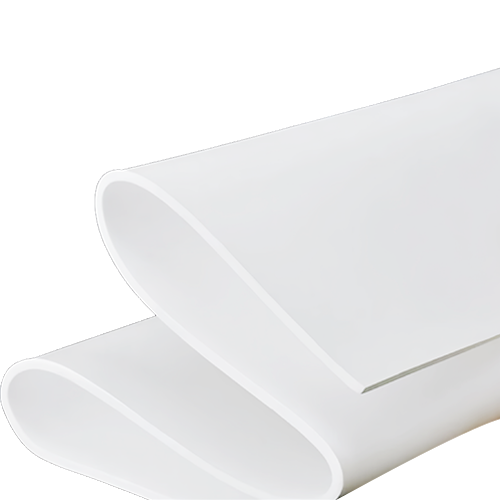
Eine durch einen Dehnungsprozess hergestellte mikroporöse Struktur, die in der Filtration, bei atmungsaktiven Membrananwendungen und in der Biomedizin eingesetzt wird.
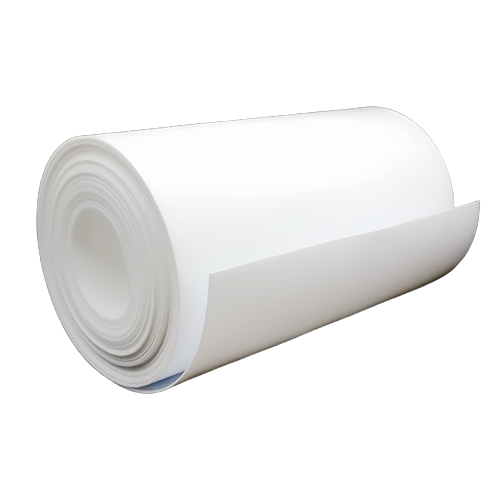
Größe kann individuell angepasst werden, Einzelhandel ist zulässig. Die maximale Breite beträgt ca. 3 Meter, die maximale Dicke kann 10 mm+ erreichen
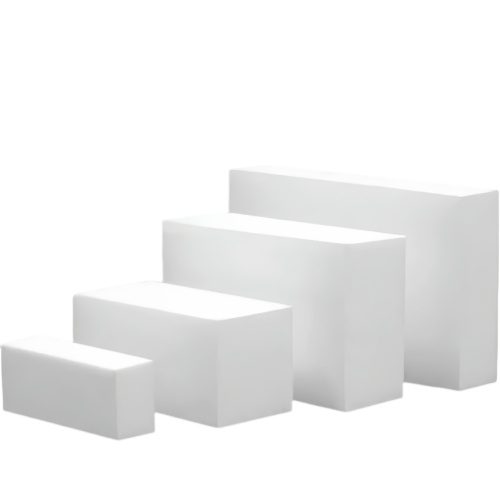
Größe kann individuell angepasst werden, Einzelhandel ist zulässig. Die maximale Breite kann 2 Meter erreichen, die maximale Dicke liegt bei etwa 600 mm.
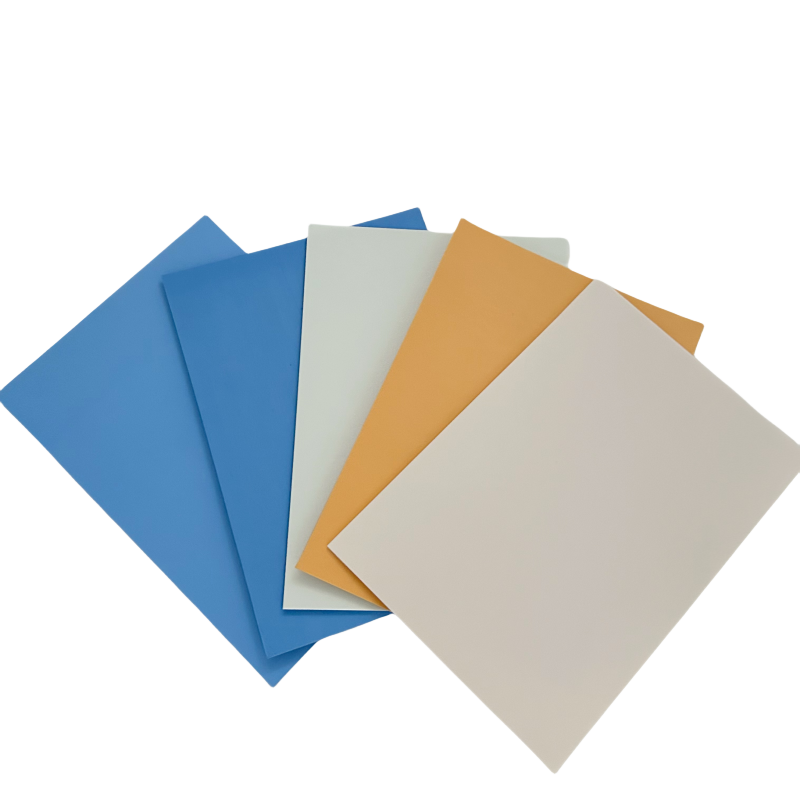
Spezielle Füllstoffformulierungen zur Kaltflussminderung in PTFE mit blauen Glasmikrokügelchen, weißem Bariumsulfat und gelber Kieselsäure.
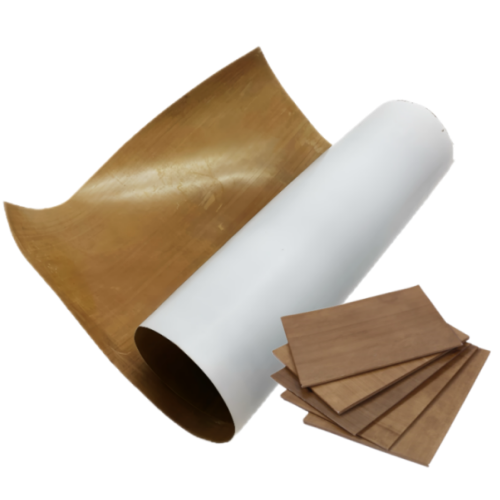
Die Oberfläche von Polytetrafluorethylen ist nach der Natriumbehandlung hydrophil und kann mit gewöhnlichem Klebstoff verbunden werden, um den Anwendungsbereich zu erweitern.

Hergestellt im Extrusionsformverfahren, geeignet für dünnere Blechanwendungen mit hoher Produktionseffizienz.
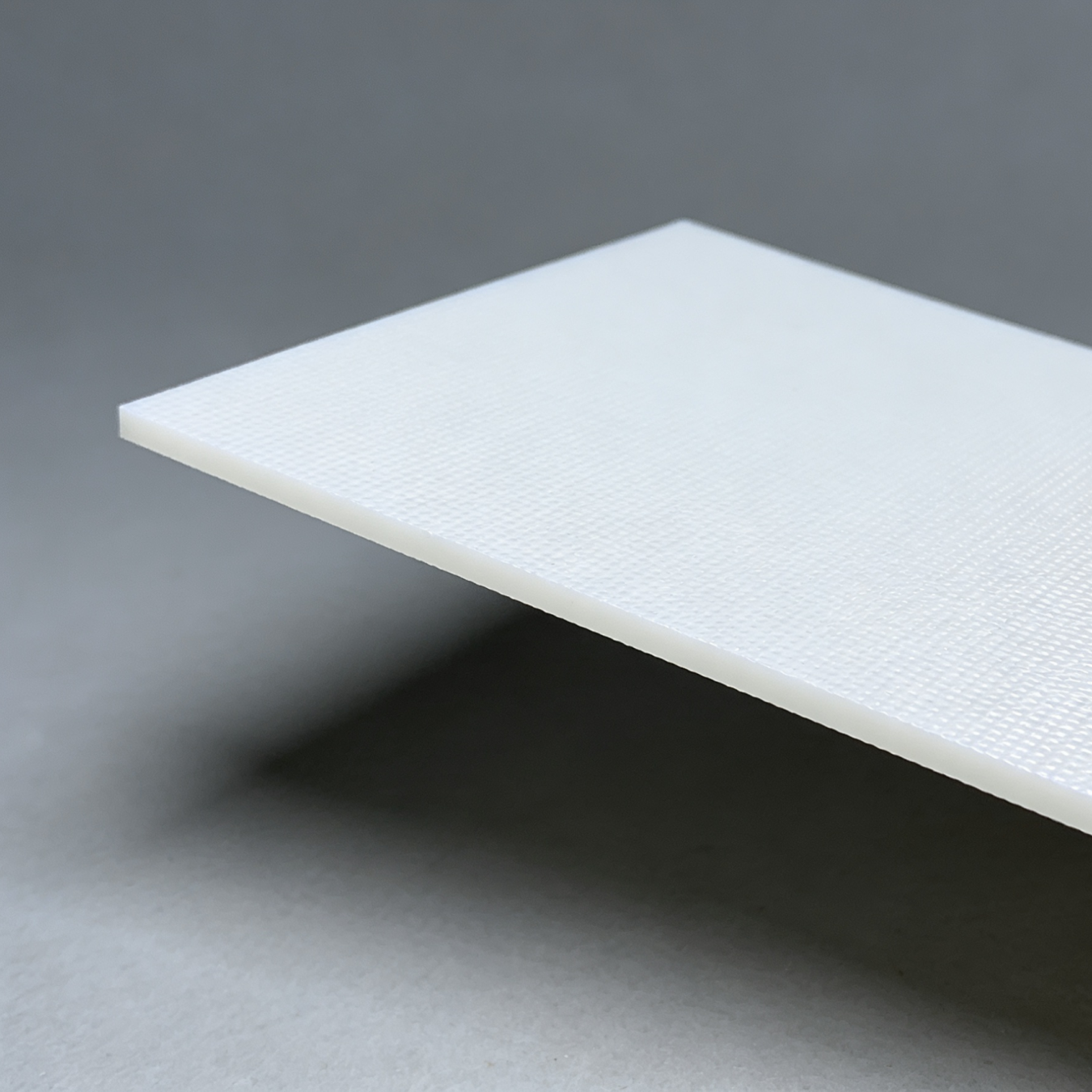
In fact, it involves bonding a fiberglass cloth to one surface of a PTFE skived sheet, giving it the ability to adhere to other surfaces and simultaneously overcoming the limitation of PTFE’s inability to be welded.
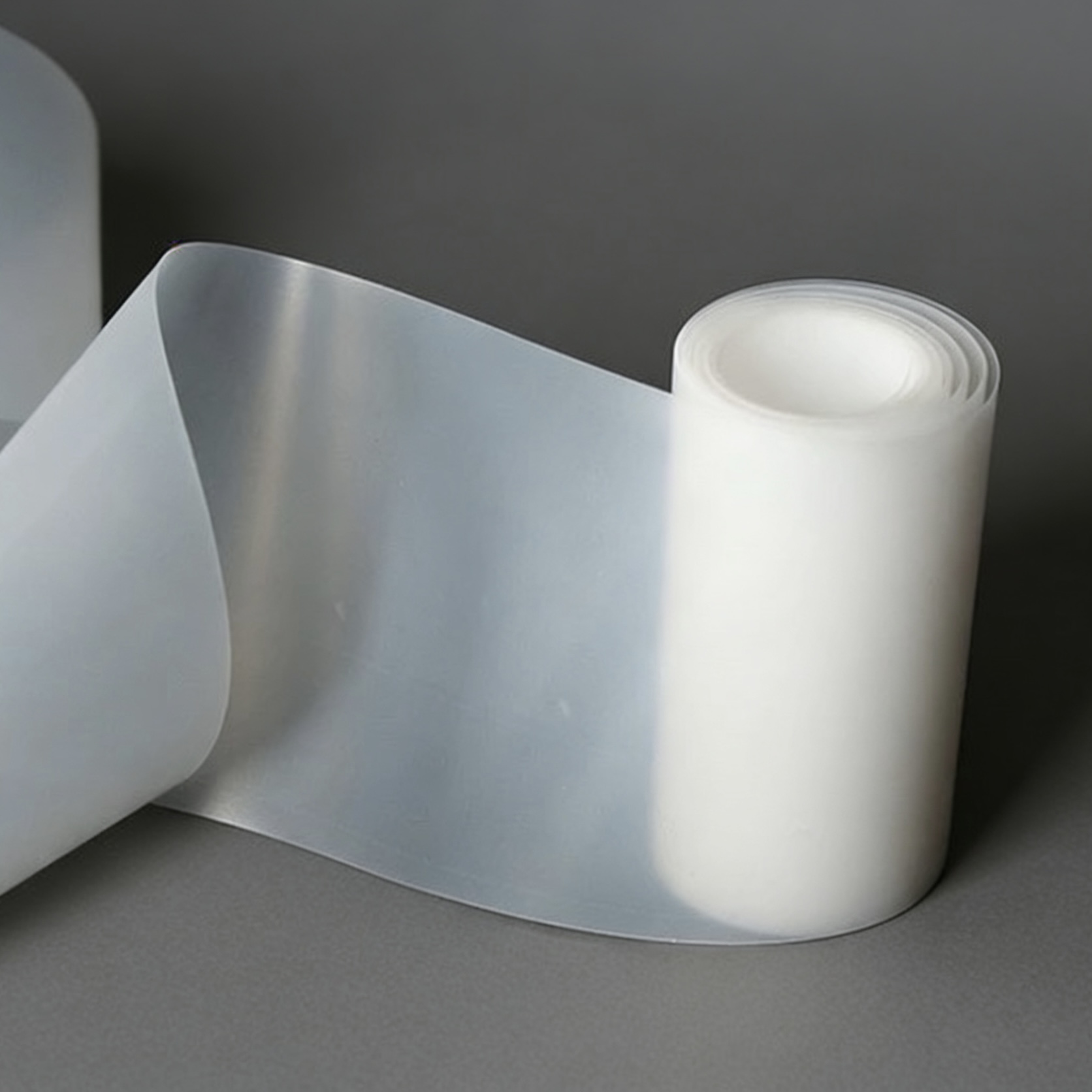
This is commonly used in the electronics industry, particularly in the flat panel display industry. Due to PTFE’s excellent high-temperature resistance and impact resistance, it effectively prevents conductive adhesive from overflowing and contaminating the substrate.
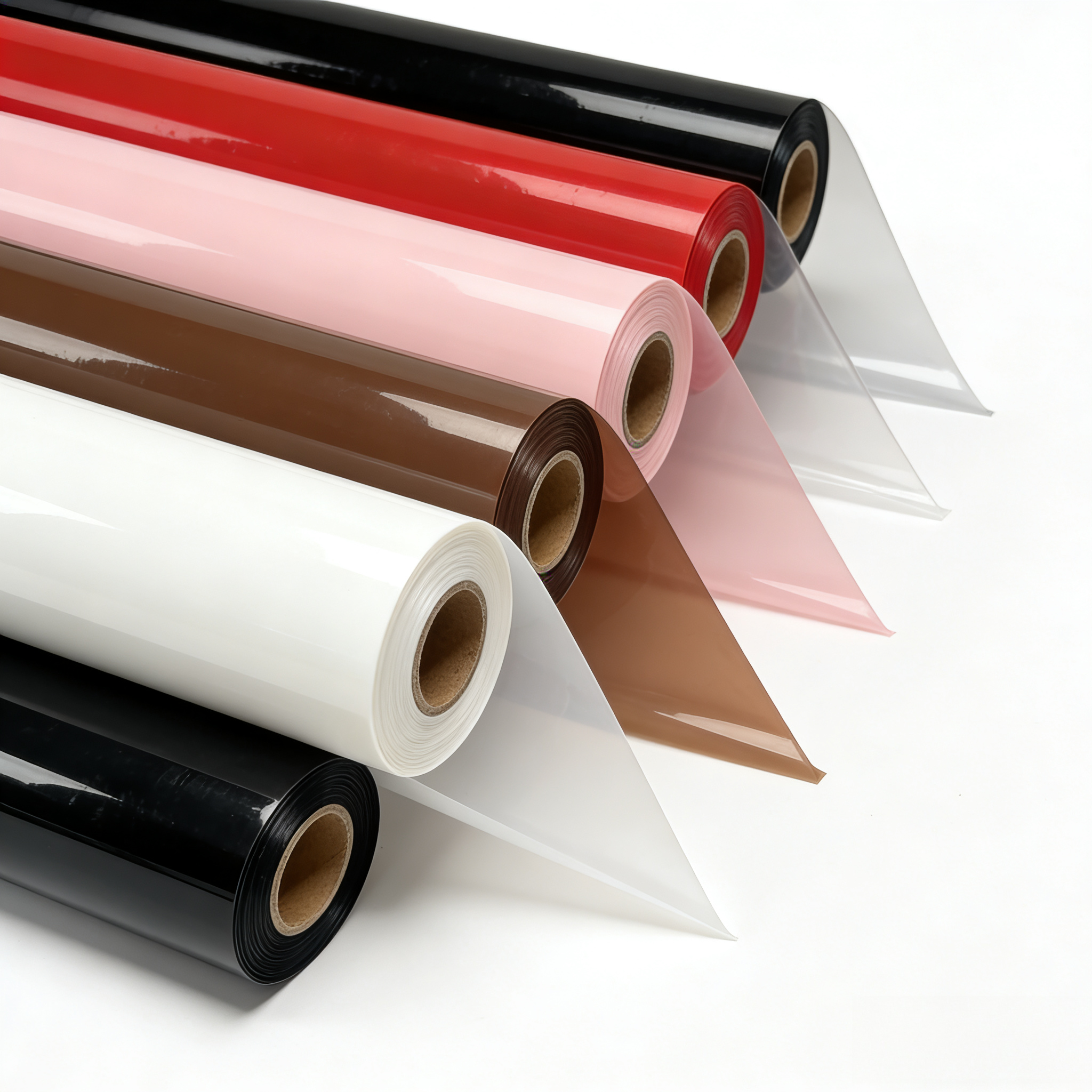
It comes in a variety of colors and serves for identification or decorative purposes. It is commonly used for wire harness classification, pipeline identification in the chemical industry, and as a decorative waterproof layer in high-end buildings.
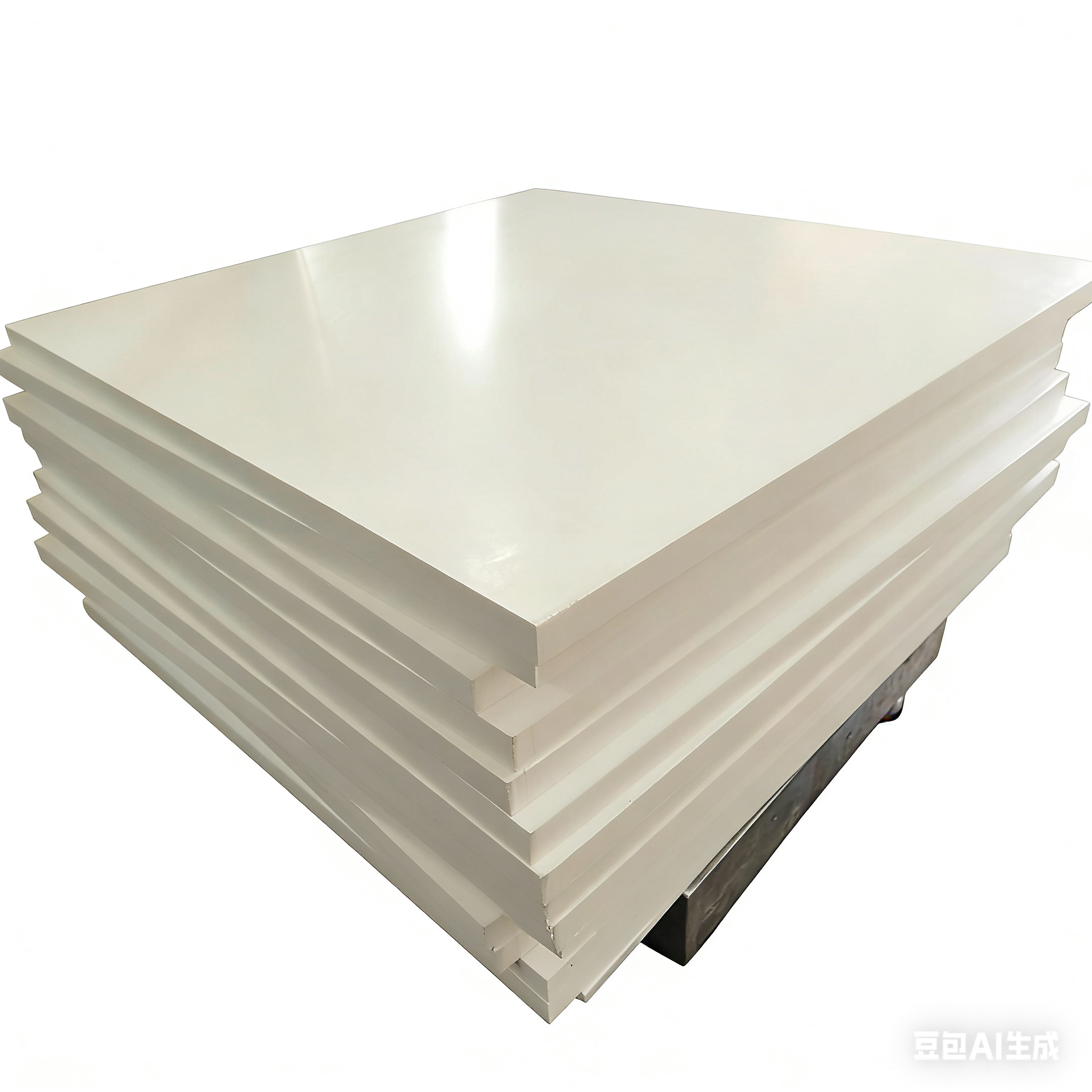
The glass fiber content is typically 15-30%, which greatly improves the mechanical strength of the PTFE sheet, making it twice as strong as general-purpose PTFE sheets and allowing it to maintain dimensional stability under high-pressure conditions.
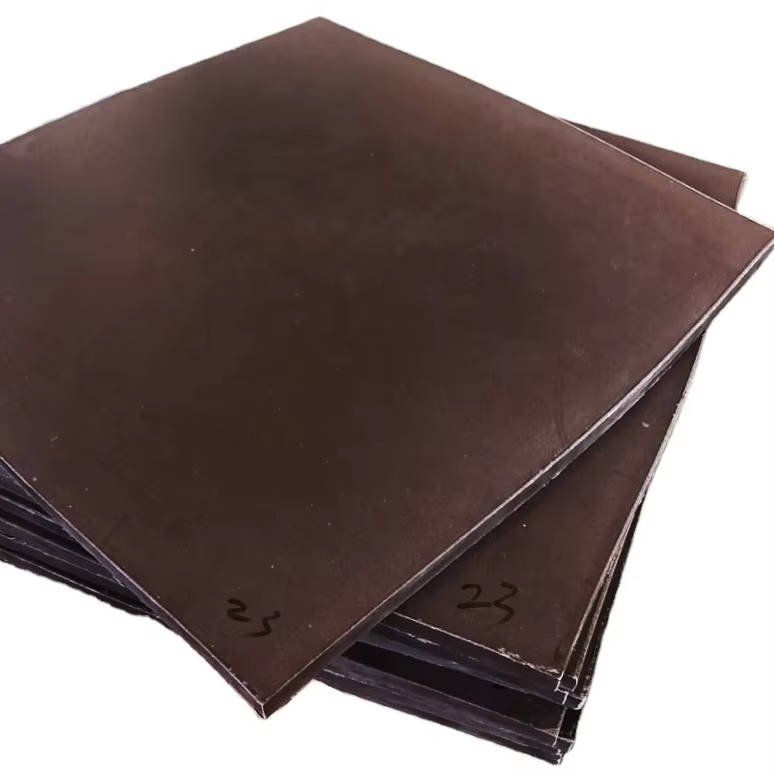
With a copper powder content of 20-40%, it exhibits excellent thermal conductivity, 5-10 times that of ordinary PTFE sheets, but its corrosion resistance is reduced, limiting its use to neutral corrosive media.
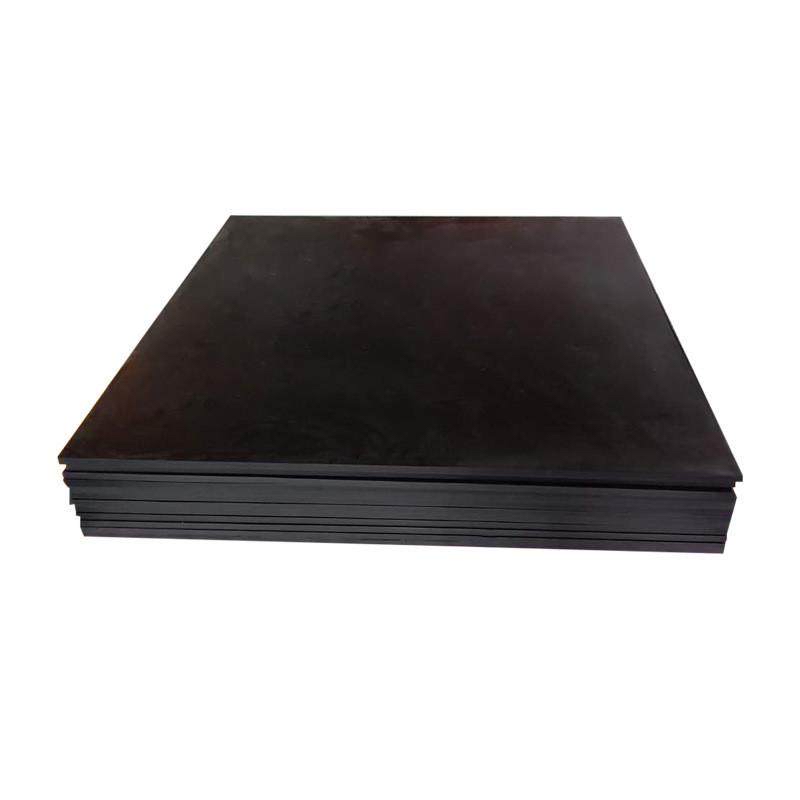
Typically, increasing the graphite content by 10-25% enhances the self-lubricating properties of general-purpose PTFE sheets, resulting in a very low coefficient of friction. However, it also leads to lower hardness, and the price is slightly higher than that of standard general-purpose PTFE sheets.
Hauptmerkmale von PTFE-Platten

Weist bei Umgebungstemperaturen eine günstige Druck- und Kriechfestigkeit auf, kann jedoch bei erhöhten Temperaturen weicher werden und ist für Anwendungen mit geringer Beanspruchung geeignet.

Reibungskoeffizient (COF) von nur 0,04, mit glatter Oberfläche und selbstschmierenden Eigenschaften, die den Bedarf an externen Schmiermitteln überflüssig machen.

Weist eine Korrosionsbeständigkeit auf und ist in der Lage, aggressiven Mitteln und den meisten chemischen Medien (pH 0–14) standzuhalten.

Der Betriebsbereich reicht von -200 °C bis +260 °C für Dauerbetrieb, mit kurzfristiger Belastungstoleranz von bis zu 300 °C.
Anwendung von PTFE-Platten
Industriell: Dichtungen, Dichtungsringe, Lager, Ventilkomponenten und Auskleidungen für Rohre und Tanks.;
Elektronik: Isolierung für Leiterplatten, Steckverbinder und elektronische Komponenten;
Automobilindustrie: Buchsen, Schläuche und Beschichtungen für Kraftstoffleitungen;
Lebensmittel und Getränke: Förderbänder, Formen und Behälter;
Medizinisch: Katheter, implantierbare Geräte und Laborgeräte.

Your Benefits
- HANSA possesses a complete product quality control system and holds certifications such as FDA, RoHS, and ISO, ensuring that our product quality meets international standards.
- HANSA offers customized services to meet your specific needs regarding the size, thickness, color, or filler materials of PTFE products, ensuring that the products fully meet your expectations. Our professional staff will stay in contact with you to answer any questions you may have.
- HANSA products offer both quality and competitive pricing, focusing on value for money. This not only saves you procurement costs but also eliminates concerns about delivery times. If you order standard products, we have ample stock and can guarantee shipment within 7 days. For customized products, we promise you will receive your order within the agreed timeframe, thanks to our stable and long-term international logistics partners.
- HANSA has 30 years of experience in the production of PTFE products and possesses mature manufacturing and processing technologies. Our sales team is professional and highly responsible, with 20 years of experience in the industry, and can provide comprehensive technical support.
Mature inventory management system
We maintain a readily available stock of standard PTFE sheets, and we have a dedicated inventory management system to facilitate the tracking and management of our stock. When you need to order specific specifications, we can accurately check the current quantity in stock and supply them promptly to meet your urgent needs.
Stable logistics partners
HANSA has established long-term partnerships with three international logistics companies: FedEx, DHL, and UPS, to meet your transportation needs to the greatest extent possible. For packaging, we use wooden crates with foam padding to protect your products and prevent damage during transit.
Company Resource

Is PTFE sheet suitable for your project? If you’re unsure, please contact us, and we will arrange for a professional to assist you. Here is our company’s catalog, which you can download and view.

Do you have doubts about product quality? Worried that the product you receive won’t be what you expected? HANSA can alleviate your concerns, as we provide professional test reports and product certificates. Click to learn more!

HANSA has professional personnel equipped for molding, turning, and CNC machining operations. This is our promotional video, which will allow you to learn about our company in the shortest possible time!
Typical Application Scenarios for PTFE Sheets
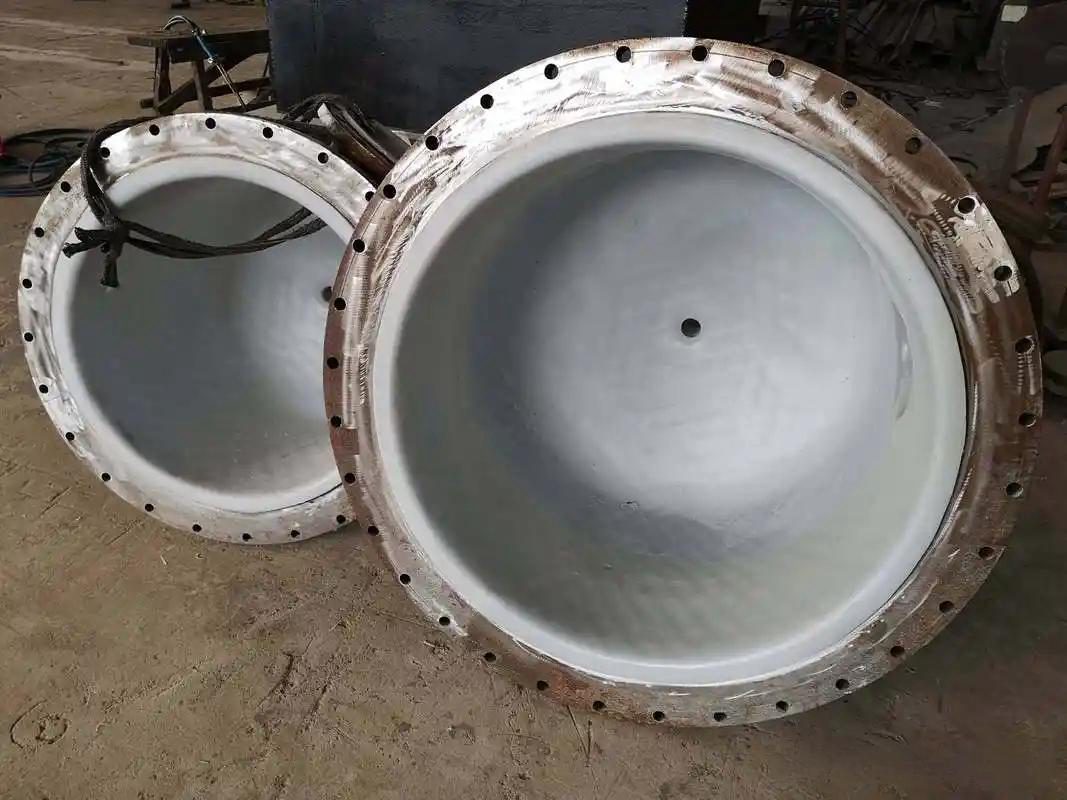
The most classic application of PTFE skived sheets is as a lining for chemical reactors, because PTFE has excellent chemical inertness and hardly reacts with any chemical substances, making it resistant to strong acids, strong bases, and other corrosive liquids. After adhesive treatment, the PTFE skived sheet adheres tightly to the reactor, and our professional technology ensures that it will not detach, extending the service life of your chemical equipment.
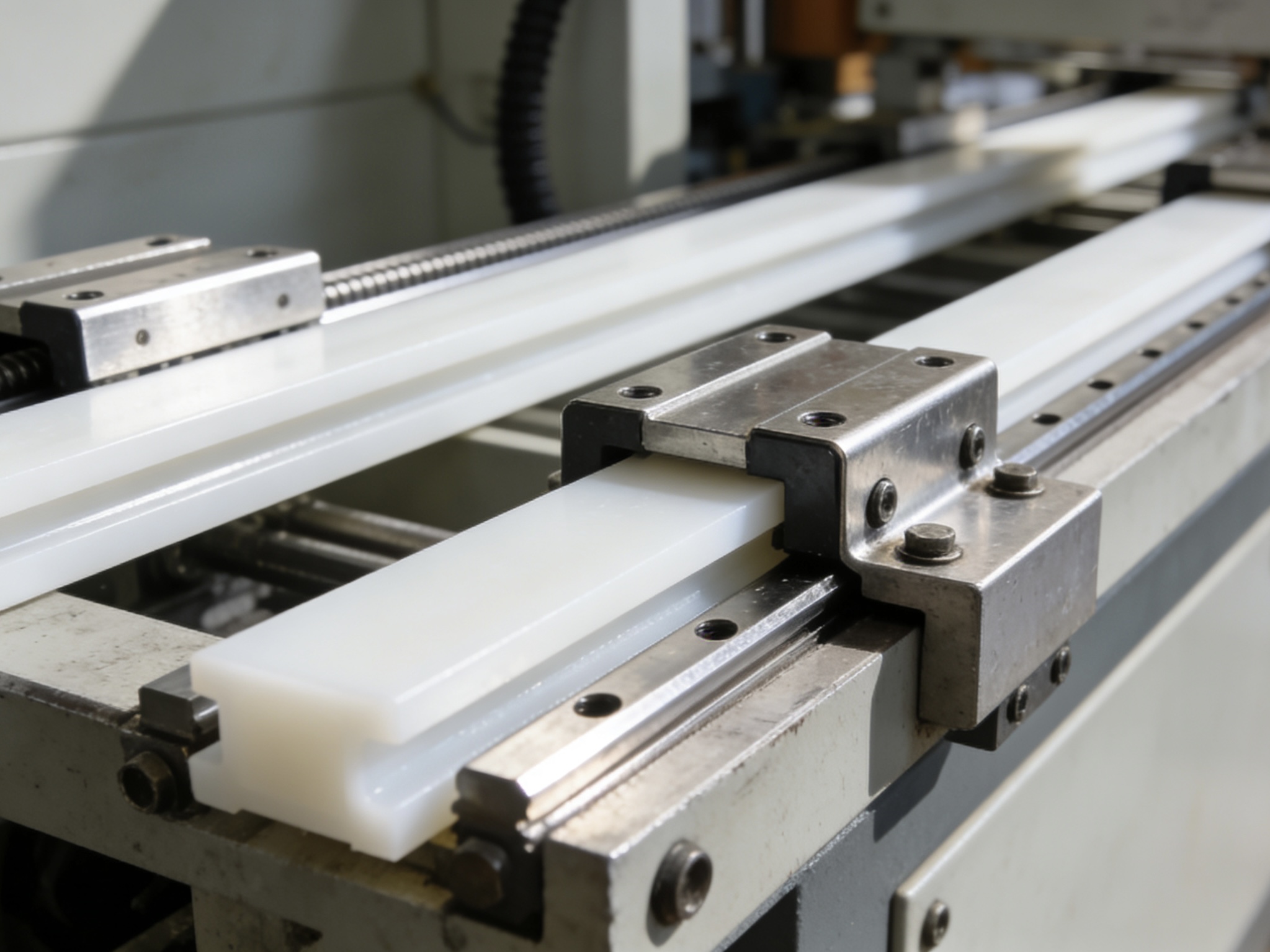
Due to PTFE’s extremely low coefficient of friction (only 0.04) and excellent self-lubricating properties, it is widely used in the manufacture of sliding bearings, guide rails, and piston rings, which can reduce equipment wear and save on production costs.
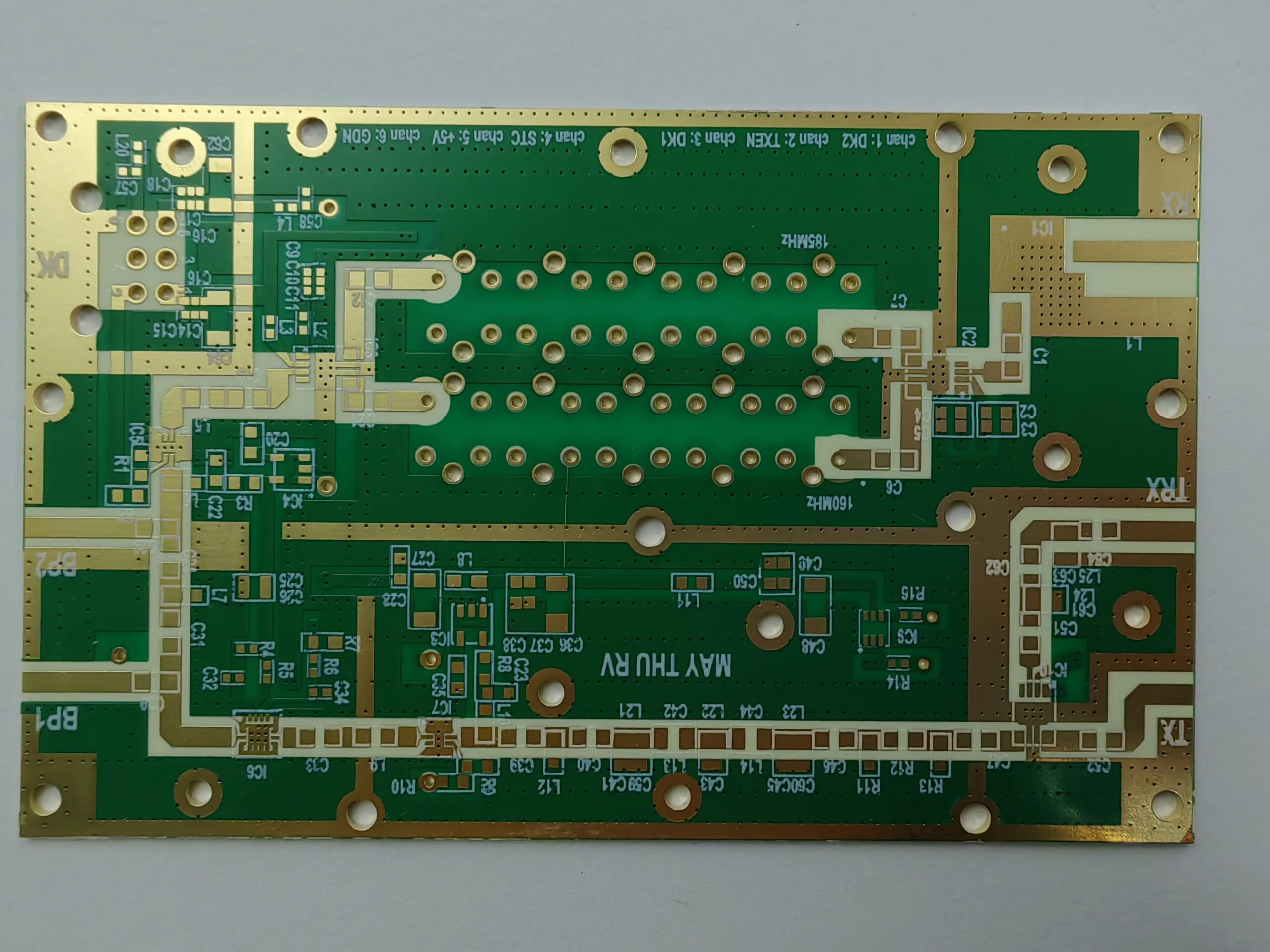
After processing, PTFE sheets can be used as substrates for printed circuit boards (PCBs), insulating gaskets, etc. This is because PTFE has excellent insulation properties, high temperature resistance, and very low dielectric constant and loss factor, resulting in minimal signal transmission loss.
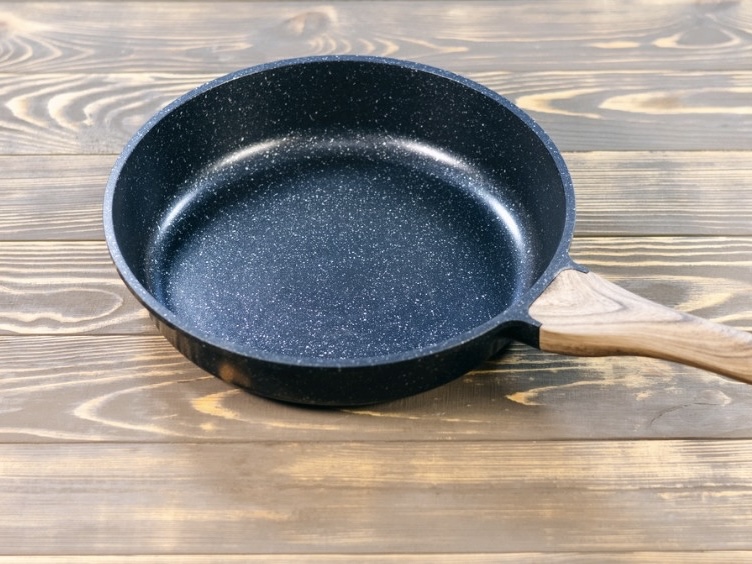
There are specialized medical-grade PTFE materials used in high-end medical equipment, such as sterile seals or artificial heart valves. There is also food-grade PTFE, specifically labeled as harmless to humans, which can be used as a lining for household baking utensils, such as non-stick pans and oven trays.
Spezifikationen von modifiziertem PTFE von Hansa
- Größenbeschreibung
- Eigenschaften von reinem PTFE
- Etched PTFE Properties
- Modifizierte PTFE-Platte
| Typ | Size Description |
| PTFE-Formplatte | Regular size is Square: width x Length, from 150mm – 2000mm
Thickness: 4mm – 500mm |
| PTFE-Schälplatte | Width 300,400,500,800,1000,1200,1300,1400,1500,1600,1800,2000,2200,2500,2700mm ,Length ≥200
Thickness: 0.1-6.5mm |
| PTFE Film | Thickness: 0.02-0.5mm
Length ≥100 |
| Expandierte PTFE-Platte | Width and Length: regular 1500*1500
Thickness: 0.5-10mm |
| Eigenschaften | Einheit | Ergebnis |
| Scheinbare Dichte | g/m³ | 2.10~2.30 |
| Zugfestigkeit (min) | MPa | 15.0 |
| Bruchdehnung (min) | % | 150 |
| Durchschlagsfestigkeit (min) | KV/mm | 10 |
| Eigenschaften | Einheit | Ergebnis |
| Dichte | g/cm³ | ≥2.18 |
| Zugfestigkeit | MPa | ≥30 |
| Bruchdehnung | % | 300 |
| NO. | Filled Compound And | Zugfestigkeit Mpa min | Ultimative Stärke % min | Compression Strength Mpa |
| Content By Wt | min | |||
| 1 | 20% Glasfaser | 10 | 120 | 16 |
| 2 | 25% Glasfaser | 10 | 100 | 16 |
| 3 | 20%Glasfaser 5%Graphit | 10 | 120 | 16 |
| 4 | 60%Bronze | 10 | 80 | 20 |
| 5 | 15%Carbon Fiber | 11 | 130 | 16 |
| 6 | 24%Bronze 12%Glass Fiber | 9 | 100 | 16 |
| 6%Carbon | ||||
| 7 | 15%Glass Fiber 10% Poly – | 10 | 120 | 16.7 |
| imide5%Graphite |
Teflon and PTFE are essentially the same thing, both referring to the material polytetrafluoroethylene. The difference is that Teflon is a registered trademark, originally owned by DuPont, and now owned by Chemours, an independent company spun off from DuPont.
- Difficult to Process, High Cost: Due to PTFE’s unique properties, it has an extremely high melting point and requires special processing techniques, like “cold pressing,” which is time-consuming and requires specialized equipment. This makes PTFE expensive and challenging to process.
- Poor Creep Resistance: Compared to materials like nylon and PEEK, PTFE has lower hardness and rigidity. In practical applications, if PTFE is continuously under pressure, it may permanently deform over time.
- Decomposes and Releases Toxins at High Temperatures: When PTFE is exposed to temperatures above 260°C for long periods, it begins to break down and release toxic substances. At temperatures exceeding 350°C, the decomposition process accelerates, releasing harmful fumes.
- Non-Biodegradable: PTFE’s high thermal stability prevents it from naturally degrading. Recycling PTFE requires high temperatures, which can release toxic by-products, leading to environmental pollution and potential harm to human health.
The lifespan of PTFE depends on its application environment. Under clean conditions and normal operating temperatures, PTFE can last for 10-50 years. However, if it operates under high pressure for extended periods, its lifespan will be significantly shorter, possibly only 7-8 years, or even 4-6 years. Of course, this also depends on the grade of the PTFE material.
Currently, there are two methods for recycling PTFE:
- Mechanical Recycling: PTFE is ground into fine powder, compacted, and then sintered at a high temperature of 370°C.
- Chemical Recycling (also known as Pyrolysis): When exposed to temperatures over 400°C, PTFE decomposes into tetrafluoroethylene monomers.
After receiving the goods, you can quickly perform an acceptance inspection. First, check if the PTFE sheet is milky white and free of color variations. Secondly, measure its volume and weight to calculate the density of the PTFE sheet. If the density is within 2.1-2.2 g/cm³, it is considered acceptable. If you have sufficient time, you can immerse it in concentrated sulfuric acid solvent, observe it for 24 hours, then remove and weigh it. Compare the weight to the weight upon receipt; if the change rate is no more than 1%, and there are no cracks on the surface, it is considered acceptable.
PTFE, commonly known as “the king of plastics,” boasts excellent overall performance and is suitable for most applications. It also has a long service life, lasting 10-50 years or more. We can develop customized solutions for your specific project, providing personalized professional service to address your concerns.
Yes, PTFE is available in different grades, including general-purpose, food-grade, and medical-grade. Each grade is suitable for different applications. Furthermore, the raw materials for PTFE also vary, with different brands available from manufacturers such as DuPont and Daikin. In addition, there is both pure PTFE and recycled PTFE.
If you’re simply cutting PTFE sheets, you can do it yourself. For thin sheets, you can score the surface with a utility knife and then easily break it apart by hand; for thicker sheets, you’ll need a saw. First, secure the sheet, then mark the cutting line, and finally, saw along the marked line. However, if your project is large and involves a significant amount of PTFE sheets, you’ll need to use a CNC machine for cutting. This will greatly improve efficiency, but it may increase your costs.
Verwandte Produkte
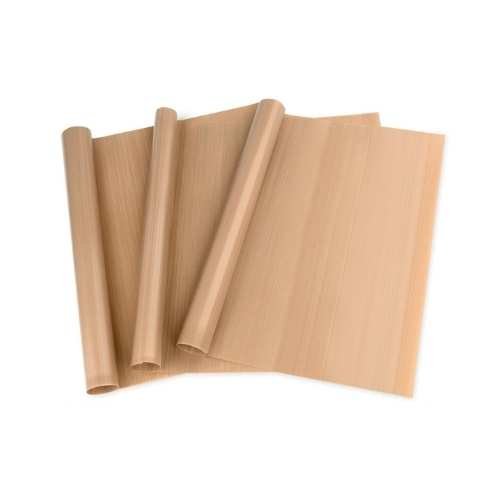

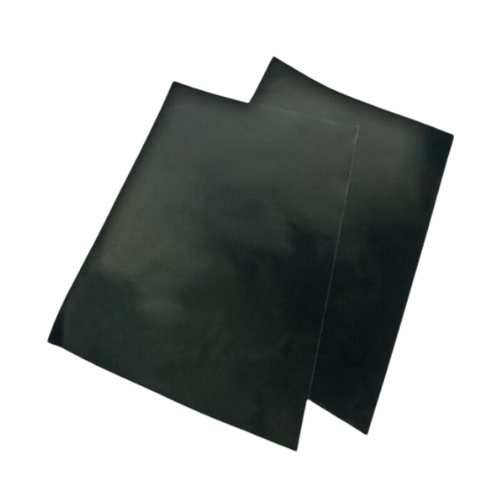
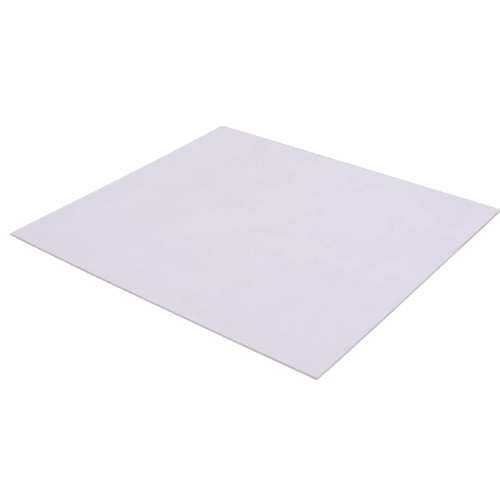

PTFE-Platten
Polytetrafluorethylenplatten werden meist als PTFE-Platten bezeichnet. Man kann sie aber auch als Teflonplatten bezeichnen. Beide Bezeichnungen beziehen sich natürlich auf dasselbe Produkt, nur dass „Teflon“ PTFE von DuPont ist.
Im Allgemeinen bestehen diese Platten aus Fluor- und Kohlenstoffverbindungen. Daher kommt auch der Name Polytetrafluorethylen.
Aufgrund der starken Kohlenstoffbindungen gelten sie als hochmolekulare Schichten. Ein Grund dafür, dass sie heute in vielen Anwendungen üblich sind.
Arten von PTFE Bettwäsche verfügbar
Sie können Teflonplatten anhand breiter Kriterien klassifizieren. Dies liegt an den umfangreichen Anpassungsmöglichkeiten.
Idealerweise möchten Sie vielleicht:
- PTFE-Platten mit Klebstoff – sie haben auf einer Oberfläche einen Klebstoffträger
- PTFE-Platten nach Maß – das PTFE wird nach Ihren spezifischen Anforderungen zugeschnitten
- Platten mit unterschiedlicher Dicke – Sie können die PTFE-Platte in 3 mm Dicke oder 100 mm Dicke wählen
Kurz gesagt: Die verfügbaren Optionen hängen von individuellen Anpassungsmöglichkeiten ab. Und was noch wichtiger ist: Dies bestimmt auch den Preis der PTFE-Platte.
PTFE-Plattenmaterial für allgemeine Zwecke
Durch die individuelle Anpassung sind die Teflonplatten natürlich auch für ganz spezielle Anwendungen geeignet. Sie können sich jedoch auch für allgemeine PTFE-Platten entscheiden.
| Eigenschaften von PTFE-Plattenmaterial | Bewertung |
| Zugfestigkeit | Arm |
| UV-beständig | Gut |
| Härte | Mittelweich |
| Schlagfestigkeit | Gut |
| Maße | Variiert, kann aber 6 x 6 Zoll bis 48 x 48 Zoll groß sein |
Glasgefüllte PTFE-Platten
Wenn Sie Platten mit verbesserter mechanischer Festigkeit, Schlagfestigkeit und Abriebfestigkeit suchen, sollten Sie sich für Platten mit Glasfaser entscheiden. In den meisten Fällen bestehen diese Platten aus etwa 25% Glasfasern
Eigenschaften von Polytetrafluorethylenplatten
Es gibt viele Gründe, sich für diese Blätter zu entscheiden:
- Der hohe Schmelzpunkt macht das Harz perfekt für den Dauereinsatz
- Bei hohen Temperaturen bleibt PTFE stabil. Der Temperaturbereich liegt zwischen -200 °C und +260 °C.
- Bekannt für hervorragende Antihafteigenschaften
- Hervorragende Isoliereigenschaften
- Der Reibungskoeffizient ist relativ niedrig
- Bessere Korrosionsbeständigkeit als Standardkunststoff
- Sie sind hydrophob – sie neigen dazu, Wasser abzuweisen
- Chemisch inert
- Sind von der FDA zugelassen
- Empfindlich gegenüber Gammastrahlung
Manchmal bietet Ihre reine PTFE-Platte nicht alle diese Eigenschaften. Deshalb müssen Sie das PTFE-Material verstärken. Diese Platten bestehen aus reinem Polytetrafluorethylenharz 100%.
Vergleichen wir zwei interessante Blätter:
| Reines PTFE-Blatt | Mechanische PTFE-Platte |
| · Hergestellt aus reinem Polytetrafluorethylenharz 100%
· Hohe physikalische Eigenschaften · Normale Anwendung · Keine zusätzlichen Zusätze |
· Hergestellt aus wiederaufbereitetem Polytetrafluorethylenharz
· Geringe physikalische Eigenschaften · Hochleistungsanwendungen · Gefüllt mit Additiven zur Verbesserung der Eigenschaften |
Formen, in denen Sie PTFE-Platten versenden können
Sie erhalten diese Materialien entweder flach oder gerollt. Die Verpackungsarten richten sich nach der Plattendicke.
In den meisten Fällen haben die PTFE-Plattenrollen eine Dicke von weniger als 0,093 Zoll. Andernfalls wird das Walzen von Polytetrafluorethylen-Platten mit höheren Dicken nicht empfohlen.
Anwendung
Sie können die PTFE-Materialplatten bearbeiten oder herstellen, um viele Teile herzustellen, wie zum Beispiel:
- PTFE-Dichtungen
- PTFE-Buchse
- PTFE-Auskleidung
- PTFE-Gleitplatte
- PTFE-Elektroisolierteile
- PTFE-Unterlegscheiben

 German
  English
  Arabic
  Tibetan
  Spanish
  French
  Hindi
Hindi  Indonesian
  Italian
  Japanese
  Korean
  Dutch
Dutch  Portuguese
  Thai
Thai  Russian
  Swedish
  Chinese