


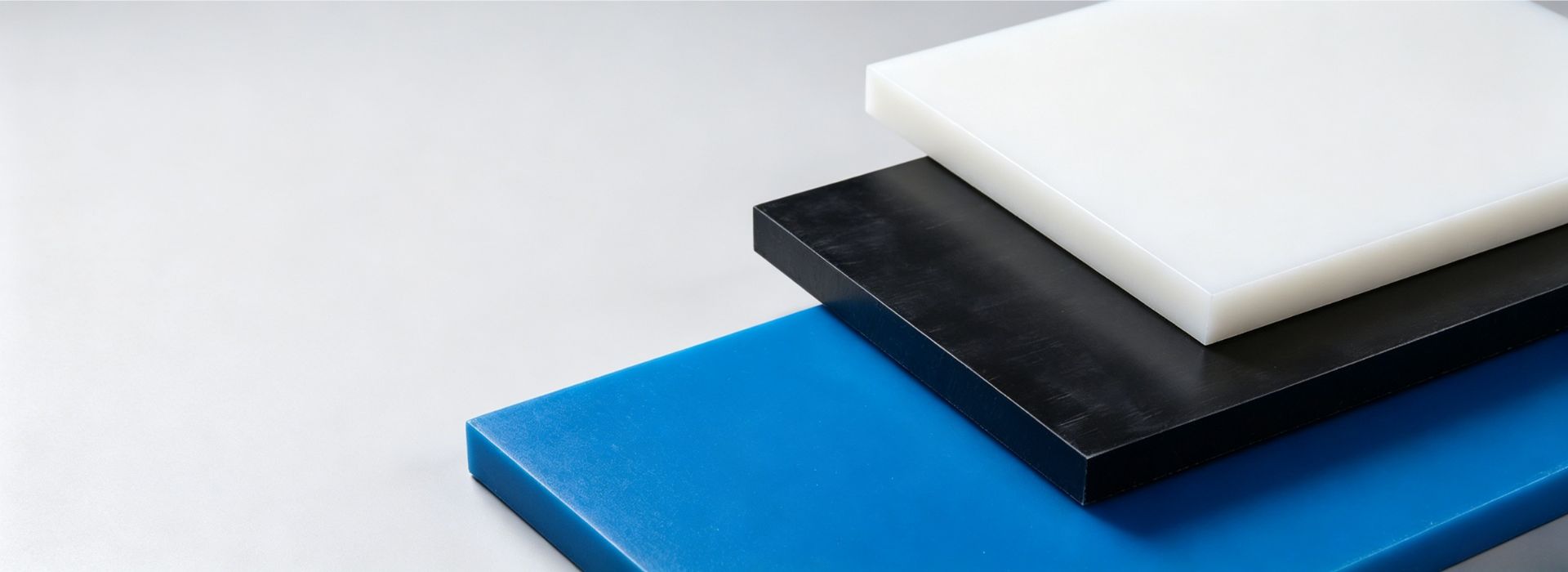
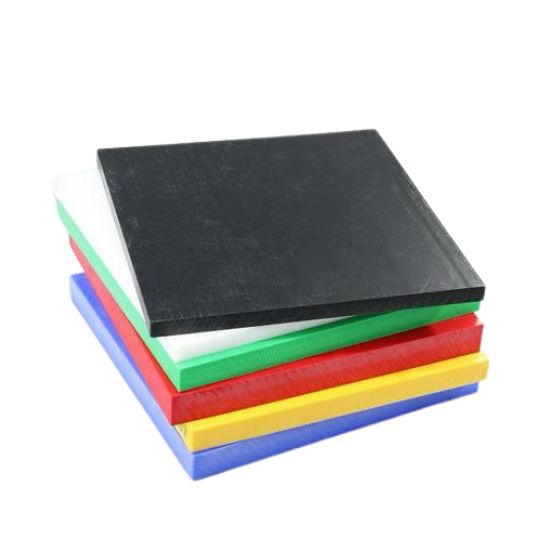
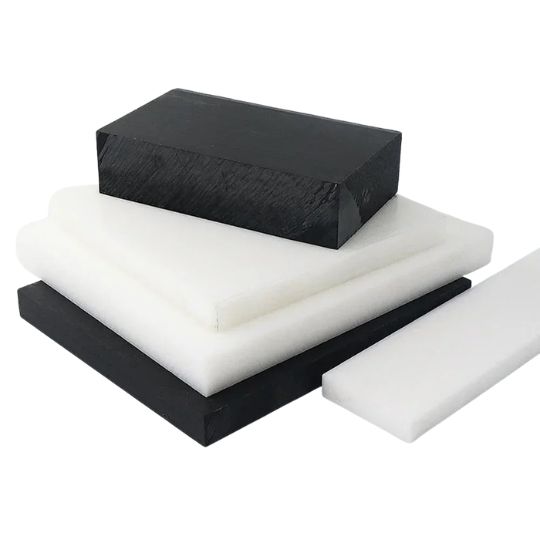
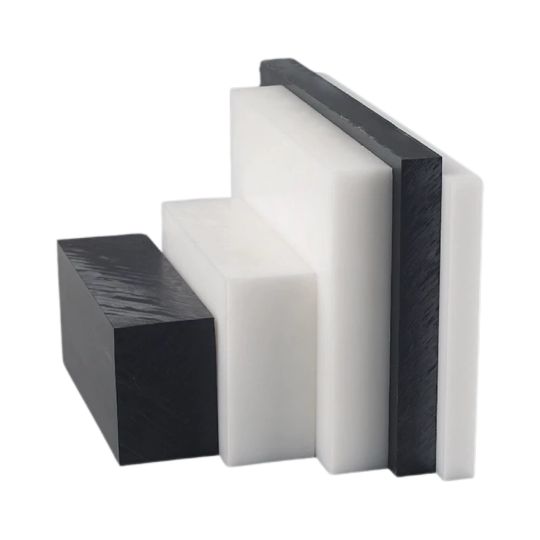
Why Choose HANSA POM Sheet
- Reliable sourcing of acetal resin raw materials ensures consistent quality across batches.
- The manufactured POM sheets offer excellent machinability and are resistant to warping or deformation.
- Standard sizes (1000x2000mm and 1220x2440mm) are kept in stock for immediate availability.
- In-stock POM sheets ship within 1–3 days; lead times for bulk orders or custom specifications are 7–15 days.
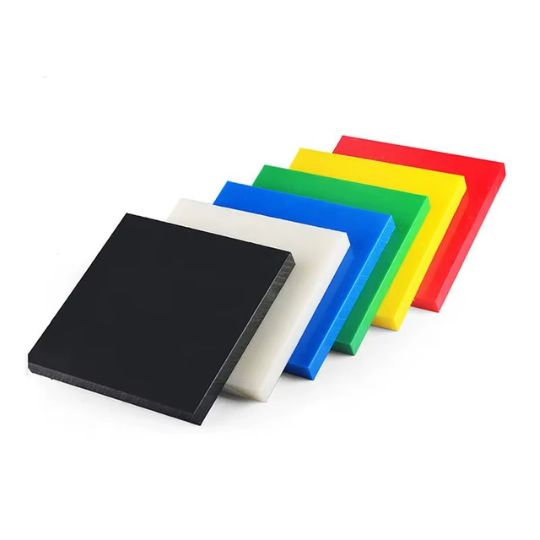
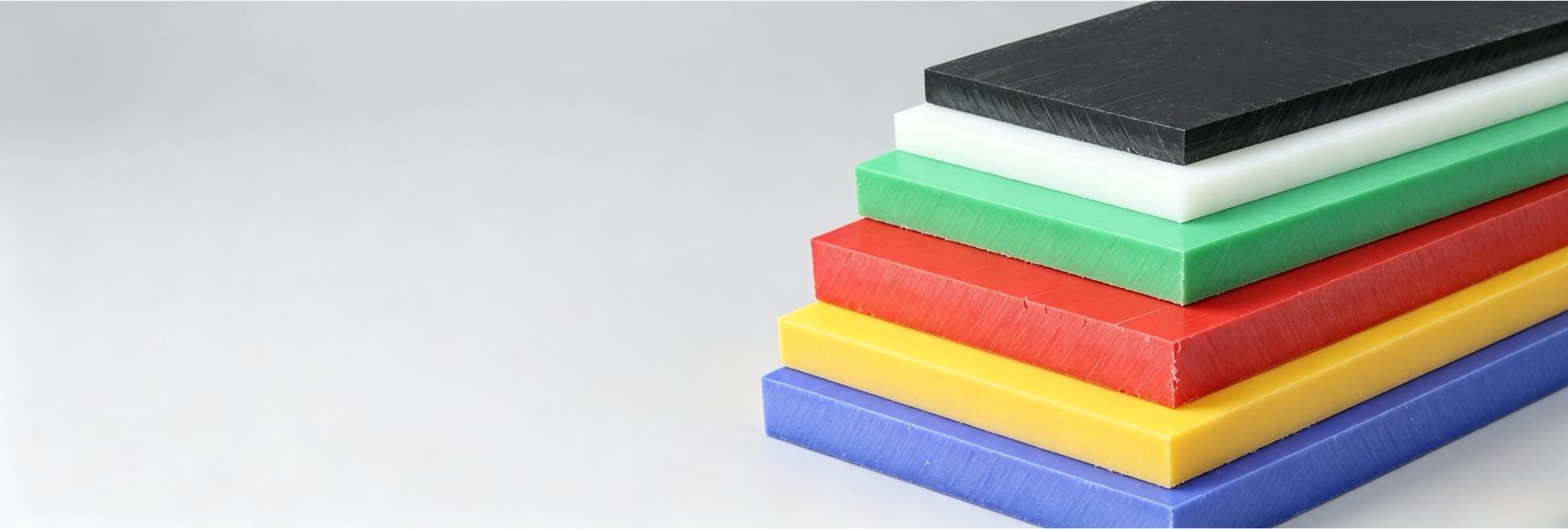
- A comprehensive range of acetal sheets is available, with white and black variants meeting FDA standards.
What is POM Sheet
POM Sheet is a high-performance engineering plastic sheet and is an industrial plastic semi-finished product. The full name of POM is Polyoxymethylene, also called Acetal or Delrin®. Delrin® is a registered trademark of Delrin USA LLC.
POM Sheet has excellent mechanical properties and processing properties, so it is often made into mechanical components such as gears, bearings, sliders, and wear strips, especially precision components that require strict tolerance control.
The characteristics of POM Sheet also include self-lubrication, dimensional stability, fatigue resistance, low moisture absorption, etc. Widely used in automation equipment, mechanical equipment, auto parts, food processing equipment and other fields.
HANSA has 30 years of experience in the production of engineering plastics, as well as advanced processing equipment and a variety of processing capabilities, including sawing, milling, turning, welding, CNC processing, etc.
HANSA provides customized services. Whether it is POM Sheet specifications, color or POM Sheet performance, we can customize it according to your requirements and provide you with a one-stop engineering plastics solution.
POM Sheets From HANSA
There are many varieties of POM sheets; below are the different types offered by HANSA, which you can select based on your requirements.
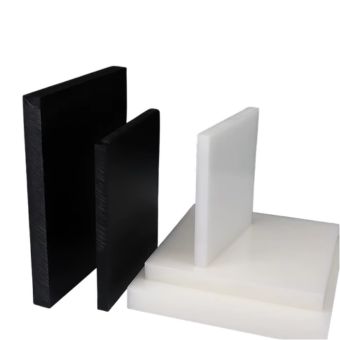
Features high strength, high rigidity, and excellent fatigue resistance, it is suitable for high-load gears, mechanical structural components, etc.
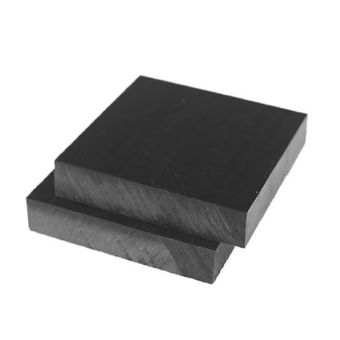
The most common POM sheet on the market offers superior dimensional stability and ease of processing; it also exhibits chemical inertness and low moisture absorption, making it suitable for use in humid environments and for precision components.
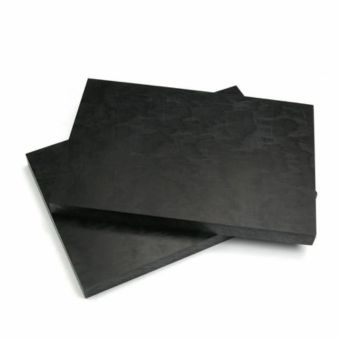
Formulated with UV stabilizers, it resists UV-induced aging during long-term outdoor or exposed use; it is resistant to yellowing and embrittlement, making it suitable for outdoor mechanical parts.
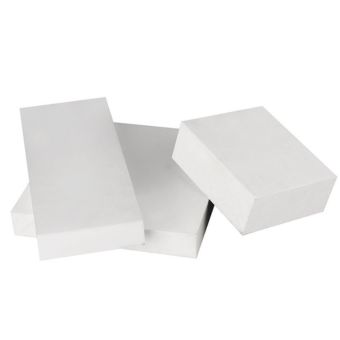
Adding glass fiber enhances the rigidity and strength of POM sheets, making them more suitable for high-load mechanical components.
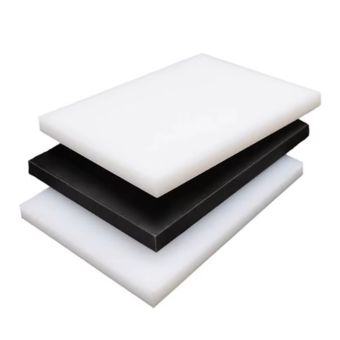
The addition of PTFE resin enhances the self-lubricating properties of POM sheets and reduces adhesion, making them suitable for applications involving prolonged sliding and repetitive friction.
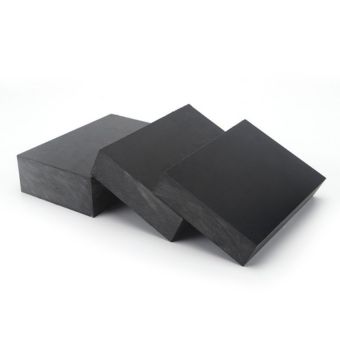
Molybdenum disulfide significantly enhances the wear resistance of POM sheets and reduces friction, enabling the product to maintain dimensional stability under high-load sliding conditions.
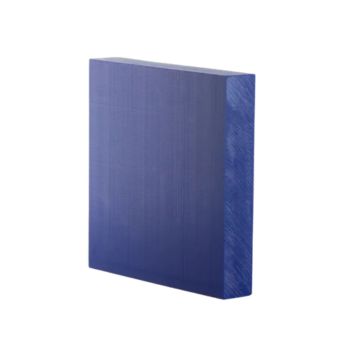
Compliant with FDA food safety standards and FDA-certified; safe and non-toxic; suitable for use in food machinery, food packaging, and similar applications.
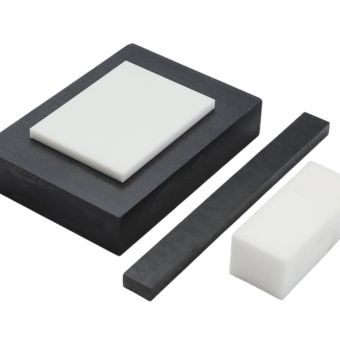
General-purpose industrial POM sheet offers stable strength and excellent cost-performance, making it suitable for most industrial applications.
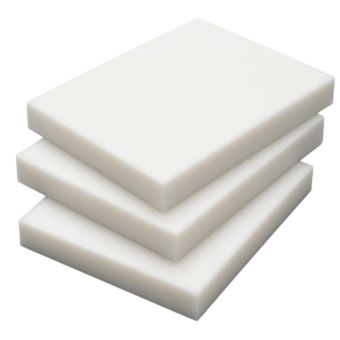
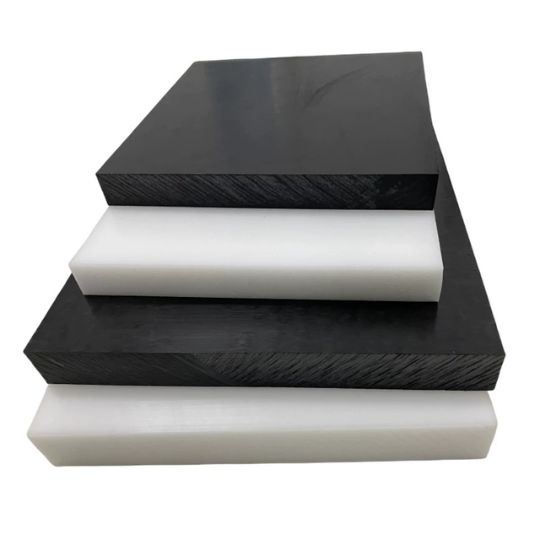
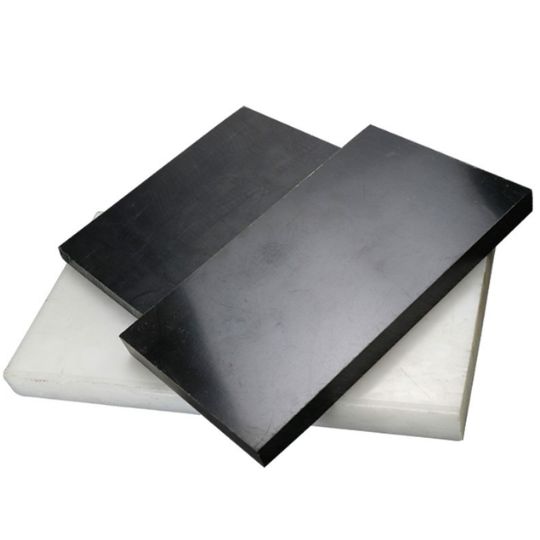
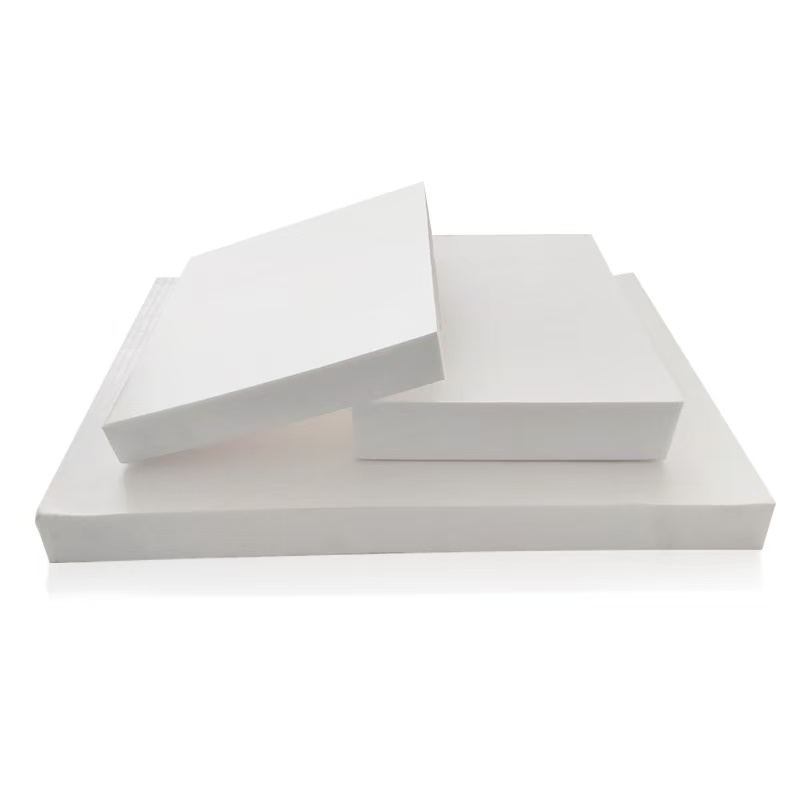
The natural color of POM is milky white, which is also the most common color. HANSA consistently produces natural-colored POM sheets in standard specifications and maintains ample inventory.
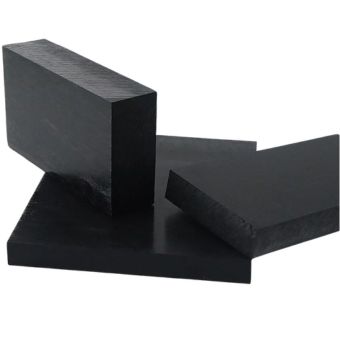
It offers superior UV resistance, and the black appearance gives it a more industrial look. Only a black masterbatch is added, with no additional modifying additives.
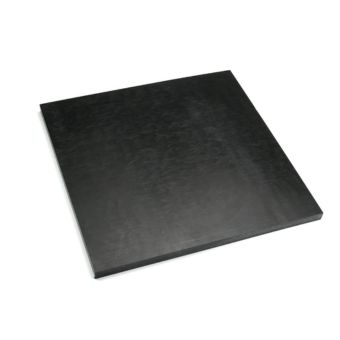
These are the standard specifications for POM sheets manufactured by HANSA; we hold substantial stock and offer a lead time of 1–3 days. If your requirement is urgent, we can arrange immediate shipment.
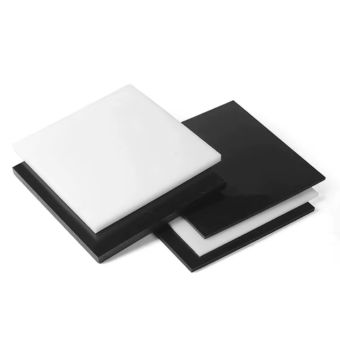
The 1220x2440mm size is also a standard specification available for custom cutting or machining. HANSA is equipped with a wide range of processing machinery to provide a one-stop solution for your POM plastic requirements.
Why You Need POM Sheet
POM has a wide range of applications; many equipment manufacturers purchase POM components from HANSA for assembly, while OEM factories buy POM sheets from HANSA for further processing—all due to POM’s excellent properties.

POM exhibits high rigidity, high mechanical strength, and excellent wear and fatigue resistance. It features a low coefficient of friction (0.2–0.35) and self-lubricating properties, making it ideal for sliding components subject to repetitive loading and movement.

POM has low water absorption (approximately 0.2–0.8%) and is resistant to swelling caused by moisture, allowing it to maintain high dimensional stability even in humid environments.

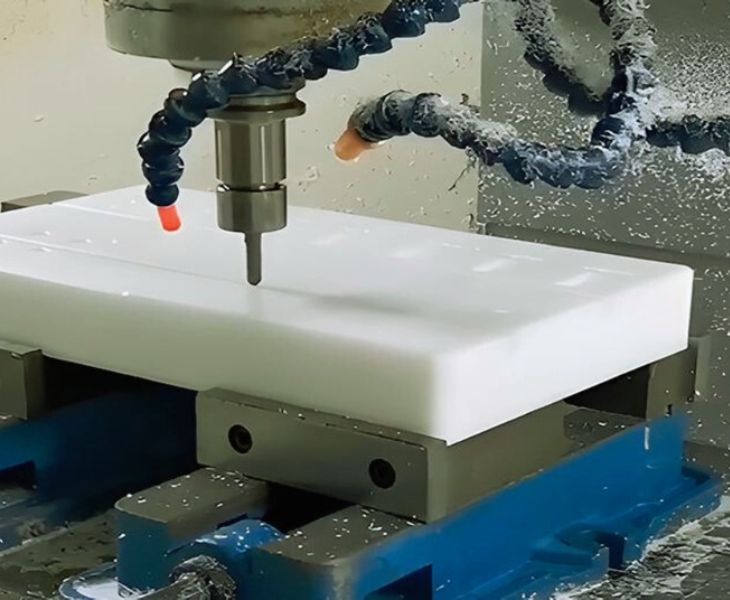
As a thermoplastic with stable melt flow characteristics, POM offers excellent processability. It is particularly well-suited for CNC machining; the material does not easily adhere to cutting tools and exhibits low internal stress and minimal warping, enabling the production of precision components with complex geometries and tight tolerances.

POM strikes a balance between performance and cost-efficiency. Thanks to its superior machinability and long service life, it helps reduce total system operating costs and delivers long-term economic benefits in mechanical applications.
What is the difference between POM-H and POM-C?
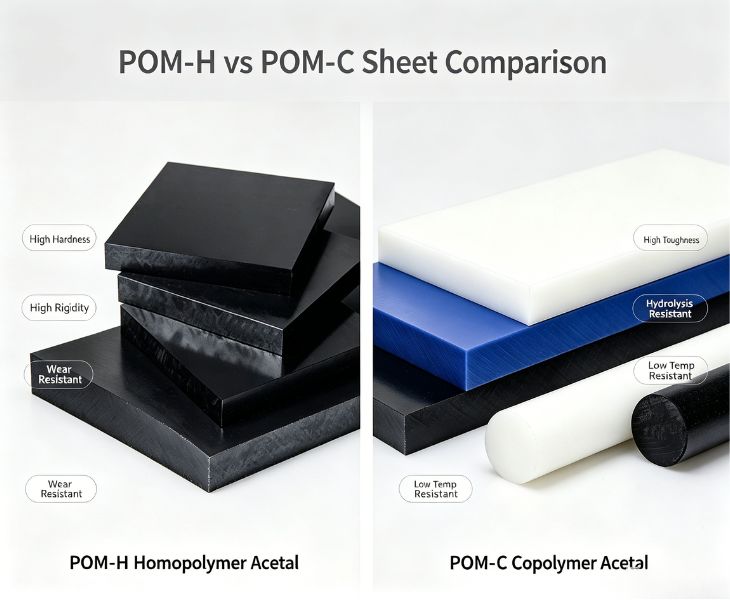
POM-H is a homopolymer with a tighter, more ordered molecular arrangement. Consequently, POM-H sheets offer higher strength, greater rigidity, and superior wear resistance; they are typically used for high-load gears, mechanical transmission components, and dry-friction sliding parts.
POM-C is a copolymer; the inclusion of monomers other than formaldehyde disrupts the regularity of the molecular chains, resulting in a looser molecular structure. This leads to lower internal stress, better dimensional stability, and improved resistance to hydrolysis and chemical corrosion, as well as better processing stability. It is generally used for sliding parts in humid environments, precision guide components, and the like.
When should you choose POM sheets?
POM sheets are precision engineering plastics for moving parts that offer a balanced combination of low friction, high precision, and medium-load capacity. If your project involves repetitive load-bearing movement where lubrication cannot be applied, POM sheets are the ideal choice. They are also an excellent option when high dimensional accuracy is required. However, caution is advised if the application involves strong acids or alkalis, or long-term operating temperatures exceeding 100°C, as POM sheets often cannot withstand such environments for extended periods.
HANSA’s one-stop POM sheet plastic solutions
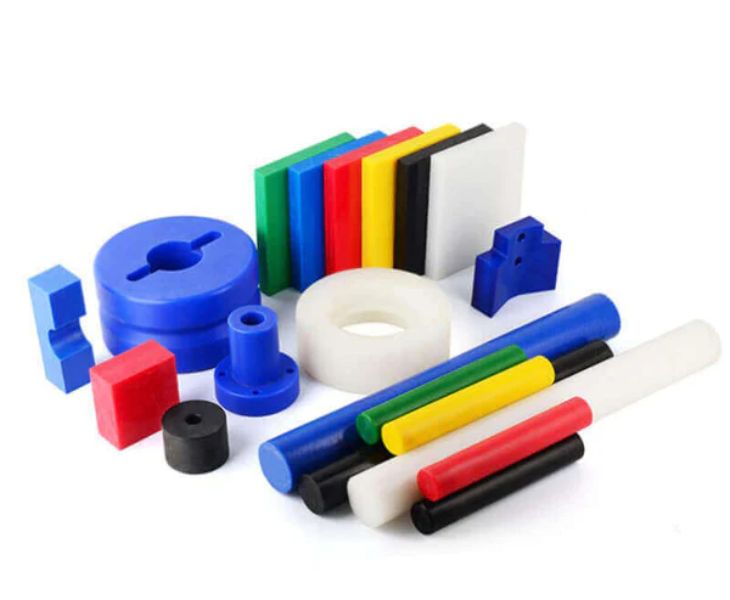
HANSA offers a wide range of customization services and has solved numerous engineering challenges involving POM plastics across various industries. We can cut sheets to specific sizes, customize colors, or enhance material properties by incorporating additives tailored to the project’s operating environment.
HANSA boasts a professional technical team; if you face project challenges, simply share your requirements, and we will develop a customized solution for you.
HANSA POM Sheet quality assurance
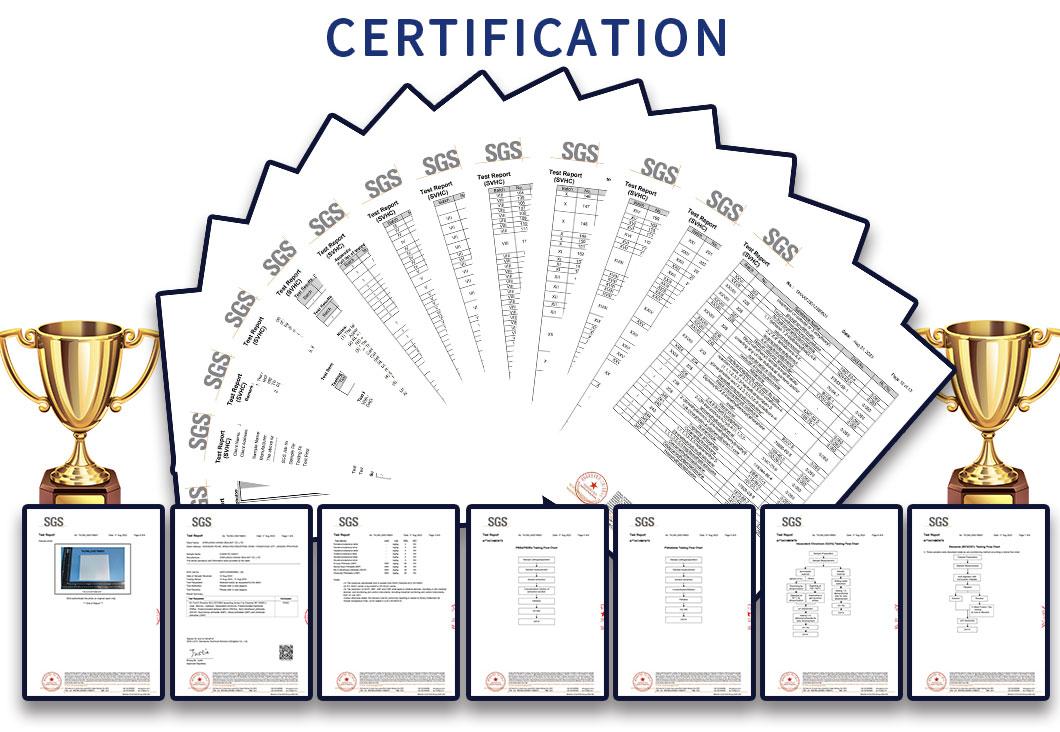
HANSA maintains long-term, stable partnerships with POM resin suppliers, ensuring consistent product performance. We employ a comprehensive quality control system with dedicated inspectors at every stage of production to guarantee uniformity across different batches. Our POM sheets comply with ISO 9001, REACH, and RoHS standards and hold the corresponding certifications.
More About HANSA Company
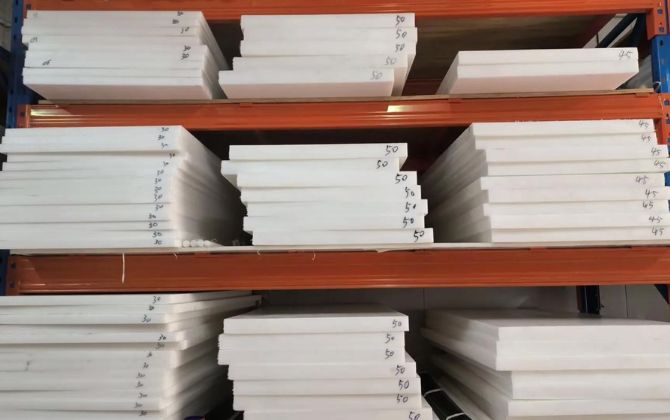
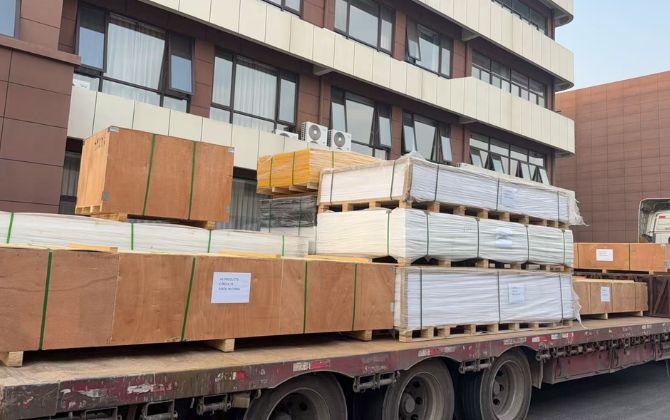
HANSA is a manufacturer of POM sheets, maintaining year-round stock of standard sizes such as 1000x2000mm and 1220x2440mm; custom cutting services are available.
Orders for items currently in stock are typically shipped within 3–7 days, and we can also provide stable, high-volume supplies of standard specifications.
HANSA maintains strict control over dimensional accuracy, ensuring tolerances within ±0.05mm. Our advanced manufacturing equipment also guarantees the flatness of the POM sheets.
POM Sheet in Real Industrial Applications
HANSA has supplied POM components for numerous engineering projects and items of machinery; below are some examples of successfully completed projects.
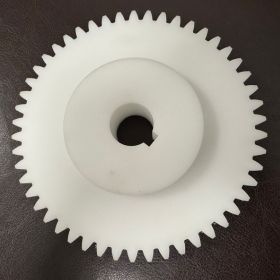
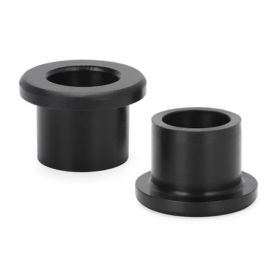
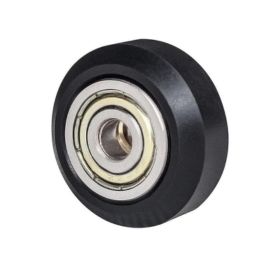
These are standard custom components for us; we manufacture bearings from a wide range of materials. POM bearings offer superior rigidity, providing support while minimizing friction. Drawing on years of experience in bearing manufacturing, HANSA exercises strict control over the dimensional accuracy of the inner ring, as this is a critical factor determining the bearing’s service life.
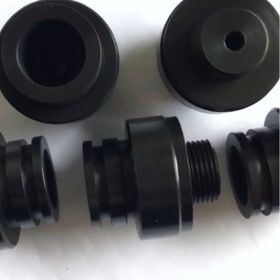
POM mechanical connectors are used to join different structural components. Featuring distinct thread profiles on either end and manufactured from POM material, they offer high dimensional accuracy through CNC machining, thereby facilitating subsequent assembly and installation.
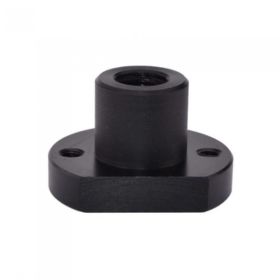
This is a POM lead screw nut designed for stepper motor linear modules; it converts rotary motion into linear motion. POM offers self-lubricating properties—eliminating the need for added lubricant—and operates quietly while serving as a viable alternative to metal. We recommend this POM material to our customers because it helps reduce maintenance frequency.
POM Sheet Specifications and Properties
- 规格
- 特性
| Length x Width (mm) | Thickness (mm) |
| 630 x 1250 | 4~200mm |
| 1030 x 2060 | |
| 1220 x 2440 |
| 财产 | 单元 | POM-H | POM-C |
| 密度 | g/cm³ | 1.41–1.43 | 1.38–1.41 |
| Water Absorption (24h) | % | 0.2–0.4 | 0.2–0.4 |
| 抗拉强度 | 兆帕 | 60–70 | 50–62 |
| 断裂伸长率 | % | 20–40 | 25–50 |
| Impact Strength (Notched) | kJ/m² | 6–10 | 7–12 |
| 熔点 | ℃ | 165–175 | |
| Continuous Service Temp | ℃ | -40 to 100 | |
| Thermal Expansion Coefficient | 10⁻⁵/°C | 8–12 | |
| 介电强度 | kV/mm | 18–20 | |
What Our Customers Say
-
- We’ve been sourcing POM sheets from HANSA for our automation equipment for over a year. The consistency is very good between batches, which is critical for our sliding blocks. Machining quality is clean, and we had no issues with dimensional stability. Communication with their team is also very responsive.
-
- We ordered custom-cut POM sheets from HANSA to machine lead screw nuts for our linear actuator systems. The material performs well under continuous motion, with low friction and stable operation without lubrication. It helped us reduce maintenance issues in our assemblies
-
We’ve been using HANSA POM sheets for sliding parts. Quality is stable, no issues so far.
-
We replaced several aluminum and brass components with machined POM parts from HANSA. It reduced noise and cost while maintaining sufficient strength for our application. Overall very satisfied with the quality consistency.
POM sheets are primarily used for precision mechanical components such as gears, bushings, bearings, sliders, wear strips, and conveyor guide rails. They are commonly utilized in automation equipment, machinery, the automotive industry, and food processing equipment.
Yes, they are essentially the same thing—both are POM. Delrin is a registered trademark of DuPont.
Generally, goods from stock are shipped within 3-7 days, and large quantities of regular specifications can also be supplied stably. If it is a POM Sheet that requires custom cutting, or a processed part, it will be shipped within 15 days.
There is no minimum order quantity for standard-specification POM sheets, as we can supply them directly from stock. For custom sizes or molds, the minimum order quantity is 100 kg; please contact our sales team for specific details.
Certainly. HANSA possesses extensive machining experience and a wide range of processing equipment. Whether you require parts machined according to drawings, POM sheets with added materials, or custom colors and dimensions, HANSA can meet your needs.
Yes, POM sheets may experience slight warping or deformation during machining, though not as severely as nylon. Dimensional stability can be maintained by implementing appropriate process controls during machining.
Related Plastic Sheets
What is POM Sheet
POM sheets are made of high-performance thermoplastic engineering plastic. POM stands for polyoxymethylene and is also known as acetal. It is sometimes referred to as Delrin, though Delrin® is a registered trademark of Delrin USA LLC.
POM can serve as a substitute for certain metals—such as aluminum, copper, and steel—and can also replace nylon and some UHMW-PE applications.
Properties of POM Sheet
The core properties of POM sheets are low friction, dimensional stability, and ease of processing.
- High strength
- High rigidity
- Wear resistance
- Fatigue resistance
- 吸湿性低
What are POM Sheets used for
Due to their excellent mechanical properties, POM sheets are commonly machined into components and find applications across a wide range of industries.
Mechanical Parts
For example, components that require repetitive motion, such as gears, bushings, bearings, and sliders.
Automation
For example, components such as conveyor guide rails, wear strips, and rollers are subject to specific loads and require parts with good wear resistance.
汽车
Examples include components such as window regulators, door sliders, and fuel pumps.
Food machinery
Examples include conveyor components and cutting guides; POM is safe, non-toxic, and suitable for food contact.
Disadvantages of POM Sheet
Although POM offers a balance of cost and mechanical properties, it has certain limitations.
- It lacks high-temperature resistance; POM sheets are suitable for long-term operation only at temperatures below 100°C, with a short-term operating limit of 120°C.
- Its chemical resistance is limited, and it cannot withstand strong acids or strong alkalis.
- It is unsuitable for applications involving high impact loads.
The Differences between POM-H and POM-C
特性
POM-H offers higher strength, greater rigidity, and superior wear resistance. POM-C provides better dimensional stability, enhanced resistance to hydrolysis and chemicals, and good processing stability.
应用
POM-H is suitable for applications requiring structural strength, such as high-load gears, mechanical transmission components, high-rigidity structural parts, and dry-friction sliding components. POM-C is suitable for components requiring long-term stability and environmental resistance, such as parts for food processing machinery, components for humid environments, pump and valve parts, and precision guide elements.
Processing capabilities
POM-H is harder and causes significant tool wear, requiring regular tool maintenance and replacement; it is more brittle during cutting, necessitating careful control. POM-C is more stable, offers smoother machining, and is less prone to cracking or deformation.
POM vs Other Materials
Can POM replace metal?
POM can replace some metals, though not all. In applications involving low to moderate loads, POM can substitute for metal components such as bushings, sliders, and guides, as it operates with minimal friction and noise and requires no lubrication. It is also suitable for certain low-speed transmission gears and drive components in automation equipment, as well as for replacing metal parts in humid or corrosive environments.
Is POM better than Nylon?
Each has its own distinct advantages and is suited to different applications; neither is inherently superior to the other.
POM offers high rigidity and structural stability, making it ideal for precision components; most importantly, it has lower water absorption than Nylon.
Nylon excels in impact resistance and toughness—offering greater durability under stress—which makes it suitable for load-bearing structural applications. However, it has a higher water absorption rate; it tends to swell upon absorbing moisture, which can affect dimensional stability.
How is POM vs UHMW?
POM offers superior rigidity and dimensional stability, along with a medium-to-high load-bearing capacity. While POM already has a low coefficient of friction, UHMW’s is even lower, resulting in exceptional wear resistance; however, UHMW is less rigid and dimensionally stable, being a softer material prone to creep.
Neither POM nor UHMW absorbs much water, and neither is resistant to high temperatures. The maximum long-term service temperature is 100°C for POM and 90°C for UHMW.
When to use POM Sheet
Determining whether your application is suitable for POM sheet—or if your parts can be machined from it—is actually quite simple. Here are the key factors to consider:
- Is low friction required?
Mechanical components such as gears, sliders, and guides require smooth operation; POM offers self-lubricating properties, eliminating the need for external lubricants.
- Is dimensional stability required?
Thanks to its high rigidity and excellent dimensional stability, POM is ideal for precision CNC components and parts for automation equipment.
- What is the level of long-term load?
POM is well-suited for applications involving moderate loads, where it can operate reliably over the long term.
- Do you want to replace moving metal parts?
In certain humid or corrosive environments where metal components have a short service life, POM serves as an excellent alternative; it not only lasts longer but also reduces noise and friction.
结论
If your project requires POM sheets, please contact us. HANSA offers one-stop POM sheet solutions, as well as technical guidance and material consultation. We look forward to hearing from you.

 Chinese
  English
  Arabic
  Tibetan
  German
  Spanish
  French
  Hindi
Hindi  Indonesian
  Italian
  Japanese
  Korean
  Dutch
Dutch  Portuguese
  Thai
Thai  Russian
  Swedish