


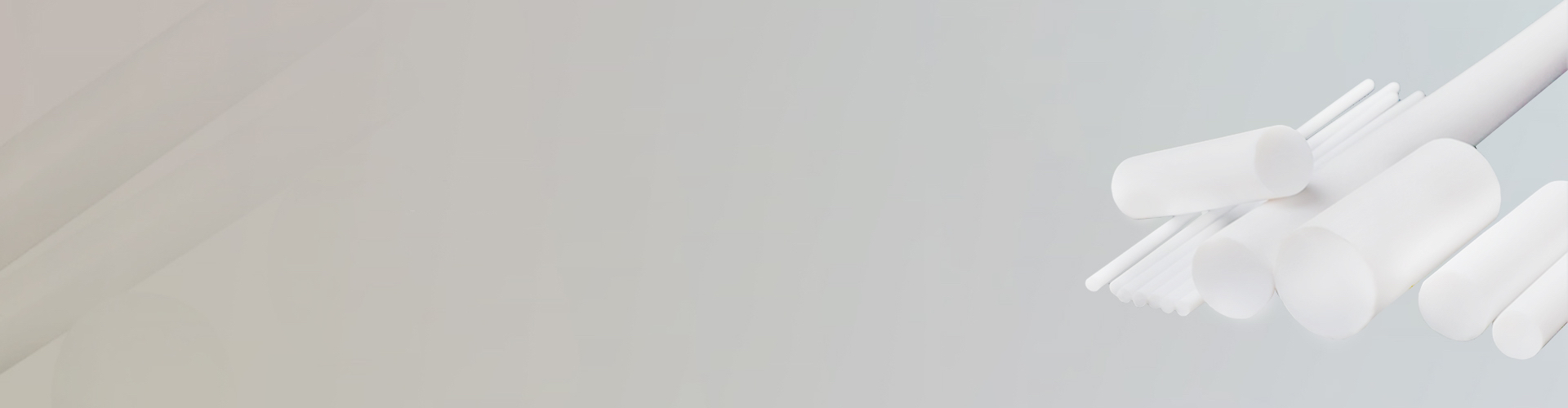
แท่ง PTFE ฮันซ่า
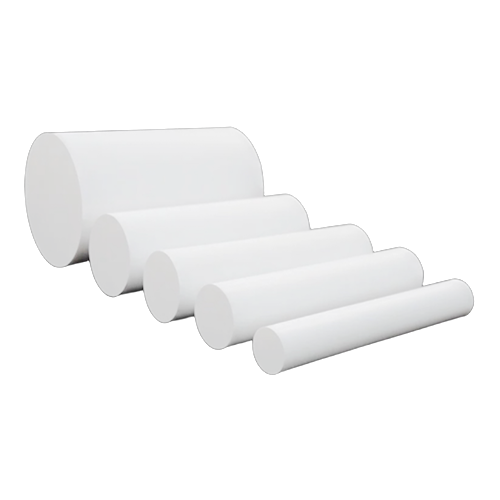
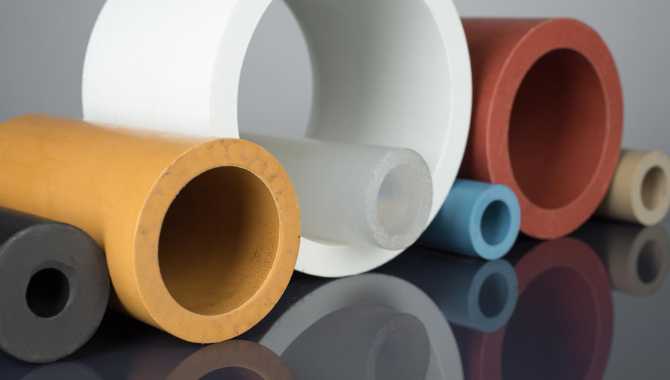
แท่ง PTFE มีจำหน่ายเป็นสีขาวเป็นหลัก โดยมีพื้นที่หน้าตัดและเส้นผ่านศูนย์กลางที่หลากหลาย นอกจากนี้ แท่ง PTFE ยังมีจำหน่ายในสีอื่นๆ เช่น สีแดง สีน้ำเงิน สีเขียว หรือสีเหลือง ขึ้นอยู่กับความต้องการของลูกค้า
ไม่ว่าคุณจะต้องการแท่ง PTFE ขนาด 2 มม. ตัดตามขนาด หรือแท่งเทฟลอนแบบกำหนดเอง ก็มีตัวเลือกมากมายสำหรับการใช้งานเฉพาะของคุณ มีให้เลือกหลายพื้นที่หน้าตัด เช่น แท่ง PTFE แบบกลมหรือแท่ง PTFE แบบหกเหลี่ยม ตามความต้องการเฉพาะ
โดยทั่วไป คุณสามารถหาแท่ง PTFE แบบอัดรีดหรือแท่ง PTFE แบบขึ้นรูปได้ แท่งเทฟลอน มีคุณสมบัติประสิทธิภาพที่โดดเด่นเนื่องจากคุณสมบัติทางกายภาพและทางเคมีที่เหนือกว่า
เกรดวัสดุที่มีจำหน่ายสำหรับแท่ง PTFE
ด้วยความต้องการแบบไดนามิกในการใช้งานแท่งเทฟลอน จึงมีความต้องการที่แตกต่างกัน เกรดวัสดุ PTFE มีให้เลือกใช้ การเลือกใช้แท่งชนิดใดชนิดหนึ่งจะขึ้นอยู่กับข้อกำหนดการใช้งานเฉพาะ
ตัวเลือกวัสดุที่มีให้เลือก ได้แก่:
แท่ง PTFE บริสุทธิ์ – ผลิตจาก 100% วัสดุโพลีเตตระฟลูออโรเอทิลีน.
แท่ง PTFE ดัดแปลง – เกี่ยวข้องกับการเปลี่ยนแปลงคุณสมบัติของ PTFE เพื่อให้ได้ประสิทธิภาพที่เหนือกว่าตามข้อกำหนด
แท่ง PTFE เกรดเครื่องกล – แกน PTFE เหล่านี้ผลิตจากวัสดุโพลีเตตระฟลูออโรเอทิลีนรีไซเคิล
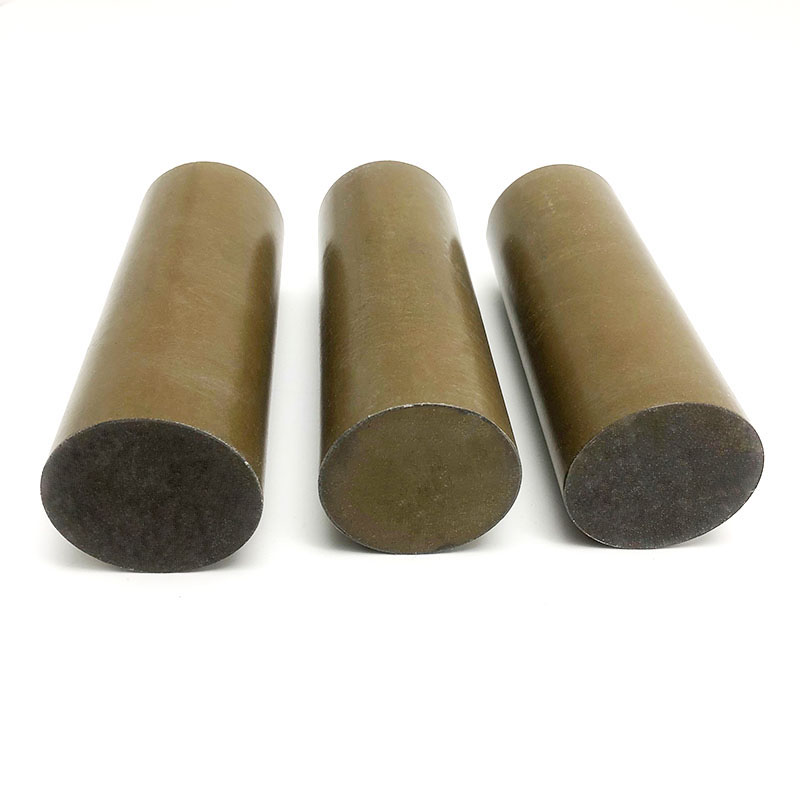
แท่ง PTFE เติม – คุณสามารถเพิ่มวัสดุตัวเติมหลายชนิดลงใน PTFE เพื่อให้ได้คุณสมบัติการทำงานที่ดีขึ้น โดยทั่วไป ชื่อของแท่งเทฟลอนจะขึ้นอยู่กับ ชนิดของวัสดุฟิลเลอร์ PTFEเกรดทั่วไปบางส่วนได้แก่:
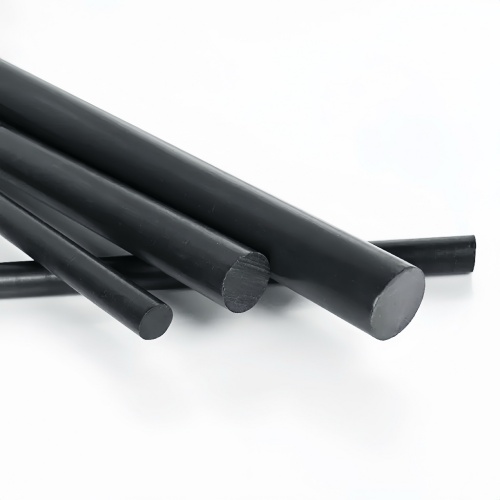
- แท่ง PTFE เติมคาร์บอน– หากคุณต้องการให้แท่ง PTFE ของคุณมีความแข็งแรงในการรับแรงอัดและทนต่อการรับน้ำหนักได้ดี ให้เพิ่มคาร์บอน 10% ลงใน 35% ตามน้ำหนัก นอกจากนี้ คาร์บอนยังจะเปลี่ยนสภาพการนำไฟฟ้าพร้อมกับปรับปรุงความทนทานต่อสารเคมีอีกด้วย
- แท่ง PTFE เติมแก้ว– การเติมแก้วในปริมาณ 5% และ 40% จะทำให้แท่ง PTFE ของคุณมีความแข็งมากขึ้น มีความแข็งแรงในการอัดที่ดีขึ้น มีความแข็งสูง และมีคุณสมบัติทนทานต่อสารเคมีที่ดีขึ้น
- แท่ง PTFE เติมกราไฟท์– หากคุณต้องการแท่งเทฟลอนที่มีค่าสัมประสิทธิ์แรงเสียดทานต่ำมาก ให้เพิ่มกราไฟท์ประมาณ 5% ถึง 15% นอกจากนี้ กราไฟท์จะช่วยลดการสึกหรอในช่วงแรกได้อย่างมาก
- แท่ง PTFE เติมโมลิบดีนัมไดซัลไฟด์– ในกรณีที่คุณต้องการปรับปรุงความทนทานต่อการสึกหรอ ความแข็ง และความแข็งของแท่งเทฟลอนโดยไม่กระทบต่อคุณสมบัติทางไฟฟ้าและเคมี ให้ใช้ MoS2 นำเสนอตัวเลือกที่สมบูรณ์แบบ
- แท่ง PTFE เติมโลหะ– สามารถเพิ่มสเตนเลสหรือบรอนซ์ได้ โลหะเหล่านี้ช่วยปรับปรุงการเสียรูปและการนำความร้อนของแท่ง PTFE
- แท่ง PTFE เติมแร่ธาตุ– แท่ง PTFE ที่เติมไมก้าได้รับการแนะนำอย่างยิ่งสำหรับการใช้งานที่เป็นไปตามข้อกำหนดของ FDA โดยปกติแล้ว คุณสามารถเพิ่มแท่ง PTFE ได้ระหว่าง 5% และ 10%
การหารือเกี่ยวกับการใช้งานแท่งเทฟลอนกับผู้ผลิตจะช่วยให้พวกเขาปรับแต่งผลิตภัณฑ์ให้ตรงตามคุณลักษณะเฉพาะของคุณได้ ผู้ผลิตแท่ง PTFE จะช่วยคุณเลือกวัสดุอุดที่เหมาะสมที่สุดสำหรับการใช้งานของคุณ



คุณสมบัติของแท่ง PTFE
ในอดีตที่ผ่านมาแท่ง PTFE ได้รับความนิยมเนื่องจากคุณสมบัติที่เหนือกว่า เช่น:
-
- เหมาะสำหรับช่วงอุณหภูมิที่กว้าง– คันเบ็ด PFTE จะใช้งานได้ดีในอุณหภูมิระหว่าง -240 ถึง 260°C
- คุณสมบัติทางไฟฟ้าและความร้อนที่เหนือกว่า– เหตุผลที่แท่ง PTFE ใช้เป็นฉนวนไฟฟ้าทั่วไป อย่างไรก็ตาม การเติมสารตัวเติมอาจช่วยปรับปรุงคุณสมบัติทางไฟฟ้าและความร้อนได้
- ค่าสัมประสิทธิ์แรงเสียดทานต่ำ– อธิบายคุณสมบัติไม่ติดและความเหมาะสมในการใช้งานที่ไวต่อแรงเสียดทาน
- ทนทานต่อสารเคมีสูง– ฟลูออโรคาร์บอนเป็นที่รู้จักในด้านคุณสมบัติทนทานต่อสารเคมีที่เหนือกว่า ซึ่งทำให้แท่ง PTFE มีความทนทานต่อสารเคมีสูง

การใช้งานแท่ง PTFE
แท่งเทฟลอนขนาดต่างๆ ถูกนำมาใช้งานในหลายอุตสาหกรรม ปัจจุบัน การใช้งานแท่งเทฟลอนทั่วไป ได้แก่ อุตสาหกรรมการผลิต ไฟฟ้า เครื่องใช้ในบ้าน และเคมีภัณฑ์
คุณสามารถกลึงแท่ง PTFE เพิ่มเติมเพื่อผลิตส่วนประกอบต่างๆ เช่น ซีล ชิ้นส่วนเครื่องจักร ฝา ส่วนประกอบเครื่องมือ ลูกปืน ลูกกลิ้ง ฯลฯ
PTFE is a high-grade engineering plastic, and a PTFE rod is a cylindrical rod made of this plastic. PTFE has excellent chemical inertness and high-temperature resistance, and an extremely low coefficient of friction with a non-adhesive surface, making it a high-performance engineering plastic. Therefore, it is commonly used in the chemical industry to manufacture machined parts such as seals, bearings, and insulators, serving functions such as sealing, insulation, and lubrication.
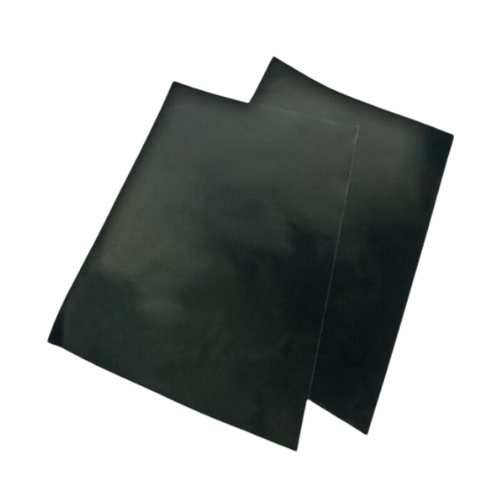
Black PTFE rods are filled and modified PTFE rods. PTFE itself is white; the black color comes from the addition of other black substances, typically carbon fiber, graphite, or carbon powder. Different fillers enhance different properties. Carbon fiber increases the hardness of the PTFE rod, making it more resistant to creep and suitable for high-pressure operation; graphite enhances its lubricity, reducing friction between the PTFE rod and machinery, making it suitable for high-speed operation; and carbon powder provides conductivity and prevents static electricity.
PTFE rods have five main application areas: chemical, mechanical, electronic, semiconductor, and construction. In the chemical industry, PTFE rods primarily function as corrosion protectants and sealants. They are resistant to almost all highly corrosive liquids, including strong acids and alkalis, and are chemically stable, not easily reacting with other chemicals. In the mechanical industry, their main function is to reduce friction and protect equipment. Due to PTFE’s excellent self-lubricating properties, it can replace lubricating oil in mechanical parts such as bearings, bushings, gears, sliders, and piston rings. In the electronic industry, PTFE rods are often used to make high-frequency cables, insulated wires, printed circuit boards, transformers, and high-voltage insulation materials for motors due to their excellent electrical insulation properties. In semiconductor manufacturing, PTFE rods are widely used in wet process systems and chemical transportation, ensuring ultra-pure environments. In the construction industry, PTFE rods are commonly used to make wear-resistant sliding plates and sealing strips.
The disadvantages of PTFE rods can be broadly categorized into five points. Two of the more significant are their relatively low mechanical strength, making them prone to deformation under prolonged high loads, and their large coefficient of thermal expansion, meaning their dimensions change considerably with temperature variations. Three other points are the high cost of PTFE, the difficulty in processing it, and the fact that it cannot be directly adhered to surfaces without sodium curing. However, we offer processing and sodium curing services. If you purchase our PTFE rods, we can solve all your problems in one go.
PTFE rods cannot be directly glued. Because of PTFE’s chemical inertness, it hardly reacts with any physicochemical substances, so ordinary glues will not work. However, it can be glued using other methods. These include special surface activation treatments such as sodium treatment, plasma treatment, and chemical etching. Alternatively, specialized adhesives, such as epoxy structural adhesives, polyurethane adhesives, or special fluoroplastic adhesives, can be applied to the surface of the PTFE rod, making it bondable.
Of course! HANSA’s PTFE rods are FDA-certified and we possess the relevant safety certificates. Furthermore, they can be used in the food industry for the following reasons: PTFE has a non-stick surface, preventing it from absorbing food residue or beverage liquids; it is chemically inert, reacting almost entirely with no chemicals. PTFE rods are commonly used to make seals, bearings, rollers, cutters, and other components. When purchasing, be sure to choose food-grade PTFE rods and ensure the operating temperature does not exceed 260 degrees Celsius.
Yes, PTFE rods are also called Teflon rods. PTFE and Teflon are essentially the same thing, both referring to polytetrafluoroethylene (PTFE). The difference is that Teflon is a registered trademark, a brand name. Teflon was launched by DuPont and later transferred to Chemours. The word Teflon has brand recognition, and it’s the most familiar name to the public. However, the quality of a material depends on its performance, and material performance depends on the grade of its raw materials and processing technology, not its name.
Depending on the manufacturing process, different sizes are available. Extruded PTFE rods have diameters of 4-200mm and lengths of 1/2/3m; molded PTFE rods have diameters of 20-1000mm and lengths of 100-1000mm, with larger diameters having lengths of 300-500mm. If PTFE rods contain filler materials, such as glass fiber, carbon fiber, bronze, carbon powder, or graphite, their diameter is typically less than 300mm.
cutting,thermoplastic welding,drilling,bending,thermo forming,polishing,gluing,Injection Molding and CNC Milling。
Of course! We have complete processing equipment and mature processing technology, such as saw cutting, laser cutting, CNC cutting, thermoplastic welding, drilling, bending, thermo forming, polishing, gluing, injection molding, and CNC milling.
Industry standards mainly include ASTM (USA), ISO (international), SAE/AMS (aerospace), FDA food-grade standards, and RoHS/REACH environmental compliance standards. ASTM further includes D1710 (Extruded and Molded PTFE Rods, Dimensional Tolerances, Physical Properties, and Grading), D4894 (Raw Material Standard), and D4895 (Dispersion Resin Standard). ISO includes ISO 13000 and ISO 12086.We have all the industry standard certificates and can provide them to you.
Excellent chemical corrosion resistance, extremely low coefficient of friction of 0.04, non-adhesive surface, and extremely wide temperature range (-292℉~500℉) are all qualities that other materials cannot possess simultaneously.
In terms of color, pure PTFE is milky white or ivory white. Recycled or counterfeit materials may appear blackish, dull, or yellowish. It has no smell; if it has a plastic smell or a pungent odor when burned, it is of inferior quality. It feels like oil or wax with low resistance; if it feels rough to the touch, it may be fake PTFE. Pure PTFE will not change color or expand when placed in strong acids or alkalis.We use 100% virgin PTFE resin, no regrind or recycled material.



 Thai
Thai  English
  Arabic
  Tibetan
  German
  Spanish
  French
  Hindi
Hindi  Indonesian
  Italian
  Japanese
  Korean
  Dutch
Dutch  Portuguese
  Russian
  Swedish
  Chinese