


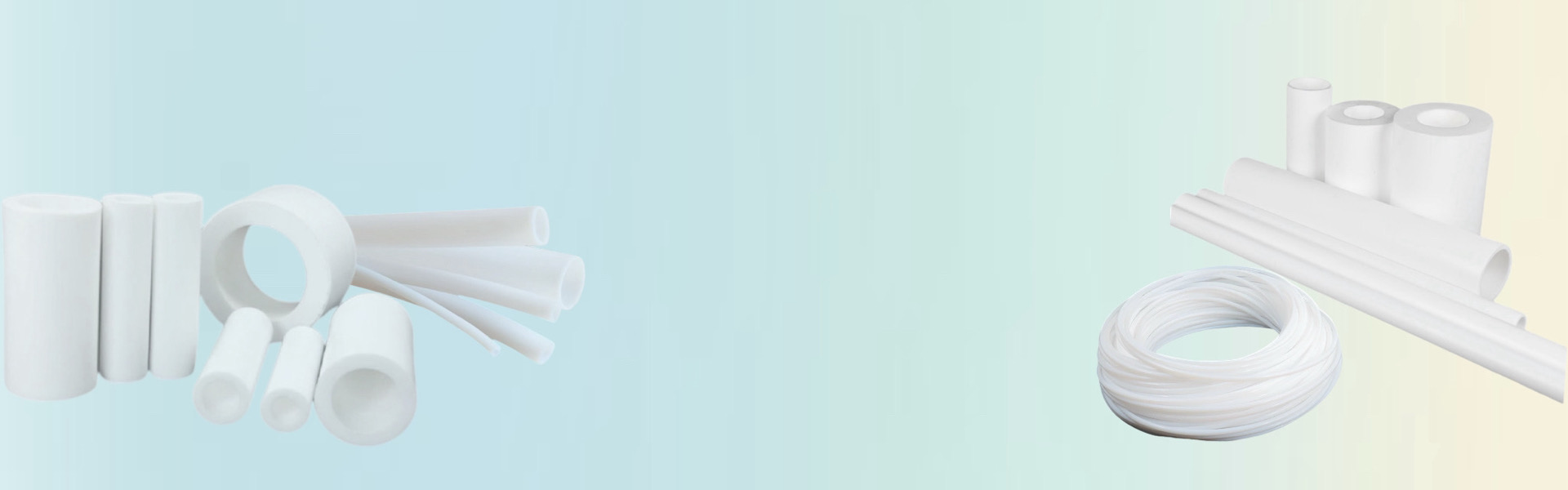
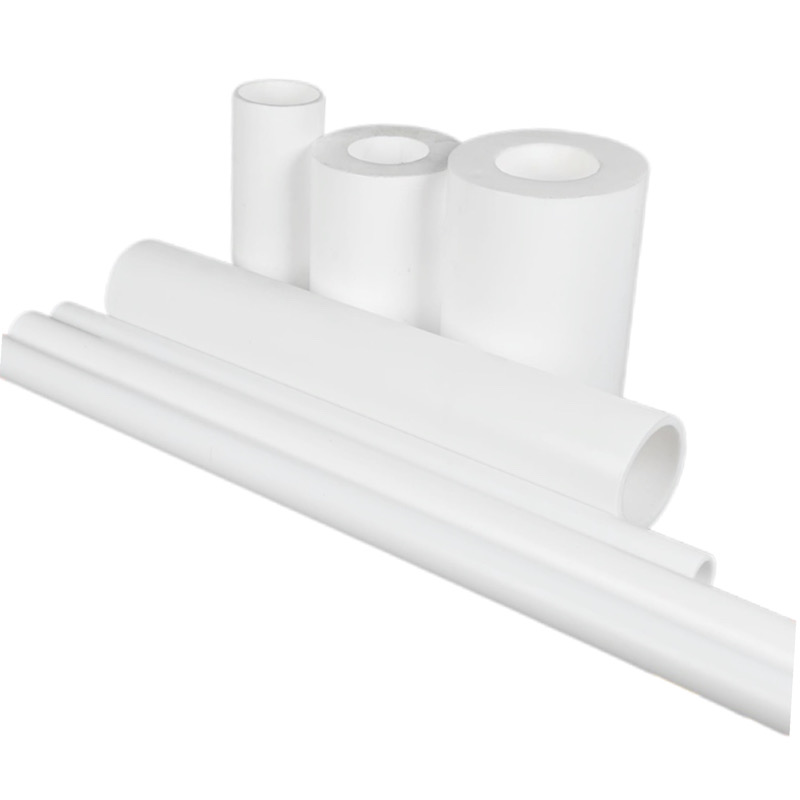
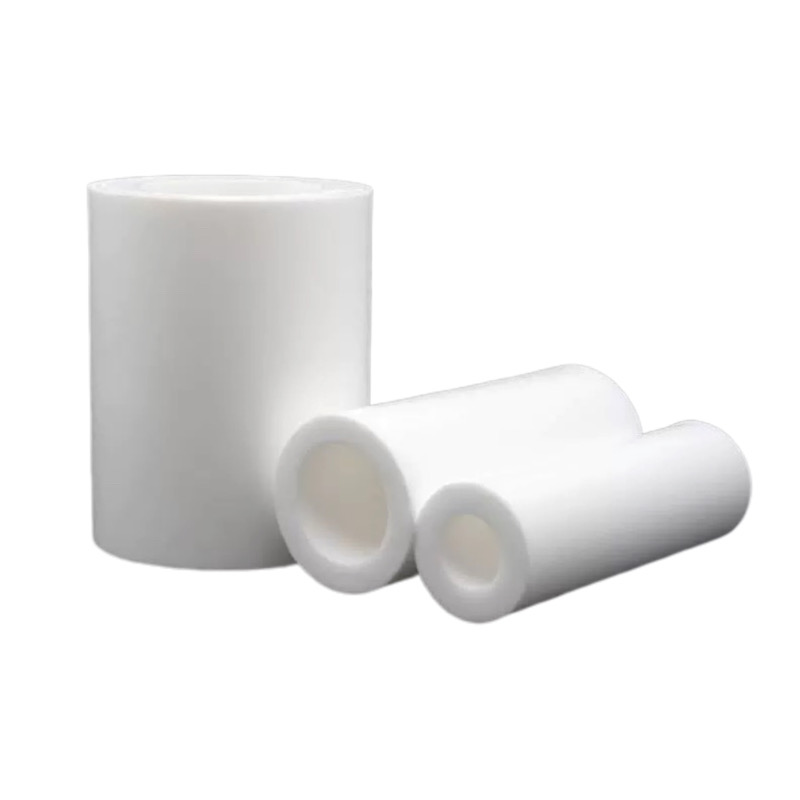
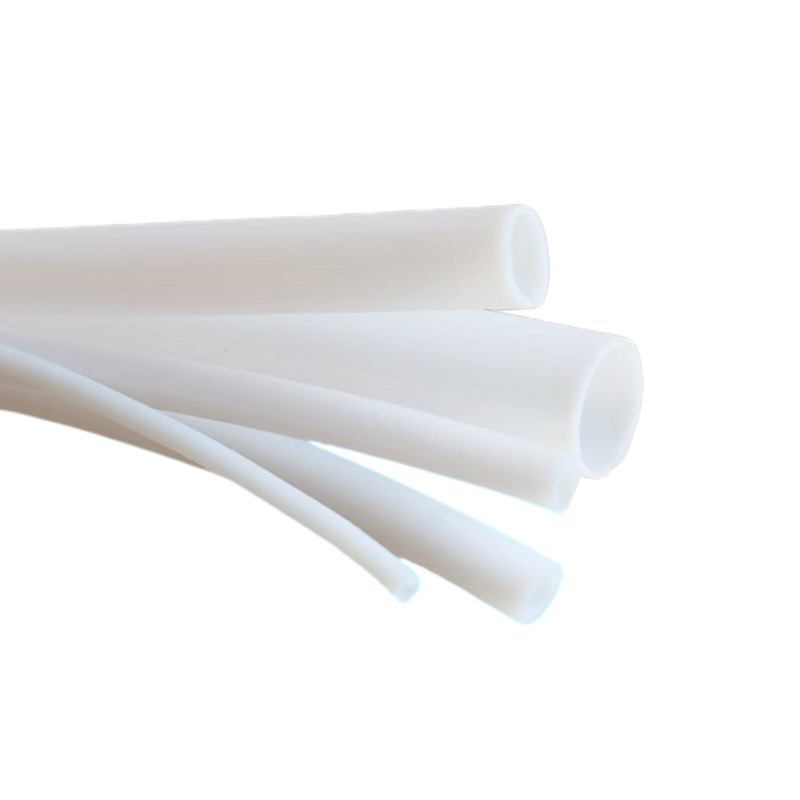
คุณสมบัติของท่อ PTFE
- ทนทานต่อสารเคมี:แทบไม่ทำปฏิกิริยากับสารเคมีใดๆ
- ช่วงอุณหภูมิกว้าง:ตั้งแต่ -328℉ ถึง 500℉ รวมถึง -200℃~260℃
- ฉนวนไฟฟ้า: เหมาะสำหรับสายดาวเทียม
- พื้นผิวไม่ติด: ท่อลำเลียงวัสดุทนกาว, สายพานลำเลียงอาหาร, ท่อส่งของเหลวทางการแพทย์
- การหล่อลื่นด้วยตนเอง:ค่าสัมประสิทธิ์แรงเสียดทานเท่ากับ 0.04
- ความทนทานต่อสภาพอากาศ: ความสามารถในการปรับตัวต่อสภาพอากาศที่แข็งแกร่ง
ผู้ผลิตท่อ PTFE ที่เชื่อถือได้
ท่อ PTFE ของเรามีหลายประเภท ขึ้นอยู่กับวิธีการแปรรูป สามารถแบ่งได้เป็น ท่อขึ้นรูป ท่อรีด และท่ออัด เรายังมีบริการปรับแต่งและตัดตามขนาดที่คุณต้องการ นอกจากนี้ เรายังมีอุปกรณ์แปรรูปเฉพาะทางที่ช่วยให้เราตัดผลิตภัณฑ์เป็นรูปทรงต่างๆ ได้ นอกจากการปรับแต่งขนาดแล้ว เรายังรับผลิตวัสดุตามสั่ง เช่น PTFE ผสมกราไฟต์ ผงคาร์บอน ผงทองแดง และอื่นๆ อีกมากมาย ที่ Hansa เรามุ่งมั่นที่จะให้บริการอย่างจริงใจและดำเนินธุรกิจอย่างซื่อสัตย์ เพื่อตอบสนองความต้องการของคุณให้ได้มากที่สุด
HANSA offers a variety of PTFE tubes to meet the needs of different applications. PTFE molded tubes have an inner diameter of 30-1230mm, with a maximum length of 300mm. PTFE extruded tubes have an inner diameter of 12-420mm, with a maximum length of 4500mm. PTFE pressed tubes have a smaller inner diameter, typically 2-29mm, with no length limit. The smallest PTFE capillary tube has an inner diameter of 0.3mm, with a maximum length of 305 meters.
ท่อ PTFE หลากหลายประเภท คุณสามารถสั่งซื้อได้จาก Hansa

เมื่ออัดออกมาจากแม่พิมพ์เฉพาะเพื่อสร้างโปรไฟล์ต่อเนื่อง ผลิตภัณฑ์จึงค่อนข้างเรียวและยาว

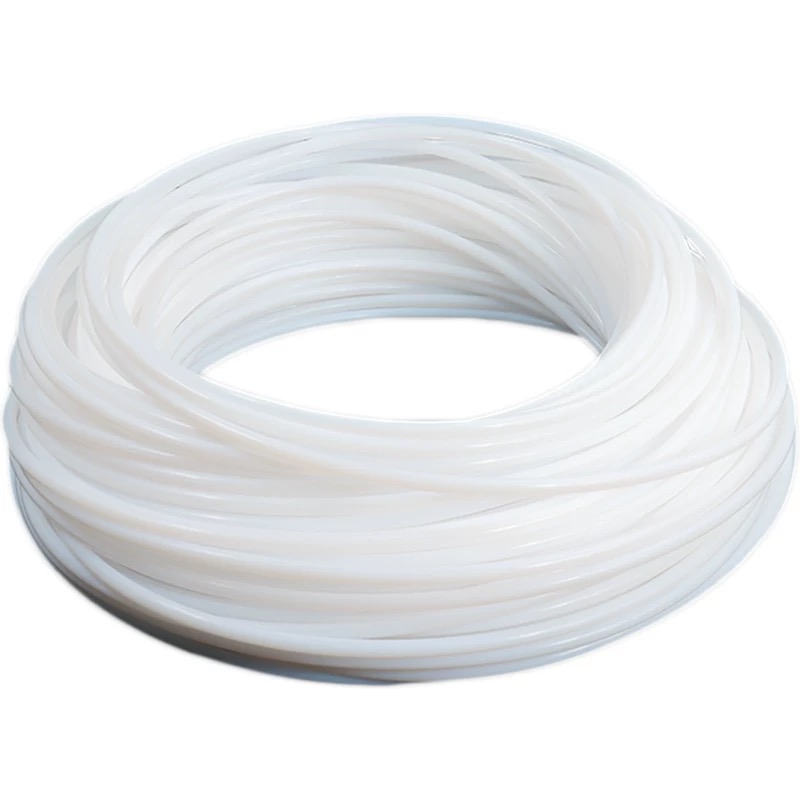
แรงกดจะถูกใช้โดยลูกสูบ ทำให้ได้ผลิตภัณฑ์ที่มีรูปร่างเป็นแถบเรียวที่สามารถดัดเป็นขดลวดได้

ด้วยเส้นผ่านศูนย์กลางภายใน 0.3–1 มม. และความแม่นยำของมิติที่สูง จึงจัดอยู่ในประเภทท่อไมโคร

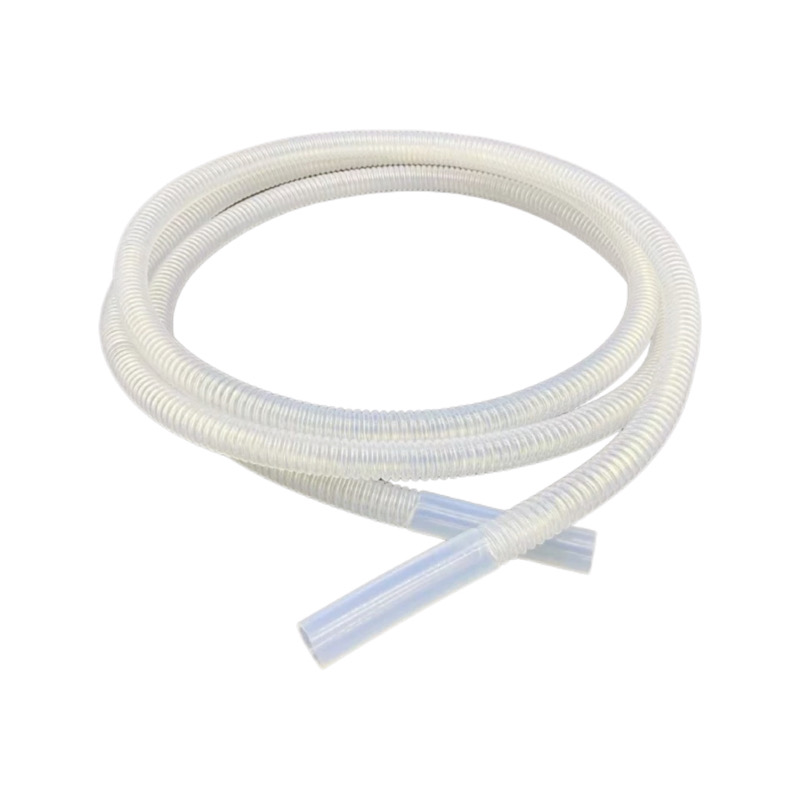
ผสมผสานคุณสมบัติต้านทานการกัดกร่อนของ PTFE เข้ากับความยืดหยุ่นและความสามารถในการขยายตัวของท่อลูกฟูก

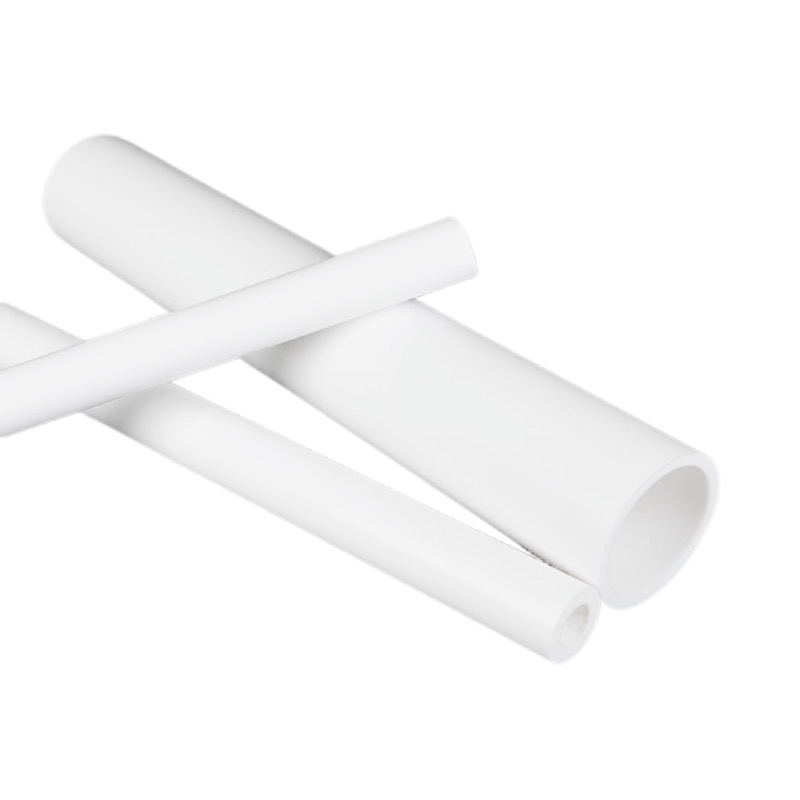
วางเรซิน PTFE ลงในแม่พิมพ์ท่อสำหรับการอัดเย็น จากนั้นหลอมด้วยการเผาที่อุณหภูมิสูง และในขั้นตอนสุดท้ายให้เย็นลงเพื่อสร้างรูปร่างสุดท้าย

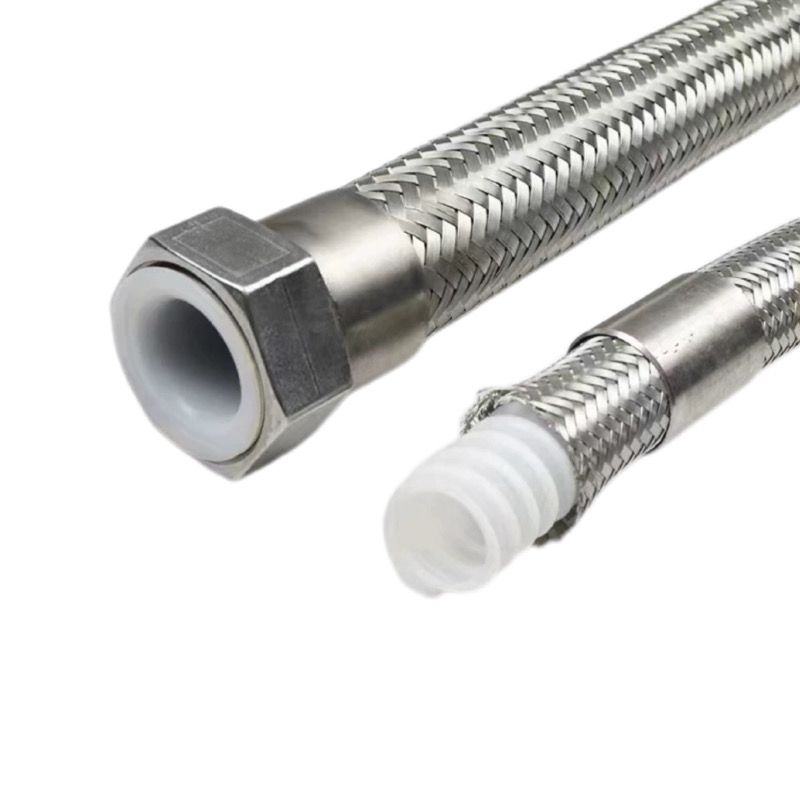
ท่อประสิทธิภาพสูงที่ประกอบด้วยชั้น PTFE ด้านในและชั้นถักสแตนเลสด้านนอก โดยสแตนเลสช่วยให้ทนทานต่อแรงดันและป้องกันแรงกระแทก
Modified PTFE Tubes from HANSA
The properties of PTFE can be enhanced by adding different materials; different fillers enhance different properties.
-
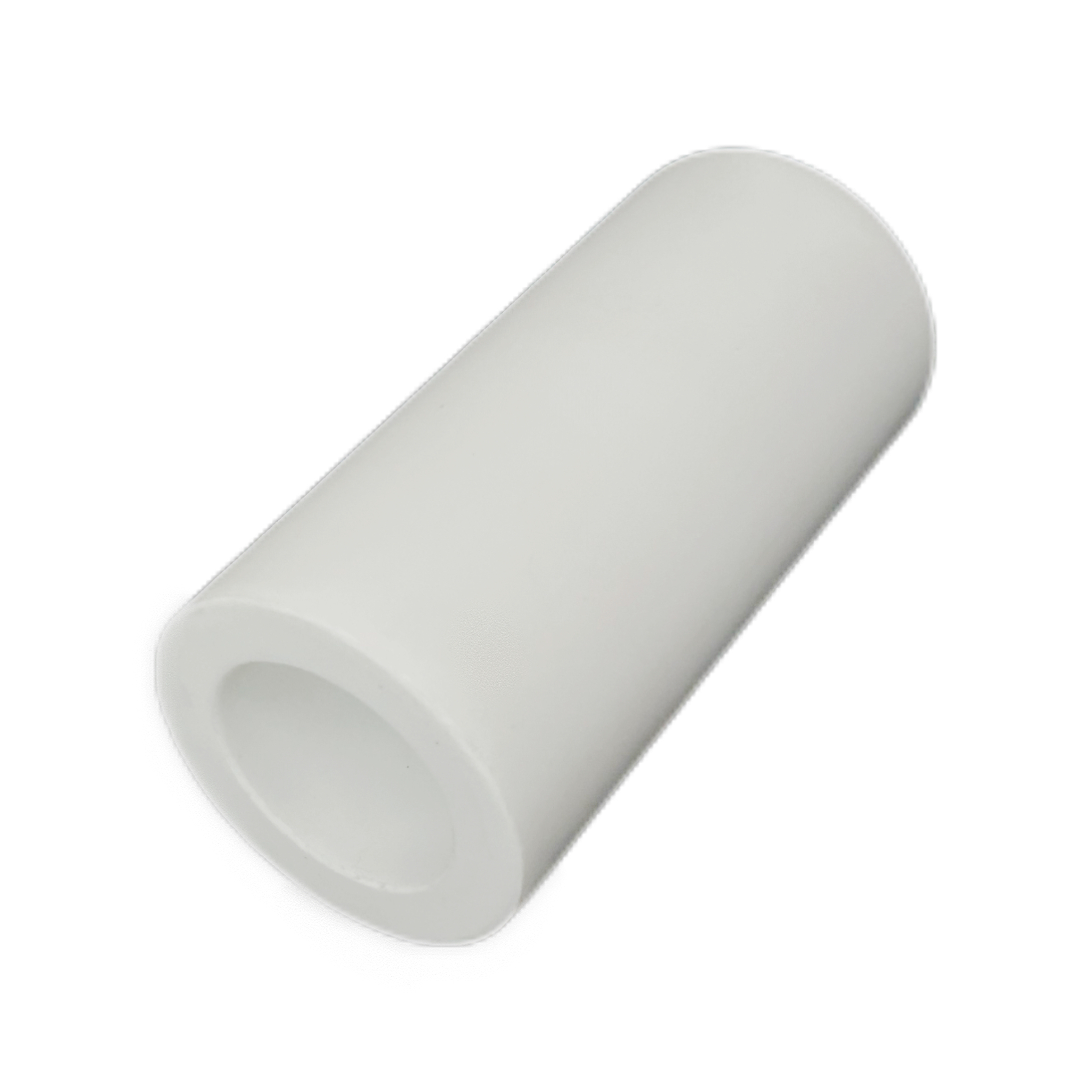 Glass Fiber Filled PTFE Tube
It is slightly darker in color than pure PTFE and has a frosted texture. The glass fiber enhances the hardness and dimensional stability of the PTFE rod, making it more wear-resistant. This is the most economical choice and belongs to the category of general-purpose mechanical wear-resistant parts.
-
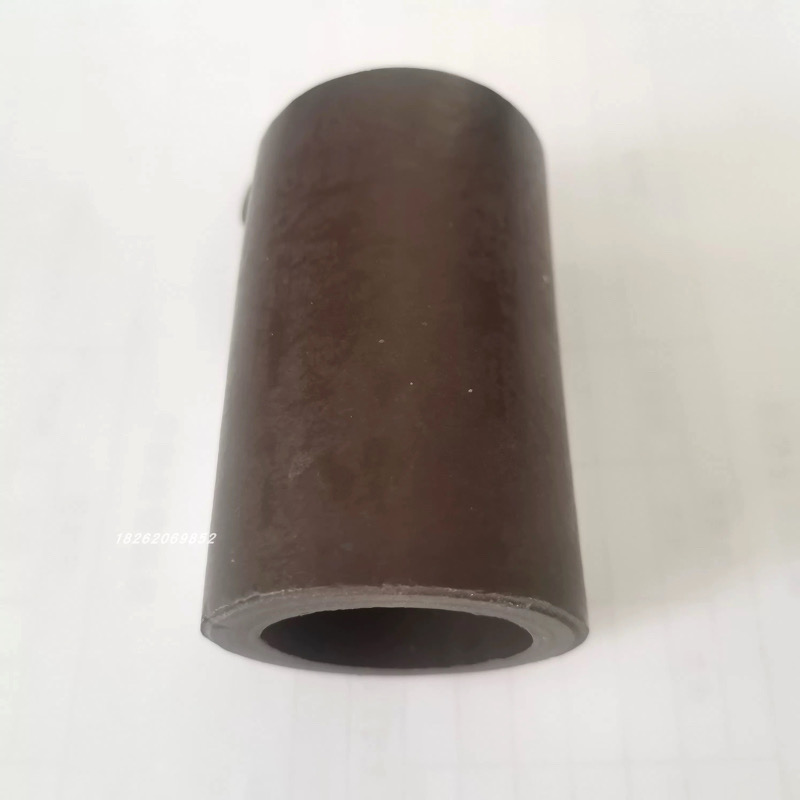 Carbon Fiber Filled PTFE Tube
Carbon fiber offers superior abrasion resistance and creep resistance compared to glass fiber, while also enhancing thermal conductivity, making it suitable for demanding and more rigorous environments.
-
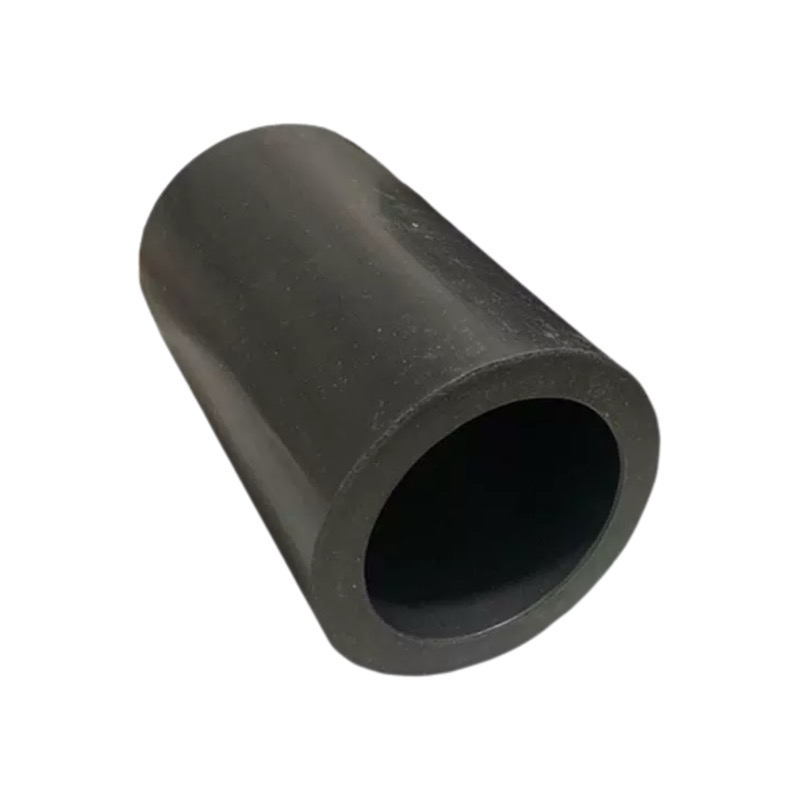 Graphite Filled PTFE Tube
Graphite has a lubricating film in its structure, which can improve the self-lubricating properties of PTFE rods, making it particularly suitable for applications where lubricating greases cannot be used, such as oil-free lubricated parts of compressors.
-
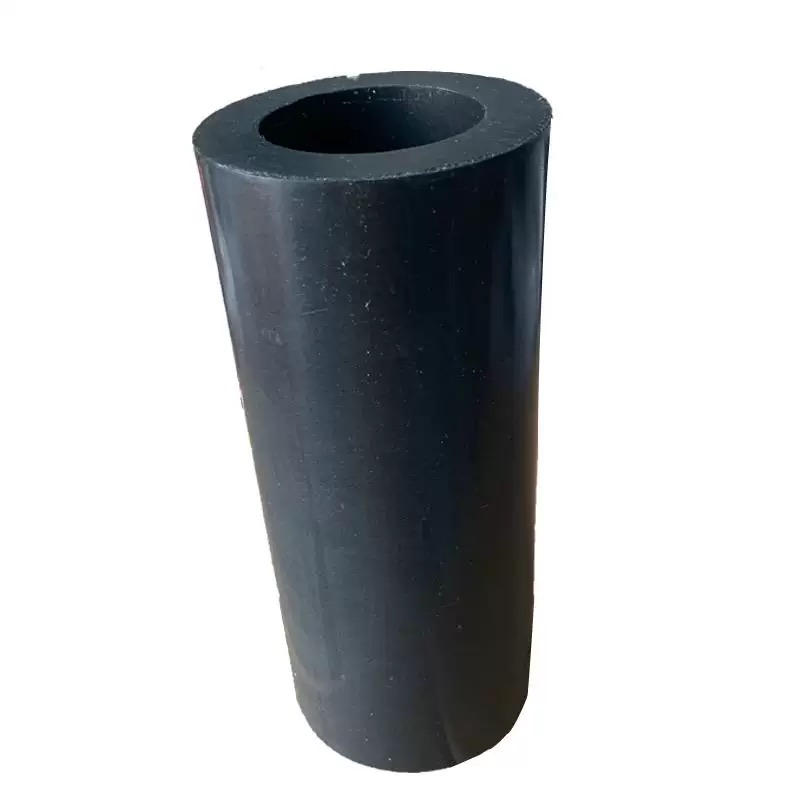 Copper Powder Filled PTFE Tube
Copper powder filling improves the hardness and wear resistance of PTFE rods, but its most significant feature is a substantial increase in the thermal conductivity of PTFE rods. Under conditions of particularly high friction, it can quickly disperse heat energy, preventing PTFE from failing due to overheating.
คุณสมบัติหลักของท่อ PTFE

Exhibits corrosion resistance capable of withstanding aggressive agents and the majority of chemical media.

Demonstrates favorable compressive and creep resistance at ambient temperatures, suitable for low-stress applications.

ช่วงการทำงานครอบคลุมตั้งแต่ -200°C ถึง +260°C สำหรับการให้บริการอย่างต่อเนื่อง โดยทนต่อการสัมผัสในระยะสั้นได้สูงถึง 300°C

ค่าสัมประสิทธิ์แรงเสียดทาน (COF) ต่ำถึง 0.04 โดยมีพื้นผิวเรียบพร้อมคุณสมบัติในการหล่อลื่นตัวเองซึ่งช่วยขจัดความจำเป็นในการใช้สารหล่อลื่นภายนอก

PTFE has inherent self-lubricating properties, with an extremely low friction coefficient of around 0.04, so its surface does not easily stick to or attract fine particles.

The waste PTFE material is ground into powder using a machine and added to the new material as a filler for reuse. However, this reduces the original performance of PTFE and is considered a downgraded recycling process.

The lifespan of PTFE tubing varies depending on the application scenario. In static sealing, the average lifespan is about 5-15 years, while in dynamic sealing, it is 5 years.
PTFE is very stable and does not decompose in the human body. It is a permanent implant with a smooth surface that does not adhere to other human tissues or cells.
การใช้งานของท่อ PTFE
อุตสาหกรรมเคมี:การขนส่งสื่อที่มีฤทธิ์กัดกร่อนสูง สารเคมีที่มีความบริสุทธิ์สูง และท่อเชื่อมต่อสำหรับภาชนะปฏิกิริยา
อิเล็กทรอนิกส์:ปลอกหุ้มฉนวนสำหรับสายไฟและสายเคเบิล ชั้นฉนวนสำหรับแผงวงจร และการป้องกันไฟฟ้าสถิต
ทางการแพทย์:การผลิตท่อส่งของเหลวทางการแพทย์และการสร้างหลอดเลือดเทียม
อุตสาหกรรมอาหาร:ท่อสำหรับอุปกรณ์แปรรูปอาหารและท่อขนส่ง
เครื่องจักร:ตลับลูกปืนเลื่อน บูช ปลอก แหวนลูกสูบ และแหวนนำทาง
การบินและอวกาศ:ท่อส่งน้ำมันเชื้อเพลิง

Why Order PTFE Tubing Products from Us?
- Professional quality management system certification:HANSA provides professional international certifications such as ISO 9001, RoHS, REACH, and SGS, as well as product testing reports, to ensure the quality of our products.
- Offers a variety of options including semi-finished products and finished products:We have ample stock of semi-finished PTFE tubes in a full range of specifications, and our processing capabilities include CNC cutting, milling, turning, and bending, making our products suitable for your application scenarios.
- Advanced production technology:Different manufacturing processes produce PTFE tubes suitable for different applications, including molding, extrusion, pushing, and stretching. If you are unsure which type of PTFE tube is best suited for your project, please contact us for professional advice.
Why HANSA?
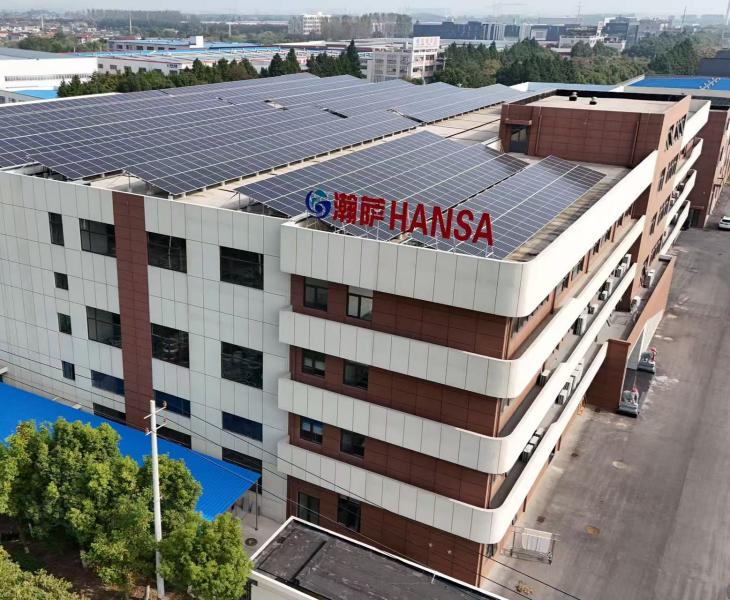
Established in 1995, HANSA has steadily developed into one of the leading fluoropolymer experts in China and a supplier of polytetrafluoroethylene (PTFE) tubing.
We possess professional production knowledge and processing machinery, and have extensive experience in precision machining of parts, including valve seats, seals, insulators, bushings, piston rings, bellows, and custom precision components.
Trust HANSA Trust You

HANSA not only manufactures PTFE tubing, but also other plastic semi-finished and processed products, such as PTFE sheets and rods. We can select the most suitable material for your project based on the drawings you provide.

We have professional international certifications such as FDA, ISO 9001, RoHS, and REACH, proving that our products are reliable and trustworthy.

With 30 years of experience in the industry, we possess advanced production and processing equipment, professional technicians, and a top-notch sales team. We are a united, friendly, and positive family.
Molding processes of PTFE Tube
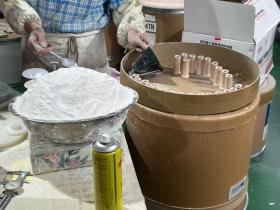
The molding process uses suspension polymerized PTFE fine powder as raw material. Workers pour the fine powder into a customized mold and use tools to compact the powder. The next step is demolding, where the compacted green body is removed from the mold and placed in a sintering furnace for high-temperature sintering to give it its final properties. The final step is cooling and shaping.
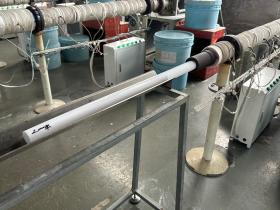
Extruded PTFE tubing uses emulsion-polymerized PTFE fine powder, which has a finer powder composition. During production, it is pre-mixed with an extrusion aid to form a paste, then left to stand at a specific temperature for a period of time to ensure thorough mixing of the powder and aid. This paste is then continuously extruded through an extruder nozzle at room temperature to form a tubular shape. Because the addition of the extrusion aid affects the purity of the PTFE, it needs to be removed by heating to volatilize it. Finally, the tubing is placed in a sintering furnace for high-temperature sintering and then cooled to set the shape.
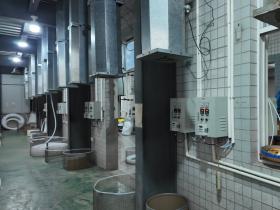
The raw material is suspension polymerized PTFE fine powder. We can roughly divide the die used for pressing into four main zones. The fine powder is poured into the hopper, and the plunger pushes it into the cold die zone for pre-pressing, forming a billet. Then the plunger continues to advance into the preheating zone, where the temperature is approximately the melting point of 327°C, and heating begins. It then advances further into the sintering zone, where the temperature is higher than the melting point, ensuring complete fusion of the PTFE fine powder particles and achieving a certain degree of density. Finally, it enters the heat preservation and cooling zone, where it slowly cools at room temperature. This is only one pressing cycle; in reality, the plunger repeatedly advances and retracts, continuously performing a back-and-forth motion.
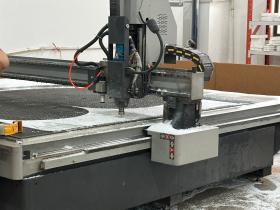
HANSA possesses advanced and comprehensive machining technology, including CNC lathes for turning, milling, and engraving, enabling high-precision and high-efficiency parts processing. CNC lathes can batch-produce sealing rings, O-rings, and other sealing components. Additionally, the company offers laser cutting machines, waterjet cutting machines, and surface treatment equipment.
ข้อมูลจำเพาะของท่อ PTFE จาก Hansa
- คำอธิบายขนาด
- คุณสมบัติหลัก
| พิมพ์ | เส้นผ่านศูนย์กลางภายนอก (มม.) | เส้นผ่านศูนย์กลางภายใน (มม.) | ความหนาของผนัง (มม.) | ความยาว(มม.) |
| ท่อ PTFE ขึ้นรูป | 30-1230 | 10-997 | 5-117 | 100-300 |
| ท่อ PTFE แบบรีดขึ้นรูป | 12-420 | 5-400 | 3.5-10 | 1000,4500 |
| ท่ออัด PTFE | 2-29 | 1-25 | 0.5-2 | ตามคำขอ |
| ท่อแคปิลลารี PTFE | 0.76-9.38 | 0.25-8.26 | 0.255-0.56 | 305ม./153ม./100ม. |
| คุณสมบัติ | หน่วย | ผลลัพธ์ |
| ความหนาแน่นที่ปรากฏ | กรัม/ม³ | 2.10-2.30 |
| ความต้านทานแรงดึง(ขั้นต่ำ) | เมกะปาสคาล | 18.0 |
| การยืดตัวที่จุดขาด(นาที) | % | 230 |
Of course! We have various types of processing equipment and can process custom parts of various sizes and specifications for you to the fullest extent possible.
PTFE tubes have a temperature range of -160℃ to 260℃. Within this temperature range, they can maintain stable physicochemical properties. However, once the melting point of 327℃ is exceeded, they will begin to decompose and release toxic gases.
There is no minimum order quantity for standard specifications, and we have ample stock to ensure timely delivery. Contact us now for the best solution for your project.
Yes, we can provide samples free of charge so you can inspect the quality. We have strict quality control to ensure that the sample quality perfectly matches the quality of your bulk purchase.
If you use the PTFE Tube properly, under normal operating conditions, our PTFE Tube can last for 10-15 years.
PTFE is harmless to humans, a fact confirmed by the FDA. It can be used in the food industry as a beverage transport conduit.
Yes, PTFE tubes come in both rigid and flexible types. Molded tubes are rigid because they are relatively thick, while extruded and push-formed tubes are generally softer and more flexible, allowing them to be rolled up. They can also be made rigid, depending on the specifications and dimensions. We can recommend the most suitable PTFE tube for your project.

 Thai
Thai  English
  Arabic
  Tibetan
  German
  Spanish
  French
  Hindi
Hindi  Indonesian
  Italian
  Japanese
  Korean
  Dutch
Dutch  Portuguese
  Russian
  Swedish
  Chinese