




แผ่น PTFE จาก Hansa
- การใช้งาน: ซีลและสารหล่อลื่นสำหรับใช้ในสื่อต่างๆ รวมถึงฉนวนไฟฟ้าสำหรับใช้ในความถี่ต่างๆ สื่อตัวเก็บประจุ ฉนวนสายไฟ ฉนวนเครื่องมือไฟฟ้า
- อุปกรณ์การแปรรูปเคมี ปะเก็น/ท่อส่งสำหรับท่อ วาล์ว และเครื่องปฏิกรณ์
- ระบบปิดผนึกหน้าแปลน ปะเก็นปิดผนึกอุณหภูมิสูง/แรงดันสูง (HTHP)
- ชิ้นส่วนที่ทนทานต่อการสึกหรอ แผ่นกันสึกหรอแรงเสียดทานต่ำสำหรับไกด์เชิงเส้นและตลับลูกปืน
- วัสดุบุผิวที่ทนต่อการกัดกร่อน วัสดุบุผิวถังกรด/อ่างชุบไฟฟ้า (เช่น ทนทานต่อกรดซัลฟิวริก/ไนตริก)
แผ่น PTFE ฮันซ่า
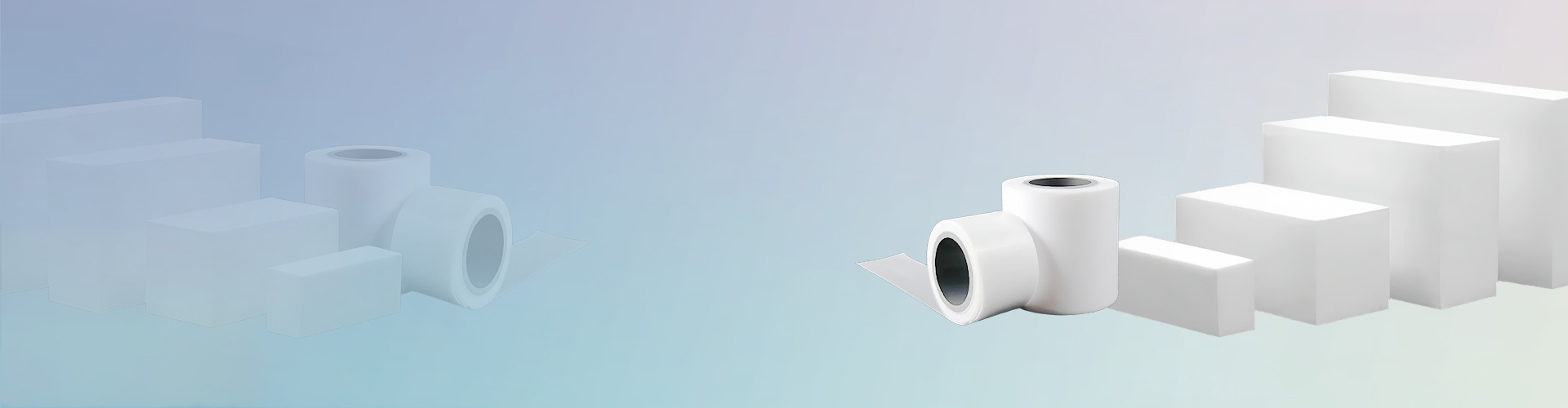
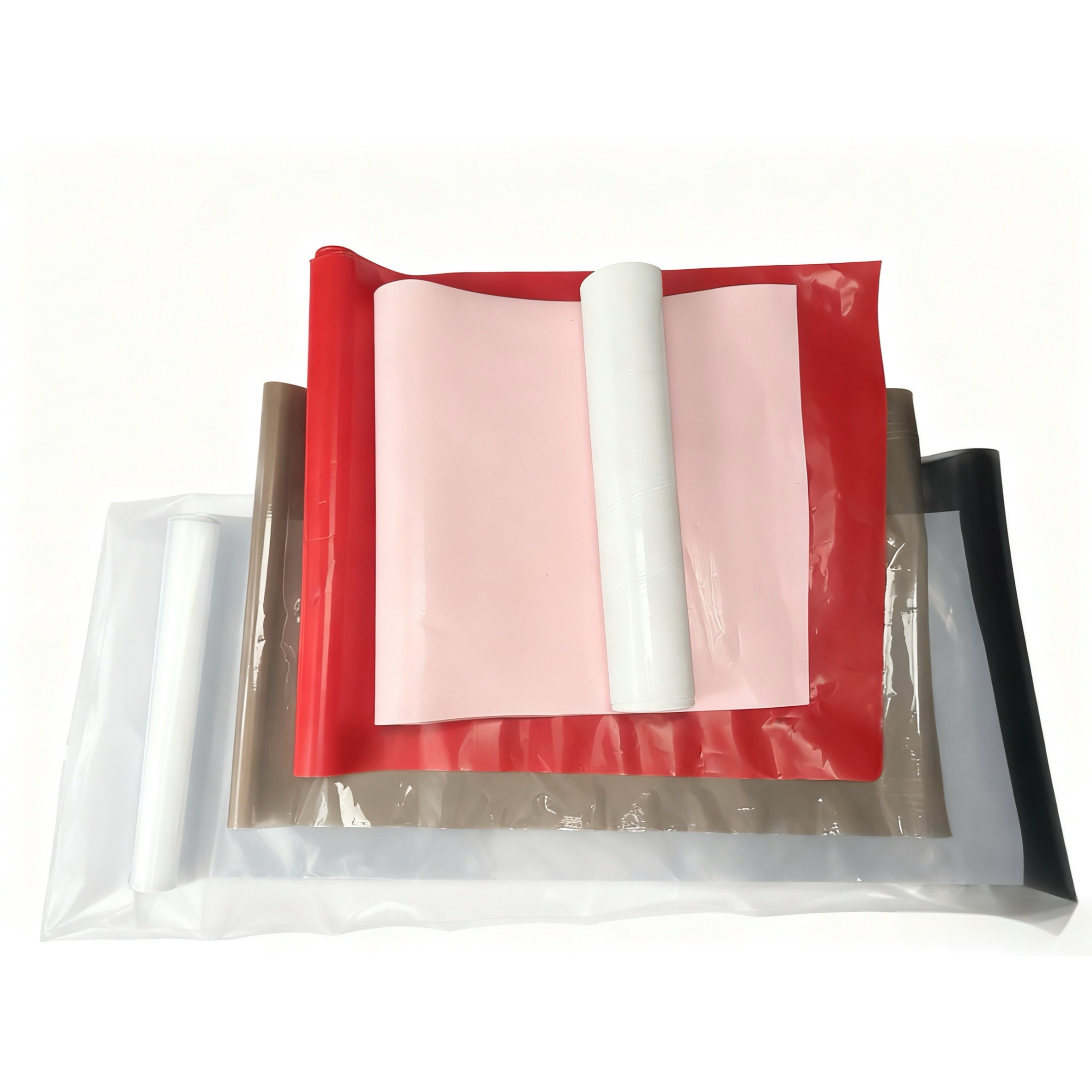
Hansa สามารถจัดหาแผ่น PTFE หรือฟิล์มชนิดต่างๆ ให้คุณได้ ไม่ว่าคุณจะต้องการแผ่น PTFE แบบม้วน แผ่น PTFE เสริมแรง หรือตัดเป็นขนาด เราก็สามารถจัดหาวัสดุคุณภาพสูงให้คุณได้เสมอ ไม่ว่าจะมีขนาดใด สีใด แบบไหน หรือความหนาใด เพียงแค่ส่งความต้องการของคุณมาให้เรา แล้วรับตัวอย่างฟรีเพื่อตรวจสอบคุณภาพ
General-purpose PTFE sheets have a temperature resistance range of -180 to 260 degrees Celsius, making them suitable for most industrial applications. They have a low coefficient of friction, and their most notable characteristic is their chemical inertness, meaning they react with almost no chemical substances.
More Different Types Of PTFE Sheet You can Order From Hansa
แผ่น PTFE มีหลายประเภทซึ่งสามารถแบ่งประเภทได้หลายวิธี: 1. ตามกระบวนการผลิต 2. ตามสารตัวเติม/สารดัดแปลง 3. ตามสี 4. ตามการใช้งาน 5. ตามข้อกำหนด 6. ประเภทพิเศษ – รวมถึงแผ่น PTFE ที่มีรูพรุน (เรียกกันทั่วไปว่า “แผ่น PTFE ขยายตัว”)
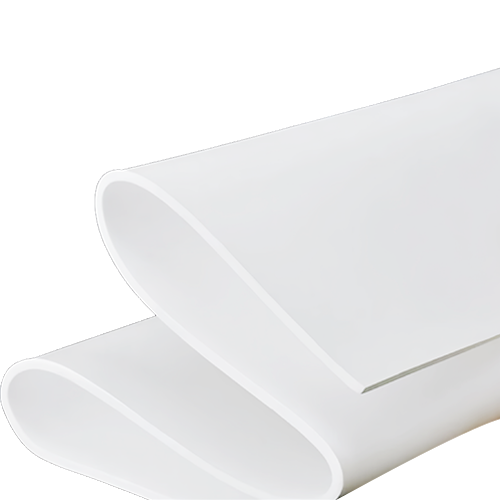
โครงสร้างที่มีรูพรุนขนาดเล็กที่ผลิตขึ้นโดยกระบวนการยืด ใช้ในการกรอง การใช้งานเมมเบรนที่ระบายอากาศ และด้านชีวการแพทย์
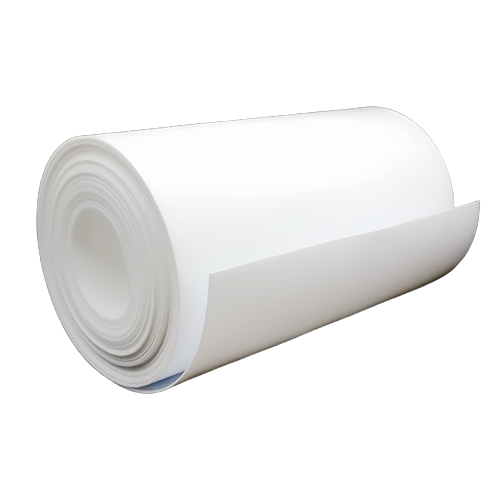
ขนาดสามารถปรับแต่งได้ อนุญาตให้ขายปลีก ความกว้างสูงสุดอยู่ที่ประมาณ 3 เมตร ความหนาสูงสุดสามารถถึง 10 มม. ขึ้นไป
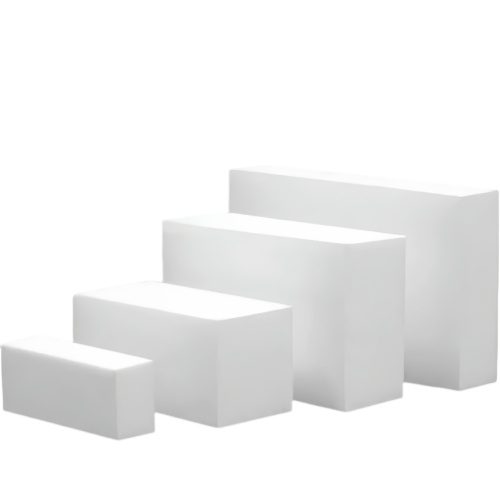
ขนาดสามารถปรับแต่งได้ ขายปลีกได้ ความกว้างสูงสุดสามารถถึง 2 เมตร ความหนาสูงสุดใกล้เคียง 600 มม.
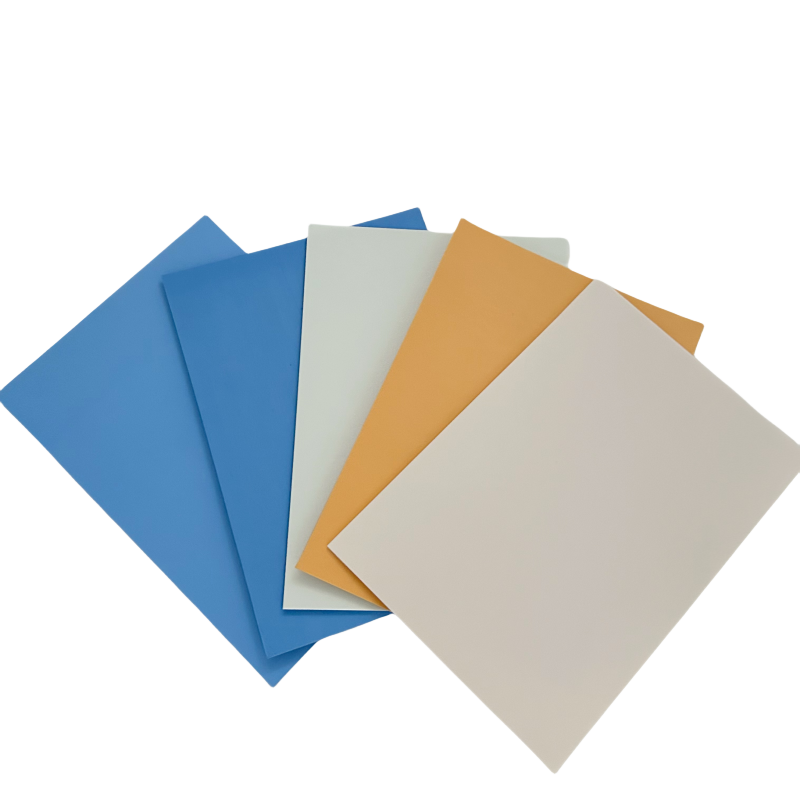
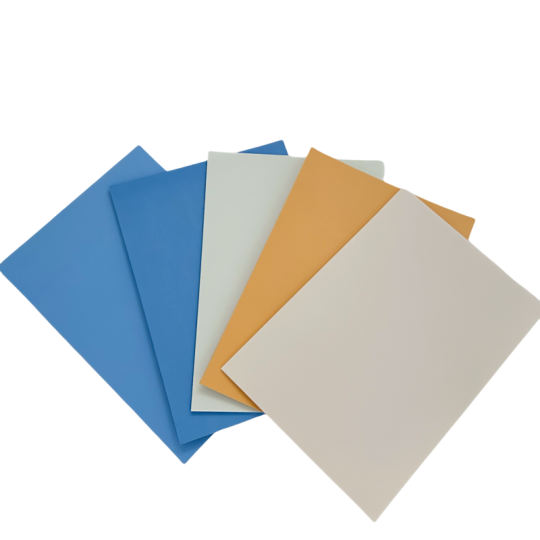
สูตรสารตัวเติมเฉพาะสำหรับการบรรเทาการไหลเย็นใน PTFE พร้อมไมโครบีดแก้วสีน้ำเงิน แบเรียมซัลเฟตสีขาว ซิลิกาสีเหลือง
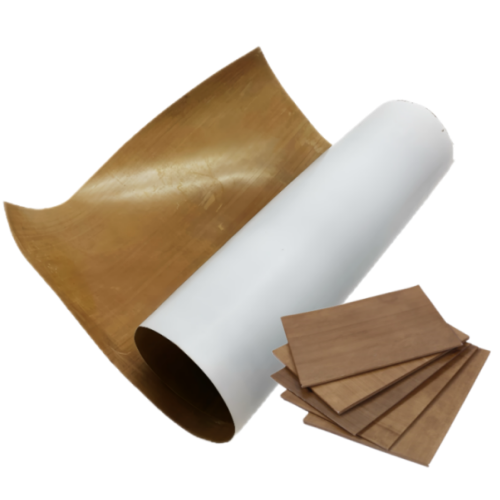
พื้นผิวของพอลิเตตระฟลูออโรเอทิลีนหลังการบำบัดด้วยโซเดียมมีคุณสมบัติชอบน้ำ ซึ่งสามารถยึดติดได้ด้วยกาวธรรมดาเพื่อขยายขอบเขตการใช้งาน

ผลิตด้วยกระบวนการขึ้นรูปแบบรีด เหมาะสำหรับการใช้แผ่นที่บางกว่าพร้อมประสิทธิภาพการผลิตสูง
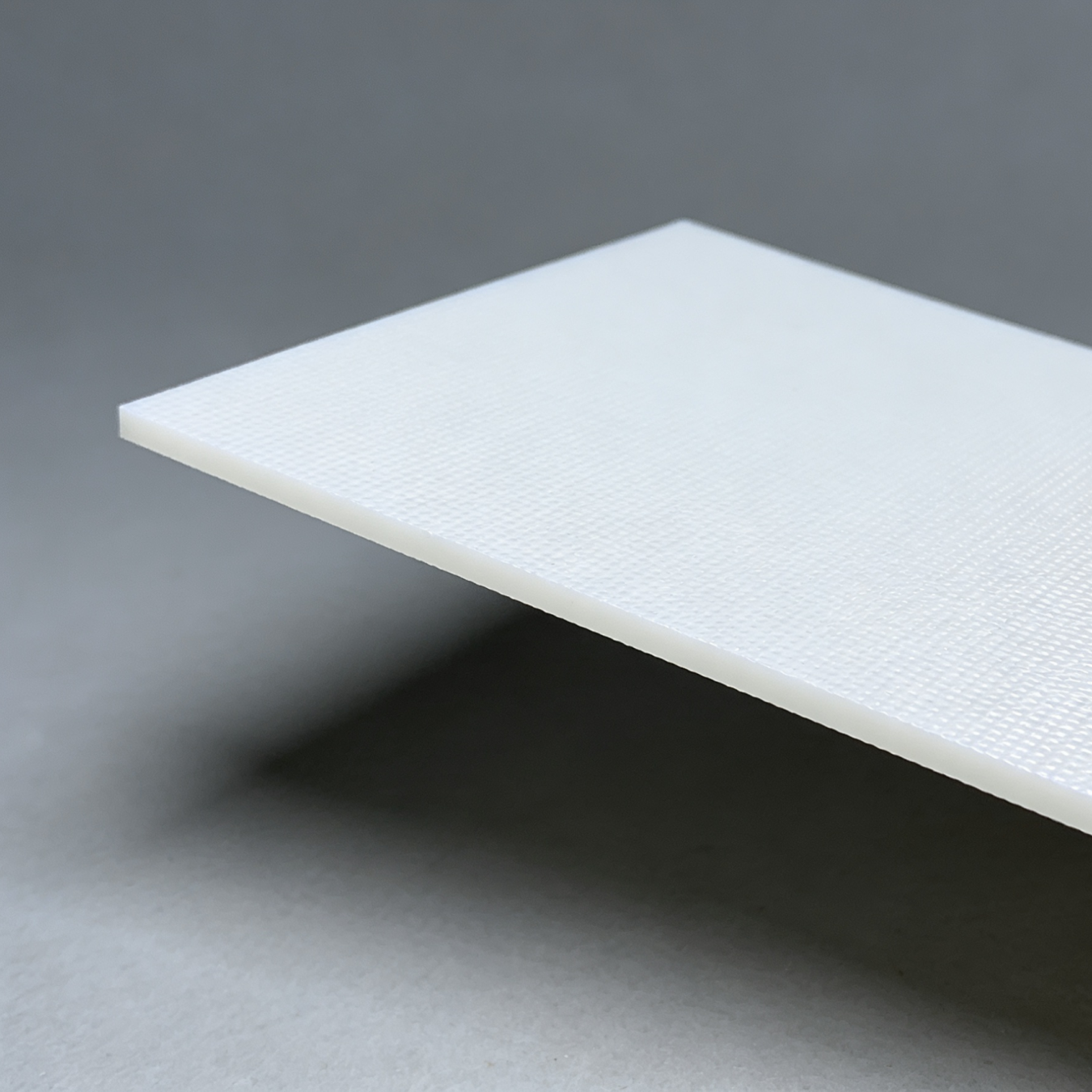
In fact, it involves bonding a fiberglass cloth to one surface of a PTFE skived sheet, giving it the ability to adhere to other surfaces and simultaneously overcoming the limitation of PTFE’s inability to be welded.
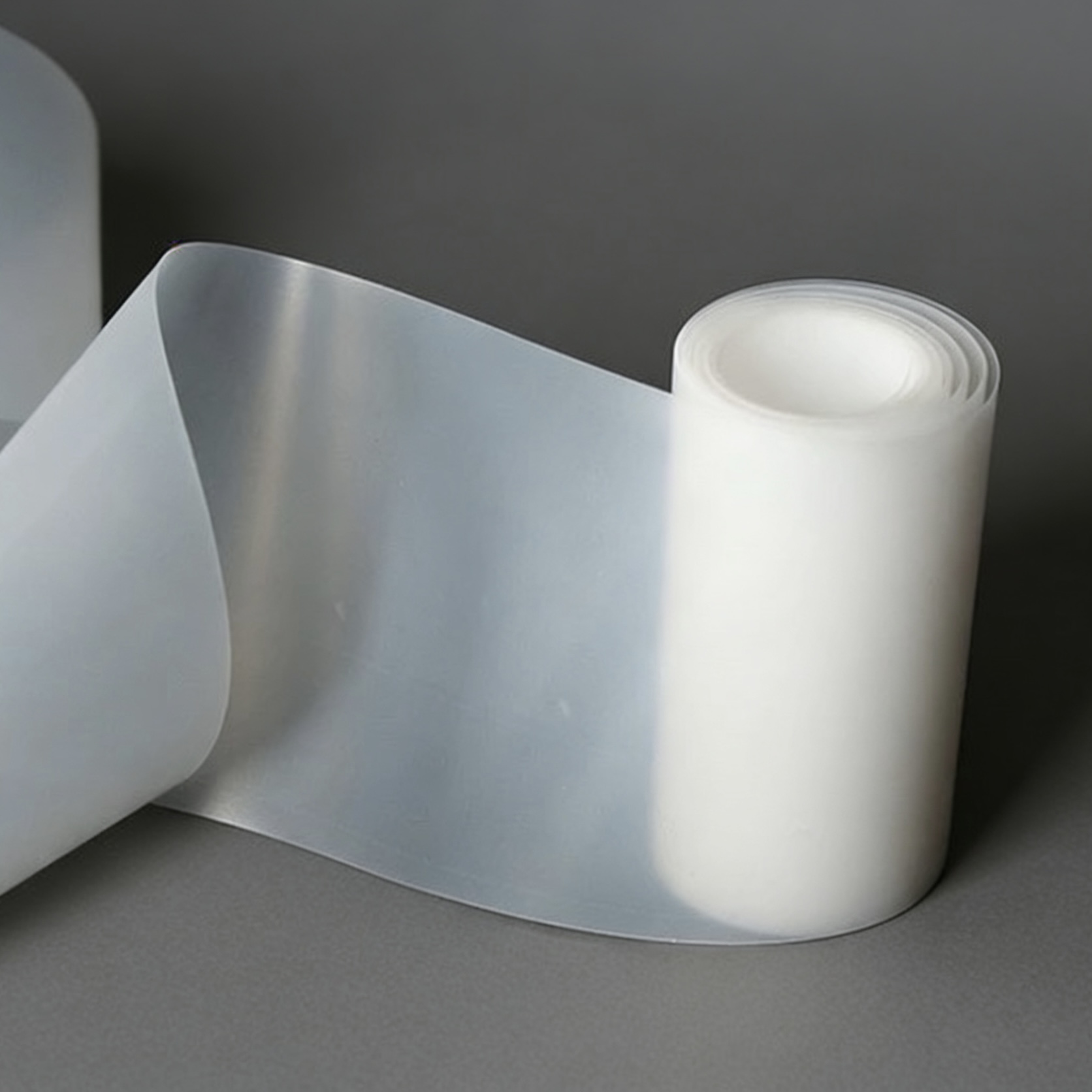
This is commonly used in the electronics industry, particularly in the flat panel display industry. Due to PTFE’s excellent high-temperature resistance and impact resistance, it effectively prevents conductive adhesive from overflowing and contaminating the substrate.
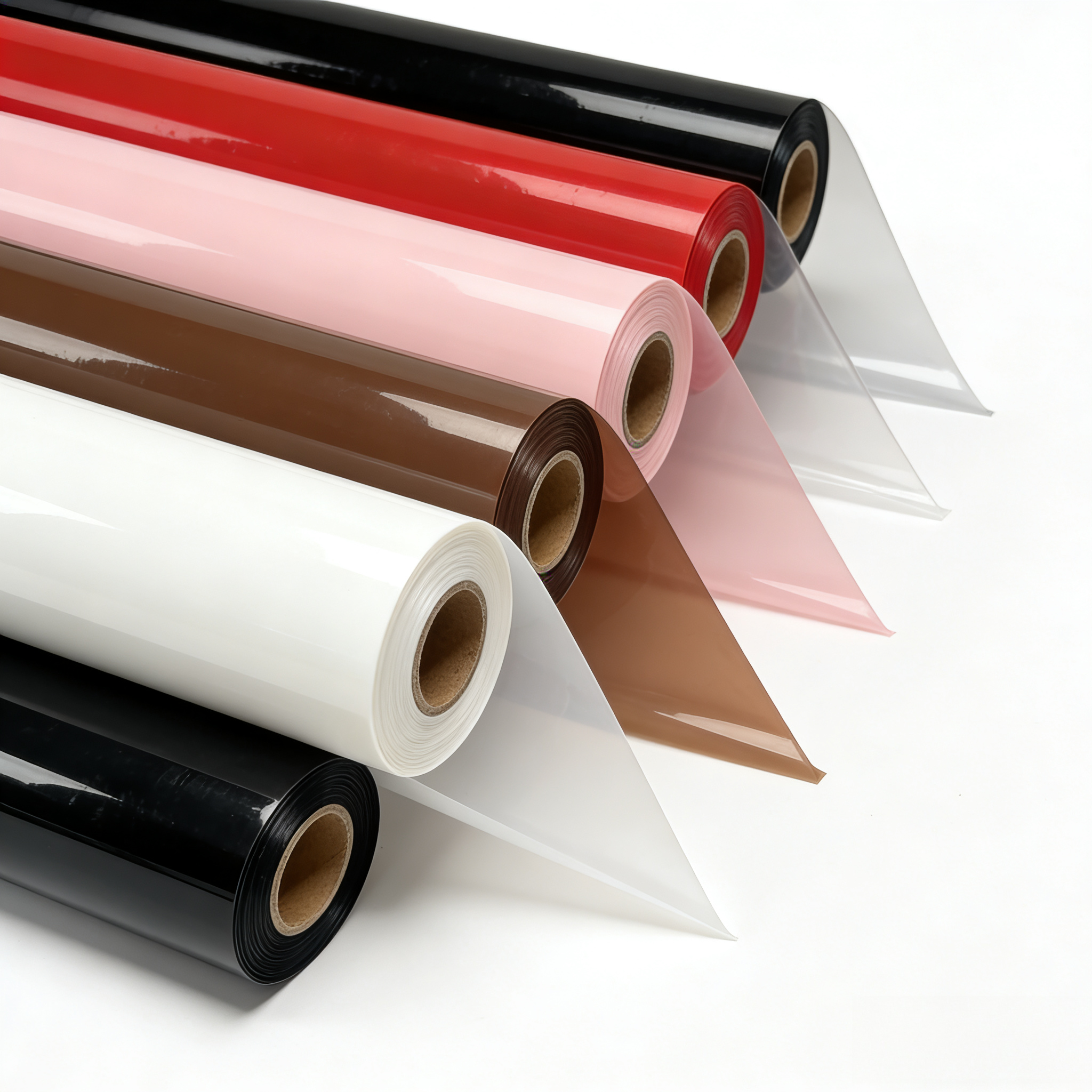
It comes in a variety of colors and serves for identification or decorative purposes. It is commonly used for wire harness classification, pipeline identification in the chemical industry, and as a decorative waterproof layer in high-end buildings.
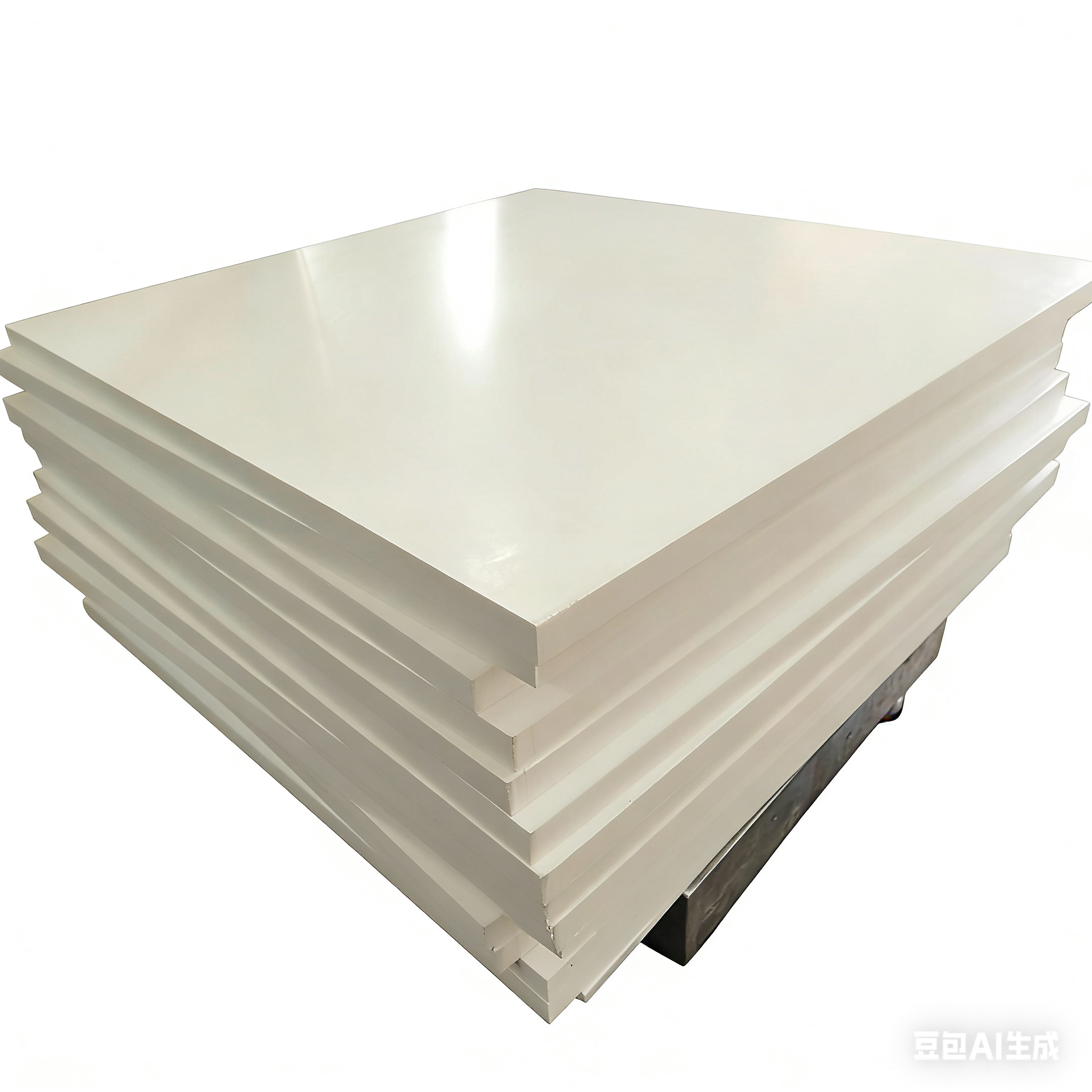
The glass fiber content is typically 15-30%, which greatly improves the mechanical strength of the PTFE sheet, making it twice as strong as general-purpose PTFE sheets and allowing it to maintain dimensional stability under high-pressure conditions.
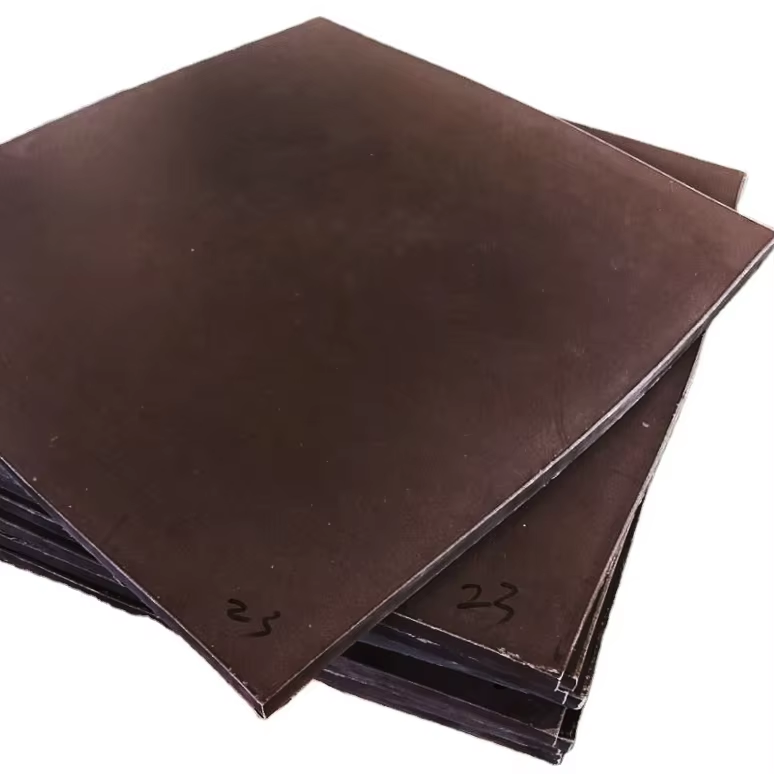
With a copper powder content of 20-40%, it exhibits excellent thermal conductivity, 5-10 times that of ordinary PTFE sheets, but its corrosion resistance is reduced, limiting its use to neutral corrosive media.
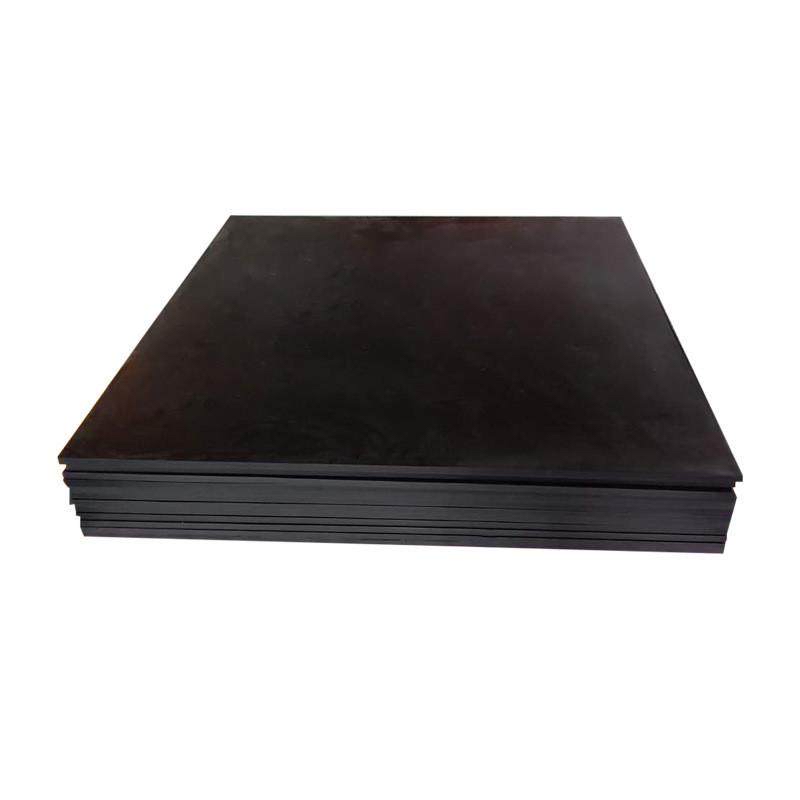
Typically, increasing the graphite content by 10-25% enhances the self-lubricating properties of general-purpose PTFE sheets, resulting in a very low coefficient of friction. However, it also leads to lower hardness, and the price is slightly higher than that of standard general-purpose PTFE sheets.
คุณสมบัติหลักของแผ่น PTFE

แสดงให้เห็นถึงความต้านทานแรงอัดและการคืบคลานที่ดีที่อุณหภูมิแวดล้อม แต่อาจอ่อนตัวลงภายใต้อุณหภูมิสูง เหมาะสำหรับการใช้งานที่มีความเครียดต่ำ

ค่าสัมประสิทธิ์แรงเสียดทาน (COF) ต่ำถึง 0.04 โดยมีพื้นผิวเรียบพร้อมคุณสมบัติในการหล่อลื่นตัวเองซึ่งช่วยขจัดความจำเป็นในการใช้สารหล่อลื่นภายนอก

แสดงให้เห็นถึงความทนทานต่อการกัดกร่อนที่สามารถทนต่อสารกัดกร่อนและสารเคมีส่วนใหญ่ได้ (pH 0-14)

ช่วงการทำงานครอบคลุมตั้งแต่ -200°C ถึง +260°C สำหรับการให้บริการอย่างต่อเนื่อง โดยทนต่อการสัมผัสในระยะสั้นได้สูงถึง 300°C
การประยุกต์ใช้แผ่น PTFE
ทางอุตสาหกรรม:ซีล ปะเก็น ลูกปืน ส่วนประกอบวาล์ว และซับในสำหรับท่อและถัง
อิเล็กทรอนิกส์: ฉนวนสำหรับแผงวงจร ขั้วต่อ และส่วนประกอบอิเล็กทรอนิกส์
ยานยนต์: บูช ท่อยาง และสารเคลือบสำหรับท่อเชื้อเพลิง
อาหารและเครื่องดื่ม:สายพานลำเลียง แม่พิมพ์ และภาชนะต่างๆ
ทางการแพทย์:สายสวน อุปกรณ์ปลูกถ่าย และอุปกรณ์ห้องปฏิบัติการ

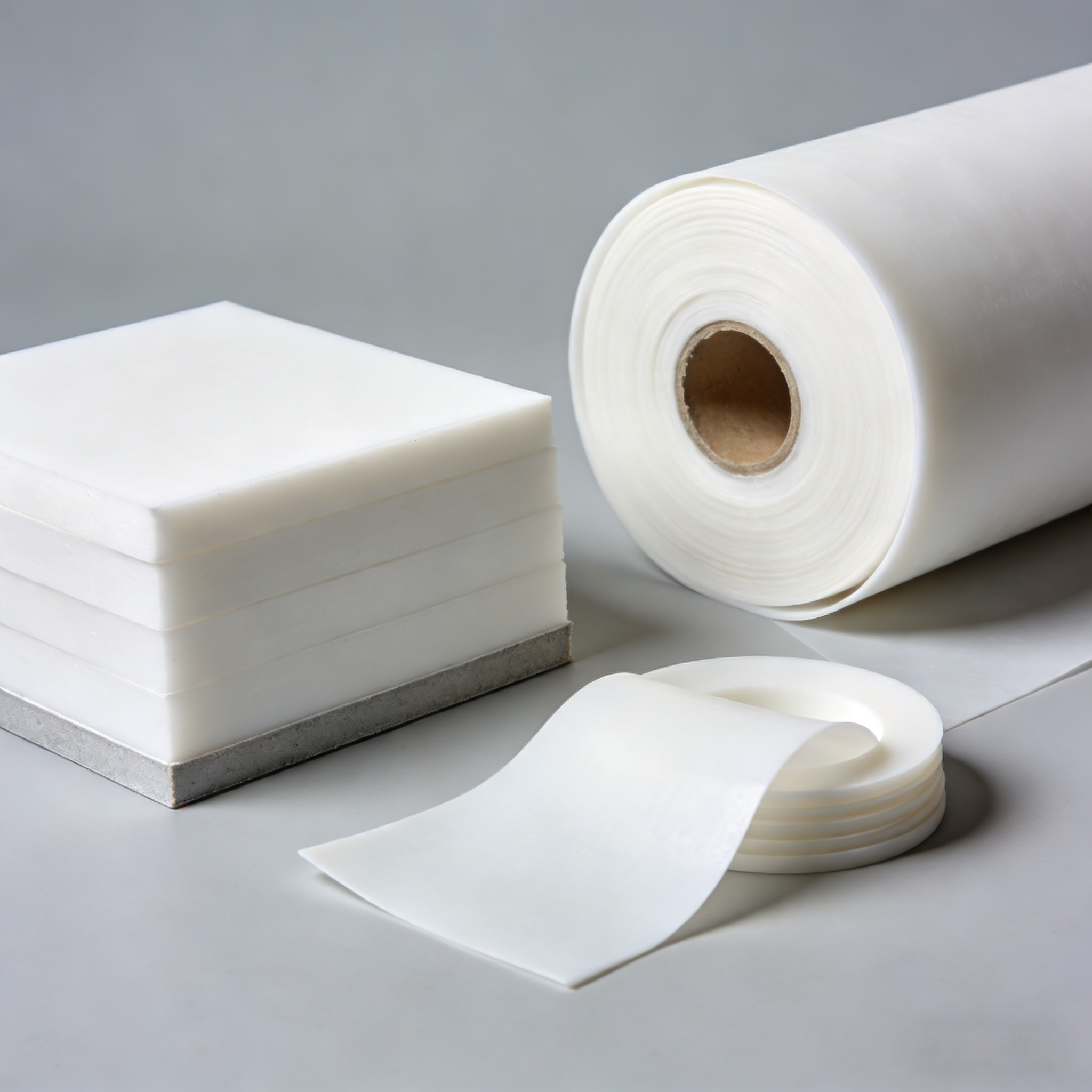
Your Benefits
- HANSA possesses a complete product quality control system and holds certifications such as FDA, RoHS, and ISO, ensuring that our product quality meets international standards.
- HANSA offers customized services to meet your specific needs regarding the size, thickness, color, or filler materials of PTFE products, ensuring that the products fully meet your expectations. Our professional staff will stay in contact with you to answer any questions you may have.
- HANSA products offer both quality and competitive pricing, focusing on value for money. This not only saves you procurement costs but also eliminates concerns about delivery times. If you order standard products, we have ample stock and can guarantee shipment within 7 days. For customized products, we promise you will receive your order within the agreed timeframe, thanks to our stable and long-term international logistics partners.
- HANSA has 30 years of experience in the production of PTFE products and possesses mature manufacturing and processing technologies. Our sales team is professional and highly responsible, with 20 years of experience in the industry, and can provide comprehensive technical support.
Mature inventory management system
We maintain a readily available stock of standard PTFE sheets, and we have a dedicated inventory management system to facilitate the tracking and management of our stock. When you need to order specific specifications, we can accurately check the current quantity in stock and supply them promptly to meet your urgent needs.
Stable logistics partners
HANSA has established long-term partnerships with three international logistics companies: FedEx, DHL, and UPS, to meet your transportation needs to the greatest extent possible. For packaging, we use wooden crates with foam padding to protect your products and prevent damage during transit.
Company Resource

Is PTFE sheet suitable for your project? If you’re unsure, please contact us, and we will arrange for a professional to assist you. Here is our company’s catalog, which you can download and view.

Do you have doubts about product quality? Worried that the product you receive won’t be what you expected? HANSA can alleviate your concerns, as we provide professional test reports and product certificates. Click to learn more!

HANSA has professional personnel equipped for molding, turning, and CNC machining operations. This is our promotional video, which will allow you to learn about our company in the shortest possible time!
Typical Application Scenarios for PTFE Sheets
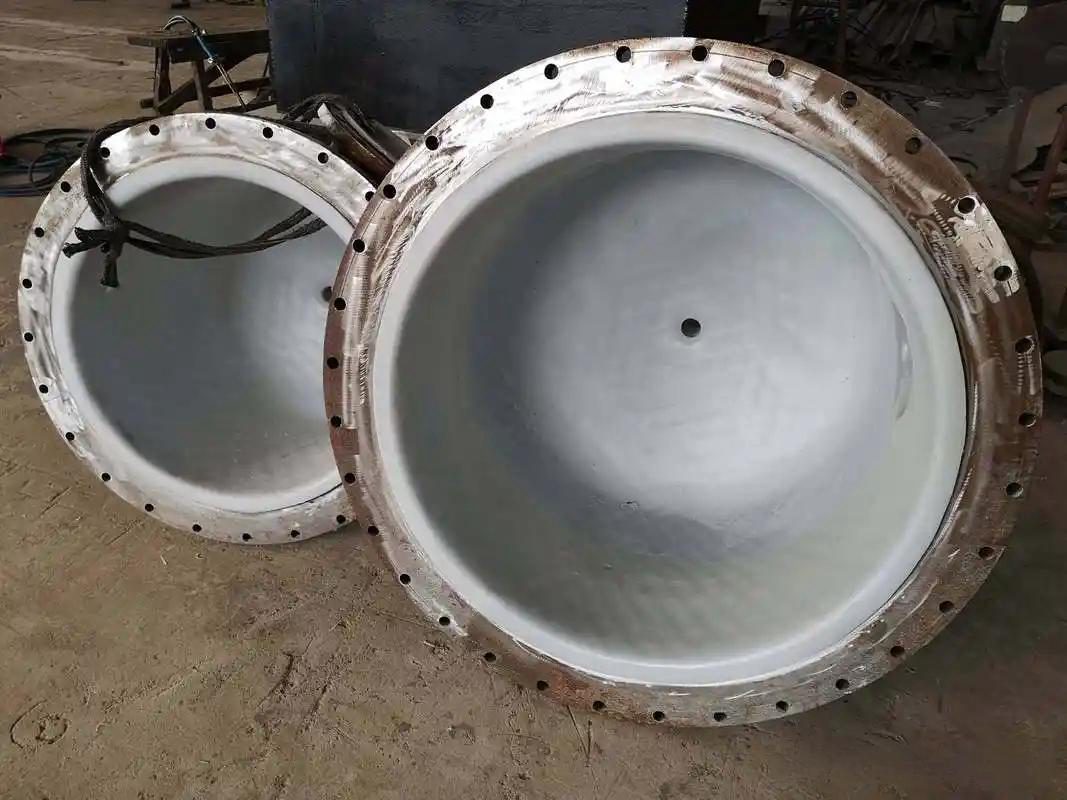
The most classic application of PTFE skived sheets is as a lining for chemical reactors, because PTFE has excellent chemical inertness and hardly reacts with any chemical substances, making it resistant to strong acids, strong bases, and other corrosive liquids. After adhesive treatment, the PTFE skived sheet adheres tightly to the reactor, and our professional technology ensures that it will not detach, extending the service life of your chemical equipment.
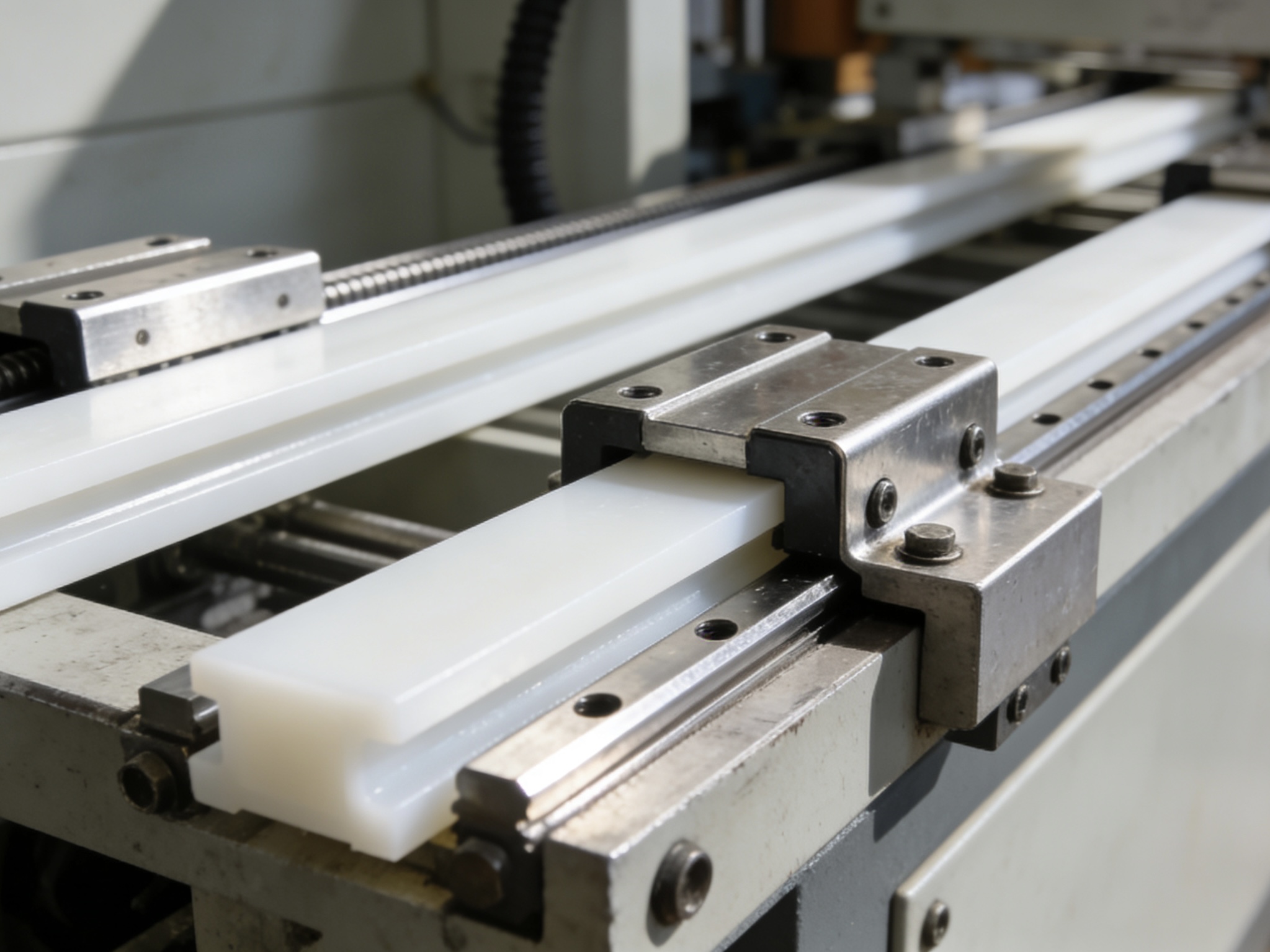
Due to PTFE’s extremely low coefficient of friction (only 0.04) and excellent self-lubricating properties, it is widely used in the manufacture of sliding bearings, guide rails, and piston rings, which can reduce equipment wear and save on production costs.
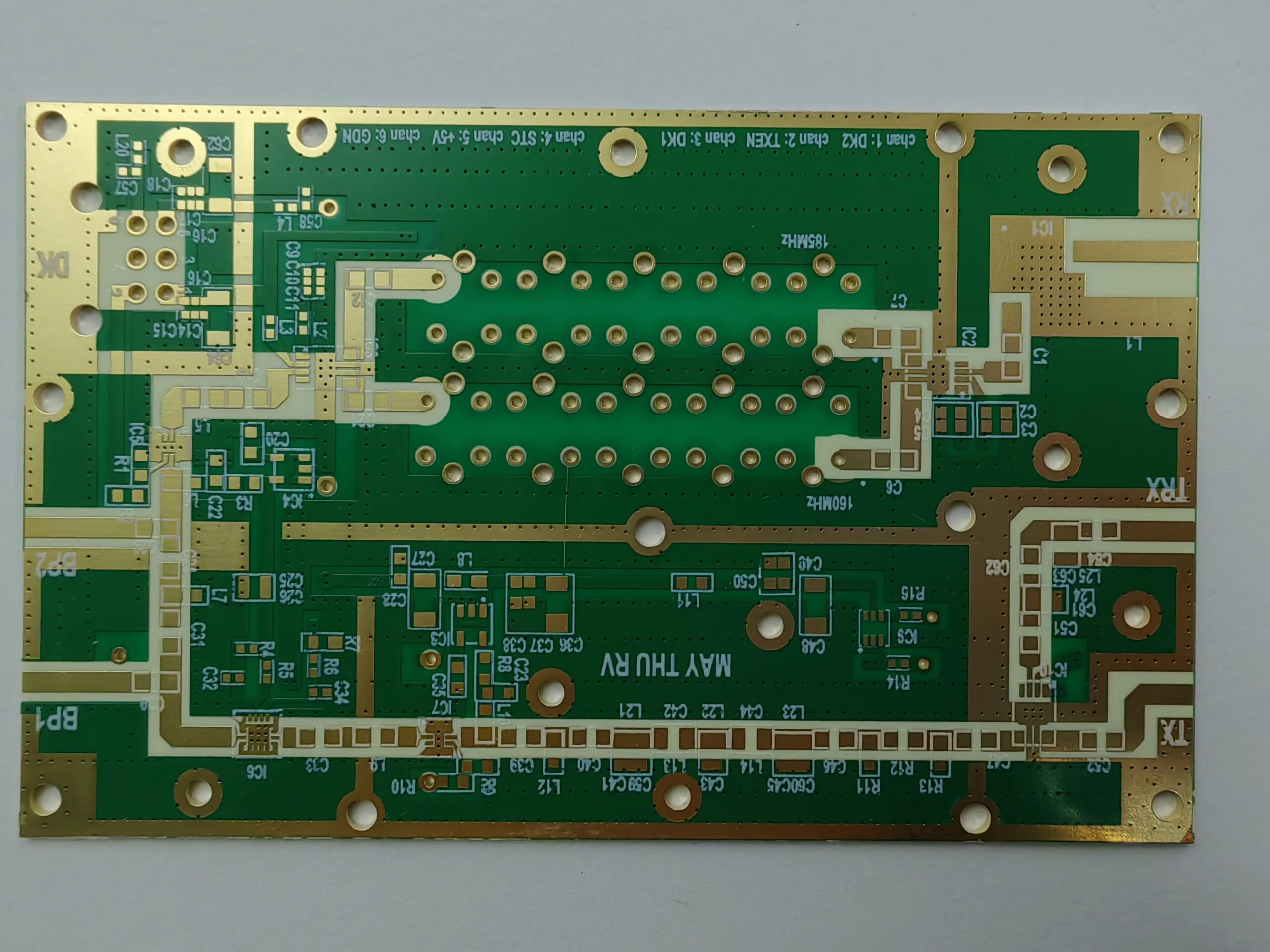
After processing, PTFE sheets can be used as substrates for printed circuit boards (PCBs), insulating gaskets, etc. This is because PTFE has excellent insulation properties, high temperature resistance, and very low dielectric constant and loss factor, resulting in minimal signal transmission loss.
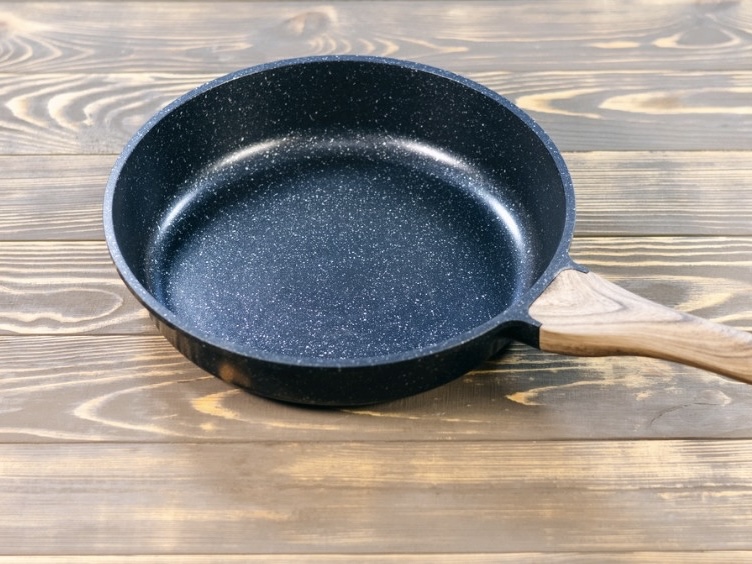
There are specialized medical-grade PTFE materials used in high-end medical equipment, such as sterile seals or artificial heart valves. There is also food-grade PTFE, specifically labeled as harmless to humans, which can be used as a lining for household baking utensils, such as non-stick pans and oven trays.
ข้อมูลจำเพาะของ PTFE ดัดแปลงจาก Hansa
- คำอธิบายขนาด
- คุณสมบัติของ PTFE บริสุทธิ์
- Etched PTFE Properties
- แผ่น PTFE ดัดแปลง
| พิมพ์ | Size Description |
| แผ่น PTFE ขึ้นรูป | Regular size is Square: width x Length, from 150mm – 2000mm
Thickness: 4mm – 500mm |
| แผ่น PTFE ขัดผิว | Width 300,400,500,800,1000,1200,1300,1400,1500,1600,1800,2000,2200,2500,2700mm ,Length ≥200
Thickness: 0.1-6.5mm |
| PTFE Film | Thickness: 0.02-0.5mm
Length ≥100 |
| แผ่น PTFE ขยายตัว | Width and Length: regular 1500*1500
Thickness: 0.5-10mm |
| คุณสมบัติ | หน่วย | ผลลัพธ์ |
| ความหนาแน่นที่ปรากฏ | กรัม/ตรม. | 2.10~2.30 |
| ความต้านทานแรงดึง(ขั้นต่ำ) | เมกะปาสคาล | 15.0 |
| การยืดตัวที่จุดขาด(นาที) | % | 150 |
| ความแข็งแรงของไดอิเล็กทริก(ขั้นต่ำ) | กิโลโวลต์/มม. | 10 |
| คุณสมบัติ | หน่วย | ผลลัพธ์ |
| ความหนาแน่น | g/cm³ | ≥2.18 |
| ความแข็งแรงแรงดึง | เมกะปาสคาล | ≥30 |
| การยืดตัวเมื่อขาด | % | 300 |
| NO. | Filled Compound And | ความต้านทานแรงดึง Mpa นาที | อัลติเมท สเตรงท์ % ขั้นต่ำ | Compression Strength Mpa |
| Content By Wt | min | |||
| 1 | 20% ไฟเบอร์กลาส | 10 | 120 | 16 |
| 2 | 25% ไฟเบอร์กลาส | 10 | 100 | 16 |
| 3 | 20%Glass Fiber 5%Graphite ใยแก้ว | 10 | 120 | 16 |
| 4 | 60%Bรอนซ์ | 10 | 80 | 20 |
| 5 | 15%Carbon Fiber | 11 | 130 | 16 |
| 6 | 24%Bronze 12%Glass Fiber | 9 | 100 | 16 |
| 6%Carbon | ||||
| 7 | 15%Glass Fiber 10% Poly – | 10 | 120 | 16.7 |
| imide5%Graphite |
Teflon and PTFE are essentially the same thing, both referring to the material polytetrafluoroethylene. The difference is that Teflon is a registered trademark, originally owned by DuPont, and now owned by Chemours, an independent company spun off from DuPont.
- Difficult to Process, High Cost: Due to PTFE’s unique properties, it has an extremely high melting point and requires special processing techniques, like “cold pressing,” which is time-consuming and requires specialized equipment. This makes PTFE expensive and challenging to process.
- Poor Creep Resistance: Compared to materials like nylon and PEEK, PTFE has lower hardness and rigidity. In practical applications, if PTFE is continuously under pressure, it may permanently deform over time.
- Decomposes and Releases Toxins at High Temperatures: When PTFE is exposed to temperatures above 260°C for long periods, it begins to break down and release toxic substances. At temperatures exceeding 350°C, the decomposition process accelerates, releasing harmful fumes.
- Non-Biodegradable: PTFE’s high thermal stability prevents it from naturally degrading. Recycling PTFE requires high temperatures, which can release toxic by-products, leading to environmental pollution and potential harm to human health.
The lifespan of PTFE depends on its application environment. Under clean conditions and normal operating temperatures, PTFE can last for 10-50 years. However, if it operates under high pressure for extended periods, its lifespan will be significantly shorter, possibly only 7-8 years, or even 4-6 years. Of course, this also depends on the grade of the PTFE material.
Currently, there are two methods for recycling PTFE:
- Mechanical Recycling: PTFE is ground into fine powder, compacted, and then sintered at a high temperature of 370°C.
- Chemical Recycling (also known as Pyrolysis): When exposed to temperatures over 400°C, PTFE decomposes into tetrafluoroethylene monomers.
After receiving the goods, you can quickly perform an acceptance inspection. First, check if the PTFE sheet is milky white and free of color variations. Secondly, measure its volume and weight to calculate the density of the PTFE sheet. If the density is within 2.1-2.2 g/cm³, it is considered acceptable. If you have sufficient time, you can immerse it in concentrated sulfuric acid solvent, observe it for 24 hours, then remove and weigh it. Compare the weight to the weight upon receipt; if the change rate is no more than 1%, and there are no cracks on the surface, it is considered acceptable.
PTFE, commonly known as “the king of plastics,” boasts excellent overall performance and is suitable for most applications. It also has a long service life, lasting 10-50 years or more. We can develop customized solutions for your specific project, providing personalized professional service to address your concerns.
Yes, PTFE is available in different grades, including general-purpose, food-grade, and medical-grade. Each grade is suitable for different applications. Furthermore, the raw materials for PTFE also vary, with different brands available from manufacturers such as DuPont and Daikin. In addition, there is both pure PTFE and recycled PTFE.
If you’re simply cutting PTFE sheets, you can do it yourself. For thin sheets, you can score the surface with a utility knife and then easily break it apart by hand; for thicker sheets, you’ll need a saw. First, secure the sheet, then mark the cutting line, and finally, saw along the marked line. However, if your project is large and involves a significant amount of PTFE sheets, you’ll need to use a CNC machine for cutting. This will greatly improve efficiency, but it may increase your costs.
สินค้าที่เกี่ยวข้อง
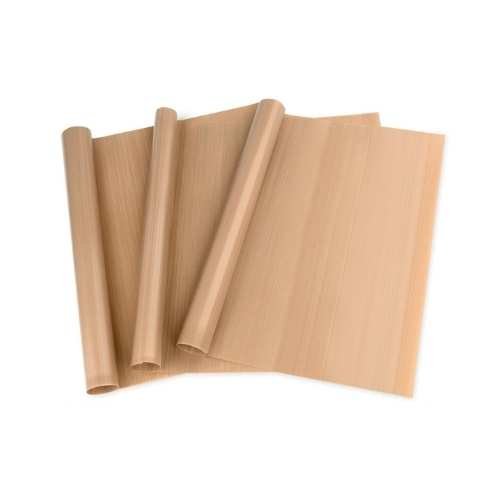

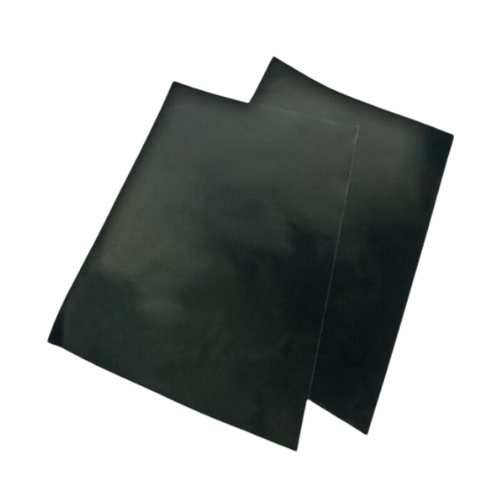
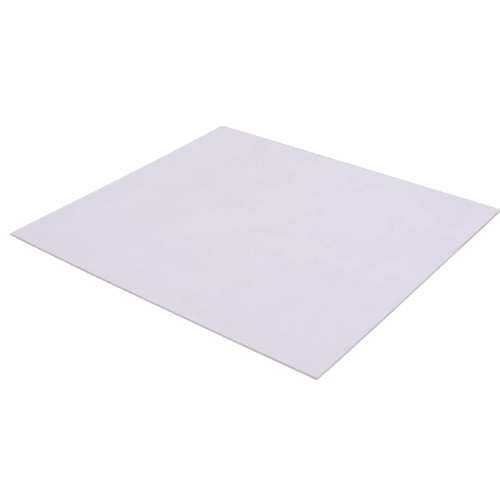

แผ่น PTFE
แผ่นโพลีเตตระฟลูออโรเอทิลีนส่วนใหญ่เรียกว่าแผ่น PTFE หรืออาจเรียกว่าแผ่นเทฟลอนก็ได้ แน่นอนว่าทั้งสองชื่อนี้หมายถึงผลิตภัณฑ์เดียวกัน ยกเว้นว่า "เทฟลอน" คือ PTFE ที่ผลิตโดยบริษัทดูปองต์
โดยทั่วไปแล้ว แผ่นเหล่านี้ทำมาจากฟลูออรีนและพันธะคาร์บอน จึงเป็นที่มาของชื่อโพลีเตตระฟลูออโรเอทิลีน
เนื่องจากมีพันธะคาร์บอนที่แข็งแกร่ง จึงถือเป็นแผ่นที่มีโมเลกุลสูง ซึ่งเป็นสาเหตุที่แผ่นชนิดนี้จึงมักพบเห็นได้ทั่วไปในแอปพลิเคชันต่างๆ ในปัจจุบัน
ประเภทของ พีทีเอฟ มีแผ่นให้เลือก
คุณสามารถใช้เกณฑ์กว้างๆ ในการจำแนกแผ่นเทฟลอนได้ เนื่องจากมีตัวเลือกการปรับแต่งที่หลากหลาย
ในทางอุดมคติ คุณอาจต้องการ:
- แผ่น PTFE แบบมีกาว – มีพื้นผิวกาวอยู่ด้านหนึ่ง
- ตัดแผ่น PTFE ตามขนาดที่ต้องการ – PTFE ถูกตัดตามความต้องการเฉพาะของคุณ
- แผ่นที่มีความหนาแตกต่างกัน – คุณสามารถเลือกแผ่น PTFE หนา 3 มม. หรือหนา 100 มม.
โดยสรุปแล้ว ตัวเลือกที่มีขึ้นอยู่กับตัวเลือกการปรับแต่งเฉพาะตัว ที่สำคัญกว่านั้น สิ่งนี้ยังจะกำหนดราคาแผ่น PTFE อีกด้วย
แผ่น PTFE สำหรับวัตถุประสงค์ทั่วไป
แน่นอนว่าการปรับแต่งทำให้แผ่นเทฟลอนเหมาะกับการใช้งานเฉพาะ อย่างไรก็ตาม คุณสามารถเลือกแผ่น PTFE อเนกประสงค์ได้
| คุณสมบัติของวัสดุแผ่น PTFE | การจัดอันดับ |
| ความแข็งแรงแรงดึง | ยากจน |
| ทนทานต่อรังสี UV | ดี |
| ความแข็ง | ปานกลาง นุ่ม |
| ความแข็งแรงในการรับแรงกระแทก | ดี |
| ขนาด | แตกต่างกันไปแต่สามารถเป็นขนาด 6 x 6 นิ้ว ถึง 48 x 48 นิ้ว |
แผ่น PTFE เติมแก้ว
หากคุณกำลังมองหาแผ่นที่มีความแข็งแรงเชิงกล ทนต่อแรงกระแทก และทนต่อการเสียดสีได้ดียิ่งขึ้น ให้เลือกแผ่นที่มีใยแก้ว ในกรณีส่วนใหญ่ แผ่นเหล่านี้จะมีใยแก้วประมาณ 25%
คุณสมบัติของแผ่นโพลีเตตระฟลูออโรเอทิลีน
มีหลายเหตุผลในการเลือกแผ่นเหล่านี้:
- การหลอมเหลวสูงทำให้เรซินเหมาะอย่างยิ่งสำหรับการใช้งานต่อเนื่อง
- เมื่ออุณหภูมิสูง วัสดุ PTFE จะคงความเสถียร อุณหภูมิที่ใช้งานได้คือ -200°C ถึง +260°C
- ขึ้นชื่อในด้านคุณสมบัติป้องกันการติดที่เหนือกว่า
- คุณสมบัติการป้องกันความร้อนที่ดีเยี่ยม
- ค่าสัมประสิทธิ์แรงเสียดทานค่อนข้างต่ำ
- ทนทานต่อการกัดกร่อนได้ดีกว่าวัสดุพลาสติกมาตรฐาน
- พวกมันไม่ชอบน้ำ – พวกมันมีแนวโน้มที่จะขับไล่น้ำ
- ไม่ทำปฏิกิริยาทางเคมี
- ได้รับการรับรองจาก FDA
- ไวต่อรังสีแกมมา
บางครั้ง แผ่น PTFE บริสุทธิ์ของคุณอาจไม่มีคุณสมบัติเหล่านี้ทั้งหมด ดังนั้นจึงจำเป็นต้องเสริมวัสดุ PTFE แผ่นเหล่านี้ทำจากเรซินโพลีเตตระฟลูออโรเอทิลีนบริสุทธิ์ 100%
มาเปรียบเทียบแผ่นงานที่น่าสนใจ 2 แผ่นกัน:
| แผ่น PTFE บริสุทธิ์ | แผ่น PTFE แบบกลไก |
| · ผลิตจากเรซินโพลีเตตระฟลูออโรเอทิลีนบริสุทธิ์ 100%
· คุณสมบัติทางกายภาพสูง · การใช้งานปกติ · ไม่มีสารเติมแต่งเพิ่มเติม |
· ผลิตจากเรซินโพลีเตตระฟลูออโรเอทิลีนที่ผ่านการแปรรูปใหม่
· คุณสมบัติทางกายภาพต่ำ · การใช้งานที่มีประสิทธิภาพสูง · เติมสารเติมแต่งเพื่อเพิ่มคุณสมบัติ |
แบบฟอร์มที่คุณสามารถจัดส่งแผ่น PTFE ได้
คุณสามารถเลือกวัสดุเหล่านี้ได้ทั้งแบบแผ่นแบนและแบบม้วน วิธีการบรรจุขึ้นอยู่กับความหนาของแผ่น
ในกรณีส่วนใหญ่ แผ่น PTFE จะมีความหนาไม่เกิน 0.093 นิ้ว มิฉะนั้น ไม่แนะนำให้รีดแผ่นโพลีเตตระฟลูออโรเอทิลีนที่มีความหนามากกว่า
การใช้งาน
คุณสามารถกลึงหรือประดิษฐ์แผ่นวัสดุ PTFE เพื่อทำชิ้นส่วนต่างๆ ได้มากมาย เช่น:
- ปะเก็น PTFE
- บูช PTFE
- ซับใน PTFE
- แผ่นเลื่อน PTFE
- ชิ้นส่วนฉนวนไฟฟ้า PTFE
- แหวนรอง PTFE

 Thai
Thai  English
  Arabic
  Tibetan
  German
  Spanish
  French
  Hindi
Hindi  Indonesian
  Italian
  Japanese
  Korean
  Dutch
Dutch  Portuguese
  Russian
  Swedish
  Chinese