


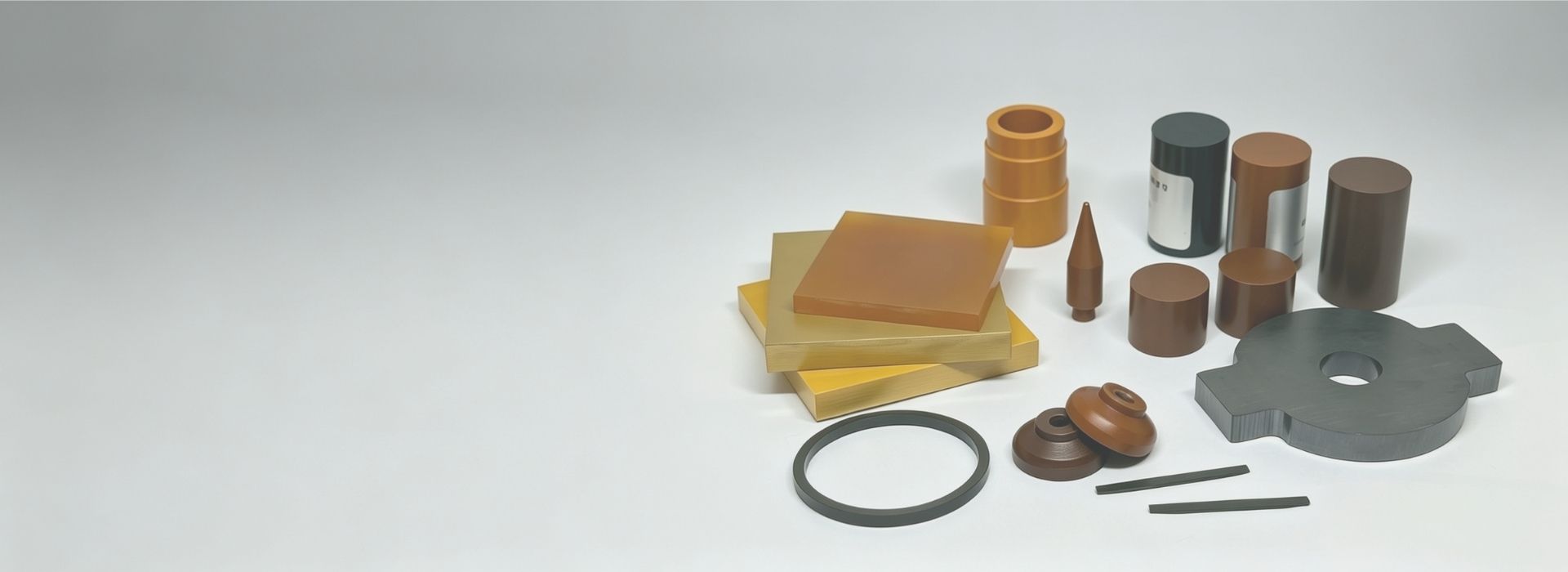
What Are Polyimide Parts?
Polyimide parts are finished components made from PI, a family of high-performance engineering polymers used when conventional plastics may not provide the required combination of thermal stability, mechanical strength, wear behavior, dimensional control, or electrical performance.
Machined polyimide parts can include bushings, washers, rings, rollers, pins, sockets, insulation caps, wear pads, vacuum-handling components, and complex custom shapes. Depending on the selected grade and production route, a component may be manufactured from an appropriate semi-finished form and finished to the customer’s drawing.
The term polyimide does not describe one universal grade. Unfilled and modified PI materials can behave differently in wear, electrical, thermal, and machining applications. Before choosing a PI plastic part, you should define the operating temperature, load, speed, mating surface, lubrication, electrical target, environment, critical tolerances, and expected service conditions.
HANSA reviews custom polyimide components as a combination of material, geometry, application, and purchasing requirements. This helps you compare a project-specific solution instead of relying on a single generic material property.
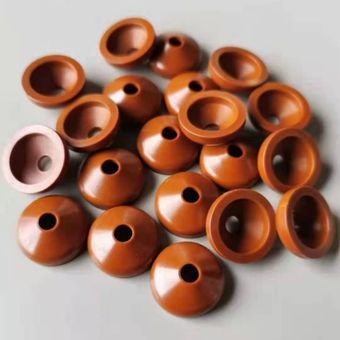
In a hot runner system, this polyimide insulation cap sits between the injection molding nozzle tip and the mold gate area, where it forms a precisely fitted thermal barrier through repeated heating cycles. It is also known as a color-change sleeve.The useful dimensions come from the actual nozzle-and-gate interface, not from a generic sleeve size.
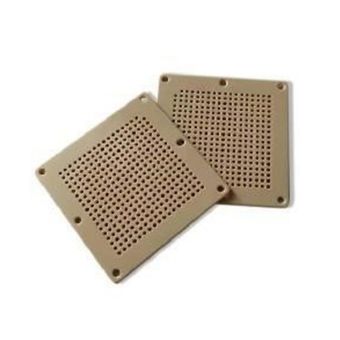
Semiconductor testing requires materials with exceptionally high purity and machinability. IC test sockets must meet tight tolerance requirements while maintaining reliable performance at elevated temperatures. Polyimide also provides electrical insulation, dimensional stability, and creep resistance for demanding test applications.
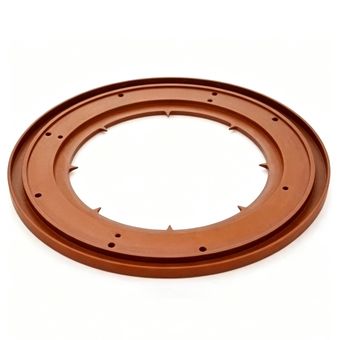
A polyimide wafer clamping ring securely holds and positions wafers in high-temperature, vacuum, or chemical-processing environments while helping reduce particle generation, deformation, scratching, and unplanned downtime. Its durability can reduce replacement frequency, extend preventive maintenance intervals, and lower the processing cost per wafer.
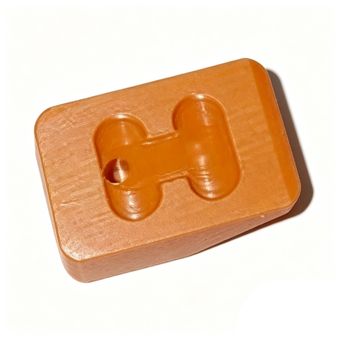
A polyimide vacuum wand tip provides reliable wafer pickup and release in high-temperature and cleanroom environments, helping reduce scratching, dropped wafers, particles, and contact marks. Its wear resistance, cleanability, and dimensional stability support consistent vacuum handling over repeated operating cycles.
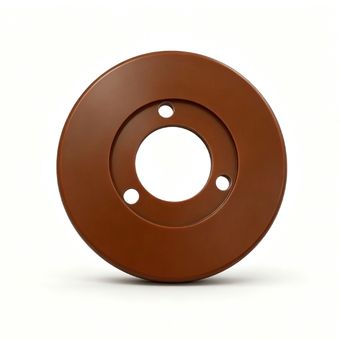
A polyimide thrust washer helps control friction, wear, and axial clearance under axial loads, elevated temperatures, and boundary-lubrication conditions, contributing to smoother and more reliable equipment operation. PI provides good high-temperature load capacity and creep resistance, while graphite-filled grades can improve lubricity and help reduce frictional heat.
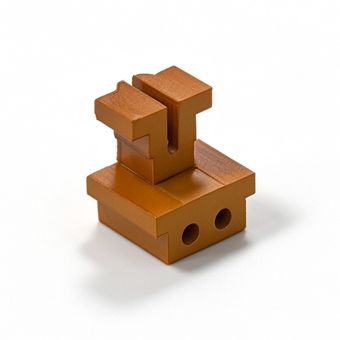
A brake pad wear sensor accurately controls the wear-warning point and maintains electrical insulation and signal reliability under high temperatures and vibration, providing a timely indication when brake pad replacement is required. The polyimide component protects and insulates the internal wire while withstanding vibration, thermal cycling, and frictional heat. Its machinability also supports custom geometries for different brake pad slots.
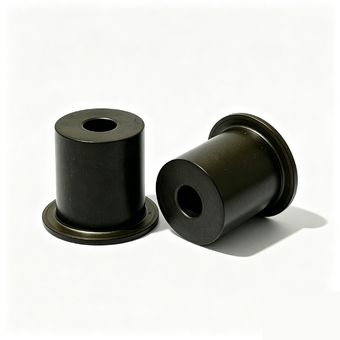
A polyimide bushing separates the metal shaft from the bearing housing in high-temperature, high-load, or poorly lubricated applications, helping reduce friction, wear, and seizure. It can also replace certain metal bushings where lower weight, electrical insulation, and freedom from rust are important.
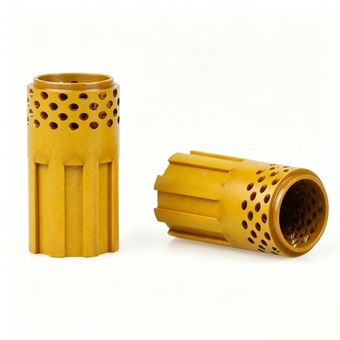
Installed inside a plasma cutting torch, the swirl ring uses angled or tangential gas ports to generate a controlled rotating plasma-gas flow. Polyimide provides electrical insulation and dimensional stability at elevated temperatures, helping stabilize the arc and improve cut squareness, surface finish, and overall cutting consistency.
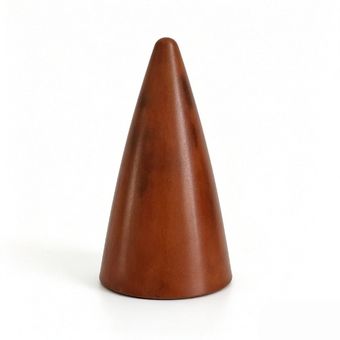
A custom polyimide antenna radome provides a lightweight, electrically nonmetallic enclosure where a metal cover would interfere with the intended design. Thin walls, contours, openings, and mounting features can be machined as one integrated component.
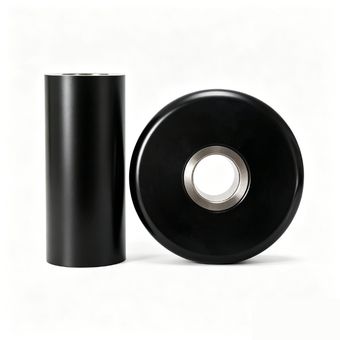
A polyimide roller provides stable transport and guidance of workpieces in high-temperature, vacuum, or cleanroom environments while helping reduce wear, contamination, and surface scratching. For semiconductor applications, properly selected PI grades can support low-particle, low-shedding material handling.
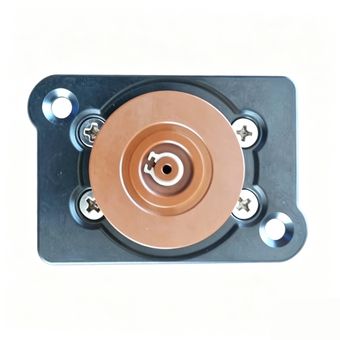
A polyimide vacuum pad combines high-temperature resistance, low-particle performance, and dimensional stability for clean, secure, and low-damage handling of wafers and precision substrates. Graphite- or carbon-fiber-filled PI grades can support electrostatic discharge requirements, while particle generation and contamination performance should be validated for the specific process.
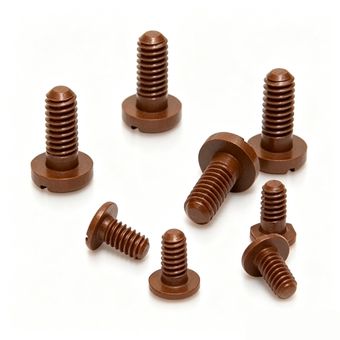
A polyimide threaded fastener performs fastening, positioning, and electrical-isolation functions while offering high-temperature resistance, corrosion resistance, and low weight. It helps avoid the electrical conductivity, magnetism, rust, and potential contamination associated with metal fasteners.
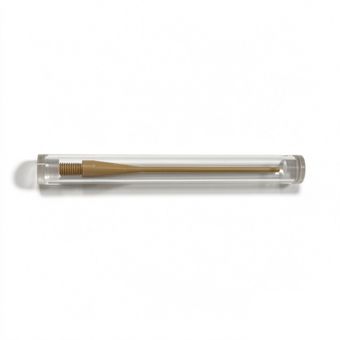
A polyimide push rod is used for ejection, actuation, support, and precision positioning, particularly in semiconductor equipment. It can also transmit mechanical force near energized components while maintaining electrical isolation. Custom configurations can include spherical, flat, or tapered tips, as well as shoulders, threads, and locating grooves.
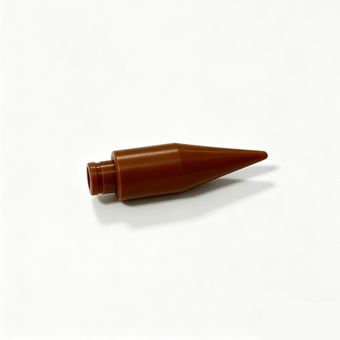
A polyimide wafer lift pin gently raises and supports wafers during processing and transfer. Precision machining helps maintain consistent pin height, tip surface quality, and synchronized lifting accuracy across multiple pins, reducing the risk of wafer tilt, concentrated stress, and surface damage.
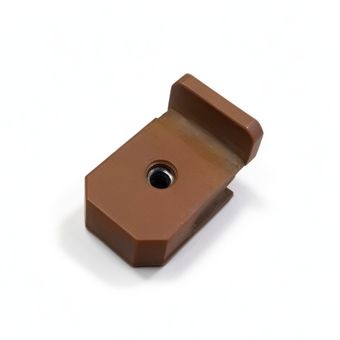
A polyimide mechanical stop limits component travel and defines an accurate stopping position. Compared with direct metal-to-metal contact, PI can help reduce scratching, noise, electrical conduction, and localized wear in high-temperature or electrically sensitive equipment.
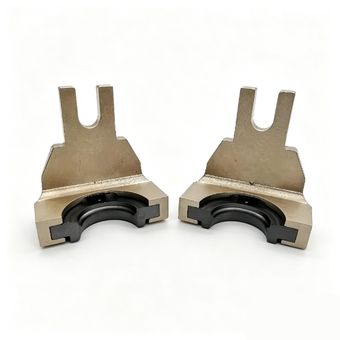
Used in molded glass bottle production, a polyimide bottle gripper insert provides stable friction when gripping and transferring hot glass containers. It helps reduce surface scratching, pressure marks, thermal-shock cracking, and wear of the metal gripper assembly.
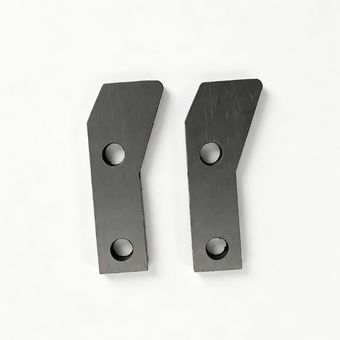
A bottle pusher finger is commonly used in glass-forming machines and container-handling systems to move finished bottles from the dead plate onto a conveyor or to adjust bottle spacing and direction. Unlike bottle grippers, which hold the container, pusher fingers primarily push, rotate, guide, or separate bottles.
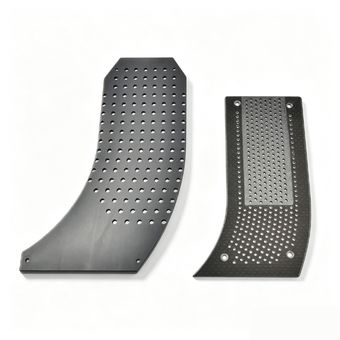
A dead plate is located at the hot end of a glass-forming machine and temporarily supports newly formed bottles. A polyimide dead plate provides a stable, low-damage resting surface for hot glass while working with the cooling airflow to prepare the containers for smooth transfer to the next stage.
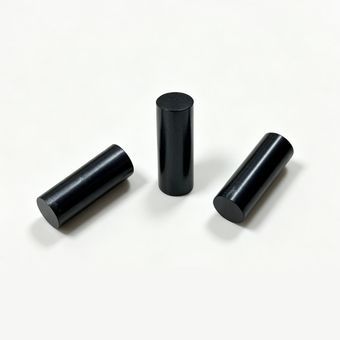
Installed inside the rotating chuck or jaws of a vial-forming machine, a polyimide chuck insert grips, centers, and rotates the glass tube during heating, cutting, neck forming, and bottom forming. It helps reduce tube slippage, radial runout, surface scratching, and breakage caused by excessive clamping stress.
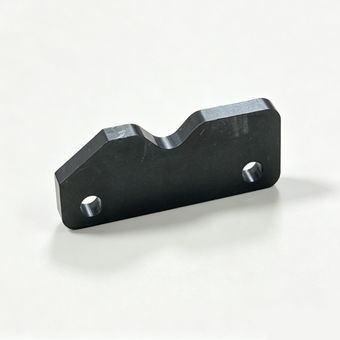
A chuck jaw is one of several movable gripping segments in the rotating chuck of a tubular vial-forming machine. Polyimide chuck jaws distribute clamping force evenly and maintain concentric glass-tube rotation during high-speed thermal forming, helping reduce slippage, vibration, clamp marks, and tube breakage.
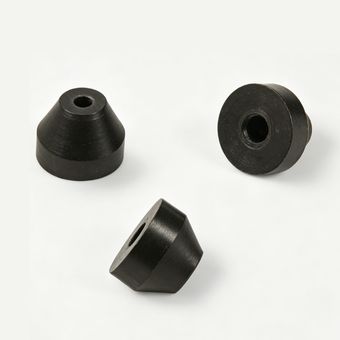
A polyimide gas chromatography inlet ferrule combines temperature resistance, low-leak sealing, and dimensional stability. It helps maintain consistent carrier-gas flow and inlet pressure, improving the accuracy, repeatability, and reliability of chromatographic analysis.
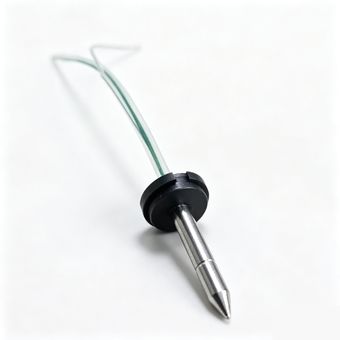
A polyimide atomizer insulator provides high-temperature resistance, electrical insulation, and dimensional stability. It securely isolates and positions the heating components, helping reduce the risk of short circuits, thermal deformation, and assembly failure.
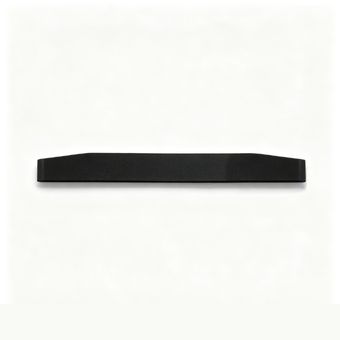
A polyimide vacuum vane combines low friction, wear resistance, thermal stability, and dimensional stability under vacuum. It helps reduce internal leakage, frictional losses, and sticking in rotary vane vacuum pumps, supporting stable vacuum performance and longer maintenance intervals.
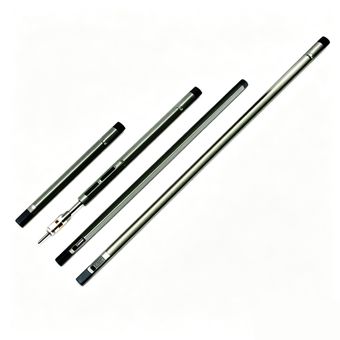
A polyimide motor seal provides temperature resistance, wear resistance, low friction, and dimensional stability under demanding downhole pressure conditions. It helps reduce fluid leakage and shaft-system wear in downhole exploration equipment, improving the reliability of long-term motor operation.
Why HANSA Polyimide Parts
All Polyimide Parts from HANSA are fabricated with excellent grade materials. They are machined by the semi-products which are manufactured from the powder we made.
Our PI powder is comparable to well-known brands, such as DuPont™ Vespel®, Torlon®, Duratron®, Meldin®, and any other brands.
In China, HANSA is one of the most popular PI Products Manufacturers ever known in PI Group.
If you are importing PI machined parts from HANSA, your products and brand will surely be recognized!
In our factory, we have a dedicated machining workshop offering services such as turning, milling, drilling, cutting, and CNC machining.
If you have drawings, we can process them according to the specifications. If not, we can customize polyimide components for your project.
Our company is equipped with a professional technical team and advanced production and processing equipment. So, we guarantee that your customers will definitely like every polyimide component we made.
Whether you are a polyimide products supplier, retailer, distributor, or custom factory, you can always rely on HANSA.
We have a broad variety of polyimide grades options available for you. The purposes corresponding to different levels of PI are also different.
We have a state-of-the-art production line in manufacturing HANSA Polyimide Parts. So, you always have enough polyimide parts even in peak season.
Whether you are importing a small or large polyimide parts order, HANSA can satisfy your wants.
As a top polyimide products manufacturer in China, HANSA has passed many international certifications. We are certified with SGS, FDA, ISO 9001, REACH, RoHS, and more.
In China, HANSA is a growth-oriented manufacturer and supplier of excellent quality polyimide parts.
You can trust HANSA as your number one manufacturer of PI machined parts because we are in this industry for more than 20 years.
When looking for a reliable polyimide products manufacturer, always choose HANSA.
For more information about our polyimide parts, please don’t hesitate to contact our team.
Just send us your inquiry of PI parts and get an instant quote for your next polyimide parts order.
Polyimide Parts: The Ultimate FAQ Guide
How do I choose between unfilled and graphite-filled polyimide for machined parts?
The appropriate PI grade should be selected based on the performance requirements and key concerns of the actual application.
Unfilled polyimide offers excellent electrical insulation, high material purity, and strong mechanical properties. During use, it also helps maintain clean contact surfaces and minimizes the risk of contamination.
Graphite-filled polyimide provides better wear resistance. It can reduce friction, improve wear performance, enhance long-term stability at elevated temperatures, and increase creep resistance.
However, graphite filling also changes other material properties, including electrical resistivity, dielectric strength, thermal conductivity, and thermal expansion. Surface cleanliness, in particular, can be significantly affected. For this reason, graphite-filled PI is generally not recommended for electrical insulation or semiconductor components that require high cleanliness and electrical insulation.
When selecting a PI grade, be sure to define the operating temperature, load, sliding speed, lubrication conditions, mating material, electrical requirements, and required cleanliness level.
Can machined polyimide parts maintain tight tolerances after repeated heating and cooling?
A machined component may meet the specified tolerances at the time of inspection, but its dimensions can change during actual service due to multiple factors.
All materials expand and contract with temperature. The amount of dimensional change depends on the polyimide grade, filler type, component dimensions, wall thickness, temperature range, and number of thermal cycles. Differences in thermal expansion between the PI component and mating components can also affect the operating clearance.
For critical components, the drawing should distinguish between dimensions measured at room temperature and the required dimensions at the operating temperature. Thin walls, non-uniform cross-sections, tight interference fits, and residual stresses from machining can all increase the risk of deformation. Load and humidity may also affect long-term dimensional stability.
Before specifying tolerances, be sure to evaluate the continuous operating temperature, peak temperature, heating and cooling rates, number of thermal cycles, assembly method, mating materials, and inspection conditions. Testing representative components under actual thermal cycling conditions may be necessary.
How does moisture absorption affect the dimensions of precision polyimide parts?
Polyimide can absorb a certain amount of moisture from the surrounding air or through direct contact with water. As moisture enters the material, it may cause slight changes in weight and dimensions. The basic principle is similar to a sponge absorbing water, but the changes occur on a scale that is usually invisible to the naked eye.
These small changes can be critical for precision components with tight bore tolerances, close fits, thin-wall structures, or strict electrical performance requirements. Moisture absorption varies among polyimide grades, so a single value should not be applied to all polyimide components.
Can polyimide bushings and thrust washers operate without lubrication?
Certain filled polyimide materials are specifically designed for dry-running or poorly lubricated sliding applications. However, this does not mean that every PI bushing or thrust washer can operate without lubrication. Dry-running performance depends on the specific material grade and the complete friction and wear system.
Key factors include the applied load, sliding speed, operating temperature, type of motion, operating clearance, and the material and surface finish of the shaft or plate in contact with the PI component.
Engineers often use the pressure–velocity product, commonly known as the PV value, as an initial indicator of bearing operating severity. In general, higher pressure and sliding speed generate more frictional heat and accelerate wear. Starts and stops, vibration, contamination, and installation misalignment can also make actual operating conditions more demanding than laboratory test conditions.
The acceptable wear rate and expected service life must also be clearly defined. Before selecting a PI grade for dry-running service, please provide the load, speed, dimensions, temperature, duty cycle, mating surface, and lubrication conditions so that the application can be technically evaluated and, where necessary, tested.
What operating data is needed to select a polyimide grade for a bearing or wear part?
The first factors to consider are the mechanical load and the component’s type of motion. For a bushing or thrust washer, provide the load, shaft diameter or contact area, rotational speed, and motion profile—whether the movement is continuous, oscillating, or intermittent. These details help estimate the contact pressure, sliding speed, and PV value. It is also important to specify whether the component will operate dry, receive only occasional lubrication, or run in oil or another fluid.
Temperature is equally critical because heat may come from the surrounding equipment as well as from friction. Other useful information includes the material, hardness, coating, and surface roughness of the shaft or counterface, along with the operating clearance, alignment, start-stop frequency, and expected operating duration.
The supplier should also be informed of any exposure to dust, vacuum conditions, chemicals, moisture, or abrasive particles. Finally, clearly define the requirements for allowable wear, noise, friction performance, and service life. Without this information, the term “wear-resistant polyimide” is too broad to support a reliable grade recommendation.
Should unfilled or filled polyimide be used for electrical insulation parts?
Unfilled polyimide is often the preferred choice for electrical insulation components because it combines excellent dielectric properties, mechanical strength, and high-temperature capability. However, the appropriate material depends on the specific electrical requirements of the application. Designers should define the operating voltage, component thickness, required dielectric strength, volume or surface resistivity, operating frequency, temperature, and potential exposure to moisture or contaminants.
If the component also requires better wear resistance, a lower coefficient of thermal expansion, or other specialized properties, a filled polyimide grade may be considered. The tradeoff is that graphite, carbon, metal, or other fillers can change the material’s electrical resistivity and reduce its insulating performance.
What must be verified before using polyimide parts in semiconductor or vacuum equipment?
The first step is to define the specific process environment. Terms such as “semiconductor grade” or “vacuum compatible” do not constitute a complete material specification. The selected PI grade may need clearly defined limits for outgassing, ionic contamination, moisture absorption, particle generation, and trace metal content. A material suitable for an IC test socket may not necessarily be suitable for use inside a plasma chamber or high-vacuum processing system.
For vacuum applications, specify the pressure level, operating and bakeout temperatures, acceptable outgassing limits, and required test methods. For plasma equipment, define the process gases, power level, exposure time, and acceptable erosion or particle generation levels. Depending on the component and its function, electrical insulation performance or electrostatic discharge (ESD) characteristics may also be critical.
What drawing information is required for a custom polyimide parts quotation?
To receive an accurate quotation, please provide both a 2D drawing and a 3D CAD model whenever possible. The 3D model shows the complete part geometry, while the 2D drawing defines the dimensions, tolerances, datums, surface finish, threads, and inspection requirements.
Please clearly identify all critical features that affect fit, sealing, alignment, electrical clearance, or sliding performance.
When should PEEK or PAI be considered instead of polyimide for a machined part?
PEEK or PAI may be a better choice when its overall combination of machinability, toughness, strength, chemical resistance, availability, and cost is a closer match for the application.
PEEK is a melt-processable thermoplastic and is widely available in stock shapes suitable for machining. It is often considered when a component requires good toughness, chemical resistance, and high-temperature performance but does not need the extreme capabilities offered by specialized PI grades.
PAI, including Torlon® materials, belongs to a polymer family distinct from PI. Certain PAI grades are valued for their high strength, stiffness, creep resistance, and wear performance under load.
Polyimide still offers significant advantages in certain applications involving extreme temperatures, dimensional stability, electrical insulation, friction and wear, vacuum environments, or low-contamination requirements. None of these materials is universally better than the others. Specific grades should be compared based on continuous and peak operating temperatures, load, wear resistance, chemical exposure, humidity, electrical requirements, production volume, available stock-shape sizes, and total part cost.
If material failure could affect safety or production, validation testing under representative operating conditions may be necessary.
Still, if you have more questions on polyimide parts, you can contact the HANSA team.

 Russian
  English
  Arabic
  Tibetan
  German
  Spanish
  French
  Hindi
Hindi  Indonesian
  Italian
  Japanese
  Korean
  Dutch
Dutch  Portuguese
  Thai
Thai  Swedish
  Chinese