


Стержень ПТФЭ HANSA
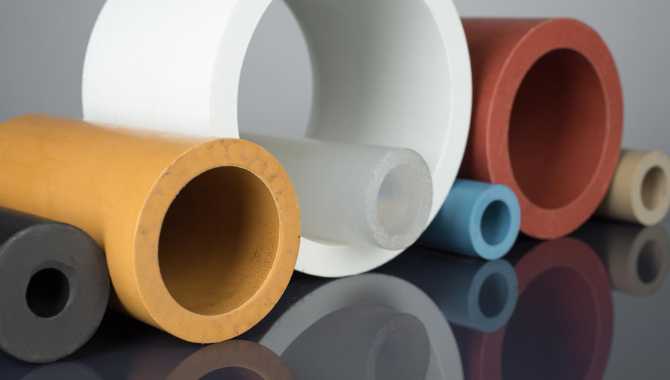
В основном доступны в различных белых цветах, стержни PTFE имеют множество поперечных сечений и диаметров. Стержни PTFE также доступны в других цветах, таких как красный, синий, зеленый или желтый, в зависимости от требований заказчика.
Если вам нужен 2-миллиметровый PTFE-стержень, вырезанный по размеру, или индивидуальные тефлоновые стержни, есть много вариантов для ваших конкретных применений. Они поставляются с различными поперечными сечениями, включая круглые PTFE-стержни или шестигранные PTFE-стержни, в соответствии с конкретными требованиями.
Обычно вы можете получить экструдированные стержни из ПТФЭ или формованные стержни из ПТФЭ. Эти два Тефлоновые стержни обладают исключительными эксплуатационными характеристиками благодаря своим превосходным физическим и химическим свойствам.
Доступный класс материала для стержней из ПТФЭ
С учетом динамических потребностей в использовании тефлоновых стержней существуют различные Марки материалов ПТФЭ доступны. Выбор конкретных стержней будет зависеть от конкретных требований применения.
Доступные варианты материалов включают:
Стержни из чистого ПТФЭ – они сделаны из 100% материал политетрафторэтилен.
Модифицированные стержни из ПТФЭ –предполагает изменение свойств ПТФЭ для получения более высоких эксплуатационных характеристик.
Стержни из ПТФЭ механического качества – эти стержни из ПТФЭ изготовлены из переработанного политетрафторэтилена.
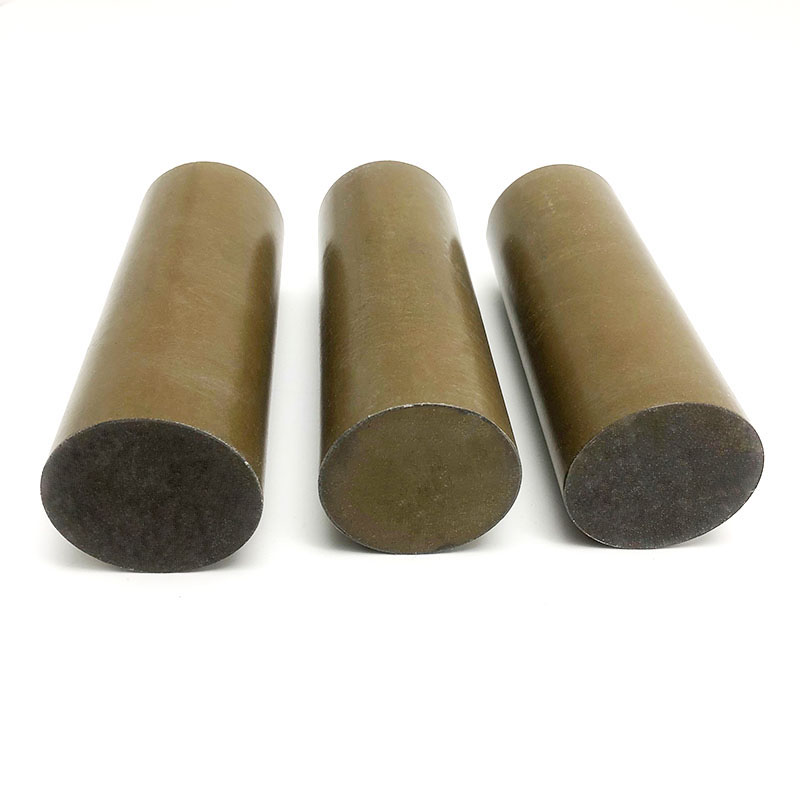
Заполненные стержни из ПТФЭ – вы можете добавлять много наполнителей в ПТФЭ, чтобы получить лучшие эксплуатационные свойства. Обычно название тефлонового стержня будет зависеть от тип наполнителя ПТФЭ. Некоторые распространенные оценки включают:
- Стержни из ПТФЭ, наполненные углеродом– если вы хотите, чтобы ваши стержни из ПТФЭ имели лучшую прочность на сжатие и высокие характеристики сопротивления нагрузке, то добавьте углерод по весу 10% к 35%. Кроме того, углерод также изменит его проводимость, одновременно улучшая химическую стойкость.
- Стержни из ПТФЭ, наполненные стеклом– при добавлении стекла в количестве 5% и 40% ваши стержни из ПТФЭ станут более жесткими, увеличат прочность на сжатие, проявят высокую жесткость и будут обладать лучшими свойствами химической стойкости.
- Стержни из ПТФЭ, наполненные графитом– если вам нужны тефлоновые стержни с чрезвычайно низким коэффициентом трения, то добавьте графит примерно 5% к 15%. Кроме того, графит значительно уменьшит начальный износ
- Стержни из ПТФЭ, наполненные дисульфидом молибдена– если вы хотите улучшить износостойкость, твердость и жесткость тефлоновых стержней без ухудшения электрических и химических свойств, то MoS22 предлагает идеальные варианты.
- Стержни из ПТФЭ с металлическим наполнителем– можно добавить нержавеющую сталь или бронзу. Эти металлы улучшили деформацию и теплопроводность стержней из ПТФЭ.
- Стержни из ПТФЭ с минеральным наполнителем– Стержни из ПТФЭ, заполненные слюдой, настоятельно рекомендуются для приложений, соответствующих требованиям FDA. Обычно можно добавлять от 5% до 10%.
Обсуждение использования тефлонового стержня с вашим производителем поможет им оптимизировать продукт в соответствии с вашими уникальными спецификациями. Производитель стержня из ПТФЭ поможет вам выбрать идеальный наполнитель для вашего применения.



Свойства стержней из ПТФЭ
В недавнем прошлом стержни из ПТФЭ пользовались популярностью благодаря таким превосходным свойствам, как:
-
- Подходит для широкого диапазона температур– Стержни из ПТФЭ отлично прослужат вам при температурах от -240 до 260°C.
- Превосходные электрические и тепловые свойства– причина, по которой стержни из ПТФЭ являются обычными электроизоляторами. Однако добавление наполнителей может улучшить электрические и тепловые свойства.
- Низкий коэффициент трения– объясняет антипригарные свойства и пригодность для применения в условиях, чувствительных к трению.
- Высокая химическая стойкость– фторуглероды известны своими превосходными свойствами химической стойкости. Это делает стержни из ПТФЭ высокохимически стойкими.

Применение стержней из ПТФЭ
Различные размеры тефлоновых стержней находят применение во многих отраслях. В настоящее время некоторые распространенные области применения тефлоновых стержней включают производство, электротехнику, бытовую технику и химическую промышленность.
Стержни из ПТФЭ можно подвергать дальнейшей обработке для изготовления таких компонентов, как уплотнения, детали машин, колпачки, компоненты приборов, подшипники, ролики и т. д.
PTFE is a high-grade engineering plastic, and a PTFE rod is a cylindrical rod made of this plastic. PTFE has excellent chemical inertness and high-temperature resistance, and an extremely low coefficient of friction with a non-adhesive surface, making it a high-performance engineering plastic. Therefore, it is commonly used in the chemical industry to manufacture machined parts such as seals, bearings, and insulators, serving functions such as sealing, insulation, and lubrication.
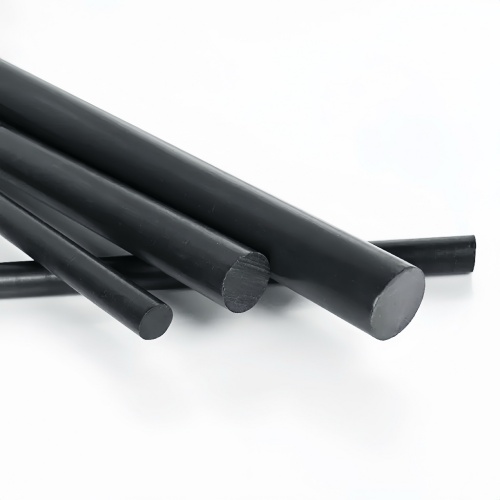
Black PTFE rods are filled and modified PTFE rods. PTFE itself is white; the black color comes from the addition of other black substances, typically carbon fiber, graphite, or carbon powder. Different fillers enhance different properties. Carbon fiber increases the hardness of the PTFE rod, making it more resistant to creep and suitable for high-pressure operation; graphite enhances its lubricity, reducing friction between the PTFE rod and machinery, making it suitable for high-speed operation; and carbon powder provides conductivity and prevents static electricity.
PTFE rods have five main application areas: chemical, mechanical, electronic, semiconductor, and construction. In the chemical industry, PTFE rods primarily function as corrosion protectants and sealants. They are resistant to almost all highly corrosive liquids, including strong acids and alkalis, and are chemically stable, not easily reacting with other chemicals. In the mechanical industry, their main function is to reduce friction and protect equipment. Due to PTFE’s excellent self-lubricating properties, it can replace lubricating oil in mechanical parts such as bearings, bushings, gears, sliders, and piston rings. In the electronic industry, PTFE rods are often used to make high-frequency cables, insulated wires, printed circuit boards, transformers, and high-voltage insulation materials for motors due to their excellent electrical insulation properties. In semiconductor manufacturing, PTFE rods are widely used in wet process systems and chemical transportation, ensuring ultra-pure environments. In the construction industry, PTFE rods are commonly used to make wear-resistant sliding plates and sealing strips.
The disadvantages of PTFE rods can be broadly categorized into five points. Two of the more significant are their relatively low mechanical strength, making them prone to deformation under prolonged high loads, and their large coefficient of thermal expansion, meaning their dimensions change considerably with temperature variations. Three other points are the high cost of PTFE, the difficulty in processing it, and the fact that it cannot be directly adhered to surfaces without sodium curing. However, we offer processing and sodium curing services. If you purchase our PTFE rods, we can solve all your problems in one go.
PTFE rods cannot be directly glued. Because of PTFE’s chemical inertness, it hardly reacts with any physicochemical substances, so ordinary glues will not work. However, it can be glued using other methods. These include special surface activation treatments such as sodium treatment, plasma treatment, and chemical etching. Alternatively, specialized adhesives, such as epoxy structural adhesives, polyurethane adhesives, or special fluoroplastic adhesives, can be applied to the surface of the PTFE rod, making it bondable.
Of course! HANSA’s PTFE rods are FDA-certified and we possess the relevant safety certificates. Furthermore, they can be used in the food industry for the following reasons: PTFE has a non-stick surface, preventing it from absorbing food residue or beverage liquids; it is chemically inert, reacting almost entirely with no chemicals. PTFE rods are commonly used to make seals, bearings, rollers, cutters, and other components. When purchasing, be sure to choose food-grade PTFE rods and ensure the operating temperature does not exceed 260 degrees Celsius.
Yes, PTFE rods are also called Teflon rods. PTFE and Teflon are essentially the same thing, both referring to polytetrafluoroethylene (PTFE). The difference is that Teflon is a registered trademark, a brand name. Teflon was launched by DuPont and later transferred to Chemours. The word Teflon has brand recognition, and it’s the most familiar name to the public. However, the quality of a material depends on its performance, and material performance depends on the grade of its raw materials and processing technology, not its name.
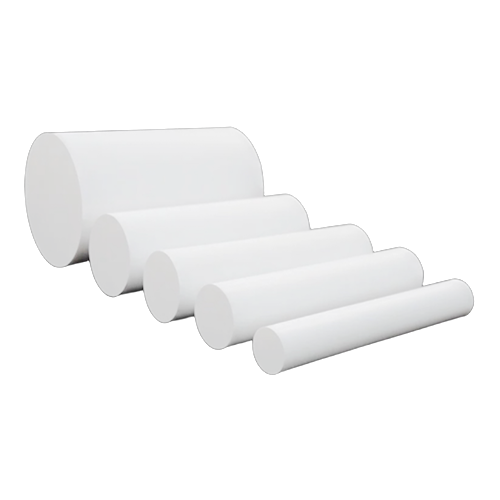
Depending on the manufacturing process, different sizes are available. Extruded PTFE rods have diameters of 4-200mm and lengths of 1/2/3m; molded PTFE rods have diameters of 20-1000mm and lengths of 100-1000mm, with larger diameters having lengths of 300-500mm. If PTFE rods contain filler materials, such as glass fiber, carbon fiber, bronze, carbon powder, or graphite, their diameter is typically less than 300mm.
cutting,thermoplastic welding,drilling,bending,thermo forming,polishing,gluing,Injection Molding and CNC Milling。
Of course! We have complete processing equipment and mature processing technology, such as saw cutting, laser cutting, CNC cutting, thermoplastic welding, drilling, bending, thermo forming, polishing, gluing, injection molding, and CNC milling.
Industry standards mainly include ASTM (USA), ISO (international), SAE/AMS (aerospace), FDA food-grade standards, and RoHS/REACH environmental compliance standards. ASTM further includes D1710 (Extruded and Molded PTFE Rods, Dimensional Tolerances, Physical Properties, and Grading), D4894 (Raw Material Standard), and D4895 (Dispersion Resin Standard). ISO includes ISO 13000 and ISO 12086.We have all the industry standard certificates and can provide them to you.
Excellent chemical corrosion resistance, extremely low coefficient of friction of 0.04, non-adhesive surface, and extremely wide temperature range (-292℉~500℉) are all qualities that other materials cannot possess simultaneously.
In terms of color, pure PTFE is milky white or ivory white. Recycled or counterfeit materials may appear blackish, dull, or yellowish. It has no smell; if it has a plastic smell or a pungent odor when burned, it is of inferior quality. It feels like oil or wax with low resistance; if it feels rough to the touch, it may be fake PTFE. Pure PTFE will not change color or expand when placed in strong acids or alkalis.We use 100% virgin PTFE resin, no regrind or recycled material.



 Russian
  English
  Arabic
  Tibetan
  German
  Spanish
  French
  Hindi
Hindi  Indonesian
  Italian
  Japanese
  Korean
  Dutch
Dutch  Portuguese
  Thai
Thai  Swedish
  Chinese