


UHMW and HDPE are essentially the same substance and both belong to polyethylene. The full name of UHMW is Ultra-High Molecular Polyethylene, and HDPE is High Molecular Polyethylene. They are all produced by polymerization. Since the lengths and molecular weights of the resulting polymer chains are different, there are two different names, which also leads to some differences in their properties.
Since they have the same appearance and color, many people mistake them for the same thing. If you don’t understand their performance advantages and their respective working conditions and buy one at will, it may be quickly scrapped due to the mismatch between material performance and application, increasing your losses.
This article will take you to understand the differences between UHMW and HDPE, as well as their respective application areas, and help you perfectly solve the material selection problem.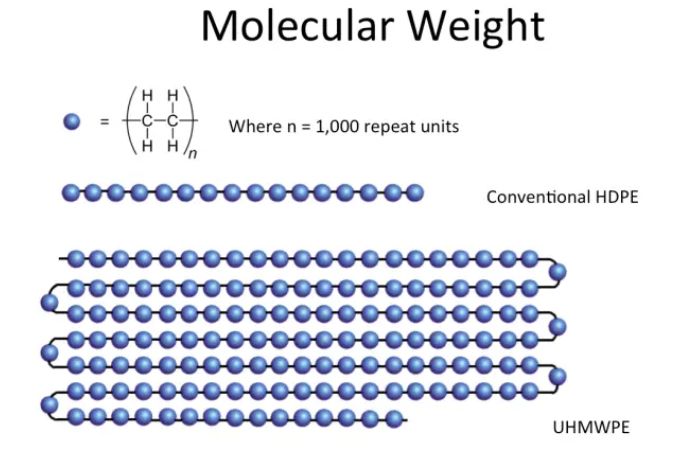
UHMW vs HDPE: Core Differences
The most significant advantage of UHMW is impact resistance and wear resistance, and it performs well in areas involving impact loads, wear and high wear. The wear resistance of UHMW is 4-10 times that of HDPE. At the same time, UHMW can withstand continuous friction, is more suitable for sliding parts, can reduce noise, reduce energy consumption, and even does not require lubricants.
HDPE has outstanding processing properties and is easy to form, making it very suitable for CNC processing, thermoforming and welding. HDPE has high hardness and rigidity and can be processed to strict tolerance requirements. It is worth mentioning that HDPE is extremely cost-effective. The price of HDPE is only one-quarter to one-half that of UHMW.
| Item | UHMW | HDPE |
| Molecular Weight(g/mol) | 3,000,000–10,000,000 | 200,000–500,000 |
| Density(g/cm³) | 0.93–0.94 | 0.94-0.96 |
| Tensile Strength(MPa) | 20–40 | 20–37 |
| Shore Hardness(Shore D) | 62–69 | 60–70 |
| Water Absorption(24 h,23℃) | <0.01% | <0.01% |
| Service Temperature(℃) | -200 ~ +80 | -50 ~ +80 |
| Coeficiente de atrito | 0.10–0.22 | 0.20–0.30 |
Disadvantages of UHMW and HDPE
UHMW’s strong impact resistance means that it has high toughness, so it is difficult to process. It cannot be produced using traditional injection molding processes and has poor thermoforming and weldability. UHMW is a flexible material, so its rigidity and surface hardness are low. Distortion and deformation may occur under long-term high load conditions, and precise dimensional control is difficult to achieve during processing.
The wear resistance of HDPE is relatively low, and it will suffer serious wear and shorten its service life in a long-term wear and tear working environment. Moreover, HDPE is flammable and cannot be used in the aerospace field.
Performance Comparison of UHMW and HDPE
Resistência ao desgaste
UHMW exhibits significantly superior wear resistance compared to HDPE; in high-wear operating conditions, the service life of UHMW is ten times that of HDPE. Consequently, UHMW is commonly used for conveyor guide rails, wear strips, chain guides, and wear-resistant sliding blocks.
In high-wear environments, HDPE is prone to surface thinning and severe abrasion, resulting in a significantly reduced service life.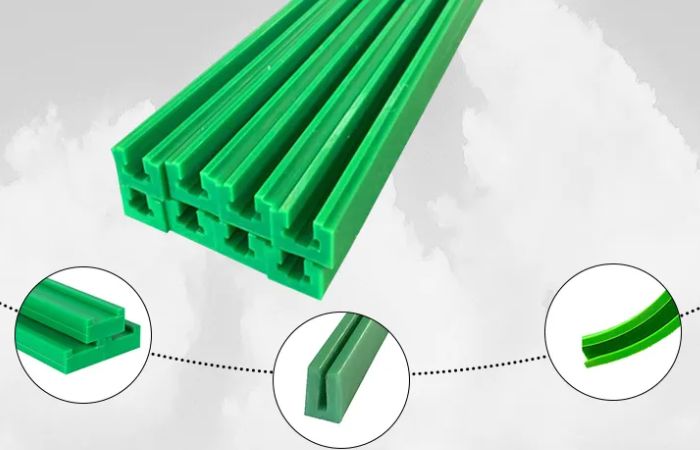
Impact Resistance
UHMW offers superior impact resistance, a property attributed to its ultra-long molecular chains. Its ultra-high molecular weight results in exceptionally long, interconnected molecular chains arranged in a network structure. This configuration allows the material to absorb and dissipate impact loads when subjected to external forces, making it highly resistant to fracture from impact.
HDPE has relatively short molecular chains and a limited capacity to absorb and dissipate energy, resulting in lower impact resistance.
Frictional Properties
UHMW has a coefficient of friction of 0.1–0.22, whereas HDPE ranges from 0.2 to 0.3; thus, UHMW is better suited for sliding components and conveyor systems. In applications involving high or continuous friction, using UHMW reduces material wear, lowers noise levels, decreases equipment energy consumption, and can even eliminate the need for lubricants.
Processing Characteristics
The ultra-high molecular weight of UHMW provides excellent impact resistance but results in extremely low melt flowability. Consequently, UHMW cannot be processed using traditional injection molding, as it exhibits almost zero flow in a molten state. This makes processing difficult, limiting methods to compression molding or CNC machining from UHMW sheets.
HDPE offers excellent processability and is easily formed. It can be worked much like wood—using standard woodworking tools for cutting, drilling, and milling. With good melt flowability, HDPE is ideal for injection molding and extrusion, and it also demonstrates excellent thermoforming and welding capabilities.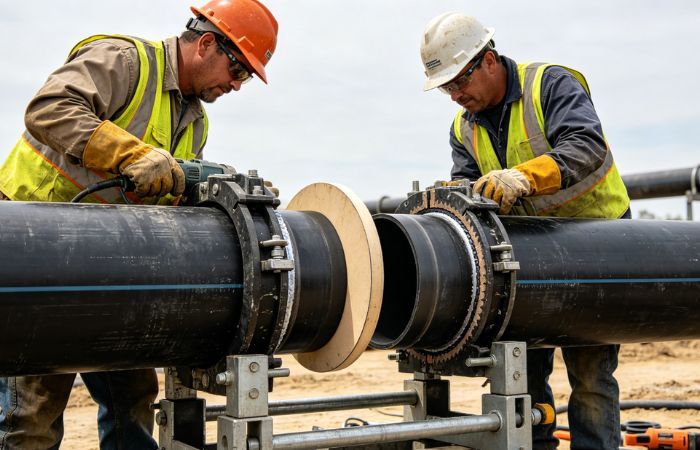
Rigidity and Dimensional Stability
While UHMW possesses excellent toughness, its rigidity and dimensional stability are inferior to those of HDPE. Under long-term, high-load operating conditions, UHMW may undergo creep or structural deformation (such as warping or twisting).
HDPE offers good rigidity, making it suitable for applications requiring precise dimensional accuracy and structural support.
Resistência química
UHMW and HDPE exhibit similar chemical resistance, withstanding acids, alkalis, and most solvents. Consequently, they are commonly used in chemical storage tanks, liners, chemical transport, piping systems, and water treatment systems.
Absorção de água
Both UHMW and HDPE have a water absorption rate of less than 0.01%, meaning they do not readily absorb water. Therefore, they are suitable for use in humid environments, such as marine applications and the shipbuilding industry.
UHMW vs HDPE: Applications and Typical Uses
Food Processing
Both UHMW and HDPE are non-toxic, FDA-approved materials safe for food contact. Common examples of HDPE include household cutting boards, plastic containers, and food packaging bags.
Due to its superior wear resistance, UHMW is typically used for high-wear components in food processing plants, such as conveyor guide rails and scraper blades.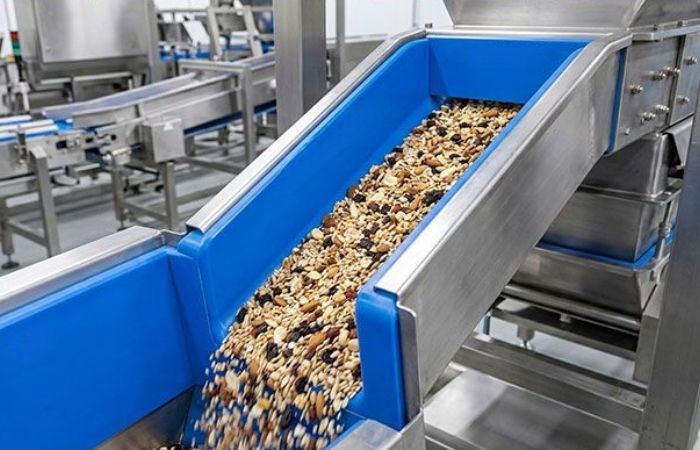
Conveyor Systems
UHMW is frequently used for conveyor wear strips, chain guides, and rollers; it not only helps reduce energy consumption and noise but also saves on lubricant costs.
Since HDPE has lower wear resistance, it is better suited for light-duty conveyor systems. Consequently, UHMW is often regarded as the “heavy-duty” alternative to HDPE, albeit at a slightly higher cost.
Automotive Applications
In the automotive industry, UHMW is commonly used for wear plates, liners, bushings, and other components subject to high impact, thanks to its excellent impact resistance.
HDPE’s excellent processability and lightweight nature make it widely applicable in the automotive sector. It can be directly injection-molded into parts—such as thermoformed fuel tanks, housings, and shields—as well as components requiring specific rigidity and weldability.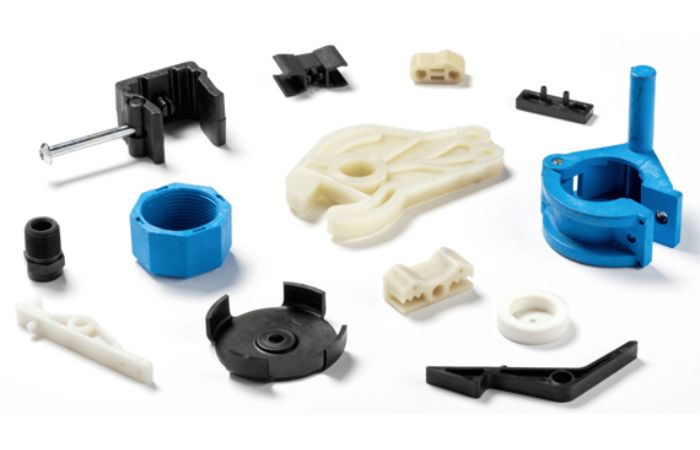
Mining Applications
UHMW is generally preferred for operating conditions involving high wear and heavy impact. In the mining industry, it is used for hoppers, chutes, and truck bed liners—areas subject to repeated friction from granular materials and constant impact.
HDPE, on the other hand, is suitable for applications such as piping and containment vessels.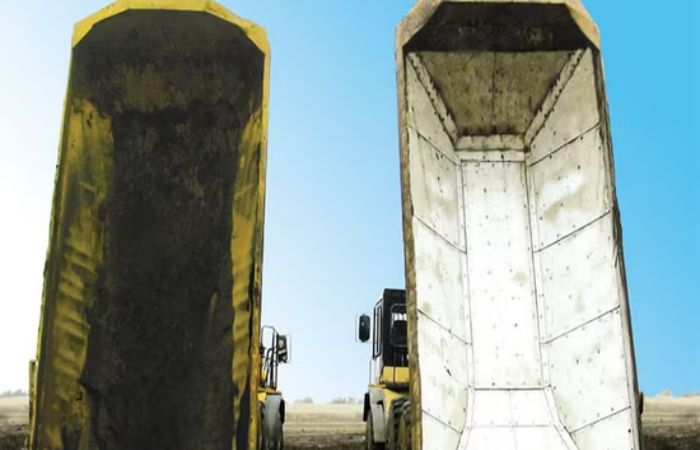
Marine Applications
Both UHMW and HDPE have extremely low water absorption rates and chemical inertness, making them suitable for marine environments. However, their distinct mechanical properties determine their primary use cases.
UHMW is used in applications involving impact loads—such as collisions from vessels or tidal action—serving as pile sleeves, impact plates, and dock fenders.
HDPE is suitable for interior marine fixtures and equipment, such as galley cabinets and countertops; it is economical, durable, waterproof, and corrosion-resistant.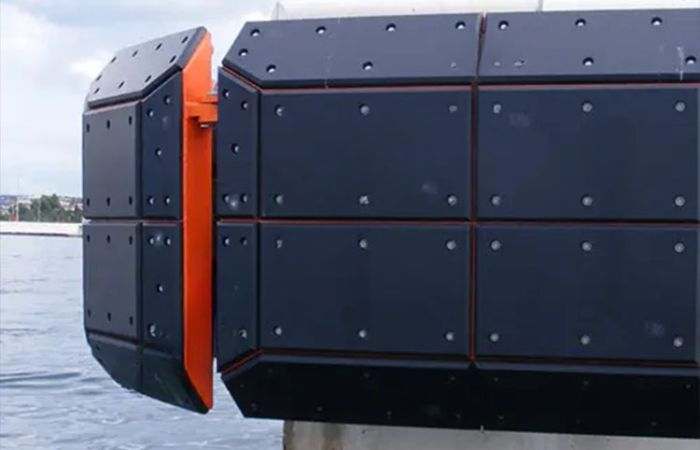
CNC Machining
If you operate a CNC machining facility, HDPE is undoubtedly your best choice. HDPE is easier to cut, weld, and thermoform, resulting in faster project timelines, smoother surface finishes, lower production costs, and higher dimensional accuracy.
In contrast, UHMW is difficult to machine and entails high processing costs.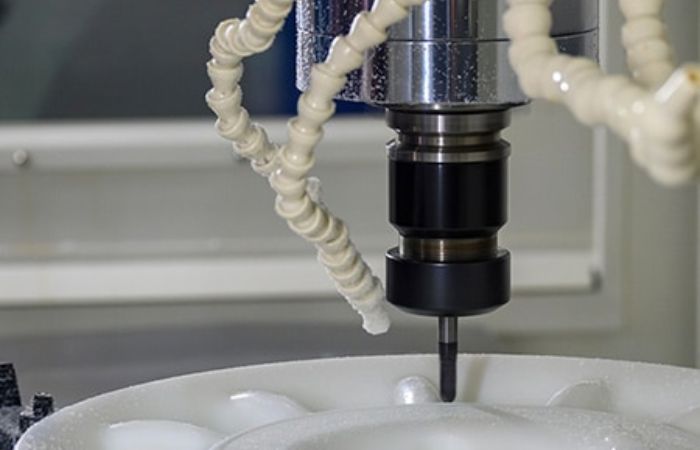
Cost Comparison of UHMW and HDPE
First, regarding raw materials, UHMW is typically 1.5 to 3 times more expensive than HDPE due to its specialized production process.
UHMW cannot be manufactured using conventional injection molding or extrusion; instead, it requires compression molding, ram extrusion, or CNC machining. In contrast, HDPE offers excellent processability and is compatible with a wide range of methods, including injection molding, extrusion, blow molding, and thermoforming.
Second, costs must be evaluated from both short-term and long-term perspectives.
In high-wear and high-impact applications, HDPE is unsuitable despite its low initial purchase price. Its service life in such conditions is shorter than that of UHMW, necessitating frequent maintenance; furthermore, severe wear can lead to increased downtime costs.
Therefore, HDPE is a cost-effective choice only for light-load, low-friction environments, whereas UHMW delivers long-term economic benefits in high-wear applications.
Final Thoughts
While both UHMW and HDPE are types of polyethylene, significant differences in their properties arise from their varying molecular weights. When selecting a material, it is important to carefully consider which option best suits your specific application.
In summary, UHMW is ideal for high-load and high-wear environments, whereas HDPE is better suited for low-friction, light-load applications where budget is a primary consideration.
Please Contate-nos if you have any further questions regarding material properties or other details; HANSA is ready to provide professional guidance.

 Portuguese
  English
  Arabic
  Tibetan
  German
  Spanish
  French
  Hindi
Hindi  Indonesian
  Italian
  Japanese
  Korean
  Dutch
Dutch  Thai
Thai  Russian
  Swedish
  Chinese