


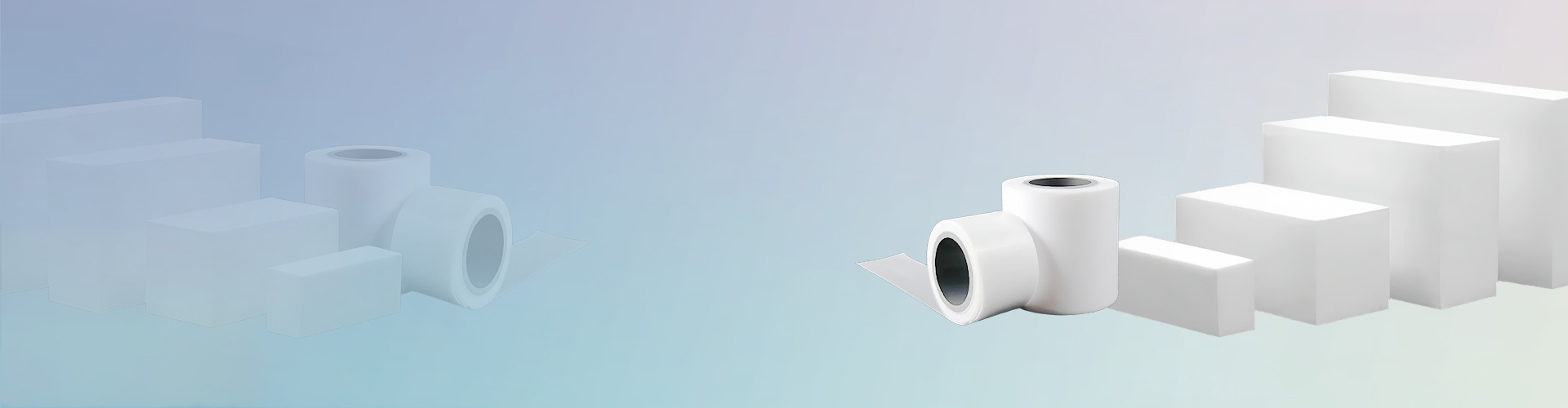


Folha de PTFE da Hansa
- Uso: Vedações e lubrificantes para uso em diversos meios, bem como isolamento elétrico para uso em diversas frequências. Meios para capacitores, isolamento de fios, isolamento de instrumentação elétrica.
- Equipamentos de processamento químico, juntas/revestimentos para tubulações, válvulas e reatores
- Sistemas de vedação de flange, juntas de vedação de alta temperatura/alta pressão (HTHP)
- Componentes resistentes ao desgaste, pastilhas de desgaste de baixo atrito para guias lineares e rolamentos
- Revestimentos resistentes à corrosão, revestimentos de tanques de ácido/banhos de galvanoplastia (por exemplo, resistência a ácido sulfúrico/nítrico)
Folhas de PTFE HANSA
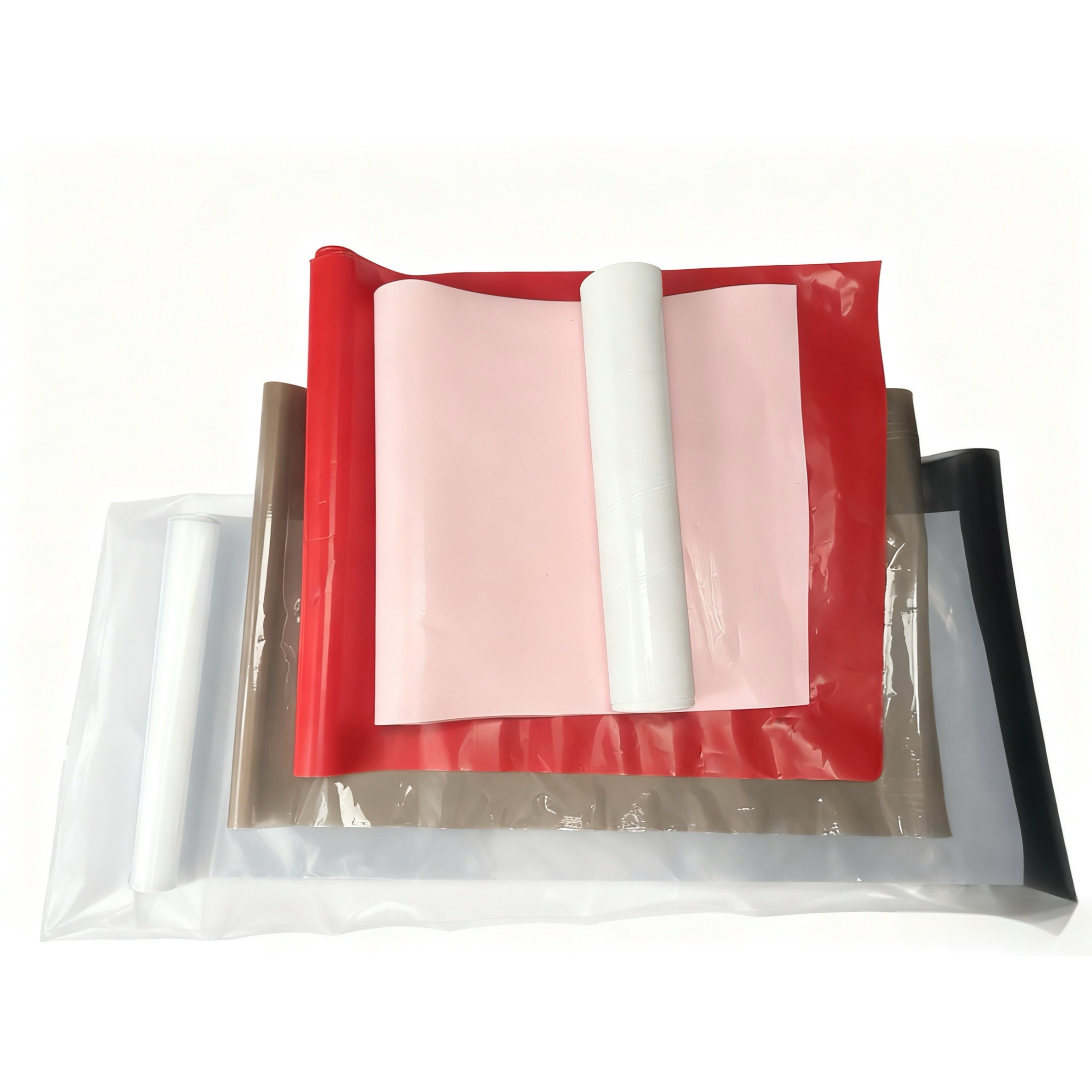
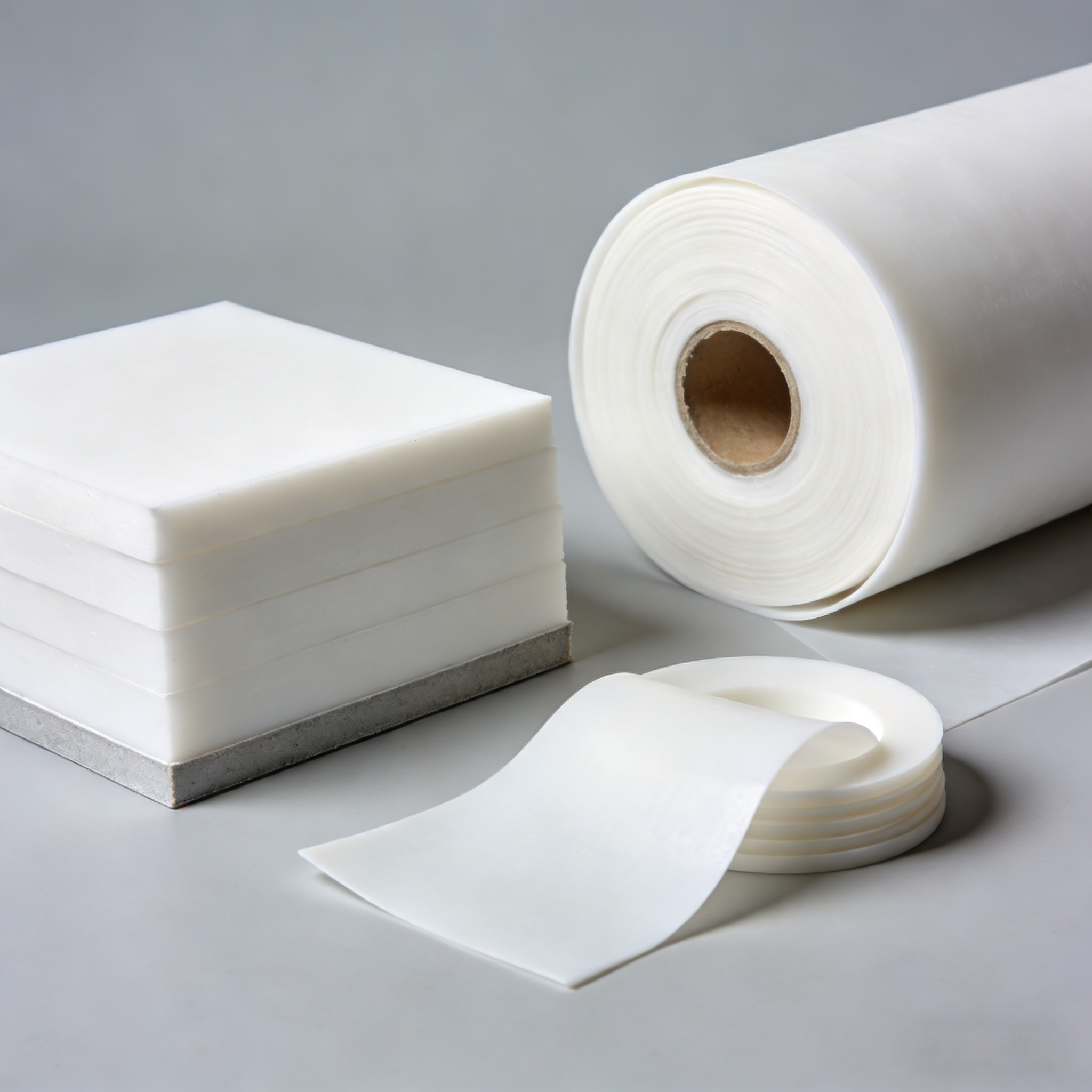
A Hansa pode fornecer diferentes tipos de folhas ou filmes de PTFE. Seja em rolo, reforçado ou cortado sob medida, sempre podemos fornecer material de qualidade. Qualquer tamanho, cor, tipo ou espessura. Basta nos enviar sua solicitação e receber uma amostra grátis para verificar a qualidade.
General-purpose PTFE sheets have a temperature resistance range of -180 to 260 degrees Celsius, making them suitable for most industrial applications. They have a low coefficient of friction, and their most notable characteristic is their chemical inertness, meaning they react with almost no chemical substances.
More Different Types Of PTFE Sheet You can Order From Hansa
Existem vários tipos de folhas de PTFE que podem ser categorizadas de várias maneiras: 1. Por processo de fabricação 2. Por enchimentos/modificações 3. Por cor 4. Por aplicação 5. Por especificações 6. Tipos especiais – incluindo folhas de PTFE porosas (comumente conhecidas como “placas de PTFE expandido”)
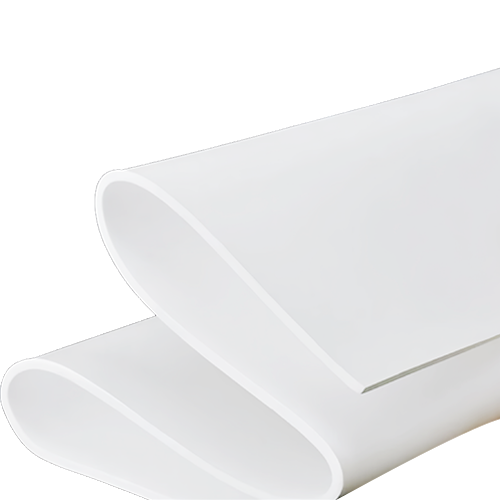
Uma estrutura microporosa fabricada por meio de um processo de estiramento, utilizada em filtração, aplicações de membranas respiráveis e campos biomédicos.
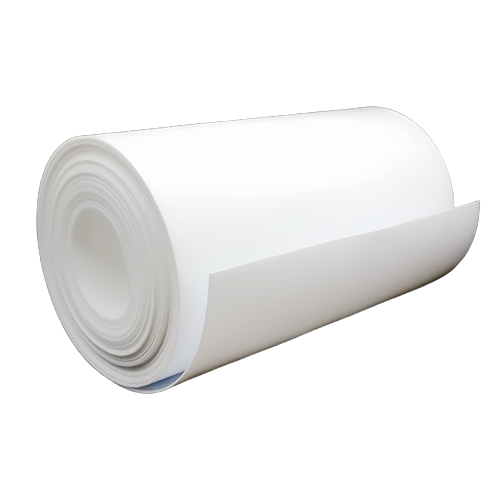
O tamanho pode ser personalizado, o varejo é permitido. A LARGURA MÁXIMA é próxima a 3 metros, a ESPESSURA MÁXIMA pode chegar a 10 mm+
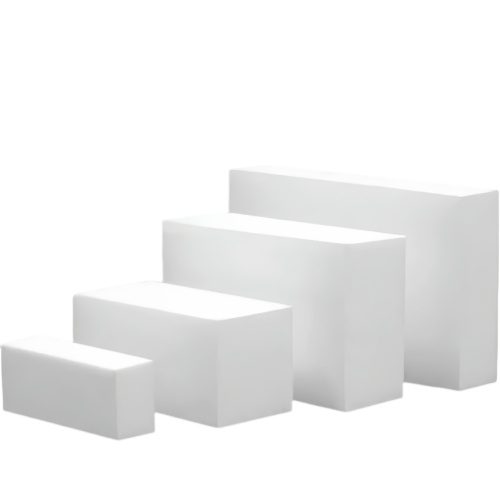
O tamanho pode ser personalizado, o varejo é permitido. A LARGURA MÁXIMA pode chegar a 2 metros, a ESPESSURA MÁXIMA é próxima a 600 mm.
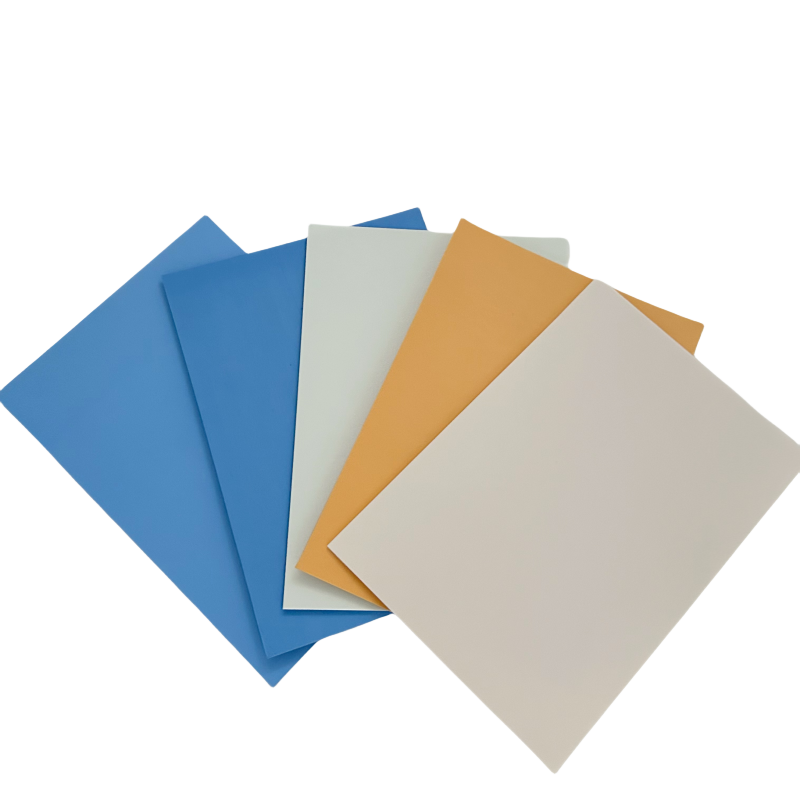
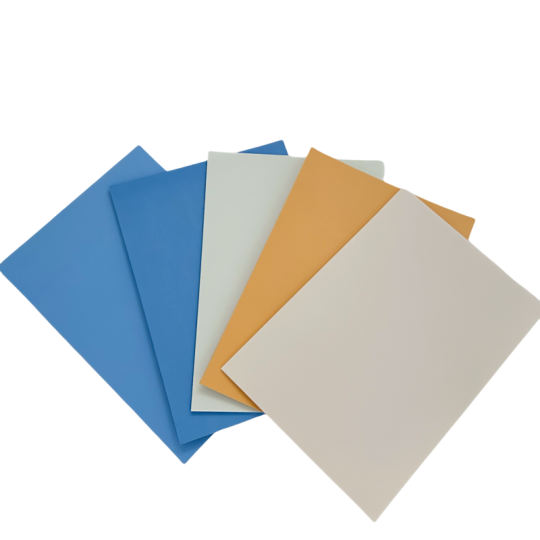
Formulações de enchimento especializadas para mitigação de fluxo frio em PTFE com microesferas de vidro azul, sulfato de bário branco e sílica amarela.
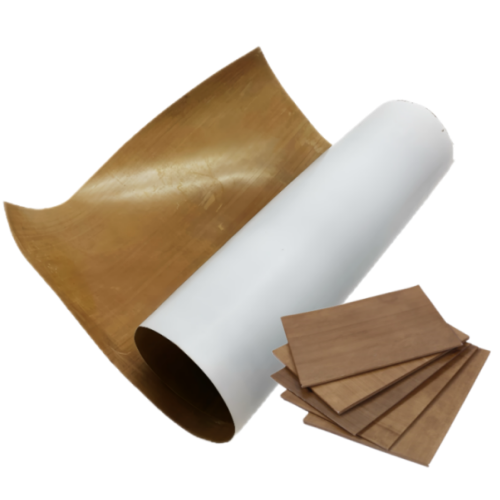
A superfície do politetrafluoroetileno após o tratamento com sódio é hidrofílica, podendo ser colada com cola comum para expandir sua faixa de aplicação.

Fabricado por meio de um processo de moldagem por extrusão, adequado para aplicações de chapas mais finas com alta eficiência de produção.
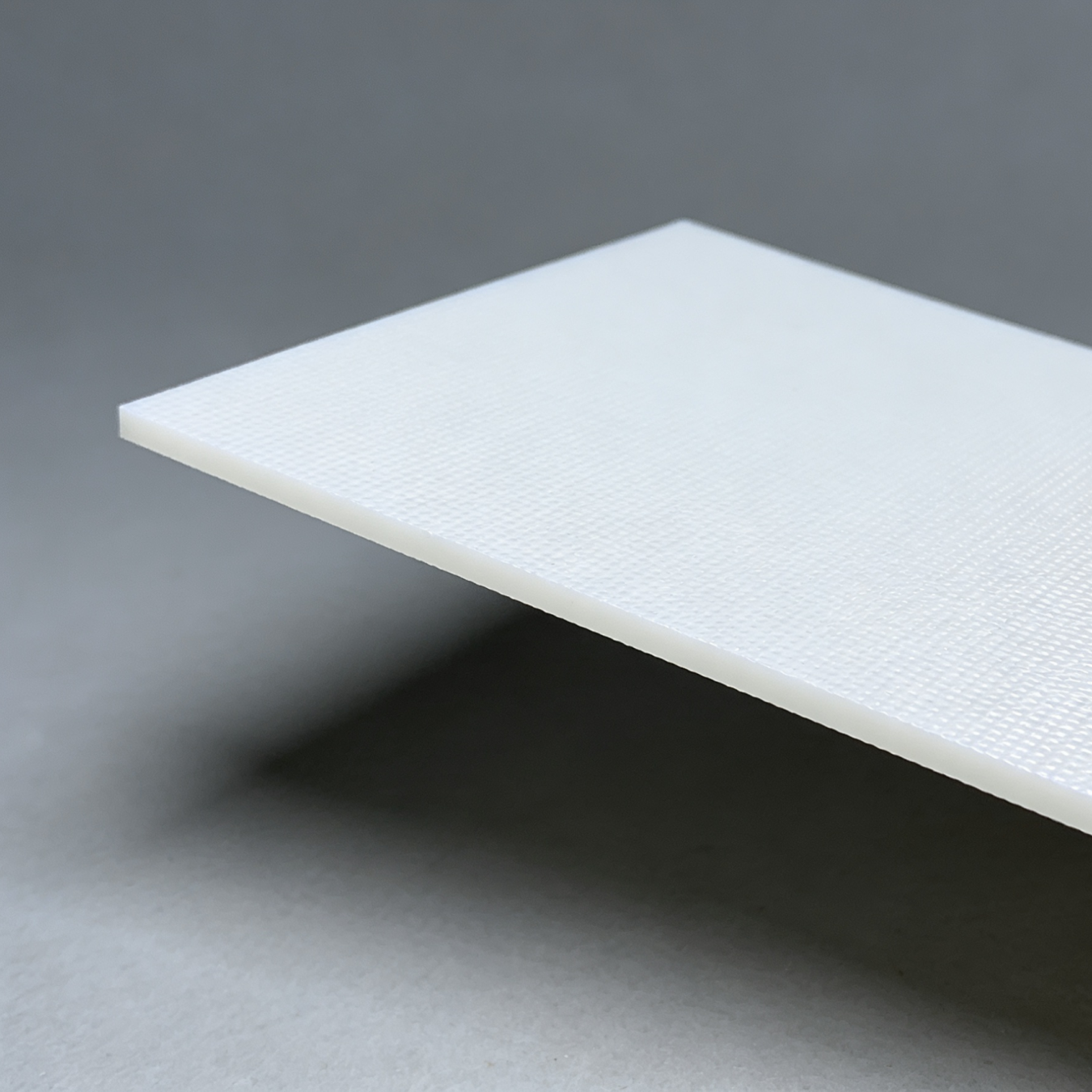
In fact, it involves bonding a fiberglass cloth to one surface of a PTFE skived sheet, giving it the ability to adhere to other surfaces and simultaneously overcoming the limitation of PTFE’s inability to be welded.
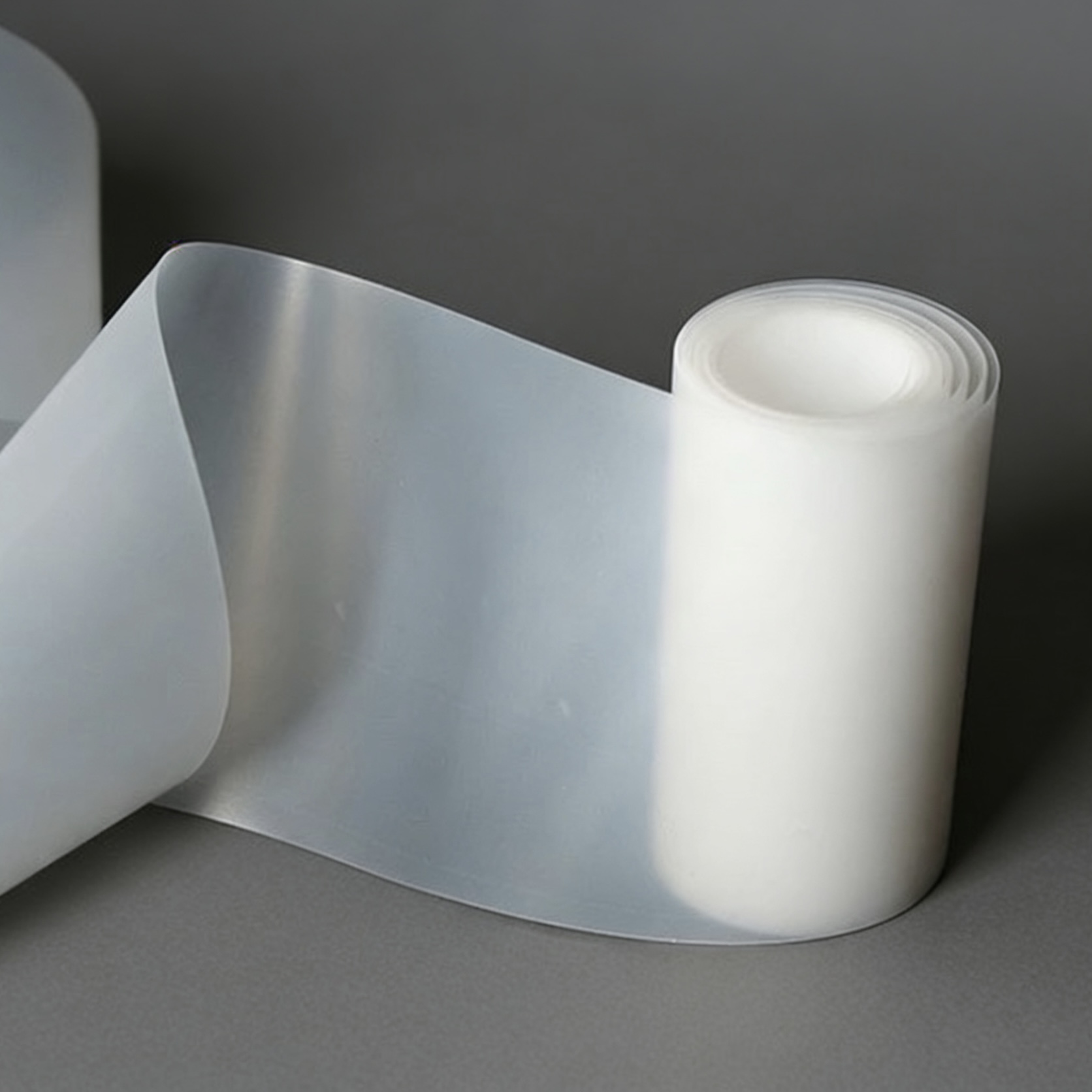
This is commonly used in the electronics industry, particularly in the flat panel display industry. Due to PTFE’s excellent high-temperature resistance and impact resistance, it effectively prevents conductive adhesive from overflowing and contaminating the substrate.
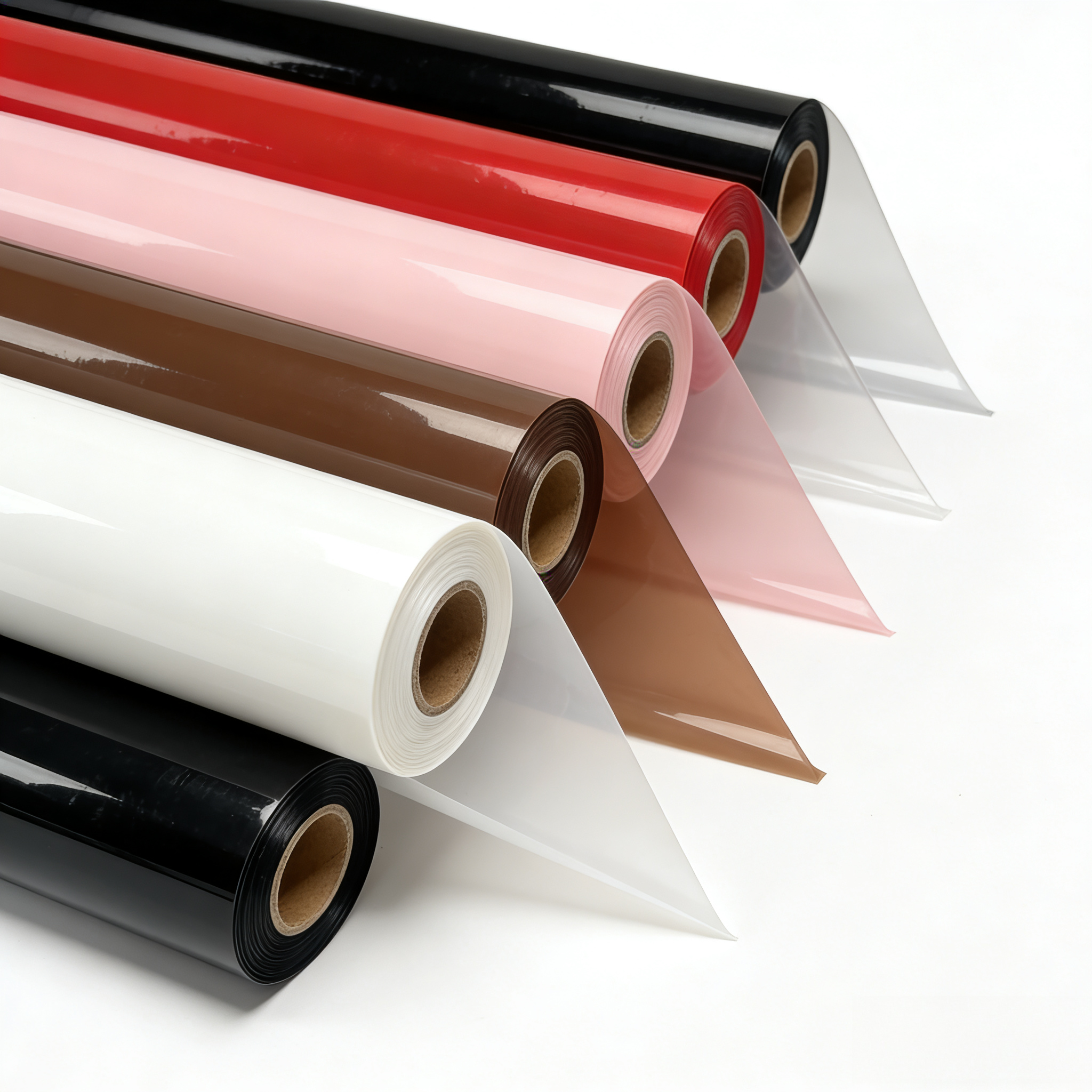
It comes in a variety of colors and serves for identification or decorative purposes. It is commonly used for wire harness classification, pipeline identification in the chemical industry, and as a decorative waterproof layer in high-end buildings.
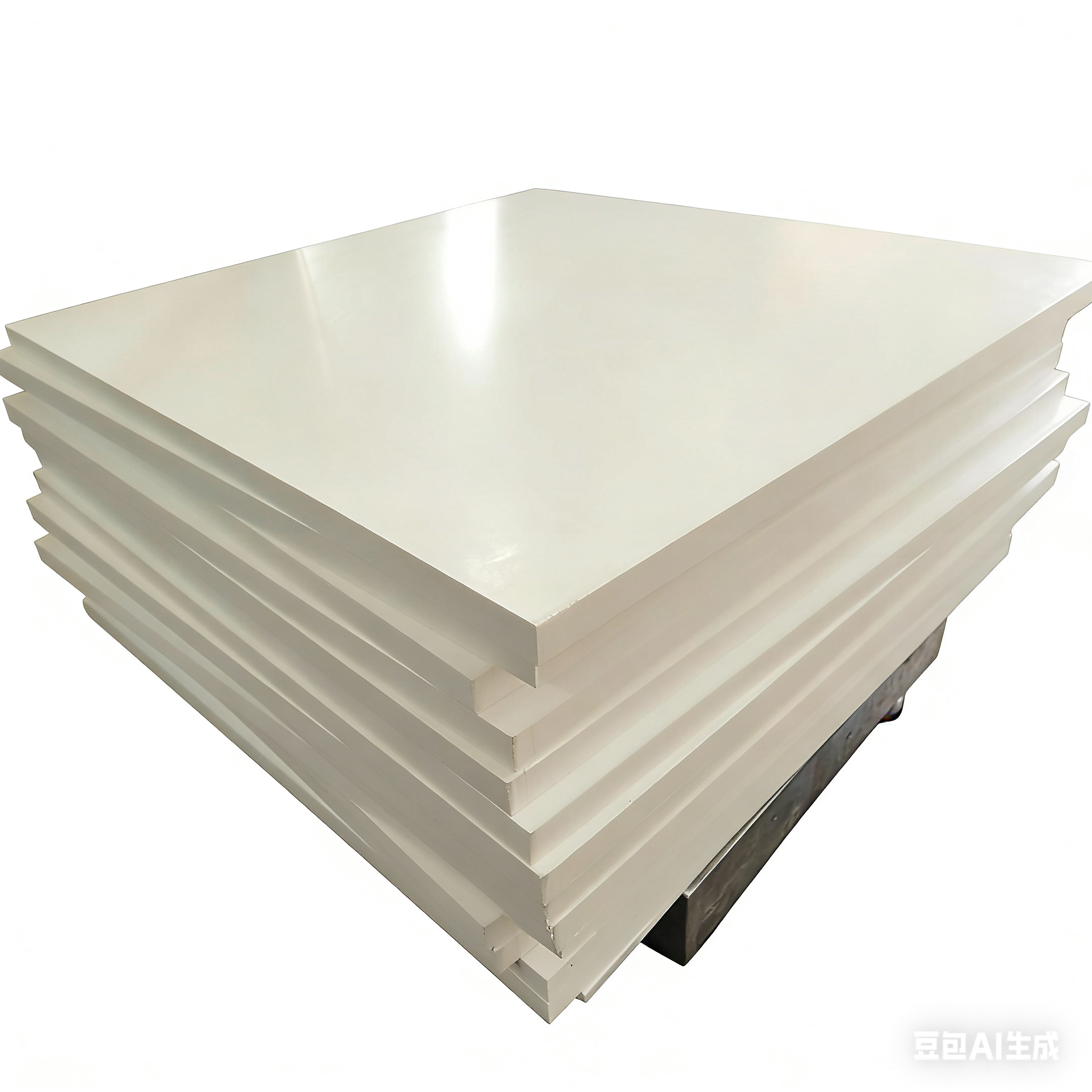
The glass fiber content is typically 15-30%, which greatly improves the mechanical strength of the PTFE sheet, making it twice as strong as general-purpose PTFE sheets and allowing it to maintain dimensional stability under high-pressure conditions.
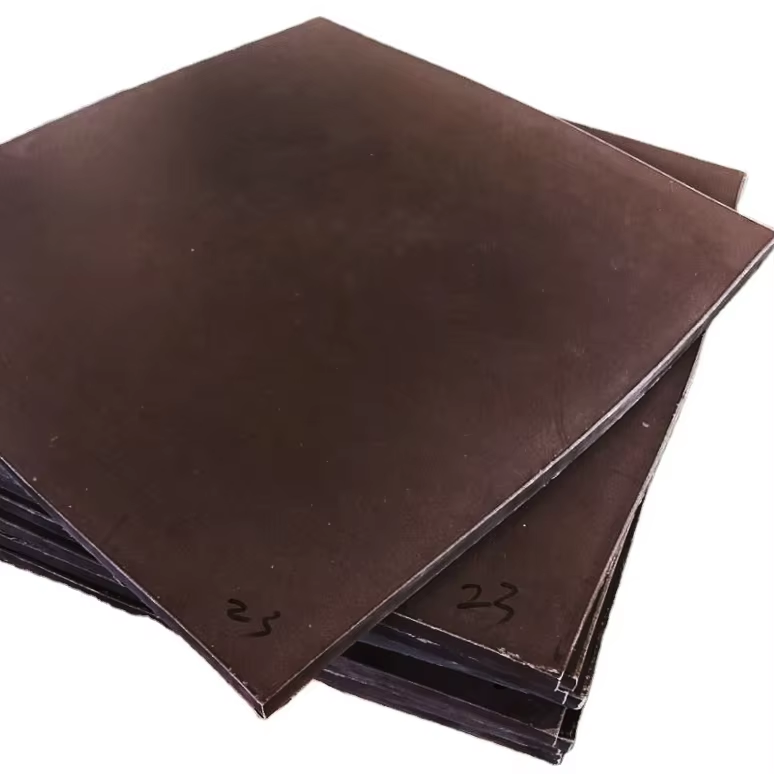
With a copper powder content of 20-40%, it exhibits excellent thermal conductivity, 5-10 times that of ordinary PTFE sheets, but its corrosion resistance is reduced, limiting its use to neutral corrosive media.
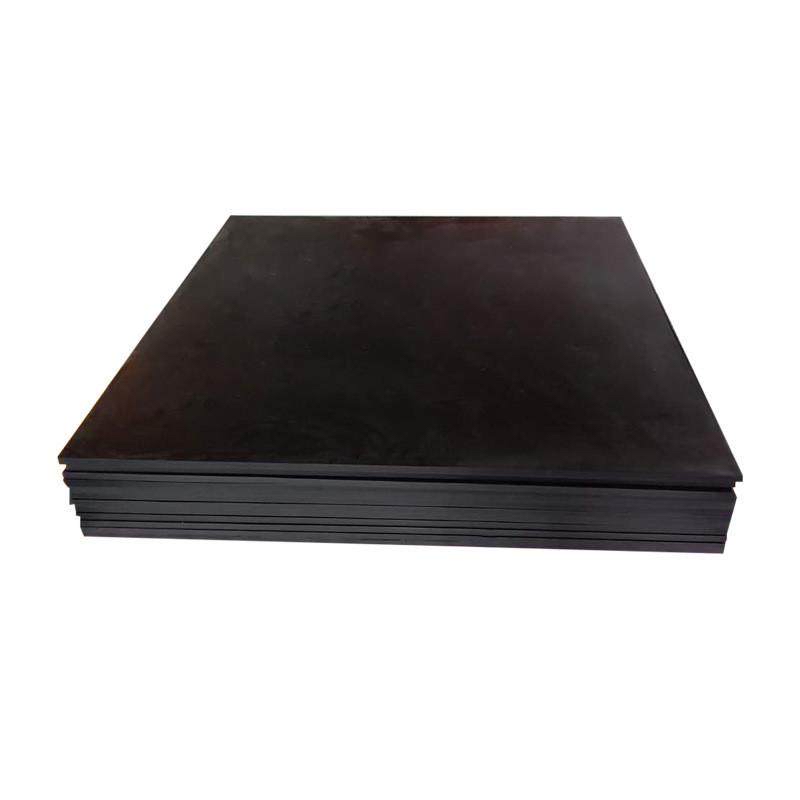
Typically, increasing the graphite content by 10-25% enhances the self-lubricating properties of general-purpose PTFE sheets, resulting in a very low coefficient of friction. However, it also leads to lower hardness, and the price is slightly higher than that of standard general-purpose PTFE sheets.
Principais características da folha de PTFE

Demonstra resistência favorável à compressão e à fluência em temperaturas ambientes, embora possa amolecer sob temperaturas elevadas, sendo adequado para aplicações de baixo estresse.

Coeficiente de atrito (COF) de apenas 0,04, apresentando uma superfície lisa com propriedades autolubrificantes que eliminam a necessidade de lubrificantes externos.

Apresenta resistência à corrosão capaz de suportar agentes agressivos e a maioria dos meios químicos (pH 0-14).

A faixa operacional varia de -200°C a +260°C para serviço sustentado, com tolerância de exposição de curto prazo de até 300°C.
Aplicação de folha de PTFE
Industrial: Vedações, juntas, rolamentos, componentes de válvulas e revestimentos para tubos e tanques.;
Eletrônica: Isolamento para placas de circuito, conectores e componentes eletrônicos;
Automotivo: Buchas, mangueiras e revestimentos para linhas de combustível;
Alimentos e bebidas: Correias transportadoras, moldes e recipientes;
Médico: Cateteres, dispositivos implantáveis e materiais de laboratório.

Your Benefits
- HANSA possesses a complete product quality control system and holds certifications such as FDA, RoHS, and ISO, ensuring that our product quality meets international standards.
- HANSA offers customized services to meet your specific needs regarding the size, thickness, color, or filler materials of PTFE products, ensuring that the products fully meet your expectations. Our professional staff will stay in contact with you to answer any questions you may have.
- HANSA products offer both quality and competitive pricing, focusing on value for money. This not only saves you procurement costs but also eliminates concerns about delivery times. If you order standard products, we have ample stock and can guarantee shipment within 7 days. For customized products, we promise you will receive your order within the agreed timeframe, thanks to our stable and long-term international logistics partners.
- HANSA has 30 years of experience in the production of PTFE products and possesses mature manufacturing and processing technologies. Our sales team is professional and highly responsible, with 20 years of experience in the industry, and can provide comprehensive technical support.
Mature inventory management system
We maintain a readily available stock of standard PTFE sheets, and we have a dedicated inventory management system to facilitate the tracking and management of our stock. When you need to order specific specifications, we can accurately check the current quantity in stock and supply them promptly to meet your urgent needs.
Stable logistics partners
HANSA has established long-term partnerships with three international logistics companies: FedEx, DHL, and UPS, to meet your transportation needs to the greatest extent possible. For packaging, we use wooden crates with foam padding to protect your products and prevent damage during transit.
Company Resource

Is PTFE sheet suitable for your project? If you’re unsure, please contact us, and we will arrange for a professional to assist you. Here is our company’s catalog, which you can download and view.

Do you have doubts about product quality? Worried that the product you receive won’t be what you expected? HANSA can alleviate your concerns, as we provide professional test reports and product certificates. Click to learn more!

HANSA has professional personnel equipped for molding, turning, and CNC machining operations. This is our promotional video, which will allow you to learn about our company in the shortest possible time!
Typical Application Scenarios for PTFE Sheets
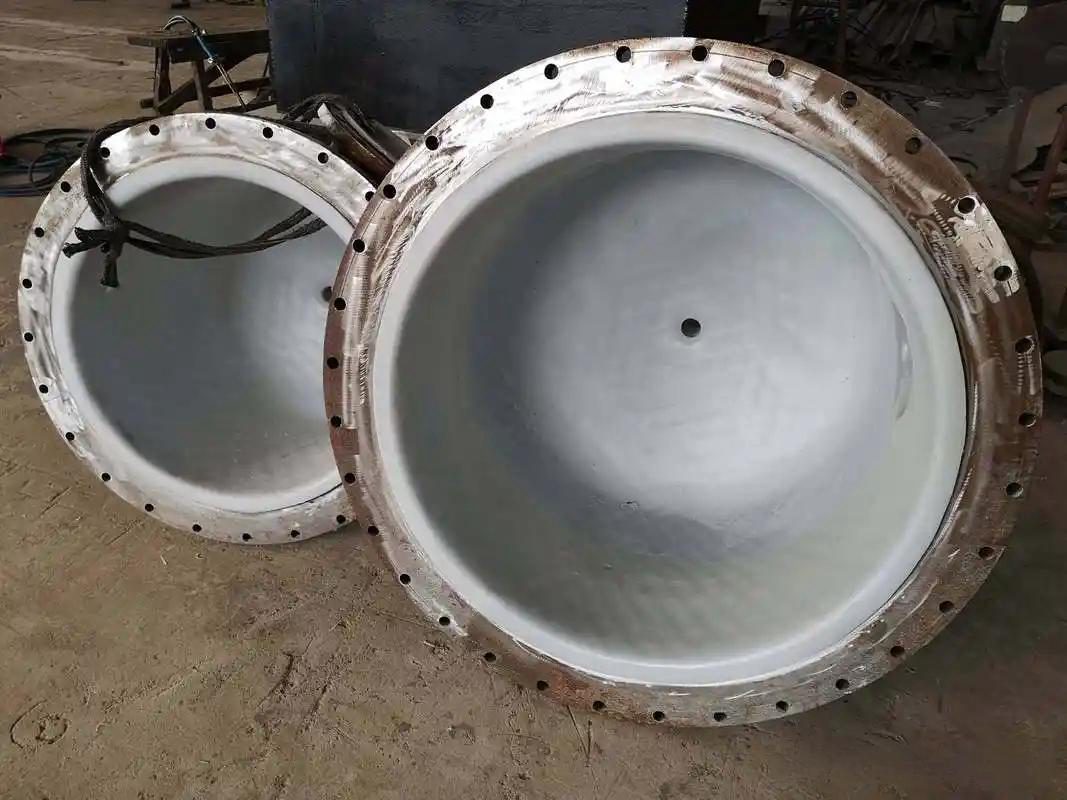
The most classic application of PTFE skived sheets is as a lining for chemical reactors, because PTFE has excellent chemical inertness and hardly reacts with any chemical substances, making it resistant to strong acids, strong bases, and other corrosive liquids. After adhesive treatment, the PTFE skived sheet adheres tightly to the reactor, and our professional technology ensures that it will not detach, extending the service life of your chemical equipment.
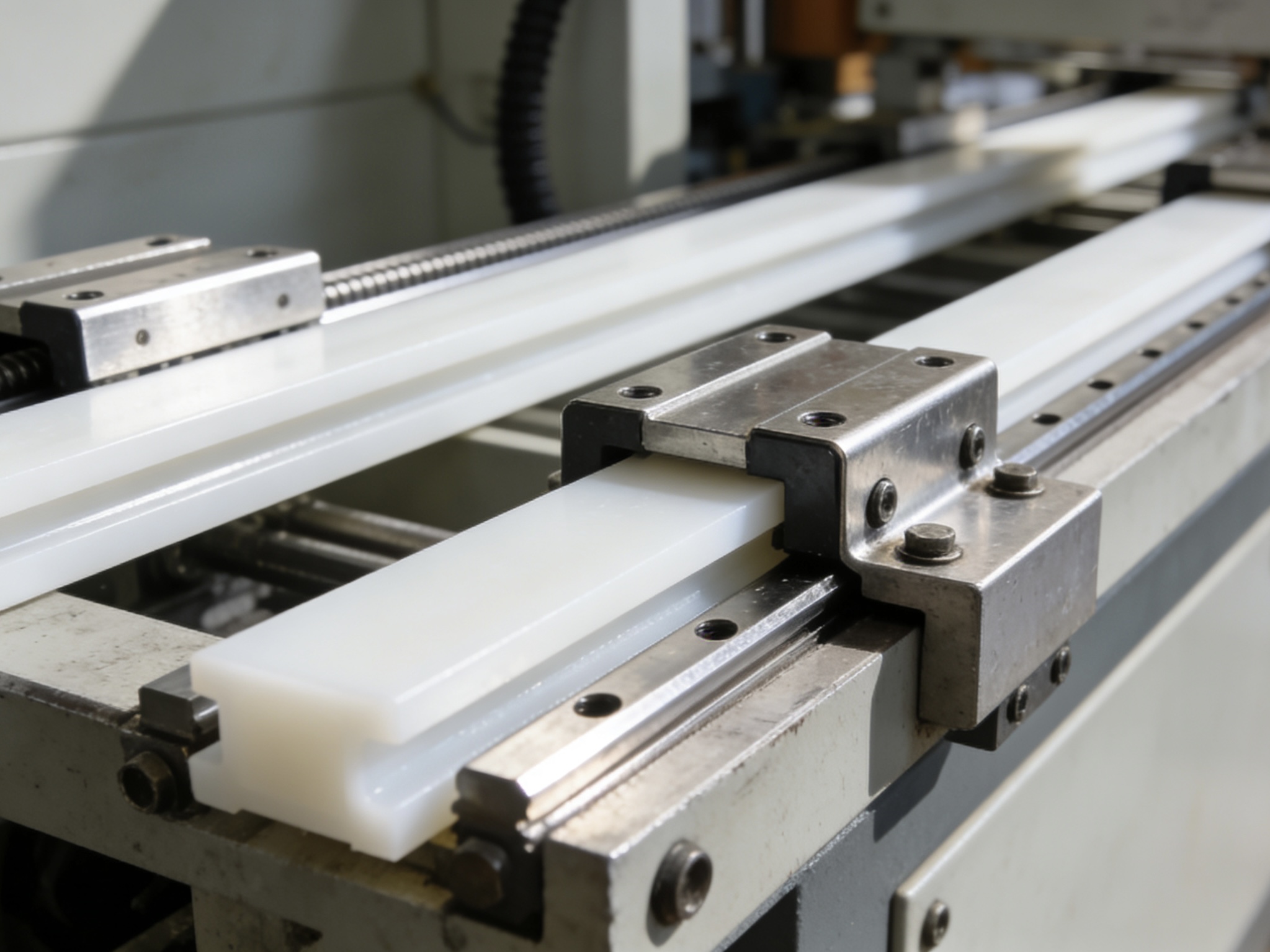
Due to PTFE’s extremely low coefficient of friction (only 0.04) and excellent self-lubricating properties, it is widely used in the manufacture of sliding bearings, guide rails, and piston rings, which can reduce equipment wear and save on production costs.
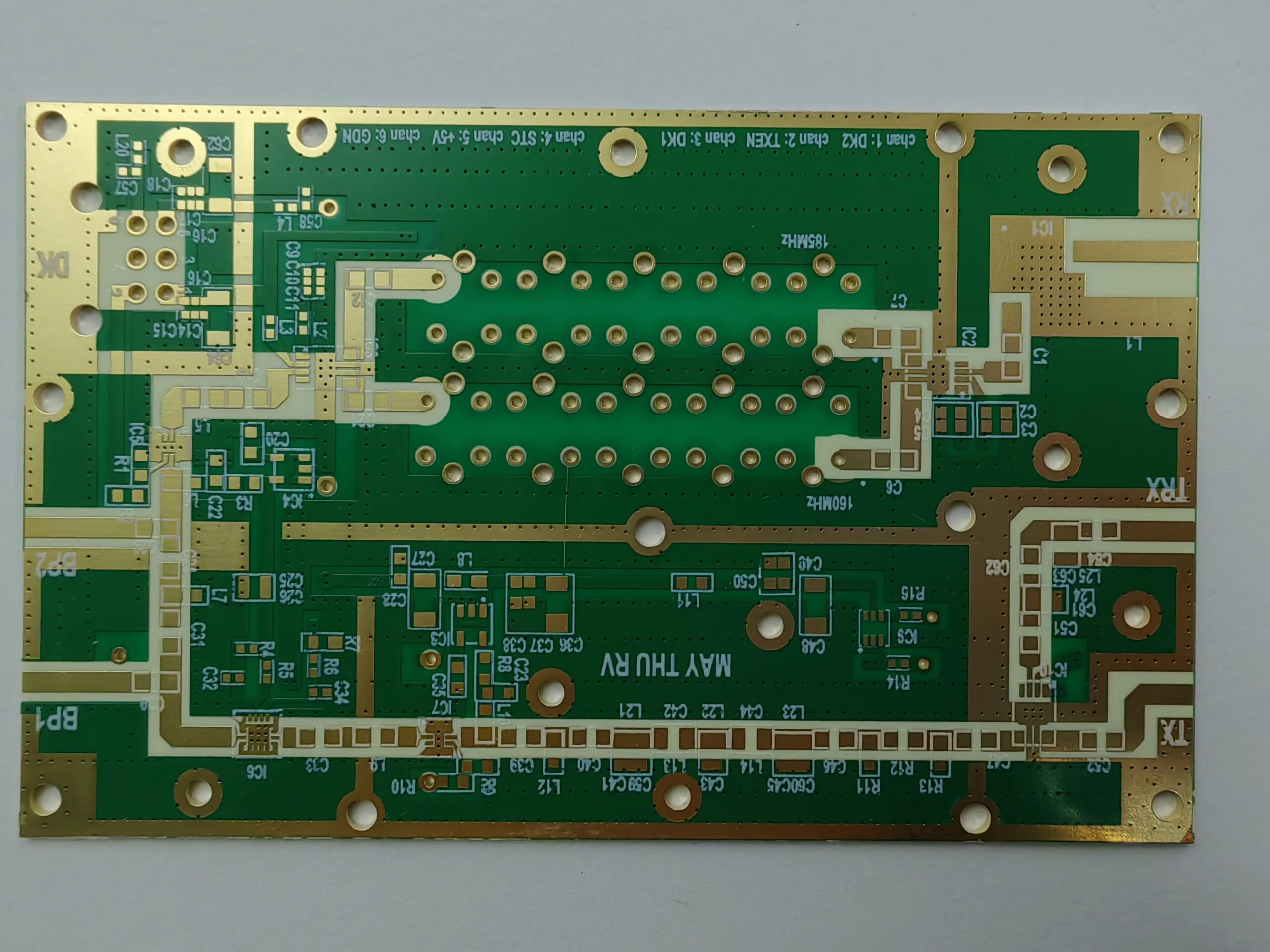
After processing, PTFE sheets can be used as substrates for printed circuit boards (PCBs), insulating gaskets, etc. This is because PTFE has excellent insulation properties, high temperature resistance, and very low dielectric constant and loss factor, resulting in minimal signal transmission loss.
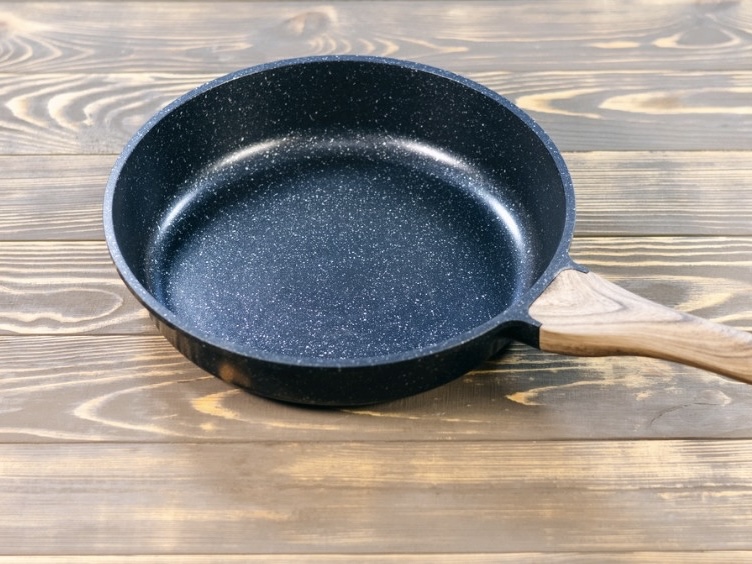
There are specialized medical-grade PTFE materials used in high-end medical equipment, such as sterile seals or artificial heart valves. There is also food-grade PTFE, specifically labeled as harmless to humans, which can be used as a lining for household baking utensils, such as non-stick pans and oven trays.
Especificações do PTFE modificado da Hansa
- Descrição do tamanho
- Propriedades do PTFE virgem
- Etched PTFE Properties
- Folha de PTFE modificada
| Tipo | Size Description |
| Folha moldada de PTFE | Regular size is Square: width x Length, from 150mm – 2000mm
Thickness: 4mm – 500mm |
| Folha de PTFE com acabamento desbastado | Width 300,400,500,800,1000,1200,1300,1400,1500,1600,1800,2000,2200,2500,2700mm ,Length ≥200
Thickness: 0.1-6.5mm |
| PTFE Film | Thickness: 0.02-0.5mm
Length ≥100 |
| Folha de PTFE expandido | Width and Length: regular 1500*1500
Thickness: 0.5-10mm |
| Propriedades | unidade | Resultado |
| Densidade aparente | g/m² | 2.10~2.30 |
| Resistência à tração (mín.) | MPa | 15.0 |
| Alongamento na ruptura (min) | % | 150 |
| Rigidez dielétrica (min) | kV/mm | 10 |
| Propriedades | Unidade | Resultado |
| Densidade | g/cm³ | ≥2.18 |
| Resistência à tracção | MPa | ≥30 |
| Elongation at break | % | 300 |
| NO. | Filled Compound And | Resistência à tração Mpa min | Força Máxima % min | Compression Strength Mpa |
| Content By Wt | min | |||
| 1 | Fibra de vidro 20% | 10 | 120 | 16 |
| 2 | Fibra de vidro 25% | 10 | 100 | 16 |
| 3 | 20%Gibra de vidro 5%Gafita | 10 | 120 | 16 |
| 4 | 60%Bronze | 10 | 80 | 20 |
| 5 | 15%Carbon Fiber | 11 | 130 | 16 |
| 6 | 24%Bronze 12%Glass Fiber | 9 | 100 | 16 |
| 6%Carbon | ||||
| 7 | 15%Glass Fiber 10% Poly – | 10 | 120 | 16.7 |
| imide5%Graphite |
Teflon and PTFE are essentially the same thing, both referring to the material polytetrafluoroethylene. The difference is that Teflon is a registered trademark, originally owned by DuPont, and now owned by Chemours, an independent company spun off from DuPont.
- Difficult to Process, High Cost: Due to PTFE’s unique properties, it has an extremely high melting point and requires special processing techniques, like “cold pressing,” which is time-consuming and requires specialized equipment. This makes PTFE expensive and challenging to process.
- Poor Creep Resistance: Compared to materials like nylon and PEEK, PTFE has lower hardness and rigidity. In practical applications, if PTFE is continuously under pressure, it may permanently deform over time.
- Decomposes and Releases Toxins at High Temperatures: When PTFE is exposed to temperatures above 260°C for long periods, it begins to break down and release toxic substances. At temperatures exceeding 350°C, the decomposition process accelerates, releasing harmful fumes.
- Non-Biodegradable: PTFE’s high thermal stability prevents it from naturally degrading. Recycling PTFE requires high temperatures, which can release toxic by-products, leading to environmental pollution and potential harm to human health.
The lifespan of PTFE depends on its application environment. Under clean conditions and normal operating temperatures, PTFE can last for 10-50 years. However, if it operates under high pressure for extended periods, its lifespan will be significantly shorter, possibly only 7-8 years, or even 4-6 years. Of course, this also depends on the grade of the PTFE material.
Currently, there are two methods for recycling PTFE:
- Mechanical Recycling: PTFE is ground into fine powder, compacted, and then sintered at a high temperature of 370°C.
- Chemical Recycling (also known as Pyrolysis): When exposed to temperatures over 400°C, PTFE decomposes into tetrafluoroethylene monomers.
After receiving the goods, you can quickly perform an acceptance inspection. First, check if the PTFE sheet is milky white and free of color variations. Secondly, measure its volume and weight to calculate the density of the PTFE sheet. If the density is within 2.1-2.2 g/cm³, it is considered acceptable. If you have sufficient time, you can immerse it in concentrated sulfuric acid solvent, observe it for 24 hours, then remove and weigh it. Compare the weight to the weight upon receipt; if the change rate is no more than 1%, and there are no cracks on the surface, it is considered acceptable.
PTFE, commonly known as “the king of plastics,” boasts excellent overall performance and is suitable for most applications. It also has a long service life, lasting 10-50 years or more. We can develop customized solutions for your specific project, providing personalized professional service to address your concerns.
Yes, PTFE is available in different grades, including general-purpose, food-grade, and medical-grade. Each grade is suitable for different applications. Furthermore, the raw materials for PTFE also vary, with different brands available from manufacturers such as DuPont and Daikin. In addition, there is both pure PTFE and recycled PTFE.
If you’re simply cutting PTFE sheets, you can do it yourself. For thin sheets, you can score the surface with a utility knife and then easily break it apart by hand; for thicker sheets, you’ll need a saw. First, secure the sheet, then mark the cutting line, and finally, saw along the marked line. However, if your project is large and involves a significant amount of PTFE sheets, you’ll need to use a CNC machine for cutting. This will greatly improve efficiency, but it may increase your costs.
Produtos relacionados
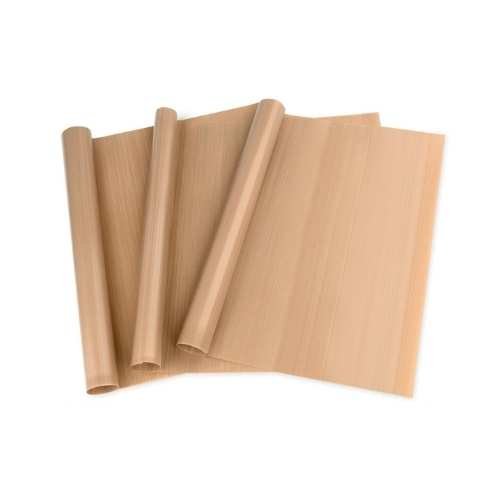

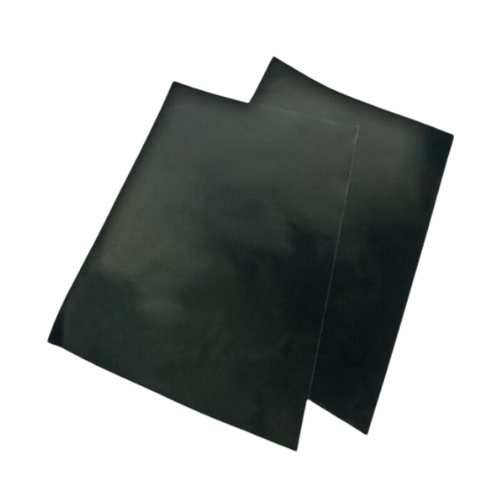
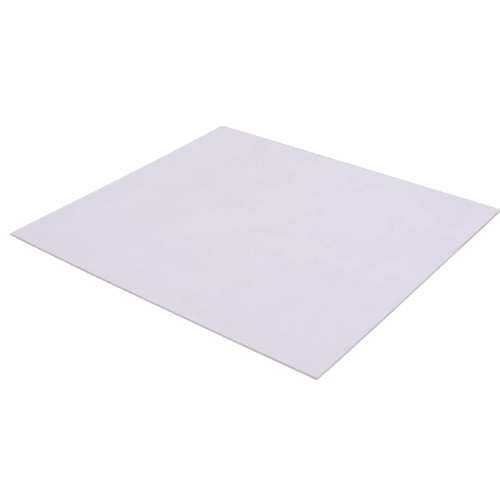

Folhas de PTFE
As folhas de politetrafluoroetileno são geralmente chamadas de folhas de PTFE. Ou você também pode chamá-las de folhas de Teflon. É claro que os dois nomes se referem ao mesmo produto, exceto que "Teflon" é PTFE fabricado pela DuPont.
Em termos gerais, essas folhas são feitas de flúor e ligações de carbono. Daí o nome Politetrafluoretileno.
Devido às fortes ligações de carbono, são consideradas folhas de alto peso molecular, razão pela qual são comuns em muitas aplicações hoje em dia.
Tipos de PTFE Folhas disponíveis
Você pode usar critérios amplos para classificar chapas de Teflon, graças às amplas opções de personalização.
O ideal é que você queira:
- Folhas de PTFE com adesivo – elas têm substrato adesivo em uma superfície
- Folhas de PTFE cortadas sob medida – o PTFE é cortado de acordo com suas necessidades específicas
- Folhas com espessuras variadas – você pode escolher a folha de PTFE de 3 mm de espessura ou 100 mm de espessura
Em suma, as opções disponíveis dependem de opções de personalização exclusivas. Mais importante ainda, isso também determinará o preço da chapa de PTFE.
Material de folha de PTFE de uso geral
É claro que a personalização torna as chapas de Teflon adequadas para aplicações muito específicas. No entanto, você pode optar por chapas de PTFE de uso geral.
| Propriedade do material da folha de PTFE | Avaliação |
| Resistência à tracção | Pobre |
| Resistente a UV | Bom |
| Dureza | Médio macio |
| Resistência ao impacto | Bom |
| Dimensões | Varia, mas pode ter de 6 por 6 polegadas a 48 por 48 polegadas |
Folhas de PTFE com enchimento de vidro
Se você procura chapas com maior resistência mecânica, impacto e abrasão, opte por aquelas com fibra de vidro. Na maioria dos casos, essas chapas contêm cerca de 25% de fibras de vidro.
Características das folhas de politetrafluoretileno
Há muitas razões para escolher estas folhas:
- O alto ponto de fusão torna a resina perfeita para a maioria dos serviços contínuos
- O material PTFE permanece estável em altas temperaturas. A faixa de temperatura é de -200 °C a +260 °C.
- Conhecido por suas propriedades antiaderentes superiores
- Propriedades de isolamento superiores
- O coeficiente de atrito é relativamente baixo
- Melhor resistência à corrosão do que o material plástico padrão
- Eles são hidrofóbicos – tendem a repelir água
- Quimicamente inerte
- São aprovados pela FDA
- Sensível à radiação gama
Às vezes, sua chapa de PTFE virgem não oferece todas essas características. Por isso, você precisa reforçar o material de PTFE. Essas chapas são feitas de resina de politetrafluoroetileno pura 100%.
Vamos comparar duas planilhas interessantes:
| Folha de PTFE virgem | Folha de PTFE mecânica |
| · Feito de resina de politetrafluoroetileno pura 100%
· Altas propriedades físicas · Aplicação normal · Sem aditivos adicionais |
· Feito de resina de politetrafluoroetileno reprocessada
· Baixas propriedades físicas · Aplicações de alto desempenho · Cheio de aditivos para melhorar as propriedades |
Formas em que você pode enviar folhas de PTFE
Você pode obter esses materiais planos ou enrolados. Os métodos de embalagem dependem da espessura da folha.
Na maioria dos casos, os rolos de folhas de PTFE têm espessura inferior a 0,093". Caso contrário, não é recomendado enrolar folhas de politetrafluoretileno com espessuras maiores.
Usos
Você pode usinar ou fabricar a folha de material PTFE para fazer muitas peças, como:
- juntas de PTFE
- Bucha de PTFE
- Revestimento de PTFE
- Placa deslizante de PTFE
- Peças de isolamento elétrico de PTFE
- Arruelas de PTFE

 Portuguese
  English
  Arabic
  Tibetan
  German
  Spanish
  French
  Hindi
Hindi  Indonesian
  Italian
  Japanese
  Korean
  Dutch
Dutch  Thai
Thai  Russian
  Swedish
  Chinese