


PEEK is a high-performance thermoplastic material that combines excellent properties—such as heat resistance, chemical resistance, and mechanical strength—making it widely used in demanding applications across sectors like aerospace, petrochemicals, and electronics. Understanding the chemical structure, properties, and applications of this high-performance plastic will help you make the right decisions when selecting materials for your projects.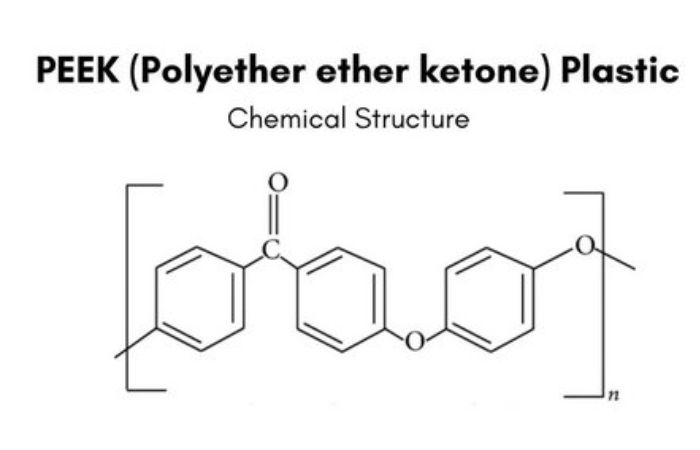
PEEK (Polyether Ether Ketone) is an aromatic, semi-crystalline, high-performance thermoplastic. It is characterized by high-temperature resistance, chemical resistance, and low friction, while maintaining excellent dimensional stability across a wide temperature range; it also boasts high fatigue resistance and excellent processability.
PEEK is widely used in sectors with demanding performance requirements—such as aerospace, semiconductors, automotive, and medical industries—for applications ranging from mechanical components (like bearings and pistons) to medical devices (such as endoscopes and dialyzers).
Often used as a substitute for metals, ceramics, and traditional engineering plastics, PEEK enables a 40% reduction in weight without compromising performance, making it particularly suitable for lightweighting applications.
The Chemical Structure of PEEK
The chemical composition and molecular structure determine the properties of PEEK; understanding this aspect is essential for a thorough grasp of the material.
The “P” in Polyether Ether Ketone is derived from Greek, meaning “poly-” (many); the full term essentially signifies a chain of many “EEK” units, forming PEEK.
PEEK is composed of repeating units—each consisting of an aryl group (benzene ring), an ether group, and a ketone group—that link together to form a molecular chain. Here is a detailed breakdown of these three components:
- Aryl group (ARYL): Also known as a benzene ring, this is a cyclic structure containing six carbon atoms. It acts like the “rebar” within the molecular chain, restricting excessive movement. The carbon-carbon bonds within it are robust and resistant to breaking, limiting chain mobility and maintaining structural stability at high temperatures. Consequently, the aryl group provides PEEK with high heat resistance, rigidity, and dimensional stability.
For example, PEEK has a long-term service temperature of 250–260°C and a melting point of 343°C.
- Ether group (ETHER): This functional group consists of an oxygen atom linking two carbon atoms. It acts as a “flexible connector” within the molecular chain, imparting toughness and processability to PEEK.
If the structure consisted solely of benzene rings, it would be excessively rigid and prone to brittleness. The oxygen atom allows for a degree of rotation within the chain segments, thereby enhancing impact resistance and reducing the likelihood of brittle fracture.
- Ketone group (KETONE): This consists of a carbonyl structure—a carbon atom double-bonded to an oxygen atom—acting as a “strengthening connection point” within the molecular chain. Because the carbonyl group is highly polar and the oxygen atom attracts electrons, intermolecular forces are intensified and the molecular chains bind more tightly. This resistance to being pulled apart enhances PEEK’s mechanical strength and wear resistance.
Why PEEK is classified as “aromatic”: The term “aromatic” originally referred to distinctive or sweet scents and is also used to describe molecules containing or composed of cyclic structures; indeed, small molecules of this type (such as toluene and naphthalene) possess distinctive odors.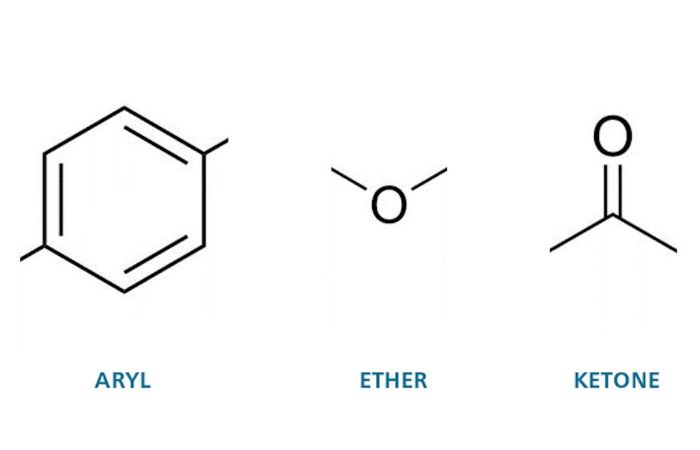
Effect of Molecular Weight on the Properties of PEEK
What is PEEK molecular weight?
The “EEK” unit mentioned earlier serves as a building block; PEEK is composed of many such “EEK” units—that is, it consists of numerous repeating units. The greater the number of repeating units, the longer the molecular chain and the higher the molecular weight.
High molecular weight
High molecular weight implies longer polymer chains, which enhances the material’s ability to absorb impact energy by dispersing the force laterally. Consequently, high-molecular-weight PEEK exhibits superior impact resistance and toughness, as well as excellent fatigue resistance and a reduced tendency to become brittle or crack.
Furthermore, longer molecular chains result in increased chain entanglement; this restricts slippage under load and prevents surface material loss, thereby yielding higher mechanical strength and superior surface wear resistance.
However, high molecular weight presents both advantages and disadvantages. Long PEEK chains reduce melt flowability—as the increased chain length creates greater resistance in the molten state—thereby complicating processing. As a result, high-molecular-weight PEEK is generally less suitable for injection molding or for filling molds with small, complex geometries.
Low molecular weight
Low molecular weight means the polymer chains are relatively short. Its advantage is obvious: it makes PEEK easier to process due to improved melt flowability.
History of PEEK
To briefly introduce the origins of PEEK: in the 1970s, the rapid development of the aerospace and electronics industries drove an increasing demand for high-performance components. Conventional plastics fell short in terms of heat resistance, while certain metals were either susceptible to chemical corrosion or excessively heavy; there was an urgent need for a material that combined heat resistance, chemical resistance, and lightweight properties. Consequently, around 1978, the British chemical company ICI (Imperial Chemical Industries) developed this new polymer—PEEK.
PEEK entered the commercial market in 1981, with ICI promoting the resin under the brand name Victrex PEEK.
Subsequently, PEEK expanded into a wide range of new sectors, finding applications in demanding areas such as automotive components, medical devices, and industrial seals.
Advantages of PEEK
- Exceptional High-Temperature Resistance
One of PEEK’s most notable characteristics is its high-temperature resistance; its benzene ring structure restricts molecular chain movement at elevated temperatures. It boasts a long-term service temperature of up to 260°C and can withstand short-term temperatures exceeding 300°C. Consequently, it is widely used in automotive engines and transmissions, specific sections of aerospace engines, and high-temperature components for chemical processing equipment.
- Mechanical Strength and Fatigue Resistance
PEEK’s mechanical properties far surpass those of ordinary plastics, offering a combination of toughness and rigidity. It can absorb and dissipate external forces, demonstrating strong impact resistance.
Its high rigidity ensures excellent dimensional stability during processing, making it suitable for manufacturing precision components.
- Low Friction and Wear Resistance
PEEK features a low coefficient of friction. Combined with its high rigidity, this makes it ideal for high-load friction applications or environments where lubrication is absent.
- Excellent Chemical Resistance
PEEK is resistant to most acids, bases, solvents, and hydrocarbons, owing to its highly stable chemical structure. It is used for structural components in chemical processing and seals in corrosive environments.
- Biocompatibilidade
Biocompatibility means the material does not trigger an adverse rejection response when in contact with human tissue; naturally, this applies specifically to medical-grade PEEK. When used for human implants, its flexural modulus—approximately 3–4 GPa—closely matches that of human bone, leading to widespread medical application, particularly in dentistry.
- Lighter than Metal
PEEK offers performance comparable to metal but has a density of only 1.3 g/cm³, making it a viable metal substitute. It is used in scenarios where metal is unsuitable or has a short service life—such as applications requiring corrosion resistance or a lighter alternative to metal.
- Radiolucency
When used for orthopedic implants or surgical instruments, PEEK does not interfere with diagnostic equipment or imaging techniques such as X-rays, CT scans, or MRI.
- Isolamento elétrico
PEEK exhibits stable electrical properties, maintaining long-term operational reliability even under conditions of significant fluctuation in temperature, pressure, and frequency. It is widely used in semiconductor equipment, electrical connectors, and electronic insulation components.
Limitations of PEEK Material
- High Material and Processing Costs
PEEK entails high costs from synthesis through to processing. Factors such as specialized polymerization processes, long production cycles, and rigorous reaction conditions—combined with the need for expert knowledge and extensive experience during fabrication—drive up the final cost.
- Demanding Processing Conditions
Due to its high-temperature resistance, PEEK requires processing temperatures reaching its melting point of 343°C—or even exceeding 400°C—placing strict demands on processing equipment and environments. Furthermore, PEEK’s high rigidity places significant strain on CNC cutting tools, potentially leading to severe tool wear.
- Not Completely Chemically Inert
While PEEK is resistant to acids, alkalis, and hydrocarbons, its durability in concentrated sulfuric acid or high-temperature, strongly oxidizing environments requires careful consideration, as exposure to these conditions may reduce its service life.
- Requires Professional Processing Suppliers
If you lack processing experience but are considering purchasing PEEK stock shapes for in-house machining, it is advisable to proceed with caution. It is best to partner with an experienced PEEK machining facility or a supplier capable of processing PEEK products, especially when precise dimensional control and batch-to-batch consistency are required.
Properties of PEEK material
Physical properties
PEEK has a density of 1.30–1.32 g/cm³; while lighter than metal, it offers comparable performance, making it a suitable metal substitute for lightweighting applications.
With a water absorption rate of approximately 0.03–0.1%, PEEK is virtually non-absorbent, allowing it to be used for precision structural components in humid environments.
Its coefficient of friction is approximately 0.3–0.4; while higher than that of PTFE (which, at 0.04, is the lowest among engineering plastics), PEEK’s advantage lies in its superior rigidity, resulting in better wear resistance under load.
It typically appears brownish-gray or beige, though colors may vary depending on the manufacturing process or the addition of fillers.
PEEK has a molding shrinkage rate of approximately 0.5–1.5%, indicating good dimensional stability and suitability for the production of precision parts.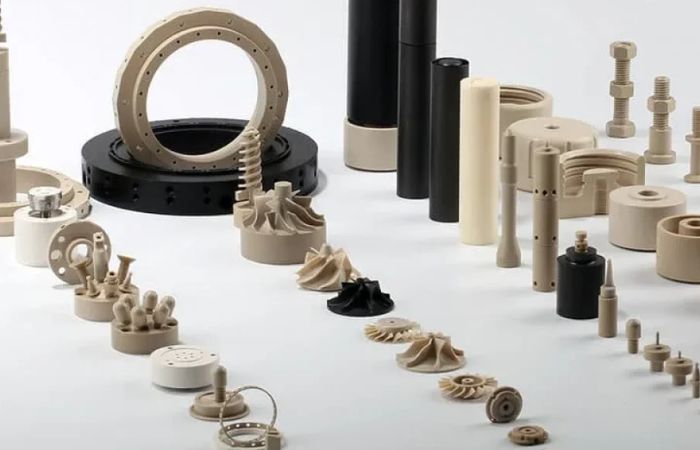
Propriedades Mecânicas
PEEK possesses high mechanical strength, comparable to that of certain metals such as aluminum alloys and stainless steel.
It exhibits excellent creep and fatigue resistance. While ordinary plastics gradually deform and eventually fail under sustained loads, PEEK maintains dimensional stability, particularly in environments involving long-term cyclic loading and repetitive motion.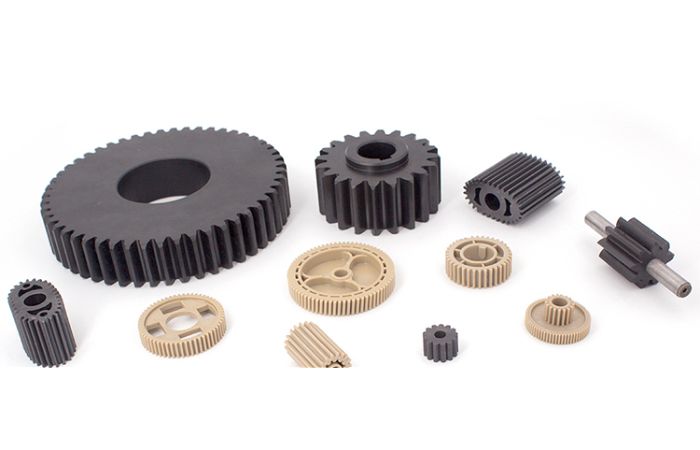
Propriedades Químicas
One of PEEK’s greatest advantages is its resistance to chemical corrosion; it withstands acids, alkalis, organic solvents, fuels, lubricants, water, and steam. In addition to applications in sectors such as petrochemicals, aerospace, and semiconductor equipment, PEEK is also suitable for use in materials requiring steam sterilization—provided, of course, that it is food-grade plastic compliant with relevant FDA regulations.
Propriedades térmicas
The heat resistance of PEEK is primarily characterized by its long-term service temperature, melting point, and low coefficient of thermal expansion.
The long-term service temperature of PEEK is 260°C, while its short-term service temperature is around 300°C.
The melting point of PEEK is 343°C.
Propriedades elétricas
PEEK exhibits excellent electrical insulation properties and low dielectric loss, making it suitable for high-frequency electronic equipment and precision electronic components. It maintains stable performance even in high-temperature and high-frequency environments.
Synthesis and Manufacturing Processes of PEEK
The properties of PEEK are closely linked to its production process, which entails specific requirements regarding temperature stability, molecular weight control, and reaction duration. The following outlines the synthesis and production process of PEEK, from raw materials to the finished product:
The primary raw materials for synthesizing PEEK resin are hydroquinone and 4,4′-difluorobenzophenone; these undergo polymerization at high temperatures to form ether and ketone linkages.
- Reaction temperatures exceeding 300°C are required to accelerate the polymerization rate.
- Alkali metal carbonates are used as catalysts to promote the formation of ether linkages.
- High-boiling-point polar solvents are employed to provide the necessary high-temperature reaction environment.
- Molecular weight control: The length of PEEK molecular chains is regulated by controlling monomer ratios, reaction time, and temperature.
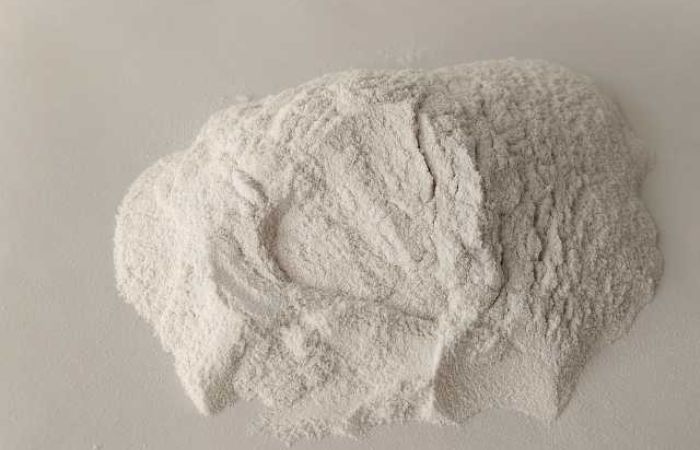
The production of PEEK resin pellets involves three steps:
- Cooling and solidifying the synthesized PEEK resin.
- Pulverizing the resin and removing residual solvents, inorganic salts, and by-products.
- Melting and extruding the material, followed by pelletizing (cutting into granules).
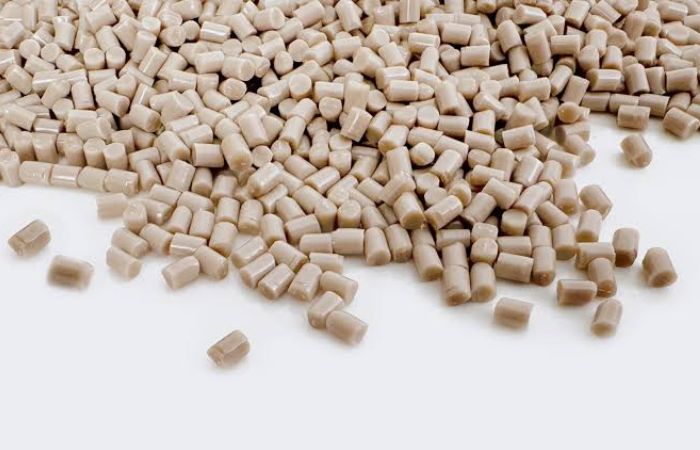
Processing techniques for PEEK plastic products include:
- Extrusion molding: Suitable for continuous production of profiles such as sheets, rods, and tubes.
- Injection molding: Suitable for producing complex, precision structural components and small mechanical parts; typically utilizes low-molecular-weight PEEK.
- Compression molding: Results in products with low internal stress; suitable for producing thick-gauge sheets.
- Among the key processes in CNC machining are:
CNC milling PEEK
CNC turning PEEK
CNC drilling PEEK
Forms PEEK Material Exist
You can obtain PEEK profiles in various forms to suit your requirements.
PEEK Sheets
PEEK sheets are available in a variety of specifications; thicknesses range from 1 mm to 100 mm, widths are approximately 610–740 mm, and lengths range from 1,000 mm to 1,400 mm (or even longer). Sheet dimensions vary depending on the thickness.
PEEK Rods
These PEEK rods come in various thicknesses and customizable lengths; featuring high concentricity, they are widely used for product machining. Diameters range from 5 mm to 400 mm, and lengths can be customized to meet specific requirements.Those with a diameter of less than 5 mm are classified as PEEK filaments. 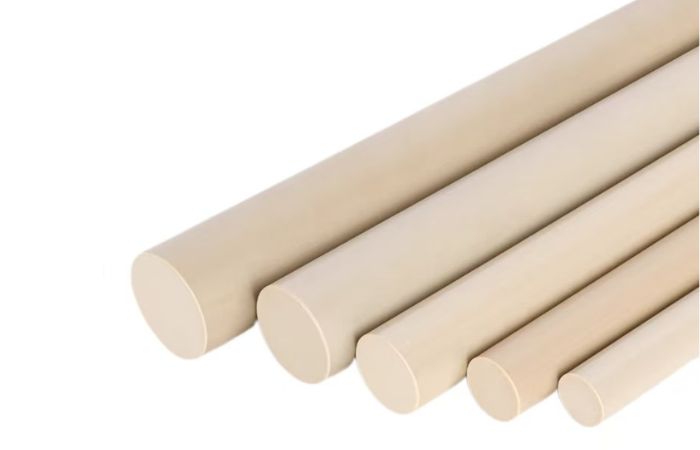
PEEK Tubes
PEEK tubing is available in a wide range of specifications; the largest dimensions currently producible are an outer diameter of 597 mm and an inner diameter of 447 mm, with lengths—like those of PEEK rods—customizable to requirements.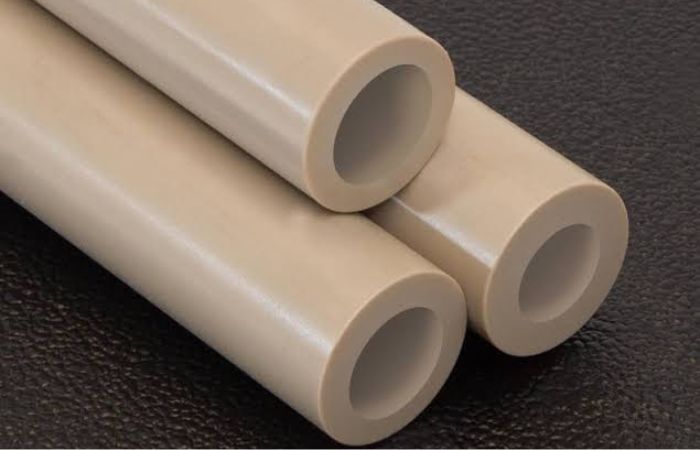
PEEK Film
Few suppliers in China manufacture PEEK film due to the extremely high technical requirements involved. The film is available in thicknesses ranging from 0.2 mm to 1 mm and finds its most extensive application in the electronics, electrical, and aerospace industries.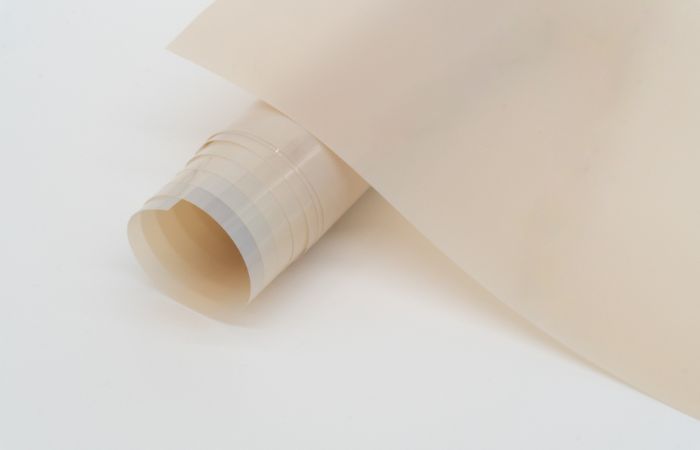
Improved or Reinforced PEEK
PEEK is a high-performance engineering plastic characterized by high-temperature resistance, chemical corrosion resistance, and high mechanical strength. However, even with these inherent properties, certain specialized engineering applications—such as those involving heavy loads, high wear, or unique frictional conditions—impose even more rigorous demands on material performance. Consequently, neat PEEK often falls short of these requirements, necessitating the addition of fillers to enhance its properties.
In fact, different fillers impart different performance improvements; listed below are various modified types and grades of PEEK:
Carbon Fiber Filled PEEK
Typically, the carbon fiber content ranges from approximately 10% to 30%; excessive loading makes the material prone to brittle fracture during sintering.
Carbon fiber enhances the mechanical strength, creep resistance, and thermal conductivity of PEEK. By further constraining the molecular chains, it inhibits gradual movement under sustained stress, thereby maintaining excellent dimensional stability.
Carbon fiber facilitates heat transfer by dissipating thermal energy laterally, which helps reduce localized heat buildup caused by friction.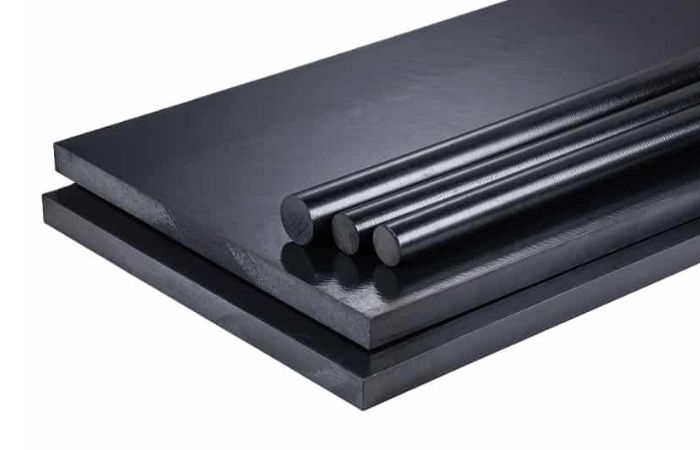
Glass Fiber Filled PEEK
The addition of glass fiber significantly enhances the rigidity and compressive strength of PEEK; furthermore, it reduces the material’s coefficient of thermal expansion, resulting in greater dimensional stability. PEEK reinforced with glass fiber in this manner offers improved mechanical strength and is typically used for applications such as structural supports and precision mechanical components that require long-term, static load-bearing capabilities.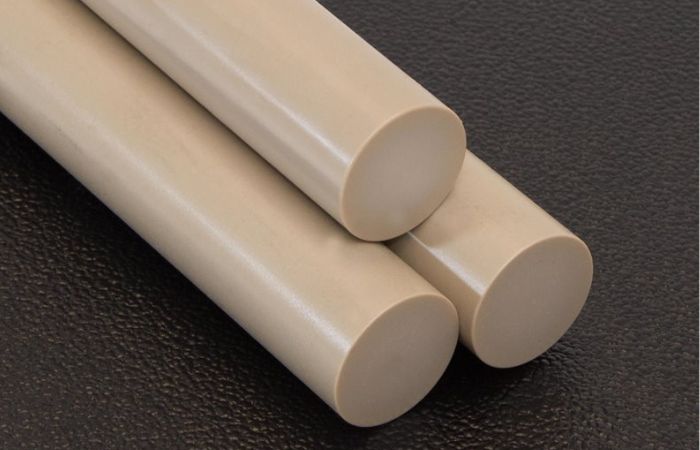
Graphite Filled PEEK
Graphite possesses a unique layered structure that allows the layers to slide easily against one another; consequently, it can be used to reduce friction and enhance wear resistance. It is well-suited for operating conditions involving prolonged, repetitive friction.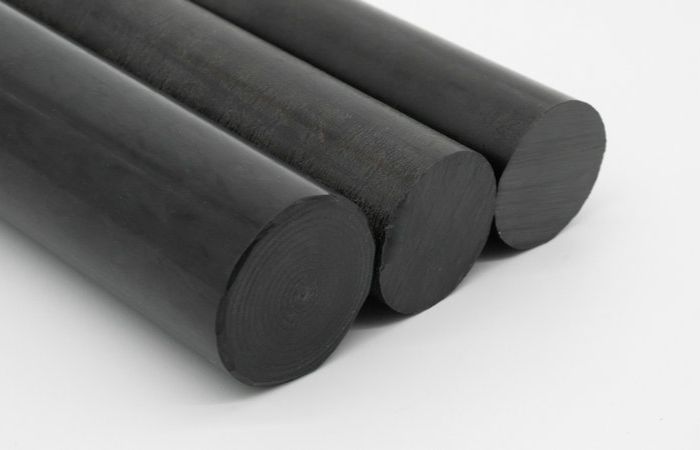
PTFE Filled PEEK
Due to its self-lubricating properties and an extremely low friction coefficient of 0.04, the addition of PTFE significantly reduces the frictional resistance of PEEK. Consequently, PEEK can be used in dry-friction or unlubricated environments.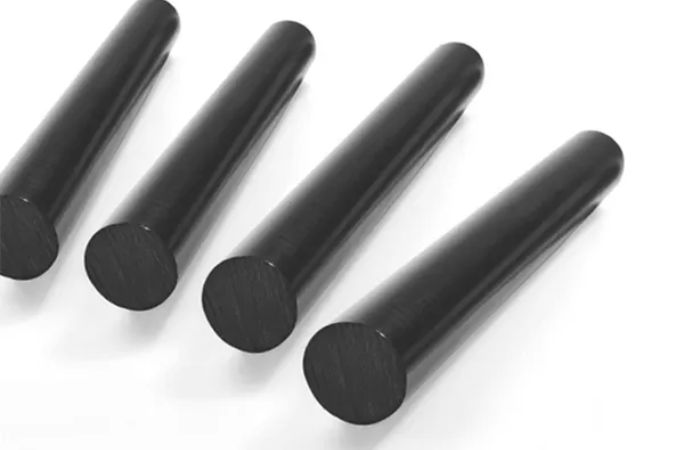
ESD PEEK
ESD PEEK is a type of electrostatic dissipative PEEK that typically achieves its antistatic properties through the addition of carbon fiber, carbon black, or graphite. It is primarily used in the semiconductor industry, electronics manufacturing, and for antistatic guide rails in precision machinery.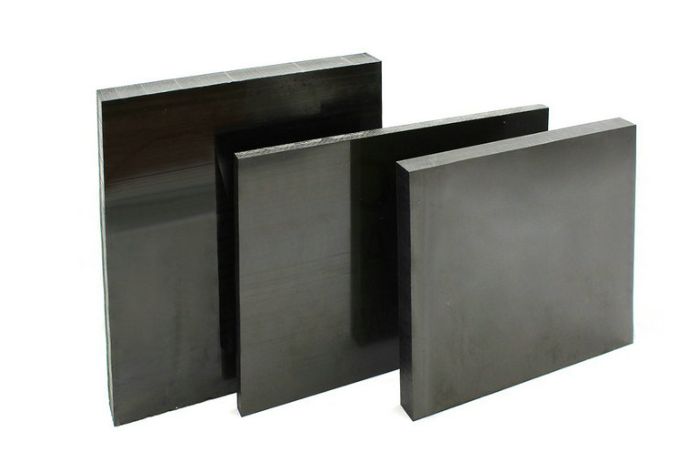
Comparing PEEK with Other Materials
PEEK vs PEAK
The PEAK referred to here is PEK, a member of the PAEK family.
| Propriedades | ESPIADA | PEK |
| Nomes Sintéticos | Polyether Ether Ketone | Polyetherketone |
| Ponto de fusão | 343℃ | 370℃ |
| Molecular structure | Ether + Ether + Ketone | Ether + Ketone |
| Cost | High | Higher |
| Processing performance | Better | More difficult |
| Aplicações | Aerospace and automotive engine compartment components; semiconductor equipment. | PEK is used in more extreme environments, such as for high-temperature structural components, aero-engine equipment, and specialized industrial equipment. |
PEEK vs PTFE
| Propriedades | ESPIADA | PTFE |
| Nomes Sintéticos | Polyether Ether Ketone | Polyfluoroethylene |
| Brand Name | Victrex® | Teflon® |
| Strength | High | Low |
| Resistência à temperatura | 260℃ | 260℃ |
| Resistência química | Great | Excelente |
| Aplicações | Precision mechanical components, including gears, bearings, piston rings, and high-temperature structural parts. | Gaskets, valve seats, chemical-resistant linings, pipe seals, and electrical insulation components. |
PEEK vs POM
| Propriedades | ESPIADA | POM |
| Nomes Sintéticos | Polyether Ether Ketone | Polyoxymethylene |
| Brand Name | Victrex® | Delrin®/Acetal® |
| Long-Term Operating Temp | 260℃ | 80-100℃ |
| Resistência mecânica | Great | Bom |
| Processing performance | Difficult | Easy |
| Cost | High | Low |
| Aplicações | Semiconductor equipment parts | Automation equipment parts |
PEEK vs PPS
| Propriedades | ESPIADA | PPS |
| Nomes Sintéticos | Polyether Ether Ketone | Polyphenylene Sulfide |
| Long-Term Operating Temp | 260℃ | 200-220℃ |
| Resistência mecânica | Higher strength and toughness | High rigidity but slightly lower toughness. |
| Cost | Higher | More economical |
| Aplicações | Aerospace structural components, high-temperature seals, semiconductor equipment parts, heavy-load bearings, and medical implant components. | Automotive engine parts, electrical connectors, pump and valve assemblies, electronic equipment structural components
Chemical processing equipment parts. |
PEEK vs Nylon
| Propriedades | ESPIADA | Nylon |
| Nomes Sintéticos | Polyether Ether Ketone | PA,Polyamide |
| Resistência à temperatura | 260℃ | 80-120℃ |
| Water absorption rate | 0.03-0.1% | 1-3% |
| Cost | High | Low |
| Aplicações | Precision seals for high-temperature bearings, semiconductor components, and medical device parts. | Gears, sliding bearings, roller conveyor components, and automotive parts. |
Use of PEEK Material
PEEK Bearings
There are many types of bearings—including rolling bearings, roller bearings, sliding bearings, and sleeve bearings—that primarily serve to support rotating shafts, reduce friction, bear loads, and ensure motion accuracy. Bearings made of PEEK are suitable for use in harsh environments involving high temperatures and strong chemical corrosion, as well as in dry-friction or unlubricated conditions.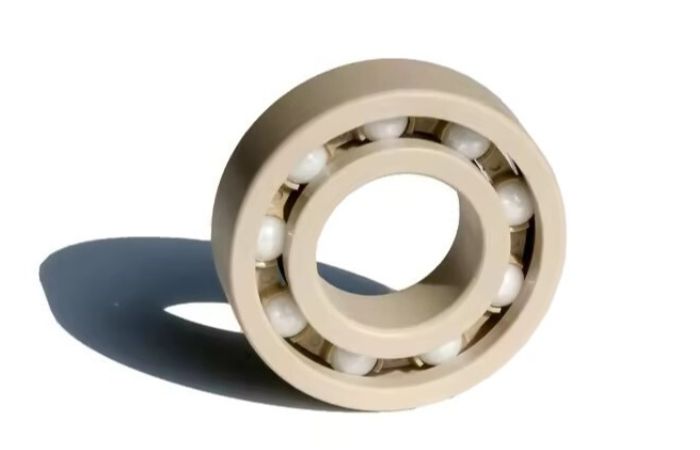
PEEK Bearing Cage
This component is used to secure and space out the balls or rollers within a rolling-element bearing; thanks to its superior mechanical properties, PEEK provides robust structural support.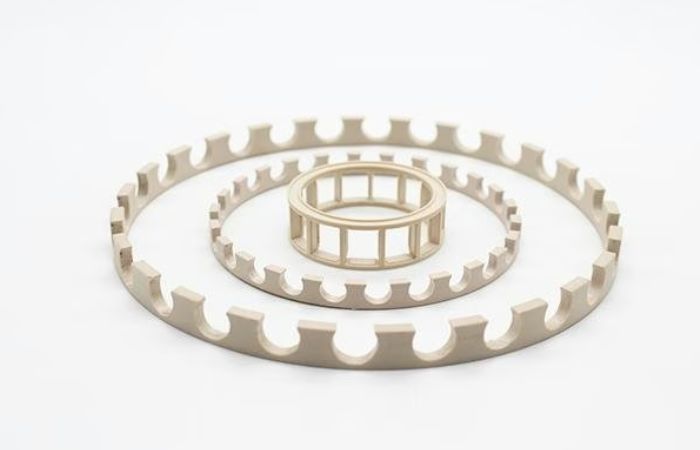
PEEK Seal Ring
As a sealing material, PEEK performs reliably over the long term in environments characterized by high loads and chemical corrosion—such as in high-pressure equipment or applications involving chemical media—and offers distinct advantages in hydraulic systems. PEEK seal rings effectively prevent gas and liquid leakage as well as pressure loss.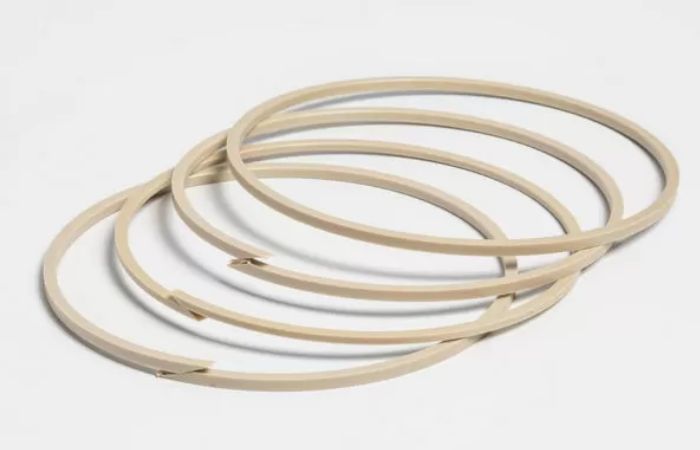
PEEK Gears
Precision transmission components made of PEEK are frequently used to replace metal parts; they enable lightweight designs, effectively reducing equipment weight while also lowering noise levels. They are particularly well-suited for environments involving long-term wear and corrosion.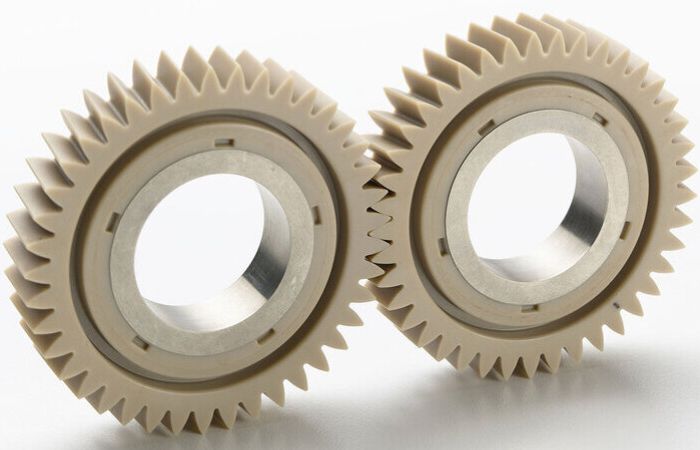
PEEK Bushing
Bushings are sliding components designed to support rotating shafts, prevent wear, and reduce friction; they are commonly used in chemical pumps, valves, automotive parts, and semiconductor equipment. The use of PEEK bushings reduces the need for lubrication and allows for operation under load.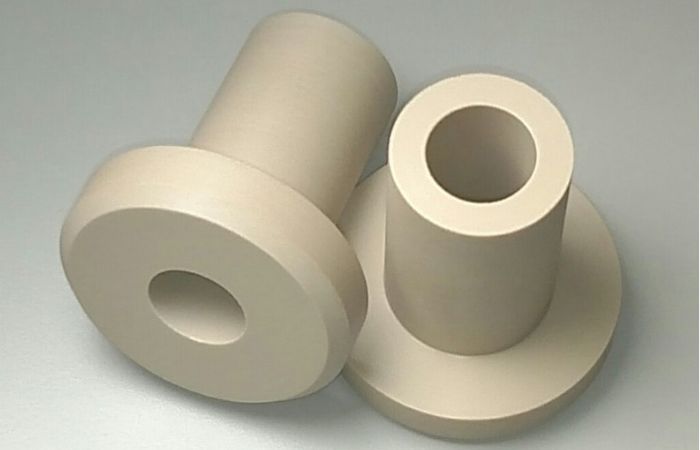
PEEK Connector
Most are PEEK electrical connectors featuring excellent insulation properties, designed for use in electronic equipment. They are primarily suited for environments requiring high-temperature resistance, high performance standards, and superior insulation.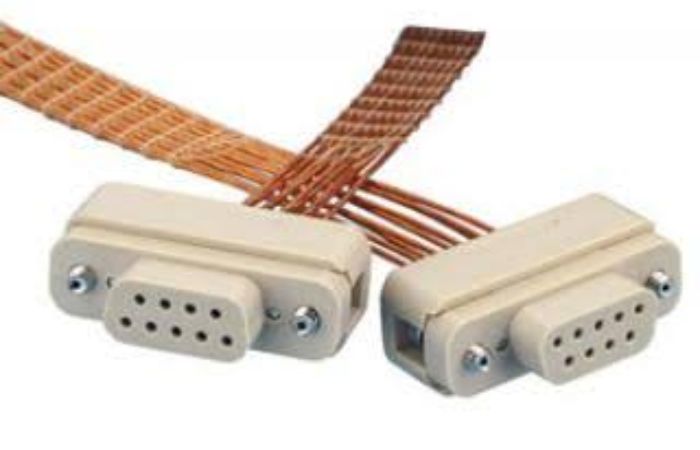
PEEK Wafer Holder
Used in semiconductor manufacturing processes, it serves to support, transport, and position wafers. Thanks to its high purity and low outgassing characteristics, PEEK helps minimize contamination, making it a cost-effective material choice for the semiconductor industry.
PEEK Test Sockets
Used in semiconductor testing equipment, it serves to secure the chip and provide the necessary electrical connections for testing. Another commonly used material for test sockets is PI (polyimide); it is more expensive than PEEK and is employed in more demanding environments.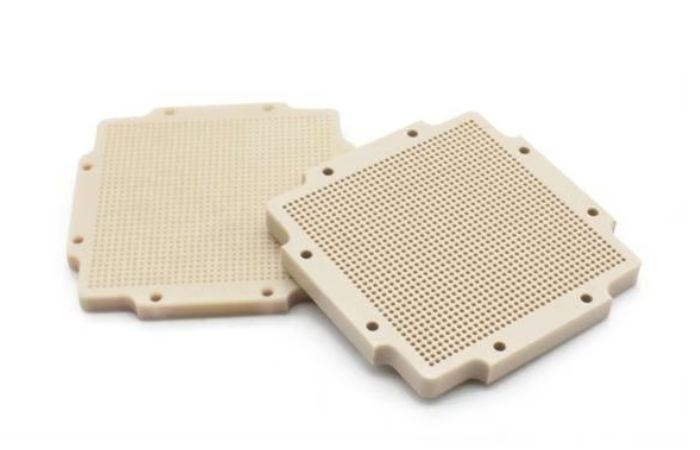
PEEK Orthopedic Implants
Medical-grade PEEK is biocompatible, and its elastic modulus is close to that of natural human bone. Using PEEK helps reduce the “stress shielding” effect caused by implants and promotes more natural load transfer. Additionally, PEEK is radiolucent, facilitating postoperative observation.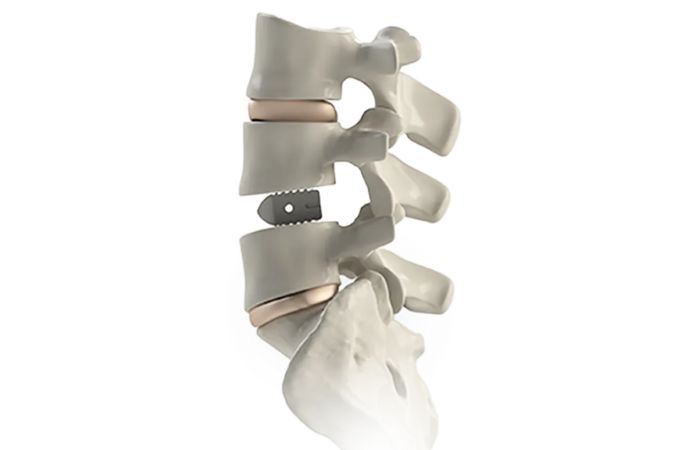
PEEK Medical Catheters
PEEK medical catheters and components are typically used in minimally invasive surgery, diagnostic equipment, or fluid delivery. Specifications for the inner and outer diameters of PEEK medical catheters include 3.65×3.25 mm, 4.73×4.43 mm, 5×4 mm, 5.3×4.5 mm, 5.4×4.8 mm, and 7.2×6.5 mm.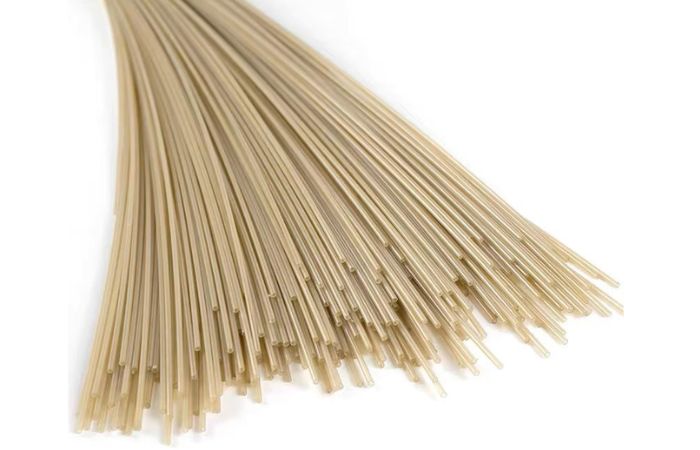
PEEK Dental Implant
Medical-grade PEEK is suitable for use in dental implant components. In addition to its biocompatibility, PEEK—a high-performance semi-crystalline material—offers high resilience and strength while enabling lightweight designs. It can be used for applications such as dental implants, restorations, abutments, posts and cores, crowns, and frameworks for removable partial dentures.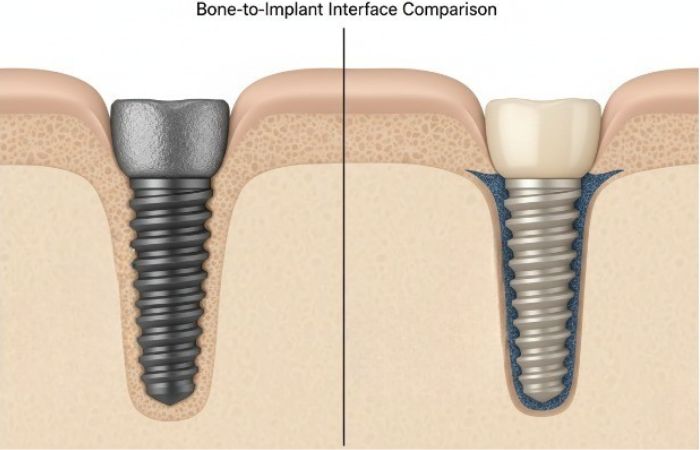
The sustainability of PEEK Material
The sustainability of PEEK is primarily demonstrated through the following aspects:
Extended service life
Thanks to its excellent properties—such as chemical resistance, high-temperature resistance, wear resistance, and high rigidity—PEEK reduces the frequency of replacements and downtime during operation.
Reduced maintenance requirements
PEEK is self-lubricating and exhibits low friction, eliminating the need for added lubricants and minimizing wear. This results in less need for maintenance-related shutdowns and reduces overall equipment downtime.
Lightweighting capabilities
With a density of 1.3 g/cm³, PEEK is lightweight; using it in equipment helps reduce fuel consumption and improve energy efficiency.
Metal replacement
In many sectors, PEEK can effectively replace certain metals, particularly stainless steel and aluminum. (For comparison, the density of stainless steel is approximately 7.9 g/cm³, and that of aluminum is about 2.7 g/cm³.) PEEK offers not only a lower weight than these metals but also comparable performance.
Recyclability
As a high-performance thermoplastic, PEEK is recyclable. With the appropriate equipment and technical expertise, the material can be recovered through melt-processing techniques.
Bio-based PEEK
While bio-based versions of PEEK have appeared on the market, petroleum-based PEEK remains dominant, and achieving large-scale production of bio-based PEEK presents significant challenges.
Regulatory compliance
PEEK materials are free of PFAS and meet FDA, REACH, and RoHS certification standards.
FAQs:
What is PEEK material?
PEEK (Polyether Ether Ketone) is a high-performance thermoplastic engineering plastic characterized by excellent high-temperature resistance, mechanical strength, chemical resistance, and dimensional stability; it is widely used in the aerospace, semiconductor, medical, automotive, and precision industrial sectors.
Is PEEK food grade?
Yes, certain PEEK materials can meet FDA 21 CFR and EU food contact requirements.
Can PEEK be machined?
Yes, standard machining methods include: CNC machining, turning, milling, drilling, and grinding.
What is the lifespan of PEEK parts?
The lifespan of a Peek depends on the usage environment; if used under conditions that do not exceed its performance limits, it can last a long time.
Conclusão
PEEK boasts exceptional all-around performance, making it suitable for demanding specialized engineering applications—including aerospace, semiconductors, electronics and electrical appliances, and specialty chemicals. Even where certain performance limitations exist, these can be addressed through material enhancements.
If you are looking to purchase PEEK materials, please contact us. HANSA is a professional supplier of PEEK materials.
Contact us today for the latest product information and pricing.

 Portuguese
  English
  Arabic
  Tibetan
  German
  Spanish
  French
  Hindi
Hindi  Indonesian
  Italian
  Japanese
  Korean
  Dutch
Dutch  Thai
Thai  Russian
  Swedish
  Chinese