




Foglio PTFE di Hansa
- Utilizzo: guarnizioni e lubrificanti per l'impiego in una varietà di mezzi, nonché isolamento elettrico per l'impiego a diverse frequenze. Supporti per condensatori, isolamento di fili, isolamento per strumentazione elettrica.
- Attrezzature per l'elaborazione chimica, guarnizioni/rivestimenti per condotte, valvole e reattori
- Sistemi di tenuta per flange, guarnizioni di tenuta ad alta temperatura/alta pressione (HTHP)
- Componenti resistenti all'usura, cuscinetti antiusura a basso attrito per guide lineari e cuscinetti
- Rivestimenti resistenti alla corrosione, rivestimenti per vasche di trattamento galvanico/serbatoi per acidi (ad esempio, resistenza all'acido solforico/nitrico)
Fogli in PTFE HANSA
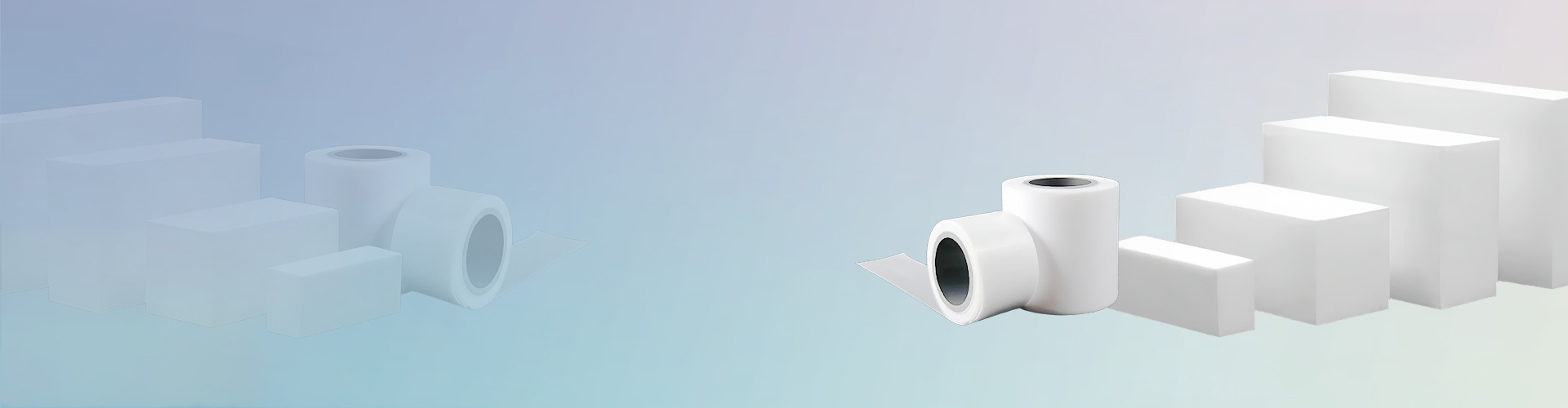
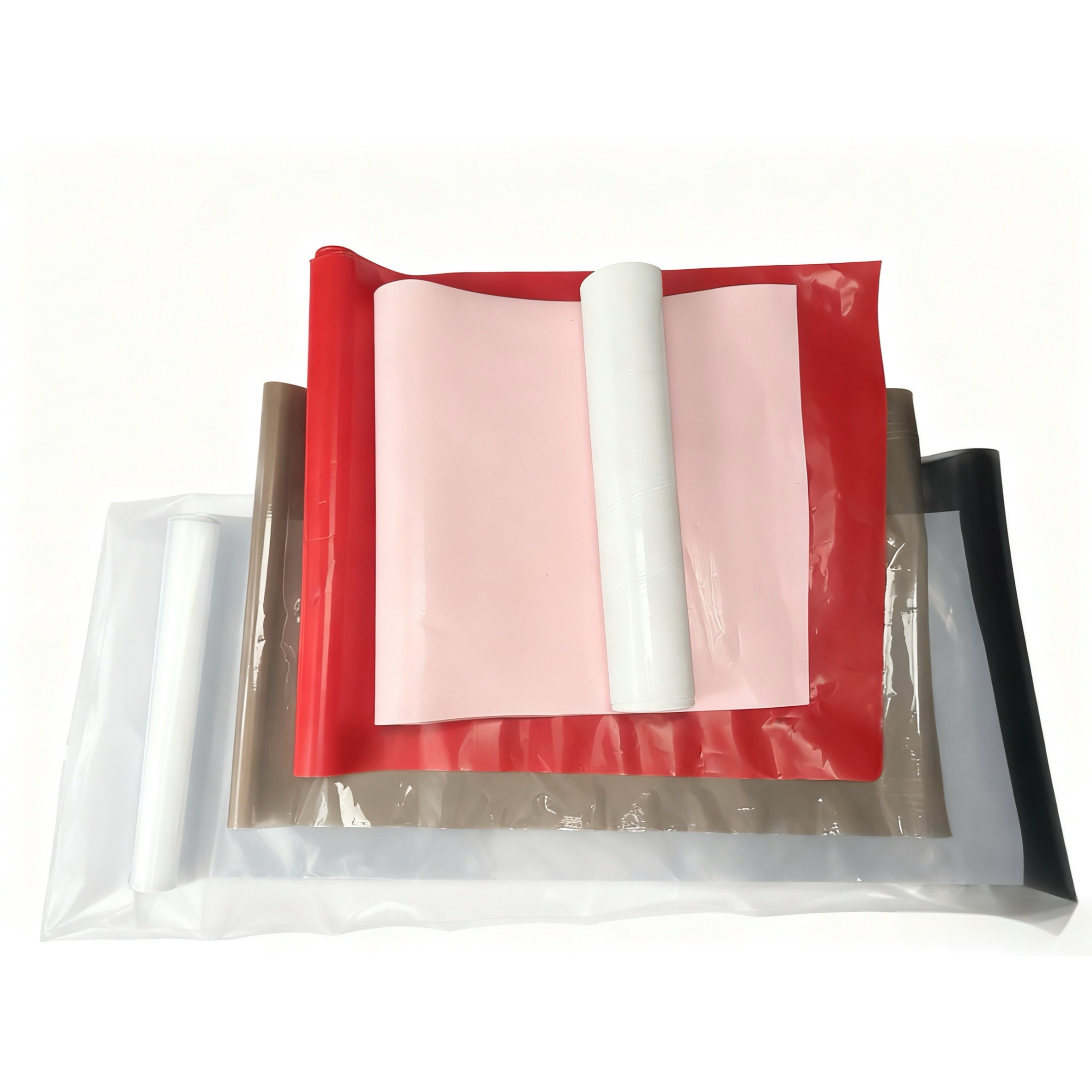
Hansa può fornirvi diversi tipi di fogli o pellicole in PTFE: che abbiate bisogno di fogli in rotolo, fogli in PTFE rinforzato o tagliati su misura, possiamo sempre fornirvi materiale di qualità. Qualsiasi dimensione, colore, tipo o spessore, inviateci la vostra richiesta e riceverete un campione gratuito per verificarne la qualità.
General-purpose PTFE sheets have a temperature resistance range of -180 to 260 degrees Celsius, making them suitable for most industrial applications. They have a low coefficient of friction, and their most notable characteristic is their chemical inertness, meaning they react with almost no chemical substances.
More Different Types Of PTFE Sheet You can Order From Hansa
Esistono vari tipi di fogli di PTFE che possono essere categorizzati in diversi modi: 1. Per processo di fabbricazione 2. Per riempitivi/modifiche 3. Per colore 4. Per applicazione 5. Per specifiche 6. Tipi speciali, inclusi i fogli di PTFE porosi (comunemente noti come "pannelli in PTFE espanso")
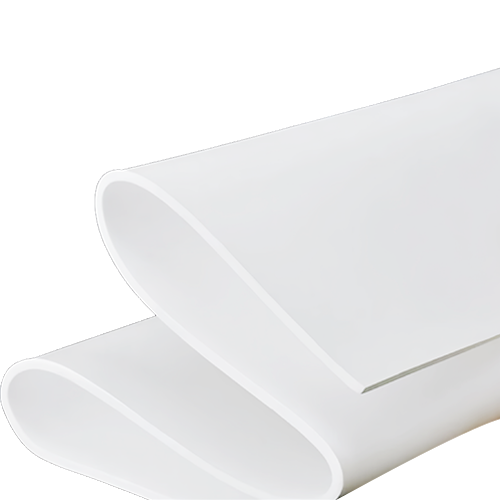
Una struttura microporosa realizzata tramite un processo di stiramento, utilizzata nella filtrazione, nelle applicazioni di membrane traspiranti e nel campo biomedico.
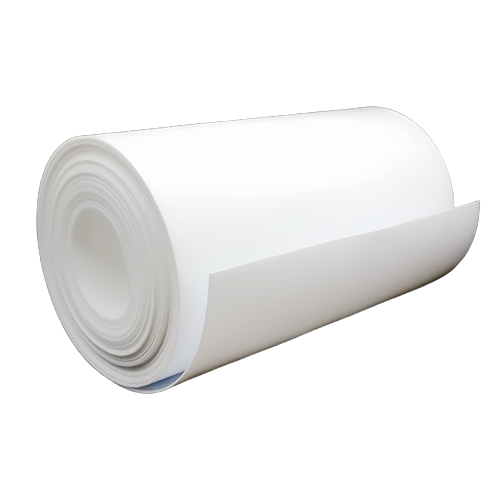
Le dimensioni possono essere personalizzate, la vendita al dettaglio è consentita. LA LARGHEZZA MASSIMA è di circa 3 metri, lo SPESSORE MASSIMO può raggiungere i 10 mm+
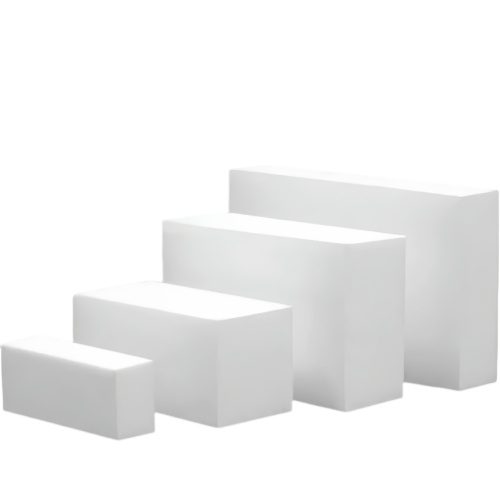
Le dimensioni possono essere personalizzate, la vendita al dettaglio è consentita. La LARGHEZZA MASSIMA può raggiungere i 2 metri, lo SPESSORE MASSIMO è prossimo ai 600 mm.
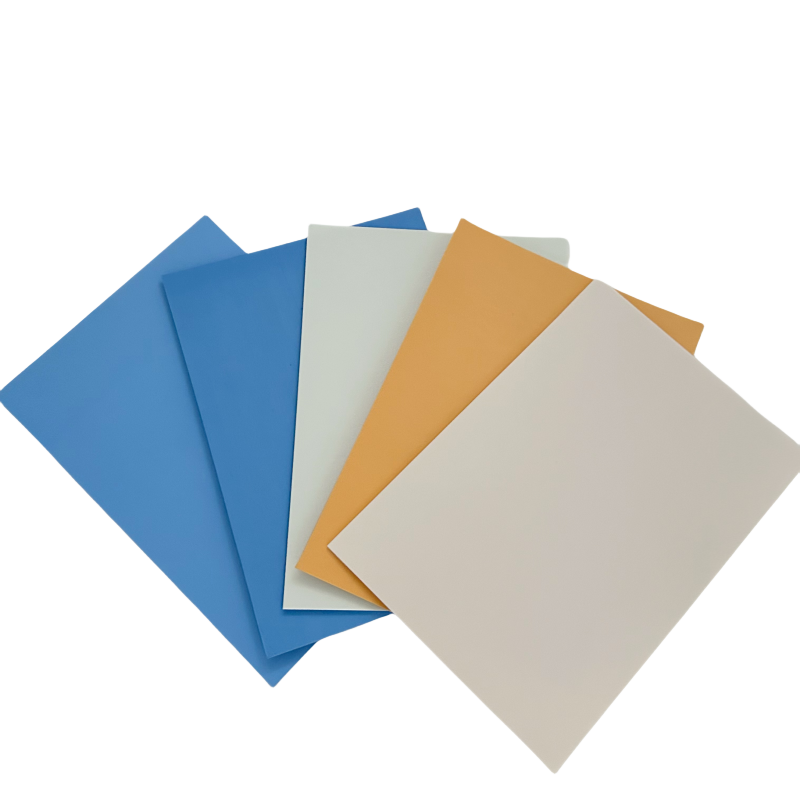
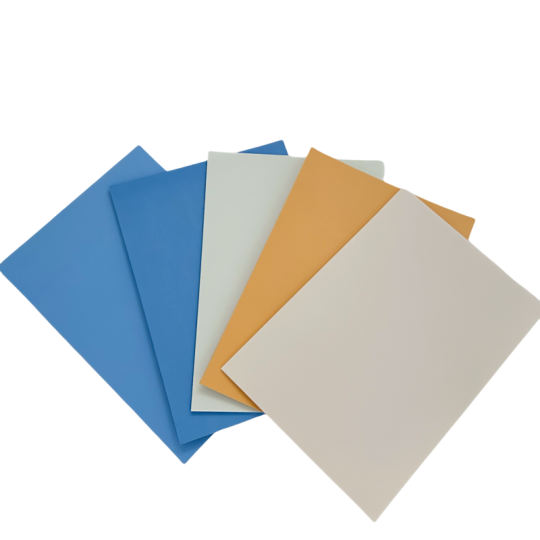
Formulazioni di riempimento specializzate per l'attenuazione del flusso a freddo in PTFE con microsfere di vetro blu, solfato di bario bianco, silice gialla.
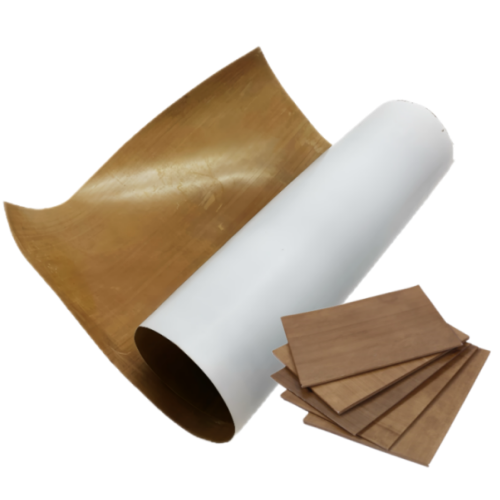
La superficie del politetrafluoroetilene dopo il trattamento con sodio è idrofila e può essere incollata con una normale colla, ampliandone così il campo di applicazione.

Prodotto tramite un processo di stampaggio per estrusione, adatto per applicazioni su fogli più sottili con elevata efficienza produttiva.
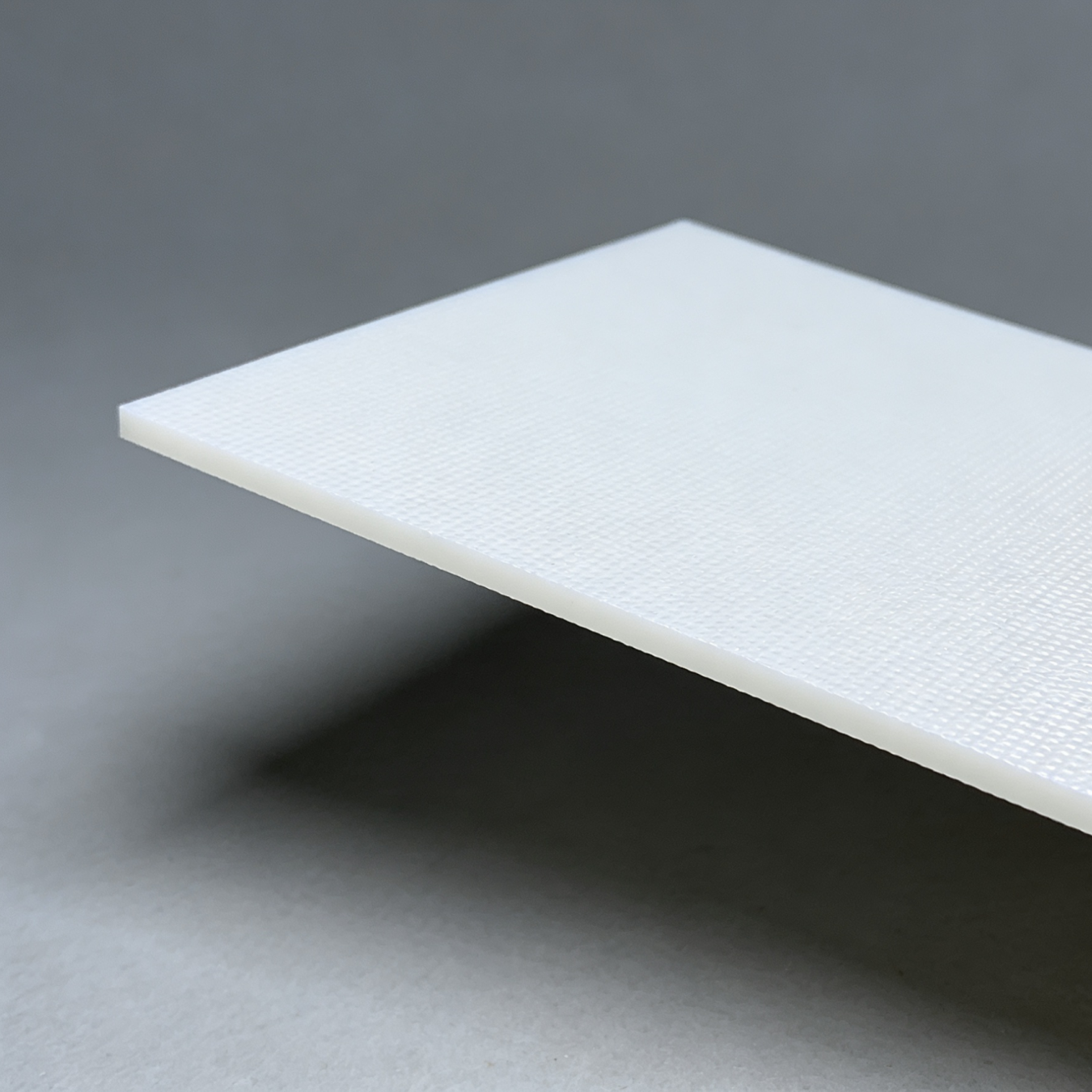
In fact, it involves bonding a fiberglass cloth to one surface of a PTFE skived sheet, giving it the ability to adhere to other surfaces and simultaneously overcoming the limitation of PTFE’s inability to be welded.
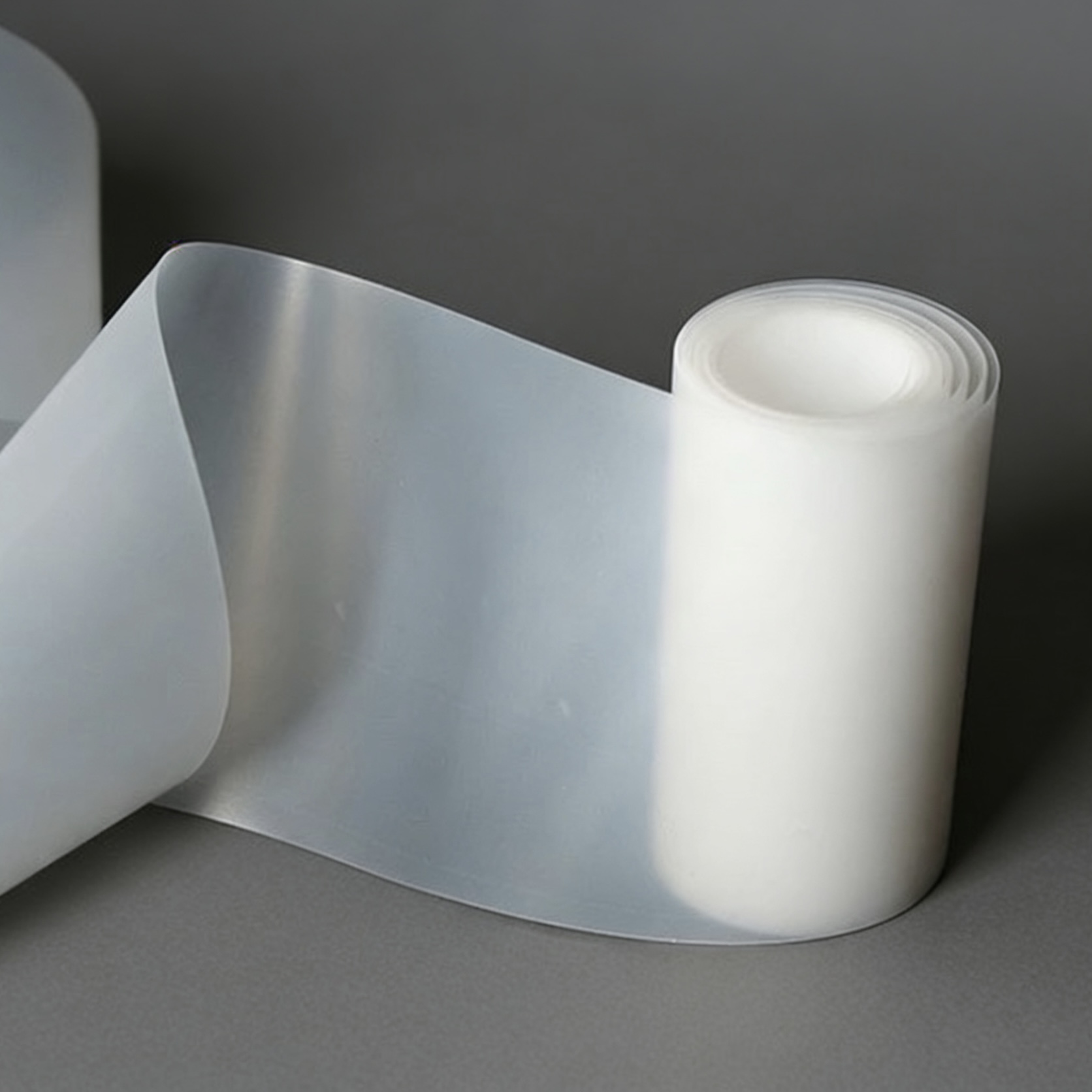
This is commonly used in the electronics industry, particularly in the flat panel display industry. Due to PTFE’s excellent high-temperature resistance and impact resistance, it effectively prevents conductive adhesive from overflowing and contaminating the substrate.
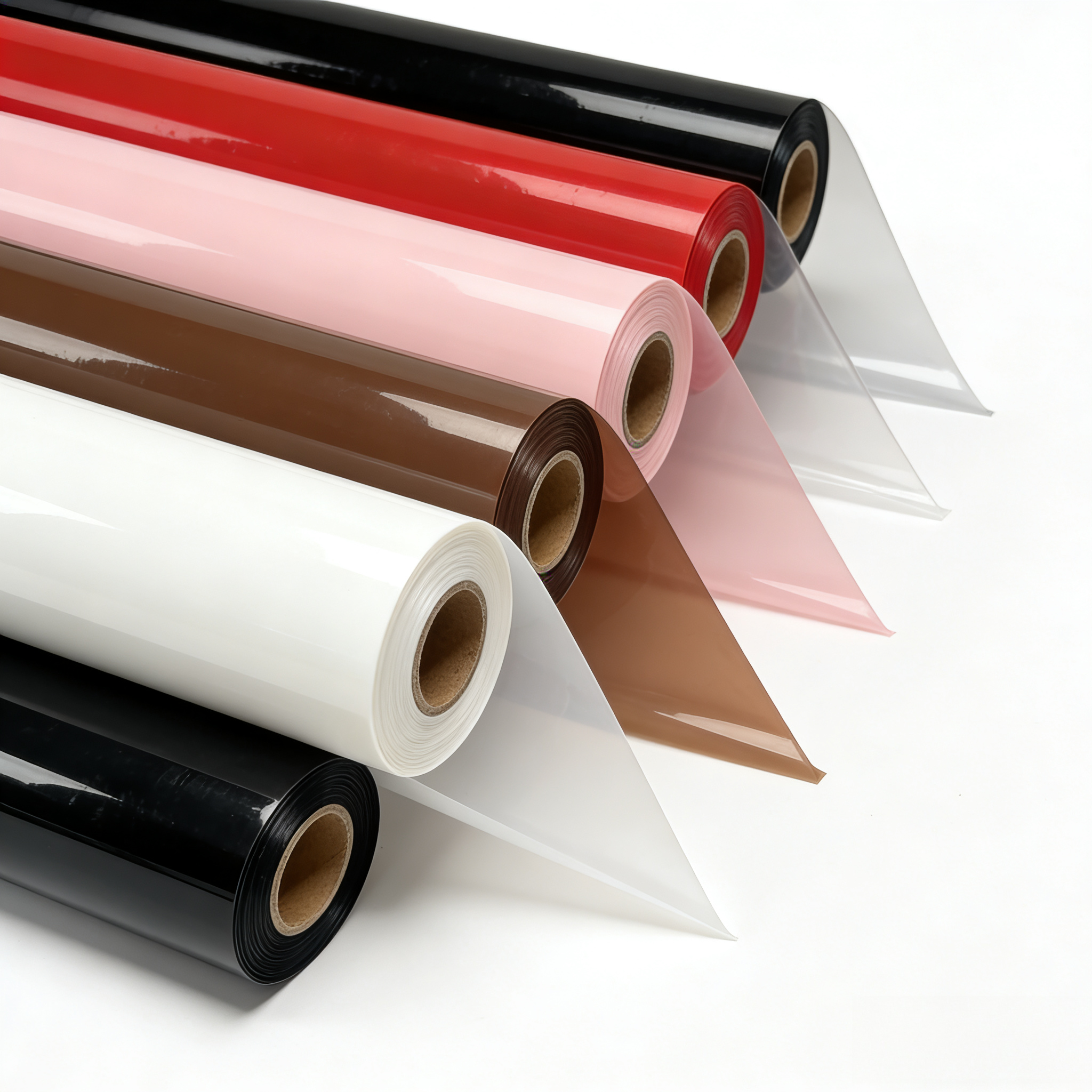
It comes in a variety of colors and serves for identification or decorative purposes. It is commonly used for wire harness classification, pipeline identification in the chemical industry, and as a decorative waterproof layer in high-end buildings.
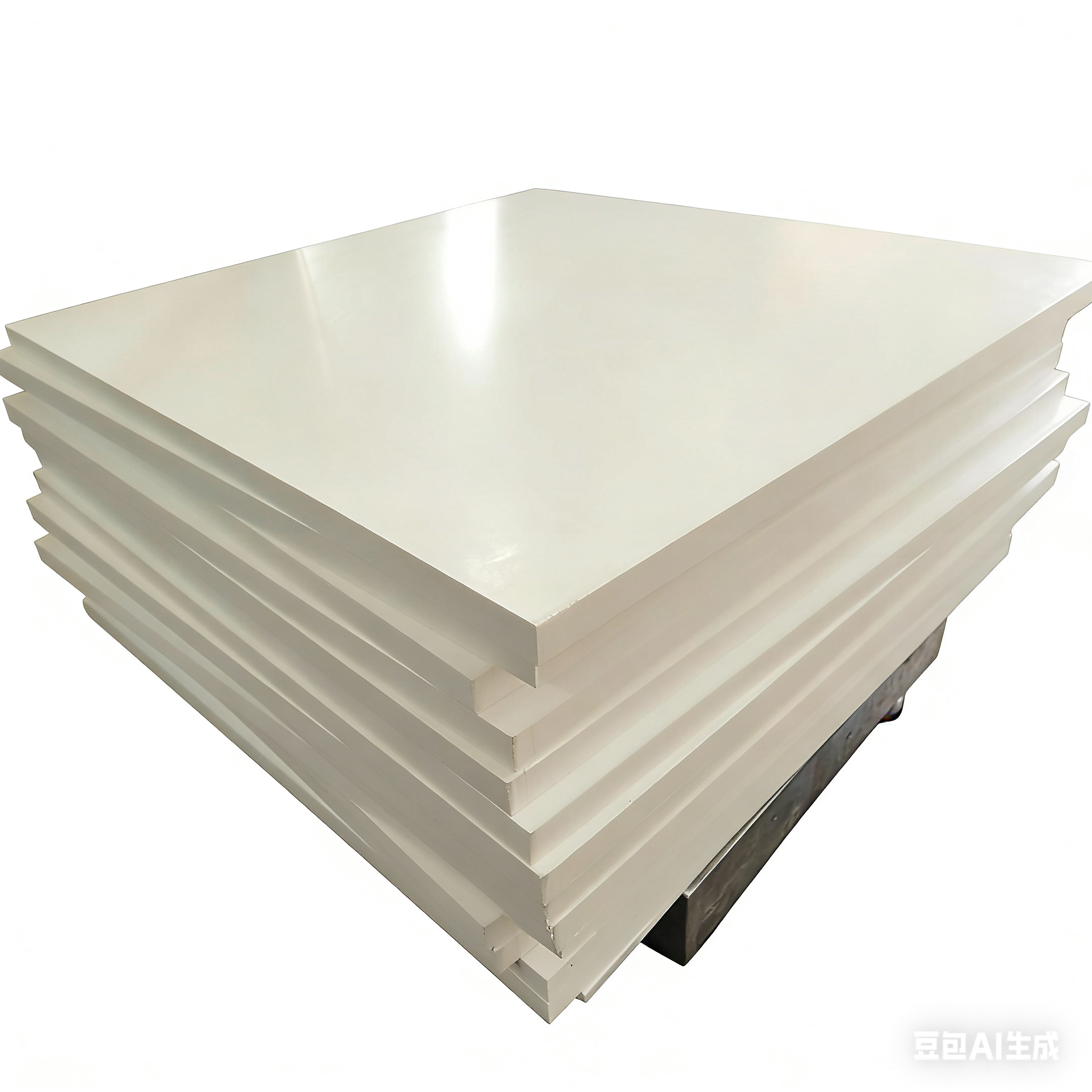
The glass fiber content is typically 15-30%, which greatly improves the mechanical strength of the PTFE sheet, making it twice as strong as general-purpose PTFE sheets and allowing it to maintain dimensional stability under high-pressure conditions.
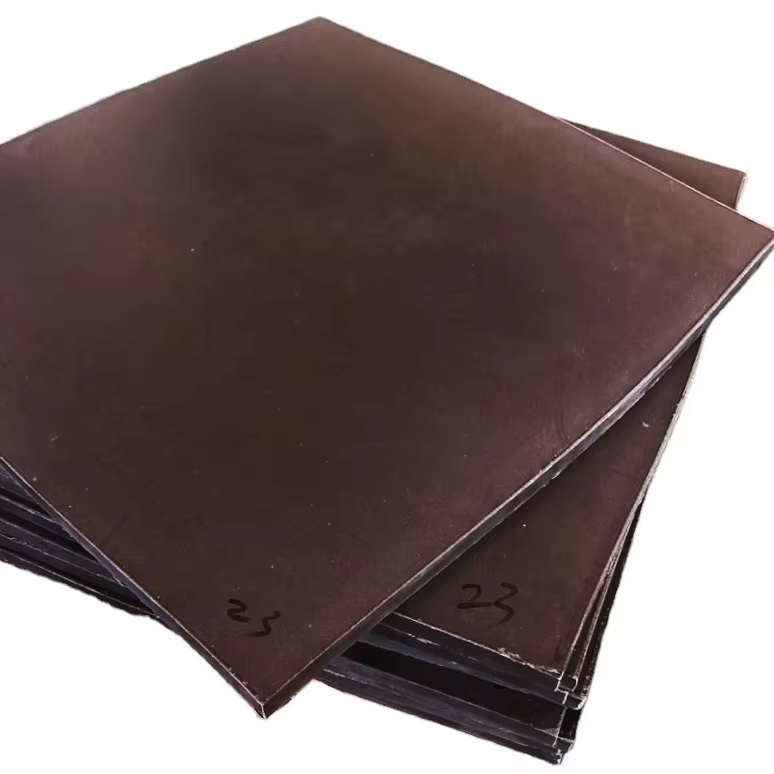
With a copper powder content of 20-40%, it exhibits excellent thermal conductivity, 5-10 times that of ordinary PTFE sheets, but its corrosion resistance is reduced, limiting its use to neutral corrosive media.
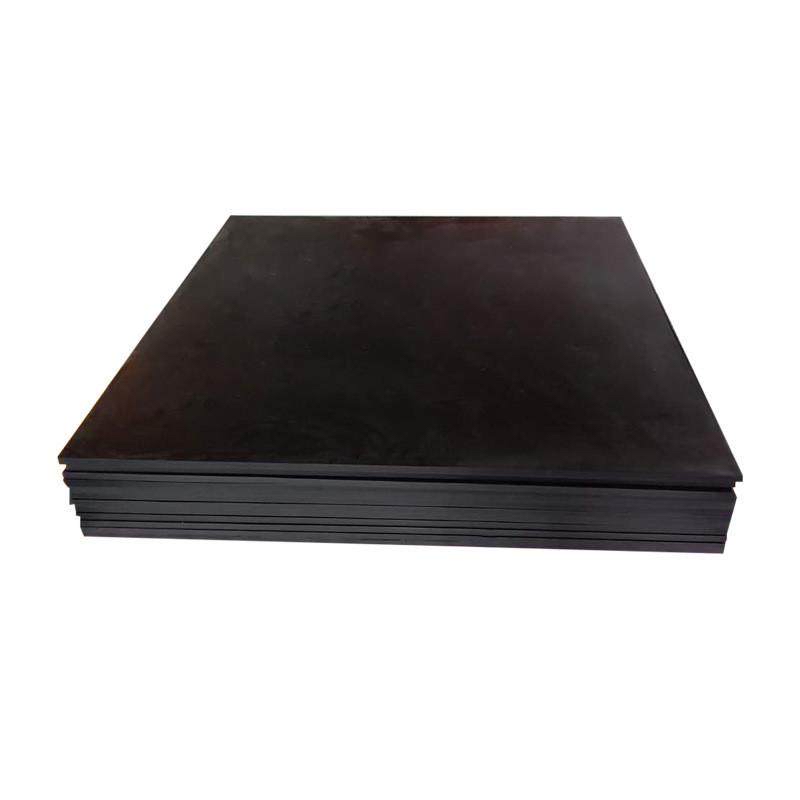
Typically, increasing the graphite content by 10-25% enhances the self-lubricating properties of general-purpose PTFE sheets, resulting in a very low coefficient of friction. However, it also leads to lower hardness, and the price is slightly higher than that of standard general-purpose PTFE sheets.
Caratteristiche principali del foglio PTFE

Dimostra una buona resistenza alla compressione e allo scorrimento a temperatura ambiente, anche se può ammorbidirsi a temperature elevate, adatto per applicazioni a basso stress.

Coefficiente di attrito (COF) pari a 0,04, caratterizzato da una superficie liscia con proprietà autolubrificanti che eliminano la necessità di lubrificanti esterni.

Presenta una resistenza alla corrosione tale da sopportare agenti aggressivi e la maggior parte degli ambienti chimici (pH 0-14).

L'intervallo operativo si estende da -200°C a +260°C per un servizio prolungato, con tolleranza all'esposizione a breve termine fino a 300°C.
Applicazione del foglio di PTFE
Industriale: Guarnizioni, cuscinetti, componenti per valvole e rivestimenti per tubi e serbatoi.
Elettronica: Isolamento per circuiti stampati, connettori e componenti elettronici;
Automobilistico: Boccole, tubi flessibili e rivestimenti per tubazioni del carburante;
Cibo e bevande: Nastri trasportatori, stampi e contenitori;
Medico: Cateteri, dispositivi impiantabili e materiale da laboratorio.

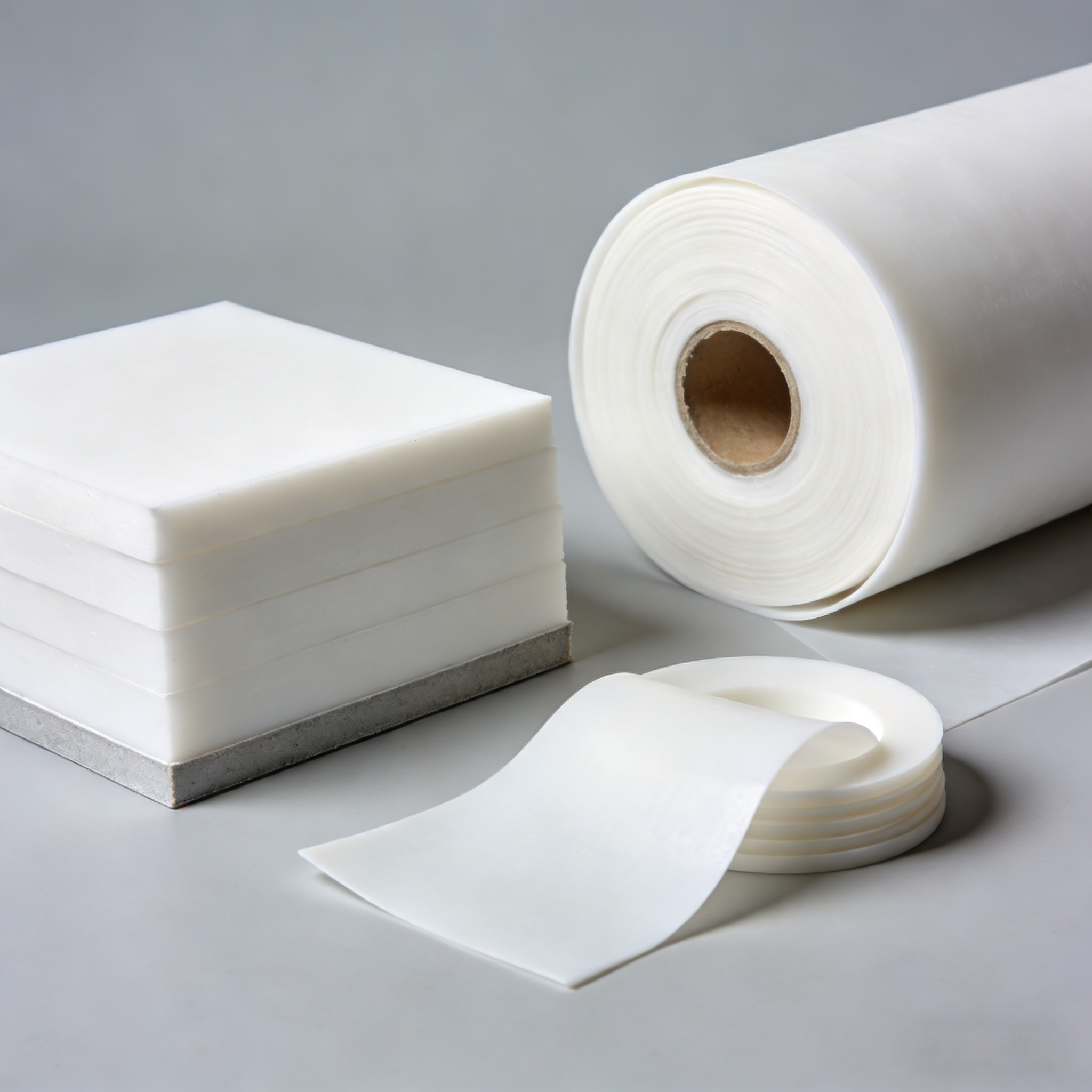
Your Benefits
- HANSA possesses a complete product quality control system and holds certifications such as FDA, RoHS, and ISO, ensuring that our product quality meets international standards.
- HANSA offers customized services to meet your specific needs regarding the size, thickness, color, or filler materials of PTFE products, ensuring that the products fully meet your expectations. Our professional staff will stay in contact with you to answer any questions you may have.
- HANSA products offer both quality and competitive pricing, focusing on value for money. This not only saves you procurement costs but also eliminates concerns about delivery times. If you order standard products, we have ample stock and can guarantee shipment within 7 days. For customized products, we promise you will receive your order within the agreed timeframe, thanks to our stable and long-term international logistics partners.
- HANSA has 30 years of experience in the production of PTFE products and possesses mature manufacturing and processing technologies. Our sales team is professional and highly responsible, with 20 years of experience in the industry, and can provide comprehensive technical support.
Mature inventory management system
We maintain a readily available stock of standard PTFE sheets, and we have a dedicated inventory management system to facilitate the tracking and management of our stock. When you need to order specific specifications, we can accurately check the current quantity in stock and supply them promptly to meet your urgent needs.
Stable logistics partners
HANSA has established long-term partnerships with three international logistics companies: FedEx, DHL, and UPS, to meet your transportation needs to the greatest extent possible. For packaging, we use wooden crates with foam padding to protect your products and prevent damage during transit.
Company Resource

Is PTFE sheet suitable for your project? If you’re unsure, please contact us, and we will arrange for a professional to assist you. Here is our company’s catalog, which you can download and view.

Do you have doubts about product quality? Worried that the product you receive won’t be what you expected? HANSA can alleviate your concerns, as we provide professional test reports and product certificates. Click to learn more!

HANSA has professional personnel equipped for molding, turning, and CNC machining operations. This is our promotional video, which will allow you to learn about our company in the shortest possible time!
Typical Application Scenarios for PTFE Sheets
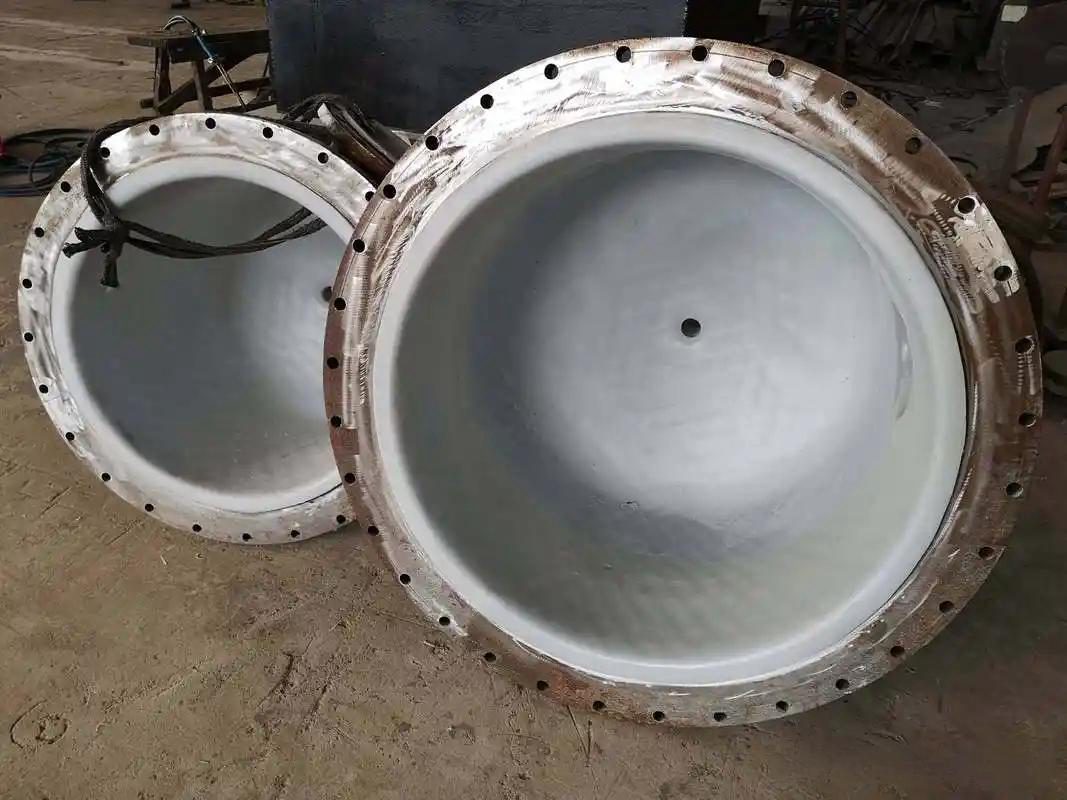
The most classic application of PTFE skived sheets is as a lining for chemical reactors, because PTFE has excellent chemical inertness and hardly reacts with any chemical substances, making it resistant to strong acids, strong bases, and other corrosive liquids. After adhesive treatment, the PTFE skived sheet adheres tightly to the reactor, and our professional technology ensures that it will not detach, extending the service life of your chemical equipment.
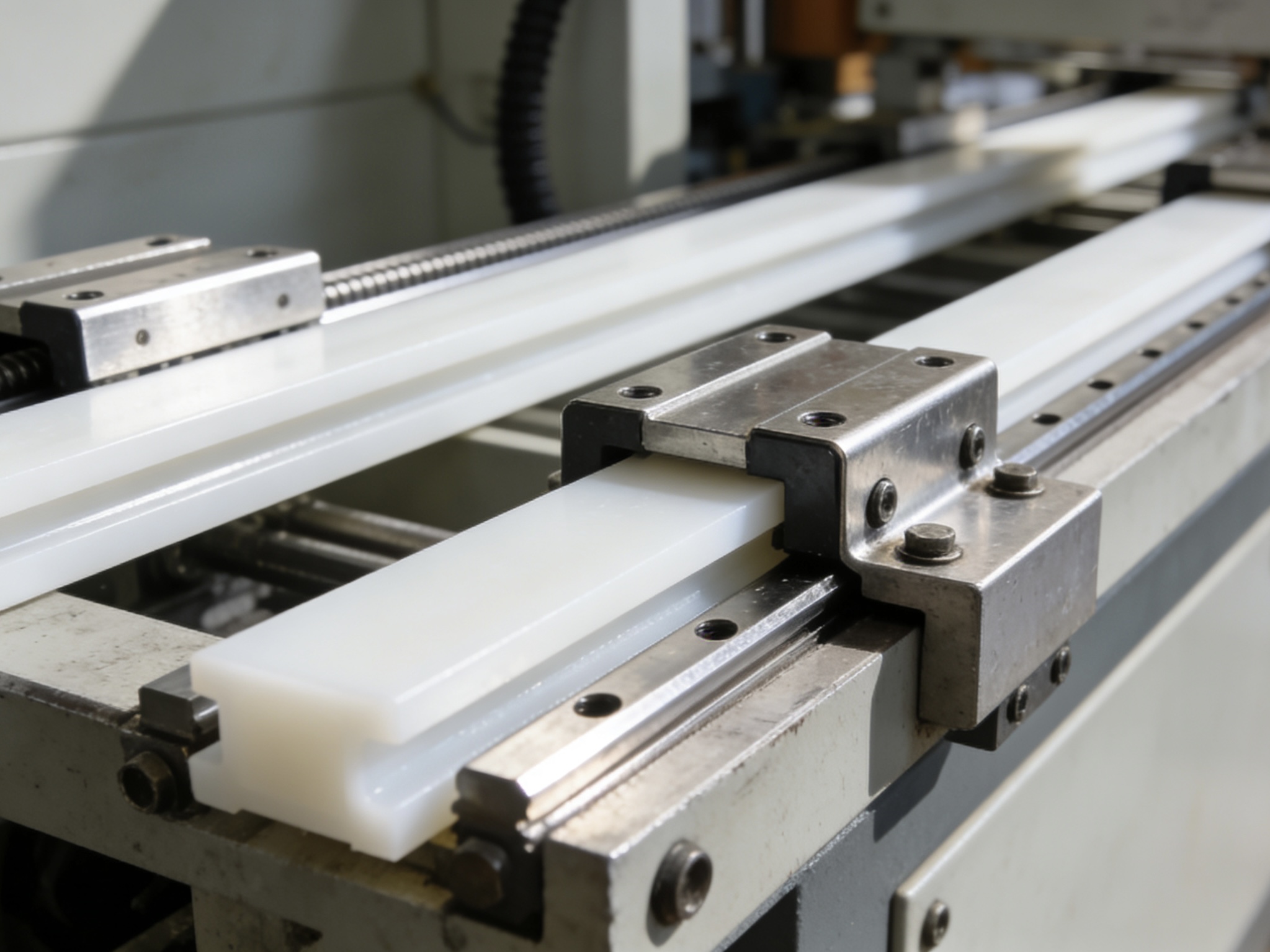
Due to PTFE’s extremely low coefficient of friction (only 0.04) and excellent self-lubricating properties, it is widely used in the manufacture of sliding bearings, guide rails, and piston rings, which can reduce equipment wear and save on production costs.
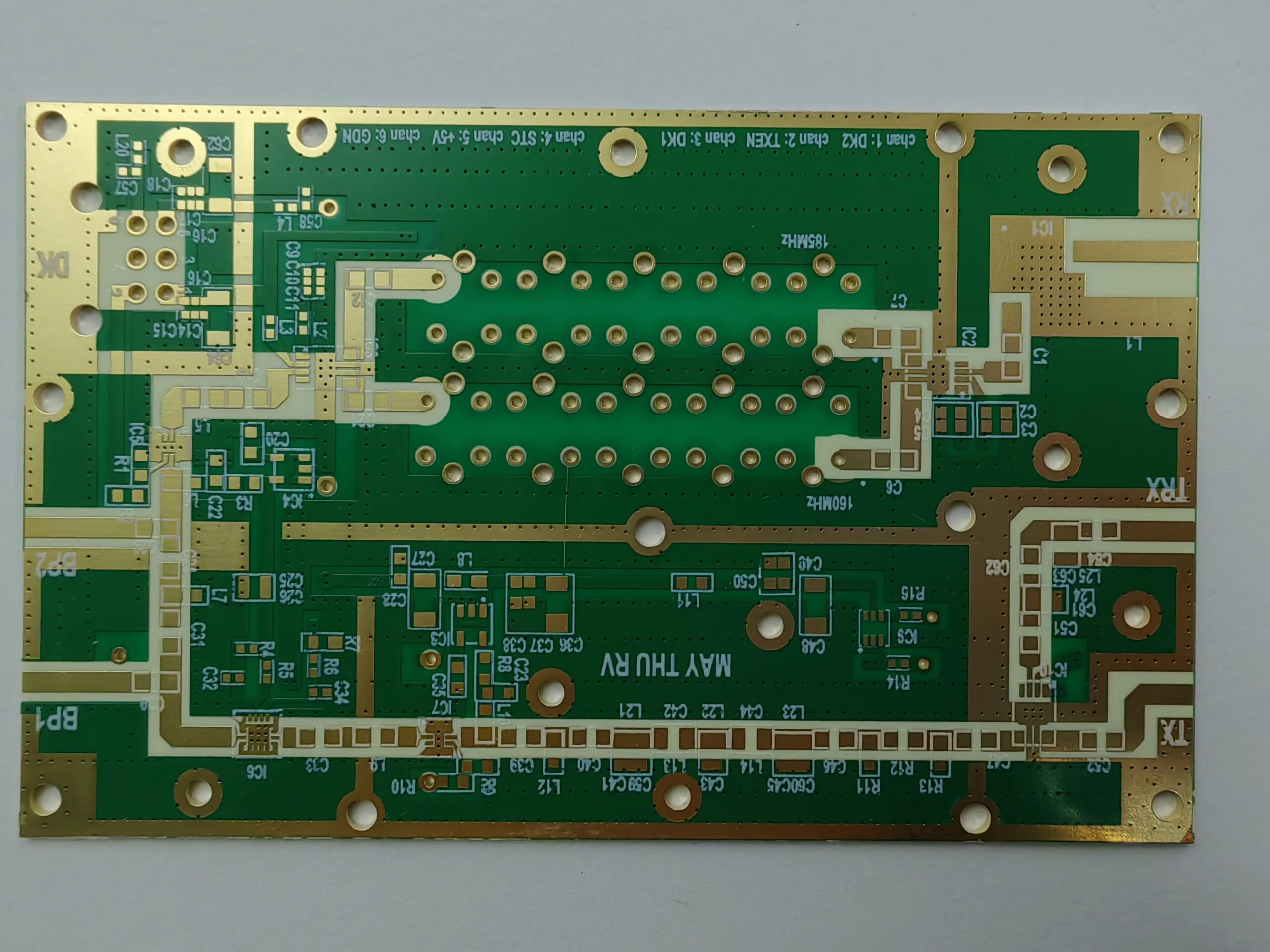
After processing, PTFE sheets can be used as substrates for printed circuit boards (PCBs), insulating gaskets, etc. This is because PTFE has excellent insulation properties, high temperature resistance, and very low dielectric constant and loss factor, resulting in minimal signal transmission loss.
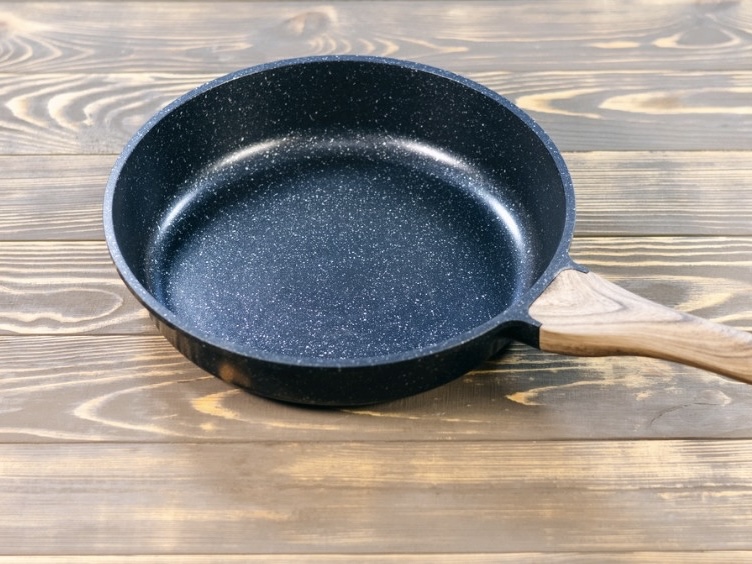
There are specialized medical-grade PTFE materials used in high-end medical equipment, such as sterile seals or artificial heart valves. There is also food-grade PTFE, specifically labeled as harmless to humans, which can be used as a lining for household baking utensils, such as non-stick pans and oven trays.
Specifiche del PTFE modificato di Hansa
- Descrizione della taglia
- Proprietà del PTFE vergine
- Etched PTFE Properties
- Foglio di PTFE modificato
| Tipo | Size Description |
| Foglio stampato in PTFE | Regular size is Square: width x Length, from 150mm – 2000mm
Thickness: 4mm – 500mm |
| Foglio di PTFE tagliato | Width 300,400,500,800,1000,1200,1300,1400,1500,1600,1800,2000,2200,2500,2700mm ,Length ≥200
Thickness: 0.1-6.5mm |
| PTFE Film | Thickness: 0.02-0.5mm
Length ≥100 |
| Foglio di PTFE espanso | Width and Length: regular 1500*1500
Thickness: 0.5-10mm |
| Proprietà | unità | Risultato |
| Densità apparente | g/m² | 2.10~2.30 |
| Resistenza alla trazione (min) | MPa | 15.0 |
| Allungamento a rottura (min) | % | 150 |
| Rigidità dielettrica (min) | KV/mm | 10 |
| Proprietà | Unità | Risultato |
| Densità | g/cm³ | ≥2.18 |
| Resistenza alla trazione | MPa | ≥30 |
| Allungamento a rottura | % | 300 |
| NO. | Filled Compound And | Resistenza alla trazione Mpa min | Forza massima % min | Compression Strength Mpa |
| Content By Wt | min | |||
| 1 | Fibra di vetro 20% | 10 | 120 | 16 |
| 2 | Fibra di vetro 25% | 10 | 100 | 16 |
| 3 | 20% Fibra di vetro 5% Grafite | 10 | 120 | 16 |
| 4 | 60%Bronzo | 10 | 80 | 20 |
| 5 | 15%Carbon Fiber | 11 | 130 | 16 |
| 6 | 24%Bronze 12%Glass Fiber | 9 | 100 | 16 |
| 6%Carbon | ||||
| 7 | 15%Glass Fiber 10% Poly – | 10 | 120 | 16.7 |
| imide5%Graphite |
Teflon and PTFE are essentially the same thing, both referring to the material polytetrafluoroethylene. The difference is that Teflon is a registered trademark, originally owned by DuPont, and now owned by Chemours, an independent company spun off from DuPont.
- Difficult to Process, High Cost: Due to PTFE’s unique properties, it has an extremely high melting point and requires special processing techniques, like “cold pressing,” which is time-consuming and requires specialized equipment. This makes PTFE expensive and challenging to process.
- Poor Creep Resistance: Compared to materials like nylon and PEEK, PTFE has lower hardness and rigidity. In practical applications, if PTFE is continuously under pressure, it may permanently deform over time.
- Decomposes and Releases Toxins at High Temperatures: When PTFE is exposed to temperatures above 260°C for long periods, it begins to break down and release toxic substances. At temperatures exceeding 350°C, the decomposition process accelerates, releasing harmful fumes.
- Non-Biodegradable: PTFE’s high thermal stability prevents it from naturally degrading. Recycling PTFE requires high temperatures, which can release toxic by-products, leading to environmental pollution and potential harm to human health.
The lifespan of PTFE depends on its application environment. Under clean conditions and normal operating temperatures, PTFE can last for 10-50 years. However, if it operates under high pressure for extended periods, its lifespan will be significantly shorter, possibly only 7-8 years, or even 4-6 years. Of course, this also depends on the grade of the PTFE material.
Currently, there are two methods for recycling PTFE:
- Mechanical Recycling: PTFE is ground into fine powder, compacted, and then sintered at a high temperature of 370°C.
- Chemical Recycling (also known as Pyrolysis): When exposed to temperatures over 400°C, PTFE decomposes into tetrafluoroethylene monomers.
After receiving the goods, you can quickly perform an acceptance inspection. First, check if the PTFE sheet is milky white and free of color variations. Secondly, measure its volume and weight to calculate the density of the PTFE sheet. If the density is within 2.1-2.2 g/cm³, it is considered acceptable. If you have sufficient time, you can immerse it in concentrated sulfuric acid solvent, observe it for 24 hours, then remove and weigh it. Compare the weight to the weight upon receipt; if the change rate is no more than 1%, and there are no cracks on the surface, it is considered acceptable.
PTFE, commonly known as “the king of plastics,” boasts excellent overall performance and is suitable for most applications. It also has a long service life, lasting 10-50 years or more. We can develop customized solutions for your specific project, providing personalized professional service to address your concerns.
Yes, PTFE is available in different grades, including general-purpose, food-grade, and medical-grade. Each grade is suitable for different applications. Furthermore, the raw materials for PTFE also vary, with different brands available from manufacturers such as DuPont and Daikin. In addition, there is both pure PTFE and recycled PTFE.
If you’re simply cutting PTFE sheets, you can do it yourself. For thin sheets, you can score the surface with a utility knife and then easily break it apart by hand; for thicker sheets, you’ll need a saw. First, secure the sheet, then mark the cutting line, and finally, saw along the marked line. However, if your project is large and involves a significant amount of PTFE sheets, you’ll need to use a CNC machine for cutting. This will greatly improve efficiency, but it may increase your costs.
Prodotti correlati
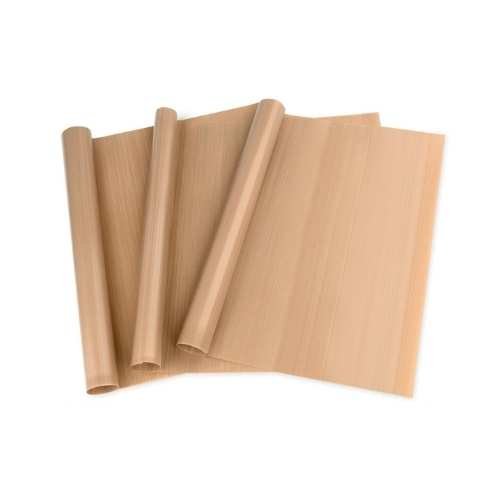

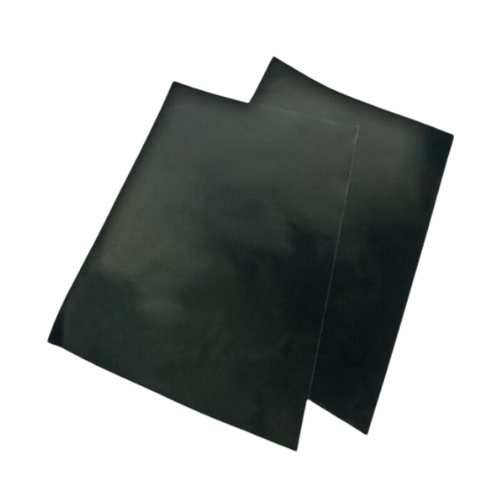
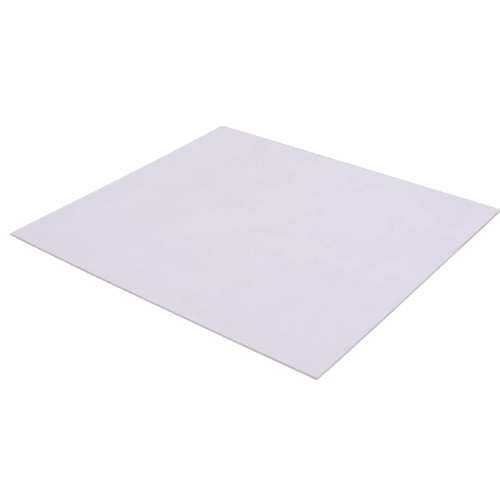

Fogli in PTFE
I fogli di politetrafluoroetilene sono per lo più chiamati fogli di PTFE. In alternativa, si possono chiamare anche fogli di Teflon. Naturalmente, i due nomi si riferiscono allo stesso prodotto, con la differenza che "Teflon" è il PTFE prodotto da DuPont.
In generale, questi fogli sono costituiti da legami fluoro-carbonio. Da qui il nome "politetrafluoroetilene".
Grazie ai forti legami tra il carbonio e il carbonio, sono considerati fogli ad alto peso molecolare. Un motivo per cui sono comuni in molte applicazioni odierne.
Tipi di PTFE Lenzuola disponibili
È possibile utilizzare criteri generali per classificare i fogli di Teflon, grazie alle ampie possibilità di personalizzazione.
L'ideale sarebbe:
- Fogli in PTFE con adesivo: hanno un substrato adesivo su una superficie
- Fogli di PTFE tagliati su misura: il PTFE viene tagliato secondo le vostre specifiche esigenze
- Fogli con spessori variabili: puoi scegliere il foglio PTFE da 3 mm o da 100 mm di spessore
In breve, le opzioni disponibili dipendono dalle opzioni di personalizzazione esclusive. Ancora più importante, questo determinerà anche il prezzo del foglio di PTFE.
Materiale in fogli di PTFE per uso generale
Naturalmente, la personalizzazione rende i fogli in Teflon adatti ad applicazioni molto specifiche. Tuttavia, è possibile scegliere fogli in PTFE per uso generico.
| Proprietà del materiale in fogli di PTFE | Valutazione |
| Resistenza alla trazione | Povero |
| Resistente ai raggi UV | Bene |
| Durezza | Medio-morbido |
| Resistenza all'impatto | Bene |
| Dimensioni | Varia ma può essere da 6 per 6 pollici a 48 per 48 pollici |
Fogli di PTFE caricati con vetro
Se cercate lastre con maggiore resistenza meccanica, agli urti e all'abrasione, scegliete quelle con fibra di vetro. Nella maggior parte dei casi, queste lastre contengono circa 251 fibre di vetro TP3T.
Caratteristiche dei fogli di politetrafluoroetilene
Ci sono molti motivi per scegliere questi fogli:
- L'elevata fusione rende la resina perfetta per la maggior parte dei servizi continuativi
- Il PTFE rimane stabile anche ad alte temperature. L'intervallo di temperatura è compreso tra -200 °C e +260 °C.
- Noto per le sue eccellenti proprietà antiaderenti
- Proprietà isolanti superiori
- Il coefficiente di attrito è relativamente basso
- Migliore resistenza alla corrosione rispetto al materiale plastico standard
- Sono idrofobici, ovvero tendono a respingere l'acqua
- Chimicamente inerte
- Sono approvati dalla FDA
- Sensibile alle radiazioni gamma
A volte, il vostro foglio di PTFE vergine non offre tutte queste caratteristiche. Ecco perché è necessario rinforzare il materiale in PTFE. Questi fogli sono realizzati in resina di politetrafluoroetilene puro 100%.
Confrontiamo due fogli interessanti:
| Foglio di PTFE vergine | Foglio di PTFE meccanico |
| · Realizzato in resina di politetrafluoroetilene puro 100%
· Elevate proprietà fisiche · Applicazione normale · Nessun additivo aggiuntivo |
· Realizzato in resina di politetrafluoroetilene riprocessata
· Basse proprietà fisiche · Applicazioni ad alte prestazioni · Riempito con additivi per migliorare le proprietà |
Moduli in cui è possibile spedire fogli in PTFE
Questi materiali sono disponibili sia in lastra che in rotolo. I metodi di imballaggio dipendono dallo spessore della lastra.
Nella maggior parte dei casi, i rotoli di fogli di PTFE hanno uno spessore inferiore a 0,093". In caso contrario, si sconsiglia di laminare fogli di politetrafluoroetilene con spessori maggiori.
Usi
È possibile lavorare o fabbricare il foglio di materiale PTFE per realizzare numerose parti, tra cui:
- Guarnizioni in PTFE
- Boccola in PTFE
- Rivestimento in PTFE
- Piastra scorrevole in PTFE
- Parti di isolamento elettrico in PTFE
- Rondelle in PTFE

 Italian
  English
  Arabic
  Tibetan
  German
  Spanish
  French
  Hindi
Hindi  Indonesian
  Japanese
  Korean
  Dutch
Dutch  Portuguese
  Thai
Thai  Russian
  Swedish
  Chinese