


PEEK (polyether ether ketone) offers excellent high-temperature and corrosion resistance while combining rigidity and hardness, making it an optimal choice for manufacturing high-temperature structural components and precision parts. With mechanical properties comparable to those of metals—yet significantly lighter in weight—PEEK is frequently used in applications where conventional plastics fall short but metal components would be too heavy, such as in the aerospace and new energy vehicle sectors.
The following article explores the specific fields and applications where PEEK is utilized.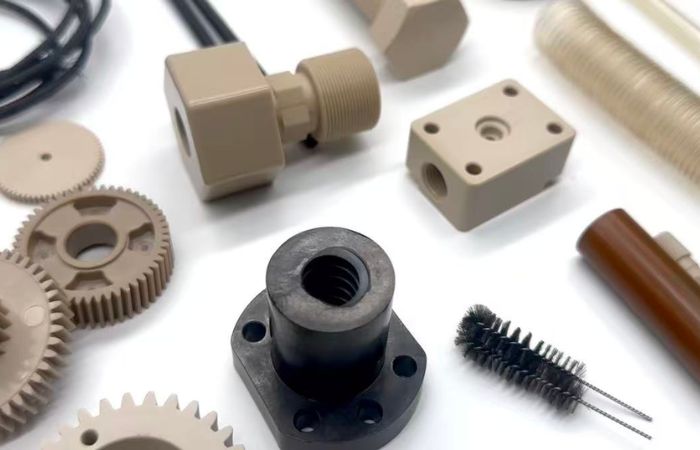
Semiconductor Industry
Semiconductor manufacturing processes involve stringent requirements regarding high temperatures, purity, resistance to corrosive chemicals, and dimensional stability. Conventional plastics lack the necessary heat resistance for these operating conditions, while metal materials pose a risk of contamination due to metal ion leaching; consequently, PEEK is typically selected for these applications.
PEEK Wafer Holder
The wafer manufacturing process involves four key steps—cleaning, etching, deposition, and inspection—requiring wafer handling that ensures no contamination occurs. Wafer fixtures made of PEEK offer low ionic contamination, minimal extractables, and low outgassing, thereby maximizing wafer cleanliness.
PEEK also exhibits excellent chemical resistance, withstanding most acids, bases, and solvents used in semiconductor manufacturing, which ensures a long service life.
PEEK Wafer Carrier
Wafer carriers are used for the storage, transport, and processing of wafers. Given the nature of handling wafers, PEEK outperforms standard plastics; it offers superior high-temperature resistance, greater mechanical strength, and enhanced dimensional stability.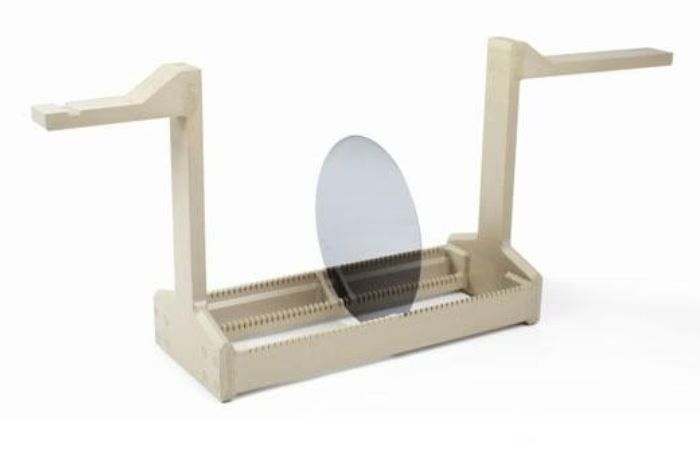
PEEK Test Socket
It is primarily used for chip testing to evaluate electrical performance and reliability, as well as to verify functional stability. The test socket requires materials with electrical insulation properties to prevent issues such as short circuits and signal interference. During the testing process, the component may undergo high-temperature cycling; PEEK is suitable for this application as it withstands temperatures of 260°C to 300°C, offers excellent wear resistance, and maintains structural stability in high-temperature environments.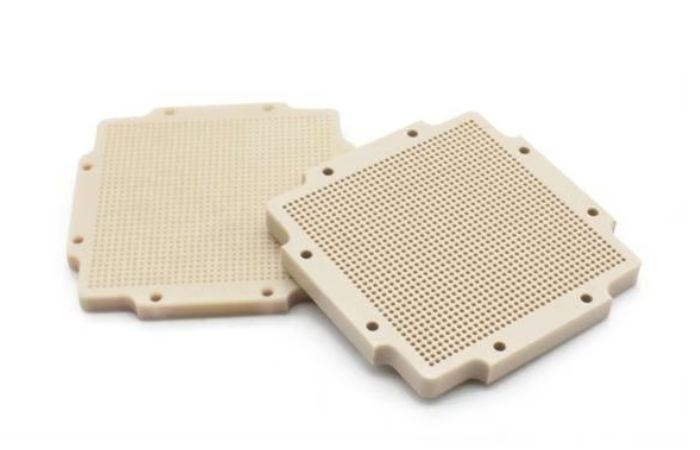
PEEK Semiconductor Fixtures
Semiconductor jigs—including assembly fixtures, inspection fixtures, and handling tools—demand extremely high dimensional accuracy, specifically at the micron level. PEEK is suitable for manufacturing positioning components, supports, and fixture parts because its low coefficient of thermal expansion allows it to maintain dimensional accuracy amidst temperature fluctuations.
PEEK Semiconductor Bearings and Bushings
PEEK exhibits excellent wear resistance and self-lubricating properties, making it suitable for manufacturing sliding components in semiconductor equipment—such as bearings, bushings, and gears. It eliminates the need for lubricants and can replace certain metal materials, thereby enabling lightweight designs.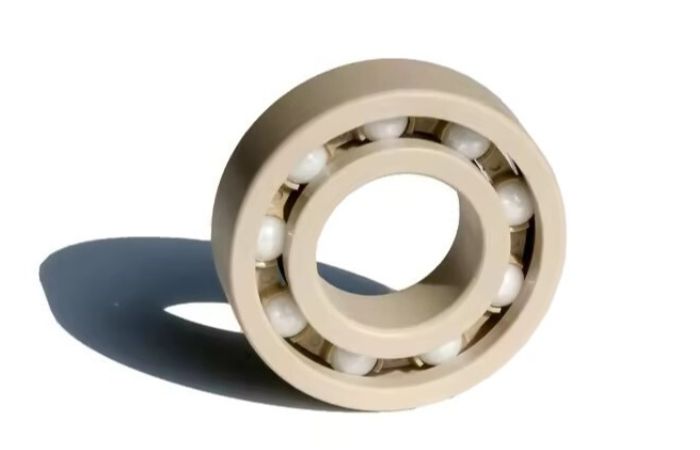
PEEK Vacuum Components
Semiconductor manufacturing processes often utilize vacuum chambers, as a vacuum environment reduces the number of air molecules, lowers the risk of contamination, and improves wafer yields. To effectively maintain the vacuum within the chamber, sealing rings or other sealing components are employed.
PEEK offers significant advantages as a material for vacuum components, characterized by low outgassing, excellent dimensional stability, and resistance to chemical corrosion. In contrast, conventional plastics may release moisture, additives, or other small molecules in a vacuum, potentially contaminating the wafers.
Industria aerospaziale
Materials used in the aerospace sector generally must possess high-temperature resistance, chemical corrosion resistance, high strength, and lightweight properties; while some metallic materials offer high strength, they often lack sufficient chemical corrosion resistance and fail to meet lightweighting requirements, which is why PEEK materials are employed.
PEEK Aircraft Component
When manufacturing aircraft components, engineers aim to reduce weight, improve fuel efficiency, and cut costs while ensuring material performance meets required standards; PEEK is the optimal choice for balancing these objectives.
Commonly manufactured PEEK components include brackets, clips, fasteners, and spacers.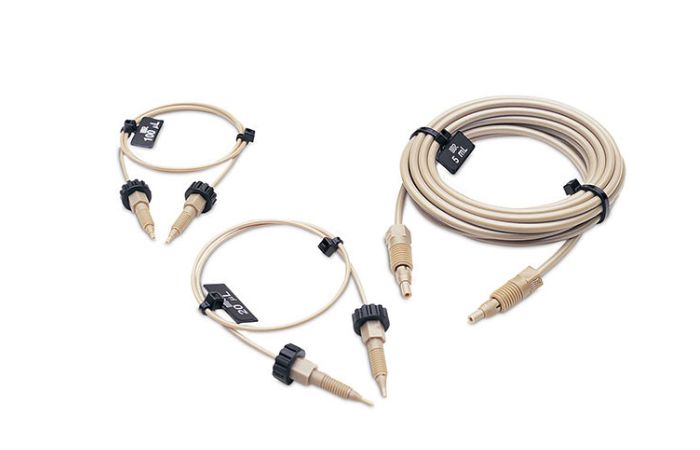
PEEK Seals
The aerospace sector involves numerous systems requiring seals—such as fuel and hydraulic systems—where PEEK excels due to its outstanding chemical and high-temperature resistance; it withstands exposure to fluids like fuel, hydraulic oil, and lubricants while maintaining stable performance during long-term operation at temperatures as high as 260°C.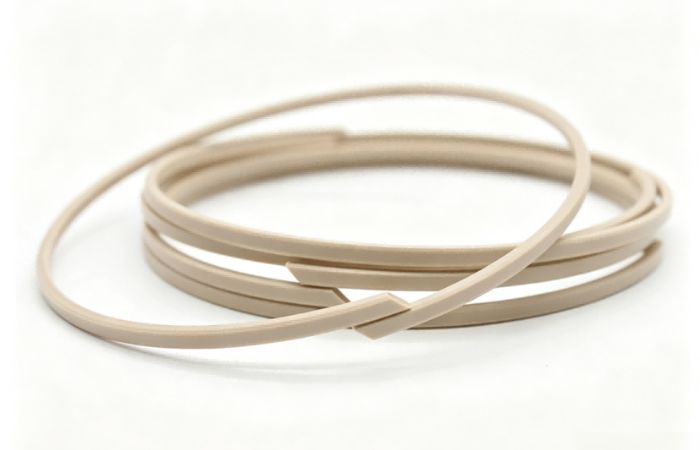
PEEK Bearings and Bushings
Aircraft contain numerous moving mechanisms featuring structural components—such as bearings and bushings—that must withstand prolonged, repetitive friction; consequently, the materials used require excellent wear resistance and low-friction properties. Utilizing PEEK effectively reduces frictional wear and energy consumption; the material is inherently wear-resistant and durable, thereby extending service life and reducing maintenance frequency. Thanks to its self-lubricating properties, PEEK is suitable for use in oil-free or clean environments.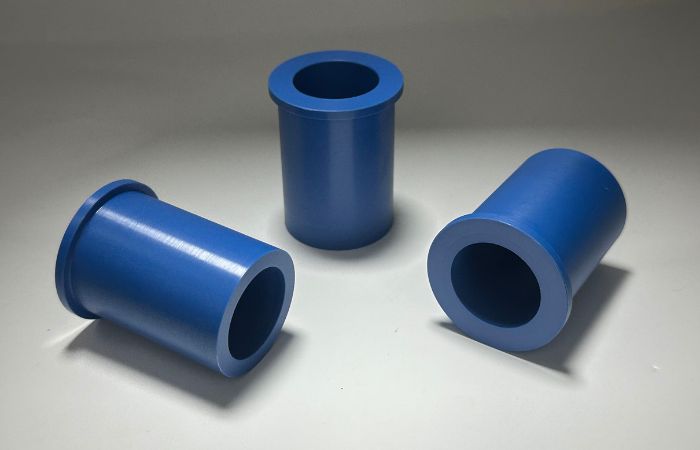
PEEK Electrical Connectors and Insulations
PEEK possesses excellent electrical insulation properties and is widely used in electronic systems such as avionics, communication systems, and sensor systems. Thanks to its superior dielectric properties, inherent flame retardancy, and stability at high temperatures, PEEK is used to manufacture electrical connectors, insulation parts, cable components, and terminal blocks.
PEEK Wire and Cable Components
Cable protective sleeves are typically made of materials such as PTFE, FEP, PVDF, or PEEK; these components are used in extreme environments to provide insulation, protection, and structural support for wires—such as in areas near engines subject to high temperatures and thermal cycling, or in the extreme cold and vacuum conditions encountered by spacecraft.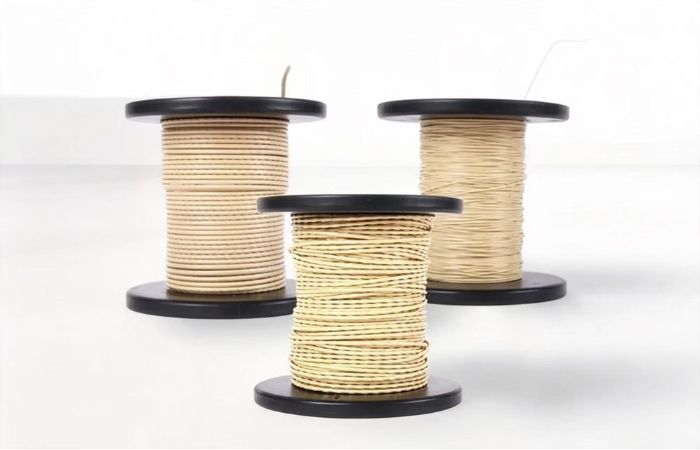
Industria medica
PEEK is widely used in the medical field, including in orthopedic implants, surgical instruments, dental applications, and medical device components. It offers excellent properties such as mechanical characteristics similar to human bone, good biocompatibility, X-ray translucency, chemical corrosion resistance, and resistance to sterilization.
PEEK Spinal Cage
This is an implantable device designed to be used after intervertebral disc injury; it facilitates the removal of damaged tissue while helping to restore disc height, maintain spinal alignment, and promote bone fusion. PEEK is selected as the material because it effectively prevents the loss of bone density caused by bone resorption. This is because the elastic modulus of PEEK (3–4 GPa) closely matches that of human bone (10–30 GPa), whereas titanium—previously the standard material—has a much higher modulus (100–120 GPa). Although metal spinal fusion cages offer sufficient strength, they can reduce the mechanical load on the bone; the body perceives a lack of need for substantial bone tissue in the area, leading to decreased bone formation and increased bone resorption, ultimately resulting in reduced bone density.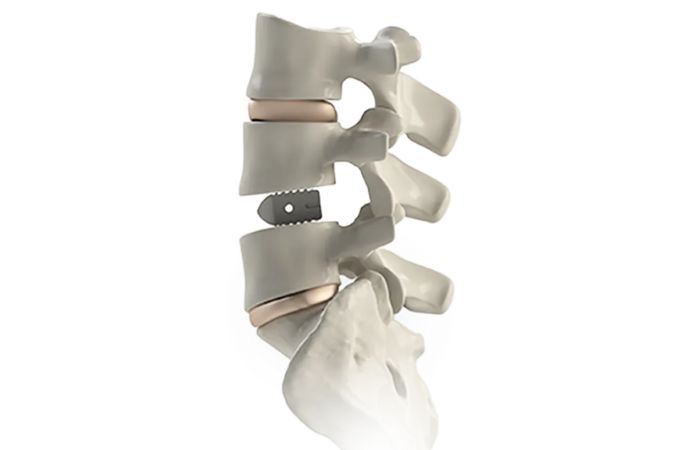
PEEK Orthopedic Implants
Due to its biocompatibility and resistance to degradation by human blood—as well as its ability to maintain stable performance in the body without triggering rejection reactions—PEEK is commonly used in the medical industry to manufacture bone fixation devices, trauma implants, and joint-related components.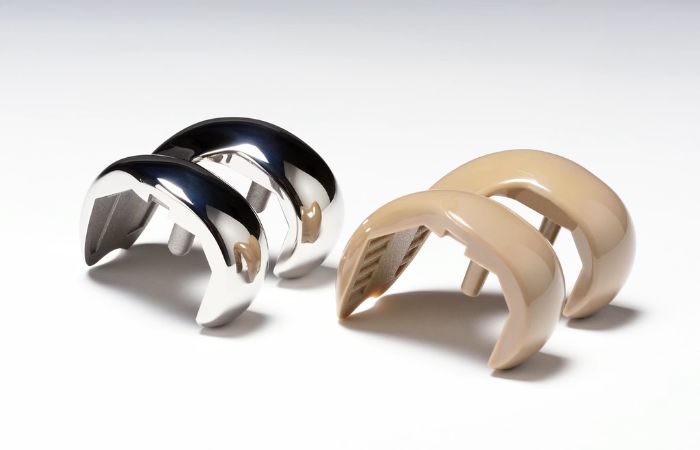
PEEK Medical Devices
Many medical device components are made of PEEK—such as surgical instrument handles, insulation assemblies, and positioning parts—due to the material’s ease of sterilization, high strength, and chemical corrosion resistance.
PEEK is also used to manufacture components for diagnostic equipment, such as MRI assemblies; its non-magnetic nature, electrical insulation properties, and X-ray transparency make it well-suited for medical imaging environments.
PEEK Medical Catheters
Medical catheters require very thin walls, as well as a certain degree of flexibility and mechanical reliability. Since they are inserted into the human body, they must not be brittle and must be resistant to corrosion from medical chemicals or body fluids.
PEEK medical catheters come in various specifications, including 3.65×3.25 mm, 4.73×4.43 mm, 5×4 mm, 5.3×4.5 mm, 5.4×4.8 mm, and 7.2×6.5 mm.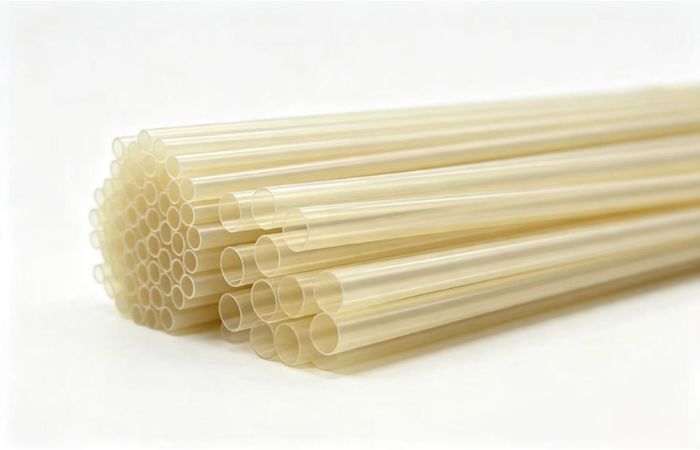
PEEK Dental Applications
The natural color of PEEK closely resembles that of dental materials, and it is lighter than traditional metals, ensuring patients do not experience a strong sensation of a foreign object. In addition to dental implants, PEEK can be used for removable partial denture frameworks, restorative materials, and dental surgical instruments.
PEEK Sterilization Components
Medical equipment requires frequent sterilization, and PEEK is notable for its resistance to high-temperature steam sterilization, capable of withstanding up to 3,000 autoclave cycles (typically at 134°C). PEEK also resists hot water, steam, solvents, and chemicals, while maintaining excellent mechanical strength, outstanding resistance to stress cracking, and hydrolytic stability.
Please note that all PEEK materials used in medical applications must be medical-grade PEEK and possess medical-grade certification.
Automotive Industry
With the development of new energy vehicles, traditional metal parts are used less and less, and are replaced by high-end plastic parts that are lightweight, electrified, and high-performance.
PEEK Bearings and Bushings
Automotive components such as engine systems, transmission systems, electric motor systems, and actuators involve continuous movement, necessitating materials that offer high wear resistance and low friction. Traditional metal parts generate significant noise during operation and suffer from wear over time; PEEK components—such as bearings and bushings—effectively minimize these issues.
Typically, PEEK sheets or rods are selected for CNC machining to manufacture these automotive parts directly.
PEEK Seals
PEEK offers excellent high-temperature and chemical resistance combined with high mechanical strength, enabling it to maintain dimensional stability over long periods even in harsh operating environments. Consequently, PEEK is selected as a sealing material for automotive energy, fuel, hydraulic, and transmission systems; it remains unaffected by fuels, hydraulic fluids, and coolants, ensuring sustained, long-lasting sealing performance.
PEEK Electrical Components for EVs
New energy vehicles incorporate numerous electronic systems, including battery systems, electric motor systems, and high-voltage electrical systems. PEEK offers excellent electrical insulation, high-temperature resistance, flame retardancy, and wear resistance. It can be used to manufacture battery connectors, insulation components, and cable parts, as it is capable of withstanding electrical stress and the heat generated during the charging process.
Industria chimica
PEEK is commonly used for seals, valves, pumps, sealing components, and precision parts where high performance regarding chemical resistance, high-temperature stability, and rigidity is required.
In the chemical industry, PTFE is actually the more widely used plastic; PEEK is suited for high-end chemical applications, as using it elsewhere would result in a waste of resources due to performance overkill.
PEEK Seals
Much like its applications in the aerospace and automotive industries, PEEK offers excellent sealing performance. On one hand, it withstands a wide range of chemical media—including acids, alkalis, organic solvents, and hydrocarbons—while on the other, it maintains long-term dimensional stability, even under harsh operating conditions.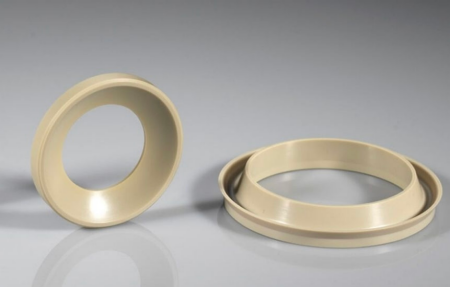
PEEK Valve Components
In valve applications, PEEK can be used for valve seats, seals, balls, and other components. Valve seals require high dimensional precision. As critical components in chemical processing equipment, valves demand strict control over dimensional stability to prevent risks such as equipment malfunction or failure.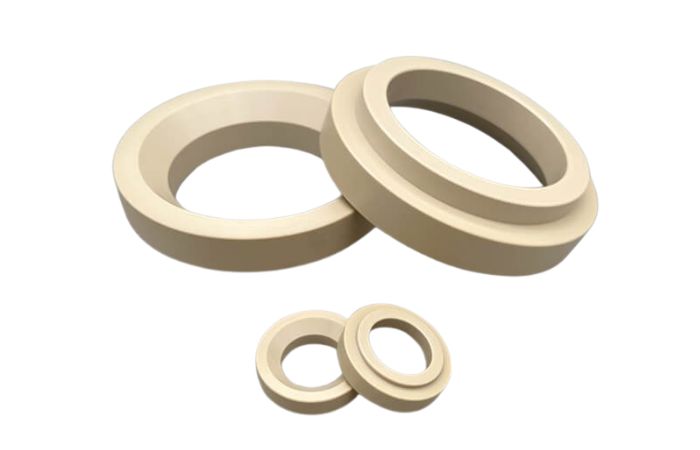
PEEK Pump Components
Pumps are extensively used for liquid transport in the chemical industry, including for corrosive liquids. PEEK is commonly used to manufacture pump gears, pump housing components, wear rings, bearings, and bushings; it helps reduce wear, extend service life, and decrease the frequency of maintenance and downtime.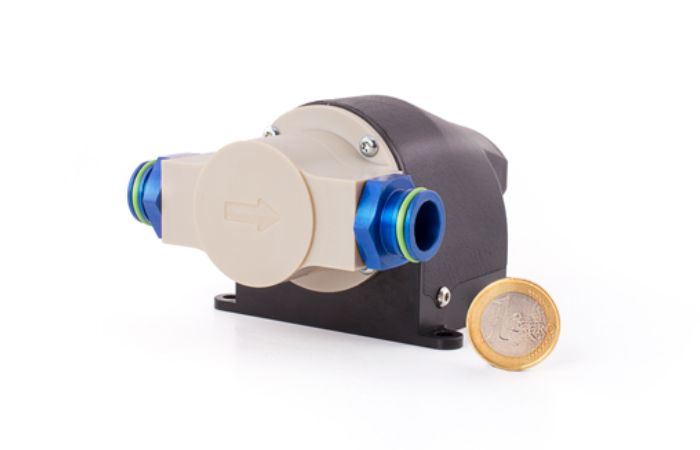
PEEK Applications in Daily Life
While PEEK does not frequently appear in everyday consumer goods, it is often found hidden within the devices we use daily—even if it goes unnoticed.
- In fuel dispenser nozzles, PEEK components withstand corrosion from oil and gasoline while effectively preventing electrical leakage and static buildup, thereby extending the product’s service life.
- E-cigarette reservoirs utilize food-grade PEEK, which offers excellent heat resistance and superior heat dissipation. Some high-end e-cigarettes also feature PEEK casings, as well as PEEK bases for heating elements and atomizer chambers.
- In coffee machines, PEEK is used for internal gears, connectors, and tubing, protecting against corrosion caused by coffee constituents and cleaning agents.
- Some commercial-grade chopsticks are also made of PEEK; unlike standard wooden chopsticks, their tips do not blacken during deep-frying.
Conclusione
Thanks to its exceptional chemical and high-temperature resistance, low friction, wear resistance, and outstanding mechanical properties, PEEK is widely selected for use across the semiconductor, aerospace, medical, automotive, and chemical industries, capable of withstanding harsh environments while maintaining its superior performance.
Selecting the right PEEK materials and a reliable supplier of machined parts is a critical factor in the success of your project. HANSA offers PEEK sheets, rods, and tubes, as well as a wide range of machined PEEK components, backed by advanced processing equipment and a team of technical experts.
Contact us today for professional guidance on material selection and competitive pricing on PEEK materials.

 Italian
  English
  Arabic
  Tibetan
  German
  Spanish
  French
  Hindi
Hindi  Indonesian
  Japanese
  Korean
  Dutch
Dutch  Portuguese
  Thai
Thai  Russian
  Swedish
  Chinese